
The search for the best metal roofing installation for homeowners starts with a simple truth. The roof is the hardest working part of any house. It faces sun, rain, hail, snow, and wind for decades. When it fails, the damage runs deep. When it holds, the house stays dry and sound for a generation or more. Metal roofing has earned a place in this conversation because it lasts. A well built metal roof can serve forty to seventy years. Asphalt shingles, by contrast, often need full replacement after twenty. This guide walks through what makes a metal roofing installation truly good. It covers materials, installer skill, cost, care, and safety. Every sentence is written in plain words. No jargon. No sales talk.
Why a Good Metal Roofing Installation Matters
A metal roof is only as good as the hands that put it on. The panels may be fine. The warranty may look strong. But a poor installation ruins both. Water finds every gap. Wind lifts every loose edge. Heat moves every sheet that was fastened wrong. Homeowners who shop for the best metal roofing installation for homeowners are really shopping for craftsmanship. The difference between a roof that lasts fifty years and one that leaks in five comes down to small details: flashing, valleys, fasteners, and how panels move with the seasons.
There is also the matter of money. Metal roofing costs more up front than shingles. A bad job doubles that pain. The homeowner pays the premium price and still gets the cheap result. That is why the research phase matters. A few hours of study can save thousands of dollars and years of regret. The sections below explain what to study.
What to Look For in the Best Metal Roofing Installation: Best Metal Roofing Installation for Homeowners
The best metal roofing installation for homeowners shares certain marks. Look for them in every bid and every portfolio.
The Installer Matters More Than the Panel
Ask about experience first. How many metal roofs has this crew installed? How many years have they worked with metal, not shingles? Metal is a different trade. A shingle crew with one metal job under its belt is a risk. Good installers will show photos of past work. They will name the panel systems they use. They will explain how they handle flashing, valleys, and roof penetrations. References matter too. Call two or three past customers. Ask if the crew showed up on time. Ask if the site was cleaned daily. Ask if the roof has been dry since. Honest answers tell more than any brochure.
Licensing and insurance are not optional. A licensed contractor follows local building codes. An insured one protects the homeowner if a worker is hurt or the property is damaged. Ask for proof. Check the license number with the state board. This takes ten minutes. It is worth every second.
Materials and Panel Types
Not all metal roofing is the same. Steel is the most common. It is strong and affordable. Galvanized steel has a zinc coating that resists rust. Galvalume steel has a zinc and aluminum coating that resists rust even better. Aluminum suits coastal homes because salt air does not corrode it. Copper and zinc sit at the top end. They cost far more, but they can last a century and they age into beautiful finishes.
Panel thickness matters. It is measured in gauge. Lower gauge numbers mean thicker metal. A 24-gauge panel is thicker than a 29-gauge panel. Thicker panels resist dents from hail and hold their shape better in wind. Ask the contractor which gauge is in the bid. Make sure it is in writing.
The paint finish matters as well. Quality metal roofing uses a baked-on coating, often a Kynar or silicone-modified polyester finish. These coatings resist fading and chalking. Cheap paint fades in a few summers. The finish warranty is separate from the panel warranty; read both.
Types of Metal Roofing for Homes
Four main styles cover most residential work. Each has strengths and trade-offs.
Standing Seam
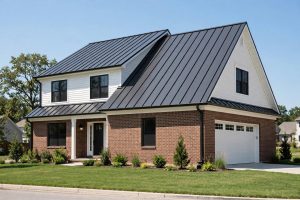
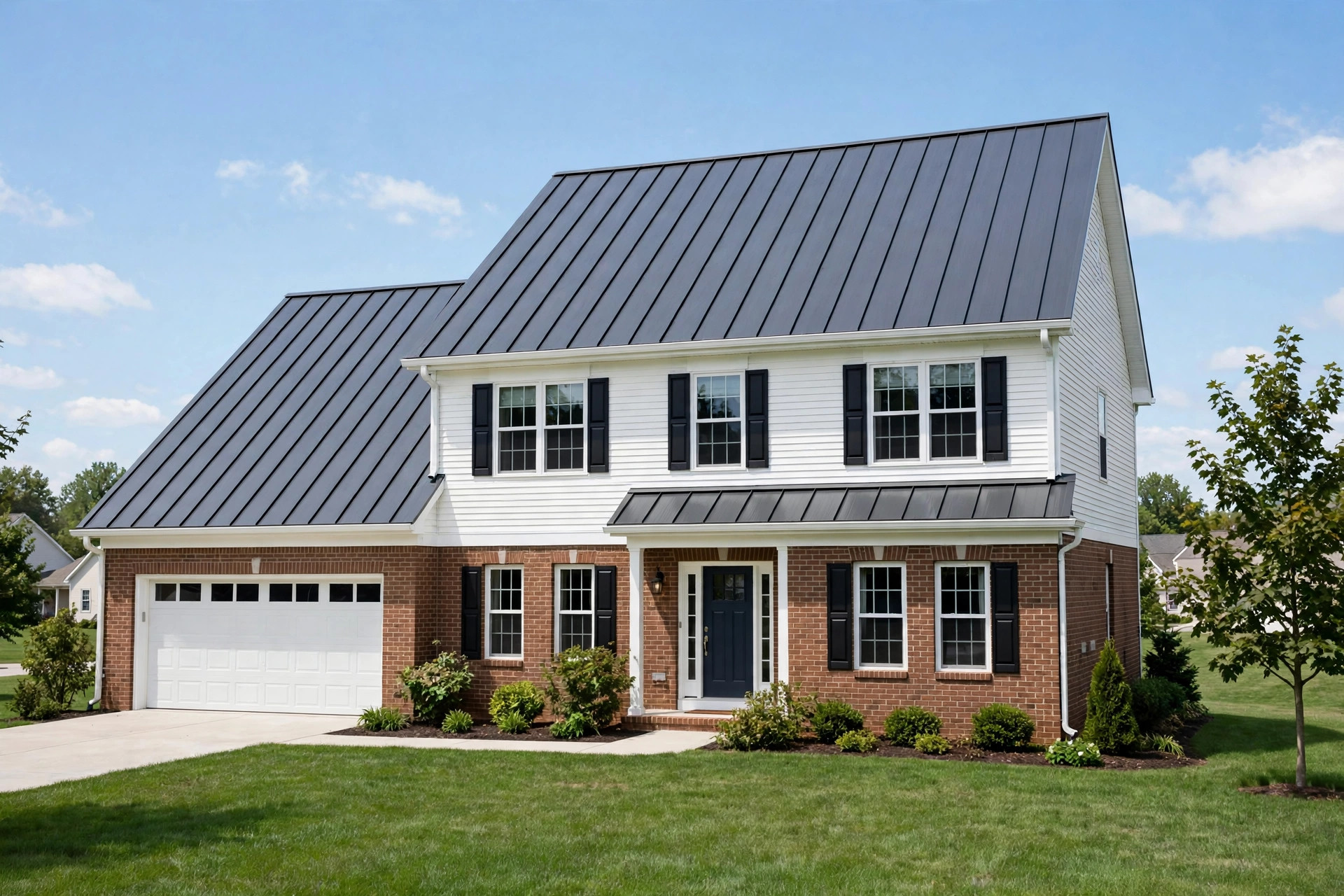
Standing seam is the most popular choice for homes. Long panels run from ridge to eave. The seams between panels rise above the surface and lock together. Fasteners are hidden under the seams. No exposed screws means fewer entry points for water. Standing seam looks clean and modern. It costs more than other types, but it performs best over time. Many homeowners who want the best metal roofing installation for homeowners choose standing seam for this reason.
Corrugated and Exposed Fastener Panels
These panels attach with screws that go through the face of the metal. Rubber washers under the screw heads seal the holes. The price is lower. The look is more rustic or agricultural. The catch is maintenance. Washers wear out. Screws loosen as the metal moves. A roof of this type needs screw checks every few years. For barns and sheds, that is fine. For a family home, standing seam is usually the better bet.
Metal Shingles and Tiles
Metal shingles copy the look of slate, tile, or wood shake. They are far lighter than real slate or tile, which protects the roof structure. The cost sits near standing seam. Homeowners in historic districts often pick this style because it fits the neighborhood while delivering metal longevity.
Stone-Coated Steel
Stone-coated steel panels have a steel core with stone granules bonded to the surface. They also dampen rain noise better than bare metal panels.
How the Installation Process Works
Knowing the steps helps a homeowner spot shortcuts. A standard installation runs like this.
First comes the tear-off and inspection. Old shingles come off. The deck underneath is checked for rot and soft spots, and damaged decking is replaced. New roofing over rotten wood is a waste of money.
Next comes the underlayment. This is a waterproof or water-resistant layer laid over the deck. In ice-prone regions, an ice and water shield goes along eaves and valleys. Synthetic underlayment is common elsewhere. The underlayment is the roof’s second line of defense.
Then the metal panels go on, starting at the eaves. Panels are measured and cut on site for valleys, hips, and penetrations. Flashing goes around chimneys, vents, and skylights. Ridge caps finish the peak. Trim covers the edges. A good crew keeps panel runs straight and seams tight. The whole job takes one to four days for most homes, depending on size and complexity.
Finally comes the walkthrough. The homeowner and the contractor inspect the finished roof together. The site should be clean. Magnetic sweepers should have picked up loose nails and screws. The contractor hands over warranty papers, material lists, and care instructions.
Cost and Price Expectations
Price is the most common question, and the honest answer is that it depends. The best metal roofing installation for homeowners typically costs between eight and sixteen dollars per square foot, installed. A square is roofing talk for one hundred square feet. A two thousand square foot roof might run sixteen to thirty-two thousand dollars. Standing seam and copper sit at the high end. Corrugated panels sit at the low end.
Several factors move the price. Roof pitch matters. Steep roofs are slower and more dangerous to work on. Complexity matters. Dormers, skylights, and multiple chimneys add labor. Location matters. Labor rates vary by state and city. Tear-off matters. Removing two layers of old shingles costs more than removing one.
Get three written bids at minimum. Each bid should list the panel type, gauge, coating, underlayment, flashing details, tear-off, and cleanup. Compare line by line. A bid that is much lower than the others is a warning sign. Something is missing. A bid that is much higher should explain why.
Financing is worth a look. Some contractors offer payment plans. Home improvement loans and home equity lines can spread the cost. Energy tax credits have applied to certain reflective metal roofing in past years. Check current federal and state programs before signing. A trusted source such as the U.S. Department of Energy explains how reflective roofing cuts cooling loads.
Insurance can help too. In hail and hurricane regions, insurers sometimes offer discounts for impact-rated metal roofing. Call the insurance agent before the job starts.
Care and Upkeep
A metal roof asks for little, but it asks for something. Plan on a simple routine.
Inspect the roof twice a year, in spring and fall. Look from the ground with binoculars. Check for loose flashing, scratched coating, and debris in valleys. After big storms, take another look. A home maintenance guide offers step-by-step checklists for seasonal roof care.
Keep gutters clean. Clogged gutters send water back under the eaves. Trim tree branches that rub the roof. Branches scratch the coating and drop leaves into valleys.
Wash the roof when dirt builds up. A garden hose and a soft brush do the job. Never use a pressure washer on a metal roof. High pressure drives water under seams and strips the coating. For exposed-fastener roofs, check screws every two to three years and replace worn washers. Standing seam roofs need far less attention, but the sealants at penetrations should be checked every five years or so.
Walk on the roof only when necessary, and wear soft-soled shoes. Step on the flat of the panels near the supports, never on the raised seams. Better yet, leave roof walking to professionals.
Safety on the Job and After
Metal roofing work is dangerous. Panels are sharp. Roofs are high. Falls kill more construction workers than any other hazard. Homeowners should never climb a roof to “check the work” mid-job. Keep children and pets away from the work zone during tear-off.
After installation, safety shifts to the house itself. Metal roofs shed snow in heavy winter regions. Snow guards are small devices that hold snow on the roof so it melts instead of sliding off in a dangerous sheet. Ask the installer about them if the home gets deep snow. Lightning is another question homeowners raise. Metal roofing does not attract lightning. If lightning strikes, a metal roof spreads the charge and is less likely to catch fire than wood or shingles.
Metal roofing carries a Class A fire rating, the highest available, and embers that land on it find nothing to burn.
Choosing the Right Contractor: A Checklist
Use this short checklist when comparing bids for the best metal roofing installation for homeowners.
1. Licensed and insured, with proof in hand. 2. At least five years of metal roofing experience, with photos and references. 3. A written bid with panel type, gauge, coating, underlayment, and flashing details. 4. A workmanship warranty of at least five years, separate from the manufacturer warranty. 5. A clear schedule with start date and completion date. 6. A cleanup plan, including magnetic sweeping for nails and screws. 7. Local building permits pulled by the contractor, not the homeowner.
Home improvement advice from This Old House and the project guides at Bob Vila both stress the same lesson: the contractor is the product.
Frequently Asked Questions
How long does a metal roof last?
Forty to seventy years is the honest range for steel and aluminum. Copper and zinc can last far longer. The finish warranty usually runs twenty to forty years. The panel itself often outlasts the paint. Installation quality decides which end of the range a given roof reaches.
Is a metal roof noisy in the rain?
It can be, but proper installation controls it. Underlayment, attic insulation, and solid decking absorb most of the sound, and stone-coated steel is quieter still.
Can metal roofing be installed over old shingles?
Sometimes, yes. Local codes decide. One layer of shingles can often stay in place if the deck is sound and the weight limits allow it. Tear-off is cleaner, though. It lets the crew inspect the deck and install fresh underlayment. Most quality installers recommend full tear-off for a job meant to last fifty years.
Will a metal roof rust?
Quality panels resist rust for decades. Galvalume and galvanized coatings protect the steel underneath. Aluminum does not rust at all. Rust appears only when the coating is scratched down to bare metal and left unpainted, or when panels sit in standing water. Keeping the roof clean and touching up scratches prevents the problem.
Does metal roofing lower energy bills?
Reflective metal roofing can cut cooling costs. Light colors and special coatings bounce solar heat away from the attic, and homes in hot regions see the biggest benefit. Product comparisons from Consumer Reports and buying guides at The Spruce review reflective options in detail.
Should I worry about dents from hail?
Thicker panels resist dents better. A 24-gauge panel handles hail far better than a 29-gauge panel. Some manufacturers sell impact-rated panels tested against large hailstones. In hail country, ask for the impact rating.
Planning the Rest of the Exterior
A roof is one part of the home’s shell. Many homeowners schedule exterior projects together. Stone veneer panels pair well with metal roofing on the same facade. A foundation crack repair job is smart to finish before roofing work begins, since water management starts at the base of the house. And home exterior design services can help match the roof color to siding, trim, and stone for a finished look.
Retailers such as Home Depot and Lowe’s carry metal roofing panels, flashing, and tools for comparison shopping. Manufacturer sites like CertainTeed and James Hardie publish technical guides on roofing and siding systems. These free resources help a homeowner ask sharper questions at bid time.
A Short Final Word
The best metal roofing installation for homeowners is not a product on a shelf. It is a combination. The right panel, the right coating, the right underlayment, and above all the right crew. Take the time to check licenses, read warranties, and call references. Spend the savings of a cheap bid on nothing at all, because a cheap metal roof is the most expensive roof of all. Do the research now. Enjoy the quiet of a dry house for decades.
References
Bob Vila. (n.d.). Home improvement advice. https://www.bobvila.com CertainTeed. (n.d.). Building materials and exterior products. https://www.certainteed.com Consumer Reports. (n.d.). Product reviews and ratings. https://www.consumerreports.org Family Handyman. (n.d.). DIY home repair and maintenance. https://www.familyhandyman.com James Hardie. (n.d.). Fiber cement siding and exterior products. https://www.jameshardie.com Lowe’s. (n.d.). Home improvement products. https://www.lowes.com The Home Depot. (n.d.). Home improvement products. https://www.homedepot.com The Spruce. (n.d.). Home and garden advice. https://www.thespruce.com This Old House. (n.d.). Home renovation guidance. https://www.thisoldhouse.com U.S. Department of Energy. (n.d.). Energy efficiency and renewable energy. https://www.energy.gov
Was this guide helpful?

About Michael Thompson
The My Garden US editorial team writes practical, in-depth home and garden guides for American homeowners — tested advice, no fluff.
You May Also Like
Top Rated Insulated Vinyl Siding for Cold Climates
March 25, 2026 0 views
Energy Efficient Concrete Driveway Resurfacing for Homeowners
August 14, 2026 0 views
Top Rated Vinyl Replacement Windows for USA Homes: A Plain Guide
January 16, 2026 0 views