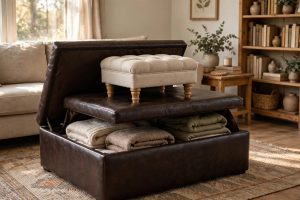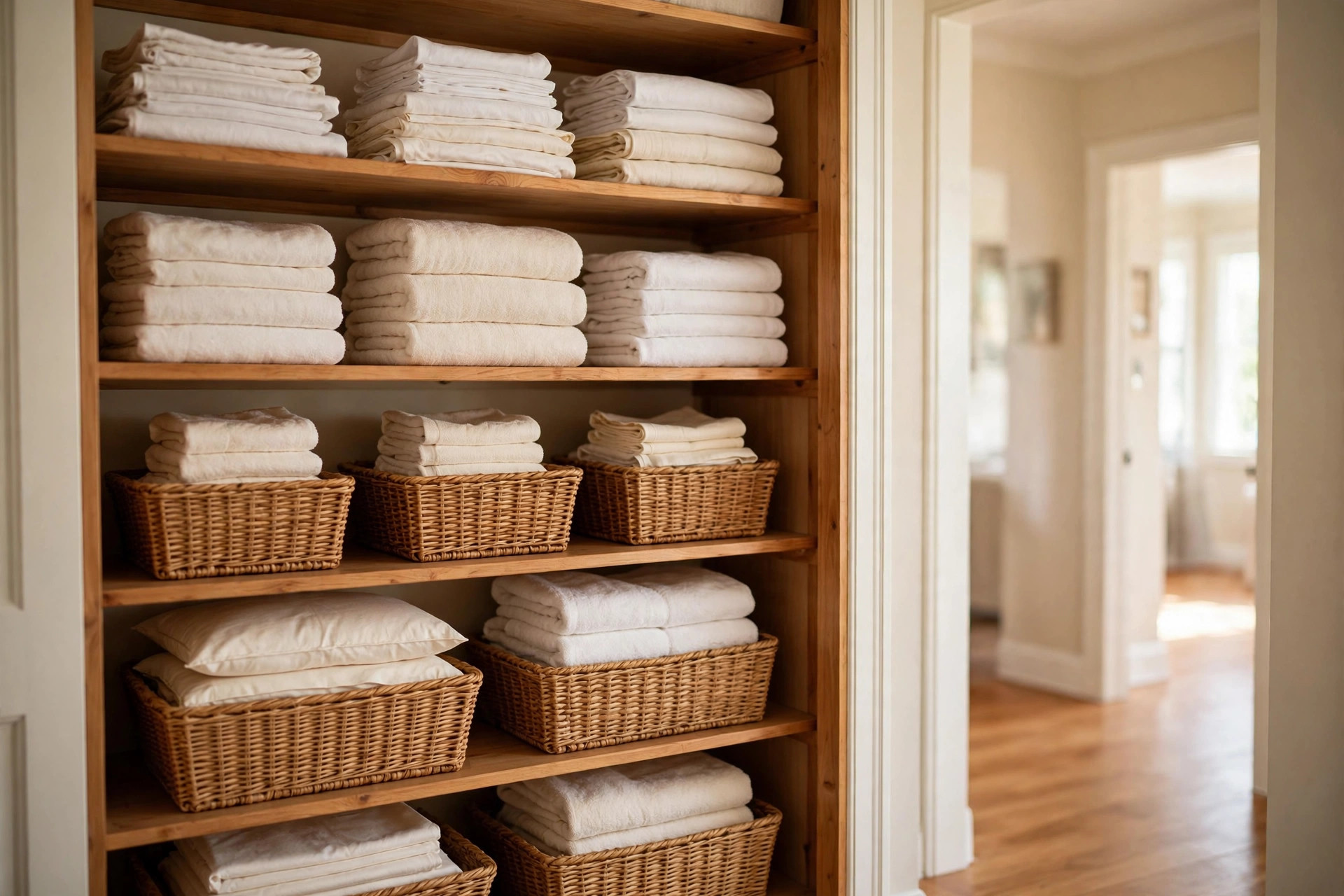

A linen closet holds the small comforts of a house. It holds the sheets, the towels, the extra blankets, and the table cloths. In many homes the closet starts out neat and ends up crowded. Sheets slide off the pile. Towels fall to the floor. Space goes to waste. The search for top rated linen closet organizers for texas homes begins with a simple wish: a closet where every item has a place and stays there. This guide explains how to pick an organizer that fits a Texas home, what the common types cost, and how to keep them in good shape for years.
Why a Linen Closet Matters
A linen closet is small, but it serves the whole house. Every bedroom depends on it. Every bath depends on it. Guests notice it when they open the door. When the closet works well, daily chores move faster. A fresh set of sheets is easy to find. A clean towel is always at hand.
When the closet works poorly, the whole house feels it. Sheets wrinkle in a heap. Musty smells build up. Time is lost to digging through piles. An organizer changes this. It divides the space into clear zones. Each zone holds one kind of linen. The result is order that holds up week after week.
What an Organizer Does
An organizer is any set of shelves, bins, baskets, or racks that gives the closet structure. Most linen closets in Texas homes come with one or two plain shelves. That is rarely enough. An organizer adds shelves where they are missing. It adds bins for small items. It adds dividers so stacks do not lean and fall. It turns empty air into usable space.
Texas homes add their own demands. Summers are hot and long. Humidity runs high along the coast and in the east. Closets need air flow so linens stay fresh. Organizers that let air pass through the shelves help. They also need to stand up to heavy use. A family of five goes through many towels in a week. The shelves must hold the weight without sagging.
How to Choose the Right Organizer: Top Rated Linen Closet Organizers for Texas Homes
Choosing starts with the closet itself. No two closets are the same. A hall closet in a 1950s ranch house is narrow and deep. A walk-in closet in a new suburb home is wide and shallow. The organizer must fit the space it serves.
Measure First
Take a tape measure to the closet. Write down the width, depth, and height. Note the door swing. Note the location of the light. Note any vents or pipes. These numbers decide what will fit. Many buyers skip this step and order a unit that is too wide. The unit then sits in the box until it is returned. Measure twice and the problem never comes up.
Also measure the items the closet will hold. Fold a fitted sheet the way you fold it at home. Measure the stack. Bath sheets are thicker than hand towels. Quilts are thicker than light blankets. The shelf spacing should match the real stacks, not an ideal picture.
Know Your Loads
Linens are heavy in bulk. Twelve bath towels weigh as much as a small child. The organizer must carry the load. Look at the weight rating on the box. Solid wood shelves carry more than wire. Wire shelves carry more than thin plastic. If the shelves will hold quilts or heavy blankets, pick a unit rated for at least fifty pounds per shelf.
Think about who uses the closet. If children reach for their own towels, put their items low. If an older adult uses the closet, keep daily items at waist height. A good organizer places the most used items between knee and shoulder height. Less used items go high. Rarely used items go low.
Types of Linen Closet Organizers
Shoppers will meet four main types. Each has strengths. The best choice depends on the closet, the budget, and the look of the home. Shoppers who want ideas can browse the storage specialists at The Container Store or look at the closet lines sold by IKEA. Both carry full ranges of the types below.
Wire Shelving Systems
Wire shelving is the most common organizer sold in the United States. The shelves are coated metal grids. They come in fixed kits or as parts that snap together. Air moves through the grid, which helps in humid Texas closets. The coating resists rust when it is intact.
Wire shelves work best for folded items that sit flat. Small items can slip through the grid, so bins or shelf liners help. Watch the coating. If it chips, rust can start at the bare spot. In coastal Texas homes, where salt air gets in, this matters more. Wipe the shelves dry if they get damp.
Wood Shelf Units
Wood units look warm and built in. They are often made of pine, birch, or engineered wood with a finish. Solid wood holds heavy stacks without bending. Many homeowners in Texas pick wood because it suits the style of the house. A stained pine unit fits a farmhouse. A white painted unit fits a newer build.
Wood needs dry air. In very humid rooms, unsealed wood can swell. Choose units with a sealed finish. Keep a small gap between the back of the unit and the wall so air can move. Wood units cost more than wire, but they last longer when cared for. Readers comparing prices can check the shelf units at Home Depot and Lowe’s, which both stock wood and wire systems side by side.
Baskets and Bins
Baskets and bins handle the small things. Washcloths, hand towels, and pillowcases stay neat in bins. Baskets pull out like drawers, so items at the back stay easy to reach. Wicker gives a warm look. Plastic is easy to wash. Fabric bins fold flat when not in use.
Bins also hide clutter. A closet with open shelves can look messy even when it is clean. Bins give every shelf a clean face. Label each bin with a tag. The label tells the family where each item goes. This small step keeps the closet neat long after the first week. For a full look at bin and basket styles, Wayfair and Amazon carry wide ranges with buyer reviews.
Related storage ideas can help beyond the linen closet. A guide to heavy duty laundry room shelving shows how to hold the same heavy loads in the wash room. Reviews of wicker storage baskets help pick bins that last.
Door and Wall Add-ons
The back of the closet door is free space. Over-door racks hold spray bottles, small baskets, and ironing aids. Wall-mounted hooks hold robes and bags. Slim rolling carts slide into narrow gaps beside the shelves. These add-ons cost little and add much. They suit renters too, since most need no screws.
Cost and Price
Prices run from a few dollars to several hundred. A set of fabric bins costs about twenty to forty dollars. A wire shelving kit for a standard closet costs about sixty to one hundred fifty dollars. A solid wood unit costs about one hundred fifty to four hundred dollars. A full custom closet system, cut to fit, can pass one thousand dollars.
Price follows material and size. Wire costs less than wood. Small kits cost less than full systems. Brand names cost more than store brands. Watch for sales in January and August. Stores clear home goods after the holidays and before the school year. Buying then can cut the price by a third.
Set a budget before shopping. A simple plan beats a costly one. Many closets need only two extra shelves and four bins. That setup costs under one hundred dollars and solves most problems. Big closets with many users may need more. Shoppers on a tight budget can compare everyday prices at Walmart, which stocks low-cost bins, shelves, and racks.
For homes with larger storage needs, it helps to think room by room. Top rated freestanding wardrobe closets can take pressure off the linen closet by holding extra blankets and seasonal bedding elsewhere.
Care and Upkeep
An organizer lasts when it gets basic care. Dust the shelves once a month. A damp cloth works for wire and sealed wood. Dry the shelf after wiping. Do not let water sit on wood joints.
Refold the stacks twice a year. Sheets settle and lean over time. Take everything out. Wipe the shelves. Put items back in neat stacks. This is also the time to retire worn linens. Thin towels become cleaning rags. Stained sheets become drop cloths. Fewer items mean a neater closet.
In humid parts of Texas, watch for musty smells. Leave the closet door open for an hour each week to let air in. A small box of baking soda on a back shelf absorbs odors. Cedar blocks add a fresh scent and are a classic choice in Southern homes. Never store damp linens. Make sure every item is fully dry before it goes on the shelf. Dampness leads to mildew, and mildew ruins both linens and wood.
Tighten screws and brackets once a year. Wire systems can loosen where parts join. Wood units can shift as the house settles. A quick check with a screwdriver keeps everything firm. The project guides at Family Handyman show simple repair steps for loose shelving.
Safety
A linen closet is safe when the organizer is fixed in place. Tall units must be anchored to the wall. An unanchored unit can tip when a child climbs it. Use the anti-tip strap or bracket that comes in the box. If the box has none, buy one. They cost a few dollars at any hardware store.
Do not overload the top shelf. Heavy items belong low. This keeps the unit stable and keeps items from falling on heads. Keep cleaning products out of the linen closet if small children use it. Store them high and locked, or in another room.
Check the weight rating and respect it. A shelf rated for thirty pounds should not hold fifty. Overloaded shelves bow in the middle. Bowed shelves drop items. In time the brackets can pull out of the wall. When in doubt, spread the load across more shelves.
Frequently Asked Questions
What size organizer fits a standard linen closet?
Most hall linen closets are about two feet deep and three feet wide, with four to six feet of height. Measure your own closet, since older Texas homes vary. A unit that leaves one inch of clearance on each side slides in well. Adjustable shelves help you match the spacing to your stacks.
Are wire shelves or wood shelves better for humid Texas closets?
Both work if chosen well. Wire shelves let air pass through, which fights dampness. Wood shelves look nicer and hold more weight. In humid areas, pick coated wire with no chips, or sealed wood with a good finish. Keep air moving in the closet either way. Advice on closet care and home upkeep appears regularly on The Spruce.
How do I stop folded sheets from toppling over?
Use shelf dividers. They stand upright between stacks and keep each pile in place. Do not stack more than six inches high per pile. Put the largest items at the bottom of the stack. Bins work even better for fitted sheets, which are hard to fold neatly.
Can I install a linen closet organizer myself?
Yes, in most cases. Wire kits and freestanding wood units need only basic tools. A level, a drill, and a stud finder cover most jobs. Wall-mounted systems take more care. Find the wall studs before driving screws. Drywall alone will not hold a loaded shelf. If the job feels beyond your skill, a local handyman can finish it in an hour or two.
How often should I clean out the linen closet?
Do a full clean twice a year. Take everything out, wipe the shelves, and refold. Retire worn items. Between cleanings, tidy the stacks once a month. It takes ten minutes. A quick tidy keeps the closet from sliding back into disorder.
Where can I see real homes using these organizers?
Home tours and reader photos give good ideas. Apartment Therapy publishes closet tours that show how real families arrange small spaces. Their photos show which bins and shelves work in daily use, not just in a store display.
A Final Word
The best linen closet organizer is the one that fits your closet, holds your loads, and suits your budget. Measure first. Pick the right type. Anchor it to the wall. Keep it clean and dry. Do these small things and the closet will serve the house well for many years. The search for top rated linen closet organizers for texas homes ends not with the costliest system, but with the one that brings lasting order to your home.
References
Amazon. (n.d.). Online shopping. https://www.amazon.com Apartment Therapy. (n.d.). Home design ideas and inspiration. https://www.apartmenttherapy.com Family Handyman. (n.d.). DIY home repair and maintenance. https://www.familyhandyman.com IKEA. (n.d.). Home furnishings. https://www.ikea.com Lowe’s. (n.d.). Home improvement products. https://www.lowes.com The Container Store. (n.d.). Storage and organization products. https://www.containerstore.com The Home Depot. (n.d.). Home improvement products. https://www.homedepot.com The Spruce. (n.d.). Home and garden advice. https://www.thespruce.com Walmart. (n.d.). Everyday low prices. https://www.walmart.com Wayfair. (n.d.). Furniture and home goods. https://www.wayfair.com
Was this guide helpful?

About Lisa Anderson
The My Garden US editorial team writes practical, in-depth home and garden guides for American homeowners — tested advice, no fluff.
You May Also Like
Space Saving Kids Closet Organizers for Midwest Homes: A Practical Guide
June 7, 2026 0 views
Lockable Pegboard Wall Organizers for Sale
May 28, 2026 0 views
Lockable Freestanding Wardrobe Closets With Free Shipping
August 12, 2026 0 views