Why This Guide Exists
Good news first. The landscape spot lights usa online deals market has never been kinder to homeowners. Prices have fallen. LED technology has improved. And online stores now compete hard for your order. That means you can light a whole yard for far less money than your parents spent in the 1980s.
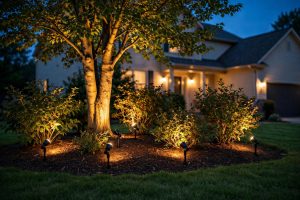
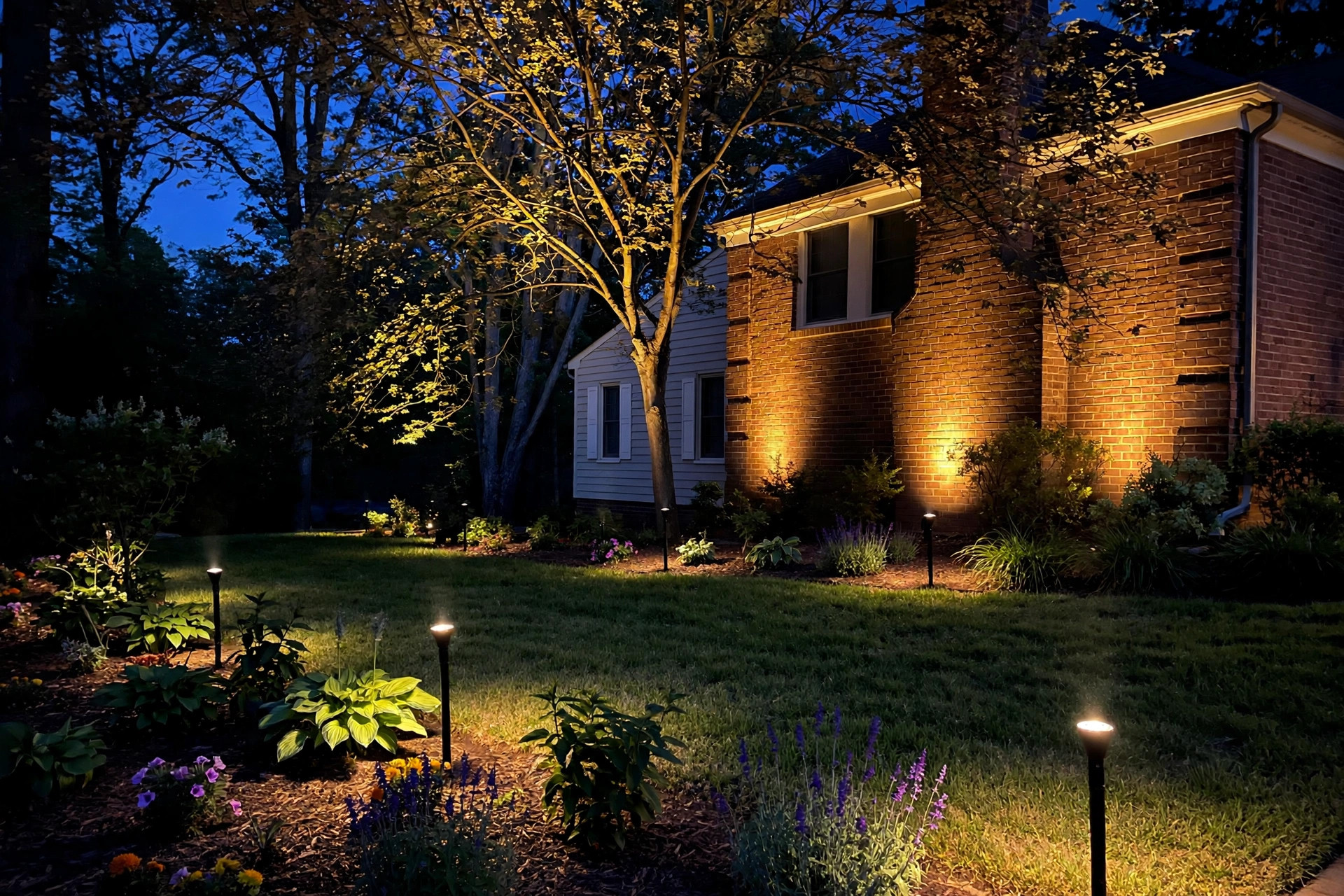
A spot light is a small fixture that throws a tight beam of light in one direction. Gardeners aim them at trees, walls, statues, and entryways. The effect is simple. The tree glows against the night sky. The path edge stands out. The front of the house looks warm and cared for.
Why bother? There are three good reasons. First, safety. Lit paths and steps cut down on falls. Second, security. A lit yard gives an intruder fewer places to hide. Third, beauty. Night lighting adds curb appeal that neighbors notice and buyers value.
Before you buy, it helps to read a good landscape spot lights buying guide usa article. It will save you from the most common mistakes. This guide covers the rest: what to look for, what to pay, where to find real deals, and how to keep the lights working for years.
Why Landscape Spot Lights Matter for an American Home: Landscape Spot Lights Usa Online Deals
Outdoor lighting used to be a luxury. It is now common in new homes across the country. Builders add it because buyers expect it. Real estate agents say a lit home looks larger and more inviting in evening photos.
Spot lights serve a special role. Flood lights wash a whole area with light. Path lights mark a walkway at ankle level. Spot lights do something more pointed. They draw the eye to one feature. A single oak tree can become the centerpiece of your night garden. A brick chimney can glow like a stage backdrop.
The landscape spot lights deals near me searches show what buyers want most. They want brightness they can trust. They want fixtures that survive rain and snow. And they want a price that fits a family budget. All three are easy to get when you know what to look for.
What to Look for When You Shop Online
Online shopping for outdoor lighting has one trap. You cannot hold the fixture in your hand. So you must read the details with care. Here are the facts that matter most.
Brightness and Beam Angle
Brightness is measured in lumens. A small accent spot may give 100 to 200 lumens. That is enough to light a shrub or a small statue. A medium spot gives 200 to 500 lumens. That suits a tree up to twenty feet tall. A strong spot gives 500 lumens or more. That lights tall trees and the full face of a house.
Beam angle decides how wide the light spreads. A narrow beam, around 15 to 30 degrees, throws light far and keeps it tight. Use it for tall trees and far targets. A wide beam, around 40 to 60 degrees, covers more area with softer light. Use it for walls and wide beds. Many modern spots let you adjust the angle. That feature is worth paying for.
Color temperature also counts. Warm white, about 2700 to 3000 kelvin, looks like old lamplight. It flatters wood, brick, and green leaves. Cool white, about 4000 to 5000 kelvin, looks blue and stark. Most garden designers favor warm white. It makes a yard feel like a home, not a parking lot.
Power Source: Low Voltage, Line Voltage, or Solar
Low voltage is the most common choice. A transformer drops your house current to 12 volts. The wiring is thin and safe to bury just under the soil. Most home kits run on low voltage. It is the system this guide recommends for beginners.
Line voltage runs at full house current. It is brighter and suits large estates. But it needs an electrician and buried conduit in most states. The cost is higher. For most families, low voltage does the job.
Solar spots need no wires at all. A panel on top charges a battery by day. They work best in sunny yards with clear sky exposure. Their light is weaker than wired spots. Their batteries fade after a few years. They are fine for accents in hard-to-wire corners. They are not the best choice for lighting a tall tree or a house facade.
Finish and Weather Resistance
Your spots will face rain, snow, sprinklers, and hot sun. Look for an IP rating. IP65 means the fixture keeps out dust and resists water jets. IP67 means it can survive brief soaking. For ground-level lights, IP65 or higher is the safe pick.
Metal bodies last longer than plastic. Aluminum with a powder coat is common and tough. Brass and copper cost more but age well. They also match classic home styles. Check the warranty. A maker that offers five years or more stands behind its product.
Types of Landscape Spot Lights
Four main types sit on the shelves today. Each has its place.
LED spot lights. These rule the market now. They use little power. They last 25,000 to 50,000 hours. They run cool, so they will not scorch leaves or bark. If you buy only one kind, buy LED. The U.S. Department of Energy notes that LED lighting uses at least 75 percent less energy than old incandescent lamps (energy.gov).
Halogen spot lights. These are the older style. They give a warm, rich light that some gardeners still love. They use far more power and burn out faster. Many stores are phasing them out. Buy them only if you must match an old set.
Solar spot lights. These charge by day and glow at night. They need no wiring and no transformer. Their limits are real: weaker beams, shorter life, and poor work on cloudy days. They suit small beds and markers, not dramatic uplighting.
Smart spot lights. These connect to an app or a voice assistant. You can dim them, change colors, and set schedules from your phone. They cost more. They please the tech-minded homeowner. Philips sells a well-known line of such lights, the Philips Hue outdoor range (philips.com).
Where to Find Online Deals
Deal hunting is where this guide earns its keep. The best prices rarely sit on the first page you see.
Start with the big home improvement stores. The Home Depot stocks a deep range of landscape lighting, from budget kits to premium brass fixtures (homedepot.com). Lowe’s runs a similar range and often matches prices during holiday weekends (lowes.com). Both sites show open-box and clearance items if you filter for them.
Specialty lighting stores are worth a look too. Lamps Plus carries curated outdoor lines with strong warranties (lampsplus.com). Lumens focuses on design-forward fixtures that look good by day as well as by night (lumens.com).
For advice before you buy, The Spruce publishes plain-language guides on outdoor lighting layouts and fixture care (thespruce.com). Their reviews can help you avoid junk. The Energy Star site explains which lighting products meet federal efficiency standards (energystar.gov). Buying certified gear saves money on your power bill for years.
Timing matters. The deepest cuts come in late fall, when stores clear summer inventory. Black Friday and Memorial Day bring strong lighting sales. End-of-season clearance can drop prices by 40 percent or more. Sign up for store emails. The coupons that arrive are real, and they stack with sale prices.
A word on fake deals. Some listings show a high “was” price that the item never sold at. Compare the sale price across two or three stores before you buy. Check the landscape spot lights for sale usa market to learn normal price bands. A spot listed at fifty dollars elsewhere and thirty dollars here is a fair deal. A spot listed at two hundred dollars marked down to thirty is a trick.
Cost and Price Guide
What should you expect to pay? Here are honest ranges for 2026.
A single plastic solar spot costs 8 to 15 dollars. A pack of four runs 25 to 50 dollars. Quality is mixed at this level. Read reviews before you buy.
A single low-voltage LED spot from a known brand costs 20 to 45 dollars. This is the sweet spot for most homes. You get a metal body, a warm LED, and a real warranty.
A premium brass or copper spot costs 60 to 150 dollars each. These are heirloom fixtures. They suit large homes and serious gardeners. Their light quality is a step above.
A starter low-voltage kit with transformer, cable, and six lights costs 100 to 250 dollars. Kits are the cheapest way to light a whole yard. They also take the guesswork out of matching parts.
Do not forget the extras. A 300-watt transformer runs 40 to 80 dollars. A hundred feet of cable runs 20 to 35 dollars. Connectors, stakes, and timers add 30 to 60 dollars. Plan the full system, not just the lights.
Energy cost is small. Six 7-watt LED spots run about 42 watts total. Left on five hours a night, they use about six kilowatt-hours a month. At average U.S. rates, that is under one dollar a month. The Department of Energy confirms that LED systems cut lighting energy use sharply versus older types (energy.gov).
Care and Upkeep
Landscape lights need little care, but they are not care-free. A simple routine keeps them bright for years.
Clean the lenses twice a year. Dust, pollen, and sprinkler minerals dim the beam. A soft cloth and mild soap do the job. Do it in spring and again in fall.
Check the aim once a year. Plants grow. A spot aimed at a shrub in spring may shine into a wall of leaves by fall. Walk the yard at night in October and adjust each fixture. It takes twenty minutes.
Trim grass around ground-level fixtures. Mowers and string trimmers are the top killer of landscape lights. A plastic well or a small mulch ring around each light keeps the trimmer away.
Inspect wires in spring. Frost heave and digging can expose cable. Bury any wire that has surfaced. Low voltage cable is safe to handle, but keep it buried to protect it.
Replace solar batteries every two to three years. When a solar spot dims by midnight, the battery is usually the cause, not the panel. Most use standard rechargeable cells you can buy online.
Safety Tips
Outdoor electricity deserves respect, even at low voltage.
Use a transformer rated for outdoor use. Mount it at least one foot above the ground, out of sprinkler reach. Plug it into a GFCI outlet. The outlet is the one with the test and reset buttons. It cuts power fast if water gets in.
Keep light away from bedrooms and neighbor windows. Bright beams aimed wrong cause glare and bad feelings. Aim spots down or at features, never at a street or a neighbor’s window.
Do not overload the transformer. Add up the wattage of all your lights. Stay under 80 percent of the transformer rating. A 300-watt transformer should feed no more than 240 watts of lights. Overloading shortens the life of everything.
Let bulbs cool before you touch them. Halogen lamps run very hot. LED lamps run cooler but still warm. Give any fixture five minutes after you switch it off.
Call a pro for line voltage work. Trenching and wiring at full house current is not a weekend job. A licensed electrician does it in a day. The cost is worth the safety.
Frequently Asked Questions
How many spot lights do I need for a front yard? Most front yards look best with six to ten spots. Aim two at the house facade, two or three at trees, and the rest at beds, walls, and the entry. Start with fewer. You can always add more.
Are online deals on landscape lights trustworthy? Yes, if you buy from known stores. The Home Depot, Lowe’s, Lamps Plus, and Lumens are all established sellers (homedepot.com; lowes.com; lampsplus.com; lumens.com). Avoid no-name sellers with no reviews and no return policy.
Should I choose LED or solar? Choose LED low-voltage spots for main features like trees and the house. Choose solar for small accents in spots where running wire is hard. Most yards use both.
How long do LED landscape spots last? A good LED fixture lasts 10 to 15 years of nightly use. The LED itself may outlast the housing. Cheap fixtures die sooner, often from water damage. Buy IP65 or better and a real warranty.
Can I install low-voltage lights myself? Yes. Most homeowners do. You lay the cable on the ground, connect the lights, plug in the transformer, and bury the cable. The whole job takes an afternoon. No permit is needed in most areas for low-voltage work.
What is the best color temperature for a yard? Warm white at 2700 to 3000 kelvin suits most homes. It flatters plants, wood, and brick. Cool white looks harsh outdoors and is best left for security flood lights, not garden spots.
A Final Word
Good landscape lighting is not about spending the most. It is about placing the right light in the right spot. A ten-dollar fixture aimed with care beats a hundred-dollar fixture aimed at random. Use the deals in this guide. Buy a bit better than you planned. Aim each beam by night, not by day. And enjoy the yard you already own, in a light you will love.
References
ENERGY STAR. (n.d.). Energy efficient products. https://www.energystar.gov Lamps Plus. (n.d.). Lighting and home decor. https://www.lampsplus.com Lowe’s. (n.d.). Home improvement products. https://www.lowes.com Lumens. (n.d.). Lighting and ceiling fans. https://www.lumens.com Philips. (n.d.). Lighting products. https://www.philips.com The Home Depot. (n.d.). Home improvement products. https://www.homedepot.com The Spruce. (n.d.). Home and garden advice. https://www.thespruce.com U.S. Department of Energy. (n.d.). Energy efficiency and renewable energy. https://www.energy.gov
Was this guide helpful?

About Sarah Mitchell
The My Garden US editorial team writes practical, in-depth home and garden guides for American homeowners — tested advice, no fluff.