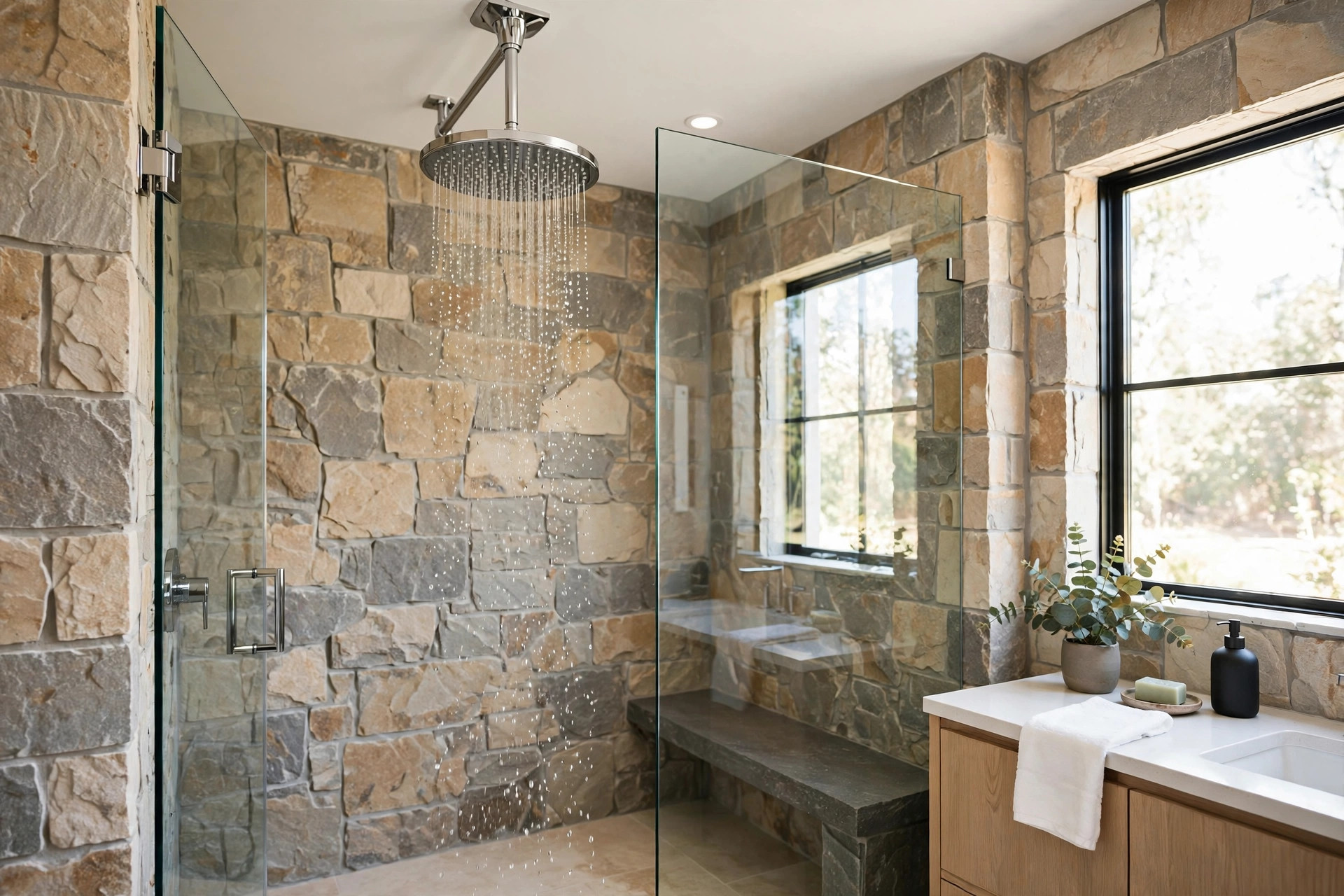

Homeowners who search for rain shower heads california homes usa want a shower that feels like warm rain falling on a summer day. A rain shower head is wide and flat. It hangs above the head and sends water straight down in a soft sheet. It is not like a common wall mounted head that sprays at an angle. The effect is calm and full. The whole upper body is covered at once, and the pressure feels gentle.
In California, these heads have become a common part of a bath remodel. Builders put them in new homes. Owners add them to older baths when they replace tile or glass. Yet a rain shower head is not a simple swap. Size, arm height, water rules, and flow rate all matter. California has strict rules on how much water a shower head may use. This guide walks through the choices in plain terms, so the result fits the home and the law.
Why Rain Shower Heads Matter
A rain shower head changes the feel of the daily routine. Most standard heads are four or five inches wide. A rain head is often eight, ten, or twelve inches across. The wide face spreads water into hundreds of small drops. The spray covers the shoulders and the back at once. There is less need to turn and shift to rinse off soap.
The look matters too. A large round or square plate above the shower reads as a hotel feature. It gives a remodel a finished feel even when the tile is plain. For resale, updated baths with modern fixtures tend to stand out in listings.
For tall users, the placement helps as well. Rain heads mount on a ceiling arm or a high wall arm. The user stands under the water rather than in front of it. That means fewer cold drafts and less splashing against the bathroom floor.
How to Choose the Right One: Rain Shower Heads California Homes Usa
The choice comes down to a few clear points. Walk through each one before buying.
Size
Common face sizes are eight, ten, and twelve inches. An eight inch head suits a small stall. A ten inch head is the most common choice and fits most showers. Twelve inch heads give a true rain effect, but they need strong water pressure and a larger shower floor. Measure the shower floor first. The head should sit well inside the splash zone, clear of the door or curtain.
Arm and Height
Rain heads need a ceiling mount or a raised shower arm. A ceiling arm puts the head seven to eight feet above the floor. That gives the drops room to spread into a soft fall. If the bath has a low ceiling, a high wall arm bent upward can work. The head should sit at least two feet above the tallest user. If it is too close, the water will hit hard in a small spot.
Flow Rate
The flow rate tells how many gallons per minute the head uses. In California, the limit for shower heads is 1.8 gallons per minute. That is set by state rule and applies to all new heads sold in the state. Older heads often used 2.5 gallons per minute. Look for the WaterSense mark or the stated flow rate on the box. A 1.8 gallon per minute head is the legal choice and, in practice, a good one. Modern designs use air injection to keep the drops feeling full at the lower flow.
Finish and Material
Finishes include chrome, brushed nickel, matte black, and oil rubbed bronze. Chrome is the least costly and the easiest to clean. Brushed nickel resists water spots and matches many faucets. Matte black looks bold but shows mineral film faster. The head itself may be plastic, brass, or stainless steel. Brass and stainless steel last longer and weigh more, which means the arm and mount must be solid.
Types and Options
Rain heads come in a few basic forms. Each has its own trade off.
Ceiling mount rain heads. These screw into a pipe that comes through the ceiling. They give the cleanest look and the most even rain fall. They need plumbing above the bath, so they are easiest to fit during a remodel.
Wall mount rain heads. These use a wall arm that bends upward. The head tilts or stays flat. They are simpler to fit on an existing pipe and need no work in the ceiling. The arm must be long enough to put the head away from the wall, or the spray will hit the bather too close.
Rain head with handheld wand. Some sets add a hand shower on a slide bar. This is useful for rinsing the shower walls, washing a pet, or bathing a small child. The diverter sends water to the rain head, the wand, or both. It costs more and adds plumbing parts, but many families find it worth the price.
Filtered or softening heads. In parts of California the water is hard. A head with a built in filter cuts scale and chlorine. The filter cartridge needs changing every few months.
When planning a full bath refresh, related upgrades often follow. A clear enclosure pairs well with a large head; see our guide on frameless shower doors. Extra support in the shower is smart for older adults; read about shower grab bars. And better light over the vanity completes the room; our notes on LED bathroom mirrors can help.
Cost and Price
Prices run wide. A simple eight inch plastic rain head can cost under fifty dollars. A mid range brass or stainless ten inch head runs from one hundred to two hundred and fifty dollars. Designer twelve inch ceiling sets with a handheld wand can pass five hundred dollars.
Installation cost depends on the setup. Swapping a head on an existing high arm is a do it yourself job and costs nothing but the part. Adding a ceiling arm where there is none means opening the ceiling, running pipe, and patching drywall. A plumber may charge three hundred to eight hundred dollars for that work, plus tile and patch repairs. A full shower rebuild with new tile, glass, and plumbing can run several thousand dollars.
Running cost is worth noting. Because California caps shower heads at 1.8 gallons per minute, a ten minute shower uses about eighteen gallons. Older heads at 2.5 gallons per minute used twenty five gallons for the same shower. The rain head, used within the rule, saves water and lowers the water bill.
Major makers such as Kohler, Moen, Delta Faucet, and American Standard all sell rain heads rated for the California flow rule. Prices and lines change often, so check current listings at Lowe’s or Home Depot to compare finishes and arm lengths before a plumber visit.
Installation Notes
A basic swap is simple. Turn off the water is not even needed if the valve is shut. Unscrew the old head. Clean the threads on the arm. Wrap new plumber tape around the threads in a clockwise direction. Screw the new head on by hand, then snug it with a wrench. A rubber washer in the fitting makes the seal.
A ceiling arm install is harder. The pipe must rise through the ceiling and bend down where the head will sit. In a home with an attic above, the work is easy to reach. In a condo or a home with a finished floor above, the plumber must cut and patch the ceiling. The ceiling joists set where the pipe can run, so the head position is not fully free.
Water pressure matters for a wide head. If the home has low pressure, a twelve inch head may feel thin. Most rain heads work best at forty to eighty pounds per square inch. A home below forty may need a pressure booster or a smaller head. Helpful step by step plumbing guides appear on This Old House, and Bob Vila also walks through bath fixture projects in plain language.
Water Rules in California
California limits shower heads to 1.8 gallons per minute. This rule is part of the state building code and applies to new sales. Heads that use more cannot be sold or installed in the state. When buying, check the box or the listing for the stated flow. A head that says 1.75 or 1.8 gallons per minute is fine.
The reason is simple. California faces dry years and long droughts. Showers are a large share of home water use. A house that cuts each shower by seven gallons saves thousands of gallons a year.
One more point: do not remove the flow restrictor. Some owners pull the small disc inside the head to raise the flow. That breaks the law and voids the warranty. It also raises the water bill for no real gain, since the spray pattern was tuned for the rated flow.
Care and Upkeep
Rain heads need light but steady care. Hard water leaves mineral crust on the nozzles. The crust narrows the spray and makes the fall uneven. Wipe the face with a soft cloth after showers. Once every few months, fill a plastic bag with white vinegar, tie it over the head so the face soaks, and leave it for an hour. Then run the shower for a minute. This clears most scale without harsh cleaners.
Avoid abrasive pads and strong acids. They can strip the finish and scratch the face. For brushed nickel or matte black, use a mild soap and a soft cloth. Check the rubber nozzles now and then. Many heads have silicone tips that can be rubbed clean with a fingertip while the water runs.
The shower arm and mount need a yearly look. Feel for wobble. If the head moves, the arm may be loose in the wall or ceiling. A drip at the joint often means the plumber tape needs renewal.
Design and care guides at The Spruce cover cleaning schedules for bath fixtures, with advice for hard water homes.
Safety
A rain head sits above the head, so slip risk deserves thought. The broad spray wets the whole shower floor, and wet tile is slick. A textured floor tile or a non slip mat helps. Keep the floor clear of bottles.
Scalding is a real risk with any shower. Set the water heater to one hundred twenty degrees. Homes with children or older adults should consider a pressure balancing valve. It keeps the mix steady when a toilet flushes or a washer starts.
The weight of a large metal head matters. A twelve inch brass head is heavy. The ceiling arm must be braced, not just threaded into drywall. A plumber can add a wood block between joists to hold it.
Frequently Asked Questions
Do rain shower heads work with low water pressure? They can, but the result is poor with a very wide head. Eight inch heads work on most city supplies. Twelve inch heads need fair to strong pressure. Test the pressure at the shower arm before choosing a large face. If pressure is low, a smaller head or a model with air injection gives a fuller feel.
Are rain shower heads legal in California? Yes, when they meet the state flow limit of 1.8 gallons per minute. Every head sold in the state must meet this rule. Check the stated flow rate on the box or the product page. Do not remove the flow restrictor.
Can I install a rain shower head myself? A direct swap on an existing arm is a simple home task. It needs plumber tape, a wrench, and a cloth to protect the finish. Adding a new ceiling arm or moving the pipe is plumber work. Get a quote before buying the head so the full cost is clear.
Which size is best for a small shower? An eight inch head suits a thirty six inch square stall. It covers the body without spraying the door. A ten inch head works in most standard tub showers. Save twelve inch heads for walk in showers that are at least forty eight inches across.
Do rain shower heads waste water? A legal California head uses 1.8 gallons per minute or less. That is less than many older standard heads. The wide face may tempt longer showers, which is a habit to watch. Used for the same minutes, the rain head uses less water than the old head it replaced.
How long do rain shower heads last? A brass or stainless steel head can last fifteen to twenty years with care. Plastic heads last less, often five to ten years. Hard water shortens the life of any head. Regular vinegar soaks help the head reach its full life.
Final Word
A rain shower head is a small change with a large effect on how a bath feels. For rain shower heads california homes usa buyers, the key rules are simple. Pick a head rated at 1.8 gallons per minute. Size it to the shower floor. Mount it high enough for the water to fall soft. Brace a heavy metal head well. Keep the finish clean with gentle care.
The project can be as small as a weekend swap or as large as a full shower rebuild. Measure first. Check the flow rate. Plan the arm. Then enjoy a shower that feels like warm rain, with a water bill that stays in check.
References
American Standard. (n.d.). Bathroom and kitchen products. https://www.americanstandard.com Bob Vila. (n.d.). Home improvement advice. https://www.bobvila.com Delta Faucet. (n.d.). Kitchen and bathroom faucets. https://www.deltafaucet.com Kohler. (n.d.). Bathroom and kitchen fixtures. https://www.kohler.com Lowe’s. (n.d.). Home improvement products. https://www.lowes.com Moen. (n.d.). Faucets and plumbing fixtures. https://www.moen.com The Home Depot. (n.d.). Home improvement products. https://www.homedepot.com The Spruce. (n.d.). Home and garden advice. https://www.thespruce.com This Old House. (n.d.). Home renovation guidance. https://www.thisoldhouse.com
Was this guide helpful?

About Michael Thompson
The My Garden US editorial team writes practical, in-depth home and garden guides for American homeowners — tested advice, no fluff.
You May Also Like

How to Find the Best Shower Grab Bars Deals Near Me
September 19, 2026 0 views
Quiet Exhaust Fans: Reviews and Buying Guide USA
September 2, 2026 0 views
Bathroom Linen Cabinets California Homes USA: A Full Guide
July 5, 2026 0 views