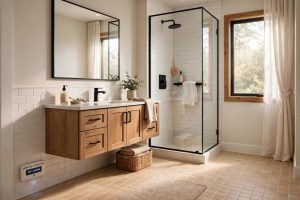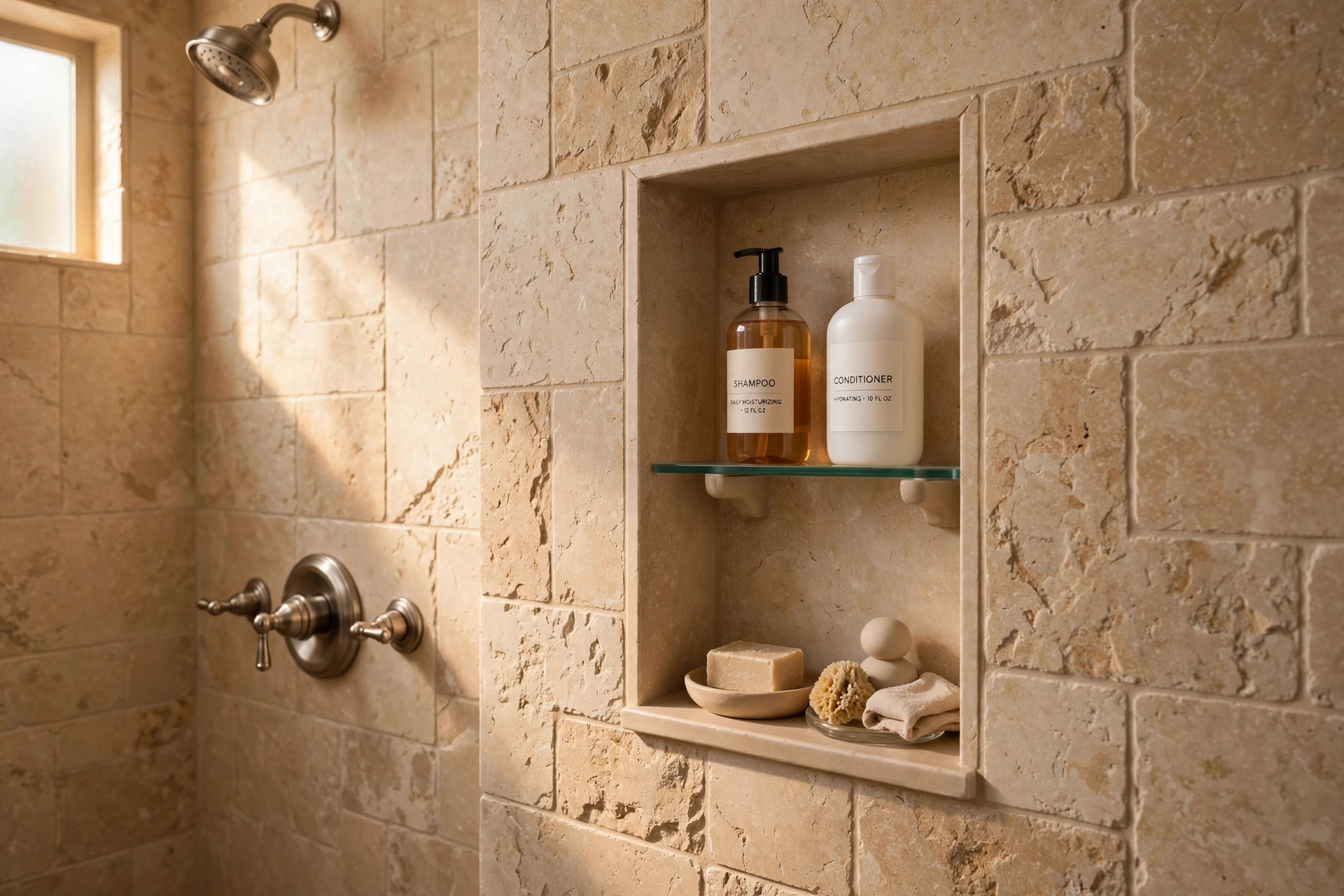

Shower niche inserts Texas homes USA shoppers buy are small shelves set into the shower wall. They hold shampoo, soap, and razors. They keep bottles off the floor. They look clean and built in. Texas homes, from new houses in Houston to older ranch homes in Dallas, often have large showers. A niche insert fits that style well. This guide explains what these inserts are, how to choose one, what they cost in Texas, and how to keep them in good shape.
Why Shower Niche Inserts Matter
A shower niche is a box set into the wall of a shower. It creates a shelf inside the wall. Bottles sit on it. Nothing hangs from the shower head. Nothing clutters the tub edge.
Texas homes often have big bathrooms. Many new homes in Austin, San Antonio, and Fort Worth have walk-in showers with no tub. A walk-in shower gives wall space. That wall space can hold a niche. The niche keeps the shower tidy. It also adds value to the home. Buyers like a clean look. A built-in shelf beats a plastic caddy that hangs from a pipe.
A niche also helps with safety. Bottles on the shower floor are a trip risk. People step on them. A shelf in the wall keeps the floor clear. Older people and children benefit from this. Grab bars help too, but a clear floor is the first step.
Types of Shower Niche Inserts: Shower Niche Inserts Texas Homes Usa
Three main types exist. Each fits a different kind of shower.
Prefabricated Niche Inserts
These are ready-made boxes. They come in plastic, stainless steel, or coated metal. The installer cuts a hole in the wall and sets the box in. The box has a back panel and shelves. Many come with two or three shelves.
Prefabricated inserts are the easiest choice. A do-it-yourself homeowner can install one in a day. They work with tile, acrylic, and fiberglass walls. Many Texas home improvement stores carry them. You can browse common designs at Home Depot or Lowe’s.
Tiled Niche Inserts
These use tile to line the niche. The builder frames a box in the wall. Then the installer tiles the inside. The shelves match the wall tile around the shower. The result looks custom and high end.
Tiled niches cost more. They take more time. But they last a long time. They fit luxury remodels well. Many tile makers give tips on layout at The Spruce.
Metal and Stone Box Inserts
These are slim boxes made of brushed metal or stone. Some use marble or quartz. They sit flat against the wall or slightly recessed. They suit modern Texas homes with clean lines. They resist rust. They wipe clean with little work.
What to Look for When You Choose One
Size matters first. Measure your bottles. A tall shampoo bottle needs about ten inches of height. A wide niche holds more, but a niche that is too wide can weaken the wall. Most niches are twelve to sixteen inches wide. That suits most homes.
Material matters next. Stainless steel resists rust. It suits Texas water, which can be hard in many cities. Plastic is cheap and light. It works, but it can stain over time. Stone looks rich. It costs more and weighs more. Tile blends with the wall.
Depth is another point. A niche should be at least three inches deep. Four inches is better. Deep shelves hold big bottles without them falling out. Shallow shelves look neat but fit less.
Waterproofing is the most important point. Water must not get behind the niche. A good insert seals to the wall. The installer must caulk the edges. The back of the niche should tilt slightly toward the shower. That lets water drain out. Poor sealing causes mold and rot in the wall. Guides at This Old House show how pros handle this step.
Shelves should be adjustable if you can get them. Families change products. Kids grow. Adjustable shelves adapt. Fixed shelves are fine for one or two adults.
Finish should match your fixtures. Chrome, brushed nickel, and matte black are common. Many Moen and Delta faucets come in these finishes. Match the niche trim to the faucet for a planned look.
Lighting is a nice extra. Some niches have a small LED strip along the top. It lights the bottles and adds a soft glow at night. Battery lights work in a pinch. Wired lights need an electrician. They cost more, but they last.
One-piece units suit renters and quick flips. They screw to the wall with no cutting. They do not sit inside the wall, so they jut out a few inches. They still beat a hanging caddy. For a home you plan to keep, a true recessed insert looks better and lasts longer.
How to Plan the Size and Spot
Place the niche on a side wall of the shower. Do not place it on the wall that holds the shower head. Water hits that wall the most. A side wall stays drier. It also faces the user. Bottles are easy to reach.
Height matters too. Put the bottom shelf at chest height. That is about four feet from the shower floor for most adults. For a family with children, add a lower shelf at about two and a half feet. Everyone can reach what they need.
Check the wall before you cut. Walls hold pipes and wires. Use a stud finder. Mark the studs. The niche must fit between two studs. Standard studs sit sixteen inches apart. That sets your max width. If a pipe runs through the wall, pick another wall.
In Texas homes with concrete block walls, cutting is harder. A mason or a tile pro should do the work. The cost is higher, but the result is safe.
Think about the number of users. One person needs one or two shelves. A family of four may need a tall niche with three or four shelves. Plan for growth. A guest bath may need only a small niche.
Cost and Price in Texas Homes
Prices vary by type and by who does the work. Here are rough ranges seen in Texas in recent years.
A basic plastic or metal insert costs twenty to sixty dollars. A stainless steel box costs sixty to two hundred dollars. A stone or marble box can cost two hundred to five hundred dollars.
Labor adds more. A pro charges one hundred fifty to four hundred dollars to cut and set a simple insert in a tile wall. A full tiled niche with custom work can cost five hundred to one thousand dollars. This includes framing, waterproofing, tile, and grout.
A do-it-yourself job saves labor cost. The insert plus caulk and tools may total under one hundred dollars. But mistakes cost more. A leak behind the wall can rot wood and breed mold. Repair of that damage can run into the thousands.
Get two or three quotes from local pros. Texas cities have many bathroom remodelers. Check reviews before you hire. Big-box retailers list fixture lines from Kohler and American Standard that pair well with niches.
Installation Basics
You can do a simple install yourself if the wall is tile or drywall. Here is the basic order of work.
First, mark the spot. Use a level. Draw the outline of the insert on the wall. Check for studs, pipes, and wires. Second, cut the opening. Use an oscillating tool or a drywall saw. Cut with care. Third, test fit the insert. It should slide in snug. Fourth, apply sealant around the back edge. Push the insert in. Fifth, screw or clip it in place per the maker guide. Sixth, caulk all edges where the insert meets the wall. Smooth the caulk line. Seventh, let it cure for a full day before you use the shower.
For a tiled niche, the steps add framing and tile work. Frame the box with wood or metal studs. Cover it with cement board. Apply a waterproof membrane. Then tile the inside. Grout and seal. This job suits a pro or a skilled do-it-yourself worker.
Never skip waterproofing. Water in the wall is the main cause of niche failure. Use silicone caulk made for bathrooms. Re-caulk when the old caulk cracks.
Care and Upkeep
Niches are easy to care for. Wipe them once a week. Use a mild cleaner. Do not use harsh acid cleaners on metal. They can dull the finish.
Texas hard water leaves white spots. Vinegar and water cut through them. Spray, wait five minutes, and wipe. Rinse well. Dry the shelves after heavy use. Standing water breeds mildew.
Check the caulk twice a year. Look for gaps or cracks. Pull out old caulk and lay a fresh bead when needed. This takes fifteen minutes. It stops leaks.
Empty the niche now and then. Toss old bottles. This keeps the shelf clean and lets you see problems early. Rust spots on metal mean the coating has worn. A clear sealant can slow it down.
Safety
Keep the niche free of glass bottles. Glass breaks. Broken glass in a shower is a bad injury risk. Use plastic or metal bottles instead.
Do not overload the shelf. Heavy stacks can fall. Keep the heaviest bottles on the lowest shelf. Put razors in a holder, not loose on the shelf.
Make sure the niche edges are smooth. Cheap metal inserts can have sharp edges. Run a finger along the rim after install. File down any sharp spot.
For older users, pair the niche with shower grab bars. Reaching for a bottle should not mean losing balance. Bob Vila and HGTV both offer guides on safer bath layouts.
FAQ
What is a shower niche insert?
It is a ready-made shelf box set into the shower wall. It holds bath products. It looks built in and keeps the shower floor clear.
How much do shower niche inserts cost in Texas?
The insert itself costs twenty to five hundred dollars. Pro install adds one hundred fifty to one thousand dollars. A do-it-yourself job can cost under one hundred dollars in parts.
Can I install a niche insert myself?
Yes, if the wall is drywall or tile and no pipes sit behind it. Follow the maker steps. Seal all edges with bathroom caulk. Call a pro for block walls or tricky plumbing.
What size niche should I get?
Twelve to sixteen inches wide and at least three inches deep suits most showers. Measure your tallest bottle first. Add a second shelf for families.
Do niche inserts leak?
They can if sealed poorly. Water gets behind the box and rots the wall. Good caulk and a slight forward tilt stop this. Check the seal twice a year.
Which finish lasts longest in Texas water?
Stainless steel and stone hold up best against hard water. Wipe them dry after use. Avoid harsh cleaners that strip coatings.
A Final Word
A shower niche insert is a small upgrade with a big payoff. It clears the shower floor. It keeps bottles in reach. It adds a finished look that Texas home buyers like. Pick the right size and material. Seal it well. Keep it clean. With that care, the niche will serve the home for many years. It is one of the simplest ways to make a Texas bathroom feel new again. For more fixture ideas, browse the bath lines at Kohler and Moen before you plan your remodel.
References
American Standard. (n.d.). Bathroom and kitchen products. https://www.americanstandard.com Bob Vila. (n.d.). Home improvement advice. https://www.bobvila.com Delta Faucet. (n.d.). Kitchen and bathroom faucets. https://www.deltafaucet.com HGTV. (n.d.). Home and garden ideas. https://www.hgtv.com Kohler. (n.d.). Bathroom and kitchen fixtures. https://www.kohler.com Lowe’s. (n.d.). Home improvement products. https://www.lowes.com Moen. (n.d.). Faucets and plumbing fixtures. https://www.moen.com The Home Depot. (n.d.). Home improvement products. https://www.homedepot.com The Spruce. (n.d.). Home and garden advice. https://www.thespruce.com This Old House. (n.d.). Home renovation guidance. https://www.thisoldhouse.com
Was this guide helpful?

About Jennifer Lee
The My Garden US editorial team writes practical, in-depth home and garden guides for American homeowners — tested advice, no fluff.
You May Also Like
Freestanding Soaking Tubs: Where to Buy in the USA
March 8, 2026 0 views
Shower Niche Inserts for California Homes: A Plain Guide
August 21, 2026 0 views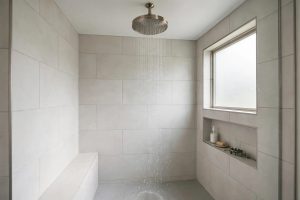
Rain Shower Heads: How to Find the Best USA Online Deals
July 23, 2026 0 views