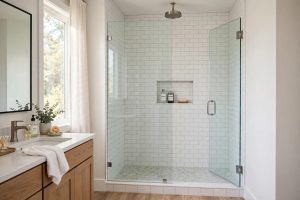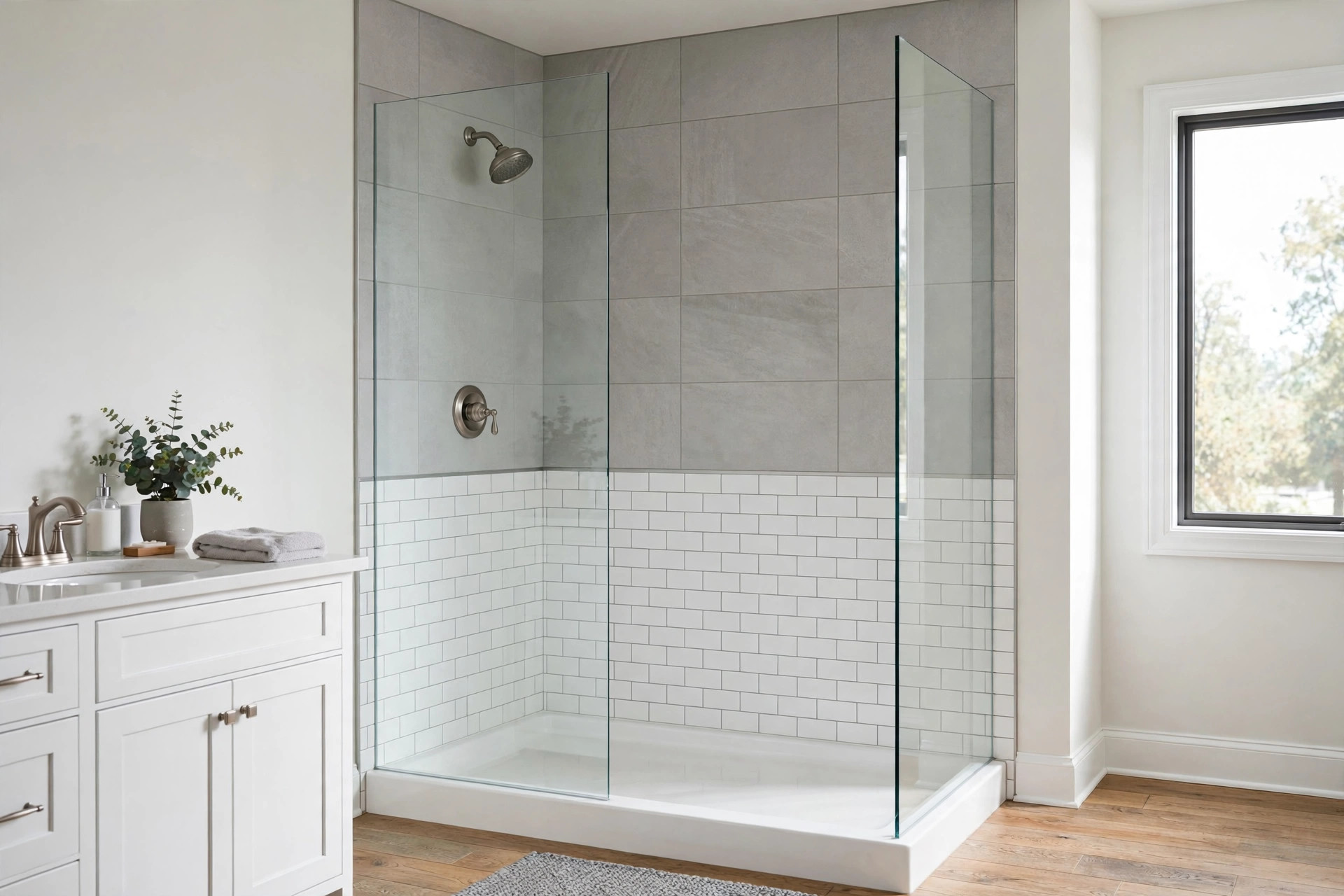

The market for walk in shower kits for sale USA keeps growing year after year. More homeowners now trade their old tubs for open, step-in showers. They want a bathroom that looks clean and modern. They also want a shower that is safer for old age and easier to clean. A kit makes the job simpler. It bundles the base, walls, door, and drain in one box. You do not have to hunt for parts that fit together. This guide explains what these kits are, how to pick one, what they cost, and how to keep them in good shape.
Why a Walk In Shower Matters
A walk in shower has no tub wall to step over. The floor is nearly flat. You walk in and turn on the water. That simple design helps many people.
Older adults gain from it. A high tub edge is a fall risk. A walk in shower cuts that risk. Young children gain too. A parent can sit a child on a small stool in the open space. Busy families gain from quick cleaning. There are no tight tub corners where soap film hides.
Looks matter as well. An open shower makes a small bathroom feel larger. Glass walls let light move across the room. Tile or solid wall panels give a clean finish. When buyers tour a home, a walk in shower often draws a nod of approval. It can raise the value of a modest bathroom. Hotel-style bathrooms have pushed the trend too. Guests see open showers on trips and want the same look at home.
What to Look for When You Buy: Walk in Shower Kits for Sale Usa
Before you order, study the facts. A good kit fits your space and your water system. A bad kit leads to leaks and regret.
Measure Your Space
Kits come in set sizes. Common sizes are 32 by 32 inches, 36 by 36 inches, 48 by 32 inches, and 60 by 32 inches. Measure the spot where the old tub or shower sat. Measure the door swing of the bathroom. Note where the drain sits in the floor. A kit must match the drain location. Moving a drain pipe costs real money.
Also check the ceiling height. Most kits need about 80 inches of clear height. Wall panels and glass must clear any low soffit.
Check the Base
The base is the heart of the kit. Look for a solid one-piece base with a slight slope to the drain. A good base feels firm underfoot. Some bases have a textured floor that grips wet feet. This is worth the extra cost.
Kits fall into two base styles. A low-threshold base has a lip of two or three inches. A zero-entry base sits flush with the floor. Zero entry is the safest choice. It needs a tile-ready pan and careful slope work. Many do-it-yourself buyers pick the low-threshold style. It is easier to set level.
Look at the Walls and Door
Wall panels come in acrylic, fiberglass, solid surface, or tile-ready backer. Acrylic walls are light and low cost. Solid surface walls look like stone and clean fast. Tile-ready kits let you set your own tile for a custom look.
Doors matter for splash control. Some kits include a glass door. Others use an open design with a glass panel only. A fixed panel plus a small door is a popular middle choice. Thick glass, such as 3/8 inch, feels strong and swings well. You can also read our guide on frameless shower doors for sale usa to compare door styles.
Study the Valve and Shower Head
Many kits include a valve and shower head. Some do not. Read the parts list before you buy. If the kit lacks a valve, you must buy one that fits your pipe size. Most American homes use half-inch supply lines.
A pressure-balance valve keeps the water temperature steady when a toilet flushes. A thermostatic valve holds an exact set point. Both are fine for home use. For shower head styles, see rain shower heads buying guide usa for a full review of options.
Types of Kits on the Market
Shower kits are not all alike. The main split is between prefabricated kits and tile-ready kits.
Prefabricated Kits
A prefabricated kit ships with walls ready to install. The panels snap or glue to the studs. The base sets in mortar or on a level subfloor. These kits go up fast. A handy homeowner can finish one in a weekend.
Fiberglass kits are the cheapest. They dent and fade with age. Acrylic kits last longer and resist stains. Solid surface kits cost more but look like real stone. Brands like Kohler, American Standard, and Delta Faucet sell full kits through big stores such as Home Depot and Lowe’s.
Tile-Ready Kits
A tile-ready kit gives you a waterproof pan and a backer board. You set the tile yourself. This takes longer. The result looks like a custom shower. It also lets you pick any tile you like.
Tile-ready kits suit people who want a high-end look on a mid-range budget. The pan must be set level. The tile slope must send water to the drain. Take your time with the slope. Poor slope means standing water.
Corner Kits and Alcove Kits
Corner kits fit into a corner with two glass sides. They save floor space. Alcove kits fit between three walls. They use one glass front. Measure twice. A corner kit needs square walls. Old houses often have walls that are not quite square.
Cost and Price
Prices for walk in shower kits for sale USA run wide. A small fiberglass kit can cost 400 to 700 dollars. A mid-range acrylic kit with a glass door runs 900 to 1,800 dollars. A large solid surface kit can pass 2,500 dollars.
These are kit prices only. Add plumber time if you hire help. A plumber may charge 500 to 1,500 dollars to set the base and tie in the drain. Add tile work for tile-ready kits. Tile labor runs 1,000 to 3,000 dollars in many areas.
Do not forget small parts. You may need a new drain assembly, sealant, shims, and a shower arm. A new valve can add 80 to 300 dollars. Faucet makers like Moen and Delta Faucet publish price lists on their sites to help you plan.
Sales help. Big box stores run bathroom sales in spring and fall. Watch for package deals that bundle the kit with a valve. Read the fine print. Some sale prices apply only to online orders.
Care and Upkeep
A walk in shower stays clean with small, steady habits. Squeegee the glass after each shower. This takes one minute. It stops hard water spots before they form.
Use a mild cleaner on the walls. Avoid harsh acids on acrylic and fiberglass. They dull the finish. For grout in tile showers, scrub once a week with a soft brush. Reseal grout once a year.
Check the sealant lines twice a year. The bead of caulk where the base meets the wall takes abuse. If it cracks, cut it out and lay a fresh bead of pure silicone. This is the cheapest leak insurance you can buy.
Keep the drain clear. Hair builds up fast in a shower drain. Pull the drain cover once a month and clear the trap. A simple plastic hair tool costs a few dollars and saves a service call.
Good air flow helps too. Run the bath fan during the shower and for twenty minutes after. Dry air stops mold. If your fan is weak or loud, see quiet exhaust fans buying guide usa for replacement ideas.
For storage, a small wall niche keeps bottles off the floor. See shower niche inserts buying guide usa for options that fit standard kits. Design help from HGTV and The Spruce can spark ideas for layout and color.
Safety
Safety is a top reason people buy these kits. A few details make the shower safer still.
Pick a base with a textured, slip-resistant floor. Many kit makers rate their bases for slip resistance. Ask for the rating before you buy.
Add grab bars. A bar near the entry and one on the back wall give steady handholds. Bars must screw into studs or solid blocking. Suction-cup bars are not safe for full body weight. For more on bar placement, read shower grab bars buying guide usa.
Set the water heater to 120 degrees. This cuts scald risk. A pressure-balance or thermostatic valve adds a second layer of guard.
Good light helps. A bright, damp-rated light over the shower keeps the floor visible. Keep a small bench or fold-down seat for anyone who tires while standing. A handheld shower wand on a slide bar lets a seated person rinse with ease.
The federal safety site CPSC is not in our bathroom list, but general home safety guidance from This Old House and Bob Vila covers grab bar mounting and wet-area rules in plain terms.
Frequently Asked Questions
Can I install a walk in shower kit myself?
Many homeowners can. A prefabricated kit with a set base is a fair weekend project if you know basic plumbing. You need to set the base level, tie in the drain, and seal every joint. If the drain must move, call a plumber. Tile-ready kits take more skill. Be honest about your limits. A leak inside a wall costs far more than a day of hired labor.
How long does a kit last?
A fiberglass kit lasts about 10 to 15 years. An acrylic kit lasts 15 to 25 years with care. A solid surface kit can last 25 years or more. Tile showers last as long as the grout and sealant hold. Clean gently and fix caulk on time. The kit will pay you back in years of service.
Do walk in shower kits need a door?
Not always. Many open designs use one fixed glass panel. The panel blocks most spray. A full door holds in more steam and splash. It also keeps the room warmer. In a small bath, a door swing may hit the toilet or vanity. A sliding door or an open panel solves that.
Will a walk in shower raise my home value?
In most markets, yes. Buyers like the modern look and the easy entry. A clean, well-done walk in shower beats an old stained tub. Keep the work neat. Sloppy tile or a wobbly door will hurt more than help.
What size kit should I buy?
Pick the largest size your room allows. A 32-inch square shower feels tight. A 36-inch square is more comfortable. A 60-inch by 32-inch kit gives real elbow room. Match the kit to your existing drain spot when you can. Moving the drain adds cost and time.
Are these kits good for wheelchair users?
Many are. A zero-entry base with a wide opening works well with a shower chair. Check the opening width. Aim for at least 32 inches of clear entry. Add grab bars and a handheld wand. For full wheelchair rules, check local building codes before you buy.
A Final Word
Walk in shower kits for sale USA give you a simple path to a better bathroom. You get matched parts, clear steps, and a known price. Measure well. Pick a base you trust. Seal every joint. Keep up with small cleaning habits. Do those things, and your shower will serve your home for many years.
References
American Standard. (n.d.). Bathroom and kitchen products. https://www.americanstandard.com Bob Vila. (n.d.). Home improvement advice. https://www.bobvila.com Delta Faucet. (n.d.). Kitchen and bathroom faucets. https://www.deltafaucet.com HGTV. (n.d.). Home and garden ideas. https://www.hgtv.com Kohler. (n.d.). Bathroom and kitchen fixtures. https://www.kohler.com Lowe’s. (n.d.). Home improvement products. https://www.lowes.com Moen. (n.d.). Faucets and plumbing fixtures. https://www.moen.com The Home Depot. (n.d.). Home improvement products. https://www.homedepot.com The Spruce. (n.d.). Home and garden advice. https://www.thespruce.com This Old House. (n.d.). Home renovation guidance. https://www.thisoldhouse.com U.S. Consumer Product Safety Commission. (n.d.). Product safety information. https://www.cpsc.gov
Was this guide helpful?

About Sarah Mitchell
The My Garden US editorial team writes practical, in-depth home and garden guides for American homeowners — tested advice, no fluff.
You May Also Like
Quiet Exhaust Fans Buying Guide USA
January 15, 2026 0 views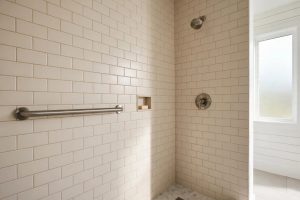
Shower Grab Bars California Homes USA: A Complete Safety Guide
March 21, 2026 0 views
Freestanding Soaking Tubs Texas Homes USA: A Practical Buyer’s Guide
July 29, 2026 0 views