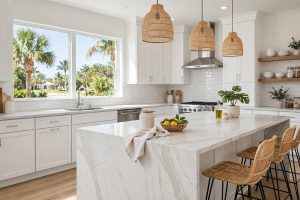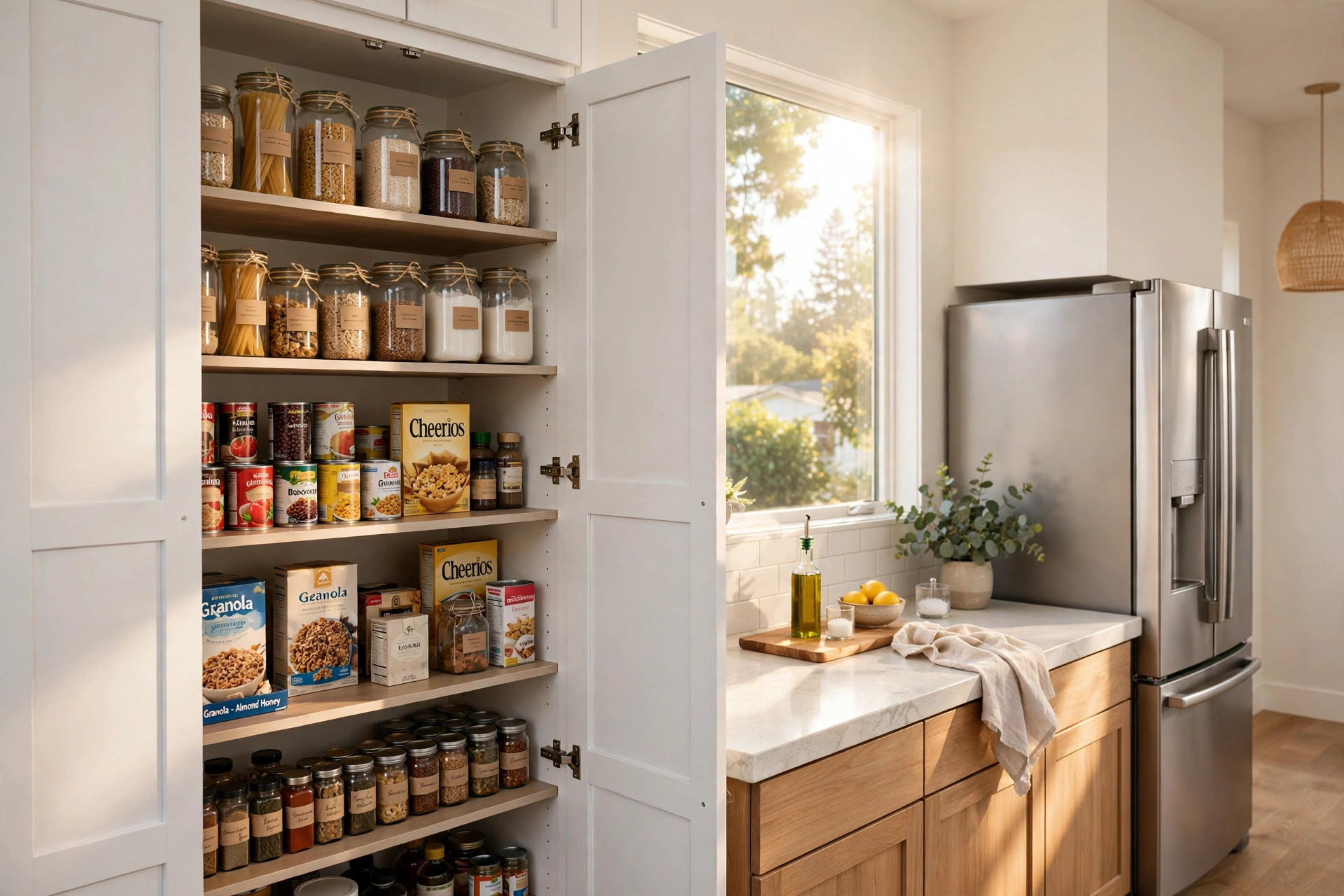

The phrase kitchen pantry cabinets california homes usa points to a simple need. Homeowners in the Golden State want more food storage, and they want it close at hand. A pantry cabinet holds dry goods, canned food, cereals, spices, and small tools. It keeps the kitchen neat. It cuts down on trips to the garage or the hall closet. Many California kitchens are small, so smart storage matters even more.
California homes come in many forms. There are ranch houses from the 1950s, Spanish style bungalows, new condos near the coast, and tall homes in the hills. Each type has its own kitchen layout. A pantry cabinet that fits a ranch house may not fit a condo. The right choice depends on space, style, and budget. This guide walks through the main points so you can pick with care.
Why It Matters
A good pantry cabinet changes daily life in the kitchen. When food has a clear place, cooking takes less time. You can see what you have. You waste less food. Shopping lists get shorter and more exact. Families in California often shop once a week and stock up. A pantry cabinet makes that habit work well.
The climate plays a part too. Summers in the Central Valley and the south can be hot. Canned goods and grains keep best in a cool, dark space. A pantry cabinet with solid doors gives that shade. It also keeps light off spices, which lose their taste when they sit in the sun. Coastal homes face damp air. A cabinet set away from the range and the sink helps keep dry goods dry.
Storage also affects home value. In This Old House kitchen remodel guides, added storage is a common theme in resale advice. California buyers look at kitchens first. A home with a well built pantry reads as a home that is cared for. Even a simple tall cabinet near the fridge can lift the whole look of the room.
There is a daily comfort factor as well. Counters stay clear when there is a place for everything. Bread boxes, cereal boxes, and snack bags no longer crowd the work surface. Meal prep feels calm. Guests see a tidy kitchen. These small wins add up over years of use.
How to Choose: Kitchen Pantry Cabinets California Homes Usa
Start with the space you have. Measure the spot where the cabinet will go. Take the height, width, and depth. Check that doors can open fully. In narrow California condos, a cabinet that is 18 inches deep may work better than a full 24 inch unit. Leave room for baseboard and door swing. Write the numbers down before you shop.
Think about what you store. A family with kids may need room for snacks, cereal boxes, and lunch supplies. A baker needs deep shelves for flour, sugar, and mixing bowls. Someone who cans tomatoes needs space for jars. List your main items. Then pick shelf spacing that fits them. Adjustable shelves help most homes, since needs change over time.
Match the style of the kitchen. White Shaker doors suit farmhouse and cottage kitchens. Flat slab doors suit modern homes in Los Angeles or the Bay Area. For a Spanish style home, a stained wood cabinet with simple lines fits the mood. The GE Appliances design resources show how cabinet finish and appliance finish can work as one plan. A pantry cabinet that matches the other cabinets looks built in, even when it is not.
Set a firm budget. Prices run from under two hundred dollars for a simple freestanding unit to several thousand for custom built work. Know your top number before you visit a store. The Home Depot and Lowe’s carry stock pantry cabinets in many sizes, which keeps cost down. Custom shops in California can match odd sizes, but the price rises fast.
Measure Twice
Measure the wall, the ceiling height, and the floor level. Old California homes often have floors that slope a little. Note the door swing of nearby rooms. Check the path from the delivery truck to the kitchen. A tall cabinet must fit through doorways and hall turns. These checks take twenty minutes and prevent a hard day later.
Pick the Right Depth
Full depth cabinets (about 24 inches) hold the most. They work when wall space is wide. Shallow cabinets (12 to 18 inches) keep small jars and cans within reach. Many cooks like shallow pull out units because nothing hides in the back. Pick depth to match what you store most.
Types and Options
Freestanding Pantry Cabinets
A freestanding unit stands on its own. It can move with you. This is a good choice for renters in California cities, where kitchen remodels are not always allowed. Prices are low. Styles range from farmhouse pine to modern white. The main drawback is size. Most freestanding units are narrower than built in ones.
Built-In Pantry Cabinets
A built in pantry becomes part of the kitchen. A carpenter or cabinet shop builds it to fit the wall. It can run floor to ceiling. It can match the other cabinets exactly. Built in units raise home value most. They cost more and take longer to install. Homeowners who plan to stay for years often pick this route. The This Old House site shows many built in kitchen projects that help set expectations for cost and time.
Walk-In Pantries
Some California homes, mainly larger ranch and new builds, have room for a walk in pantry. This is a small room or a deep closet lined with shelves. Walk ins hold bulk goods from warehouse clubs, which are popular across the state. They need a door and good lighting. They cost more to build, but they hold the most food of any option.
Pull-Out and Narrow Units
Pull out pantry cabinets are tall and narrow. The whole shelf set slides out on runners. They fit gaps as small as nine inches. They suit galley kitchens common in older California homes. Consumer Reports tests storage hardware such as runners and hinges, which helps when picking parts that last. Pull outs keep every jar in view. The cost is higher than a plain shelf unit, but the access is excellent.
Corner and Closet Conversions
A hall closet near the kitchen can become a pantry. Add adjustable shelves and a light. A corner unit with a lazy susan can use dead space. These options reuse what the home already has. They are common in mid century ranch homes with spare closets. The work is simple and the cost stays low.
Cost and Price
For kitchen pantry cabinets in California homes, prices vary by type and finish. A small freestanding cabinet often runs from 150 to 500 dollars. A stock tall cabinet from a home center often runs from 400 to 1,200 dollars. Semi custom units with better wood and soft close doors run from 1,000 to 2,500 dollars. Full custom built in pantries can run from 2,500 to 8,000 dollars or more, based on size and wood species.
Labor adds to the total. A simple install may take a few hours. A built in job may take days. In California cities, labor rates run higher than in many other states. Get two or three quotes in writing. Ask each bidder what the price covers. Ask about haul away of the old unit. Clear quotes prevent surprise fees.
There are ways to save. Stock sizes cost less than custom sizes. Paint grade wood costs less than stain grade hardwood. Ready to assemble units cost less than assembled ones, though they need your time. Watch for sales at big stores in spring and fall. A Bosch style clean lined kitchen pairs well with plain slab pantry doors, which are often the least costly custom option.
Think about long term value as well. A cheap cabinet with weak hinges may sag in two years. A mid range unit with solid plywood boxes can last twenty years. Spend where it counts: boxes, hinges, and runners. Save where it shows less: simple knobs instead of costly pulls.
Care and Upkeep
Keep the pantry dry. Wipe spills soon. Check cans for rust twice a year. In damp coastal areas, leave a small gap at the back of shelves for air flow. A box of baking soda inside helps with odors. Do not store cleaning chemicals with food. Keep them in a separate cabinet.
Clean shelves with a damp cloth and mild soap. Avoid harsh cleaners on painted doors. Oil hinges once a year with a drop of light oil. Tighten loose screws before doors sag. If a shelf bows under heavy cans, flip it over or replace it with a thicker shelf. These small tasks take little time and add years of life.
Watch for pests. California homes can face ants and pantry moths. Store flour, rice, and cereal in sealed jars. Check dates and toss old goods. Clean crumbs from shelf edges. If moths appear, empty the shelves, vacuum the cracks, and wash the shelves with hot soapy water. Bob Vila DIY guides cover simple home pest steps like these in plain terms.
Safety
Tall pantry cabinets must be fixed to the wall. California sits on fault lines, and a strong shake can topple a tall unit. Use anti tip straps or L brackets into a wall stud. This step is vital in homes with children. The U.S. Consumer Product Safety Commission warns about furniture tip over risk and backs the use of wall anchors. The task takes minutes with a stud finder and a drill.
Keep heavy items low. Cans and jars belong on the lower shelves. Light goods like chips and bread go up high. This lowers the center of gravity and makes the cabinet safer. Place a step stool nearby if high shelves are hard to reach. Do not climb on shelves or on the counter to reach the top.
Check the lighting. If the pantry has a light, use a cool bulb with low heat. ENERGY STAR lists efficient bulbs that give good light with little heat. Keep paper and food away from the bulb. For walk in pantries, a door switch that turns the light off is a smart touch.
Frequently Asked Questions
How tall should a pantry cabinet be? Most pantry cabinets run from 72 to 96 inches tall. Pick a height that matches the other tall cabinets in the kitchen. In rooms with eight foot ceilings, an 84 or 90 inch unit works well. Taller units give more storage but need a step stool for the top shelf.
Can I add a pantry cabinet to a small kitchen? Yes. Pick a narrow pull out unit or a shallow freestanding cabinet. Use the full height of the wall. Move rarely used items to a closet to free kitchen space. Even a 12 inch wide unit adds useful room for cans and spices.
Should pantry doors be solid or glass? Solid doors hide clutter and block light. They suit busy family kitchens. Glass doors show off neat jars and add style. They need tidier shelves. Many California homeowners pick solid doors for the main pantry and glass for a small display section.
How do I match a new pantry to old cabinets? Bring a door or a drawer front to the paint store for color matching. Many shops can match common white and wood tones. If a match is not possible, paint the pantry a soft contrast color. A dark green or navy pantry can look planned and stylish against white cabinets. The Spruce has design ideas for mixed cabinet colors.
Is a walk in pantry worth the cost? It depends on how you shop. Bulk buyers who stock up gain the most. A walk in needs at least a 4 by 4 foot area to work well. If the kitchen is small, a tall pull out cabinet gives good storage for less money. Weigh the cost against how much food you store at one time.
What wood holds up best in a pantry? Plywood boxes with hardwood doors hold up best. Plywood resists warping in heat and damp air. Solid wood doors take paint and stain well. Avoid thin particle board for shelves that will hold cans. It can sag and break over time.
Final Word
A pantry cabinet is one of the simplest upgrades in a kitchen. It adds order. It saves time. It fits the way California families shop and cook. Measure well, fix tall units to the wall, and pick shelves that suit your goods. Whether you buy a stock cabinet from The Home Depot or have one built by a local shop, the result is the same: a calmer, neater kitchen. Pair it with a smart quartz countertop installation plan, fresh kitchen backsplash tiles, and comfortable kitchen island seating for a full kitchen refresh. Start with the space you have, spend where it counts, and enjoy the change.
References
Bob Vila. (n.d.). Home improvement advice. https://www.bobvila.com Bosch. (n.d.). Home appliances. https://www.bosch-home.com Consumer Reports. (n.d.). Product reviews and ratings. https://www.consumerreports.org ENERGY STAR. (n.d.). Energy efficient products. https://www.energystar.gov GE Appliances. (n.d.). Kitchen and home appliances. https://www.geappliances.com Lowe’s. (n.d.). Home improvement products. https://www.lowes.com The Home Depot. (n.d.). Home improvement products. https://www.homedepot.com The Spruce. (n.d.). Home and garden advice. https://www.thespruce.com This Old House. (n.d.). Home renovation guidance. https://www.thisoldhouse.com U.S. Consumer Product Safety Commission. (n.d.). Product safety information. https://www.cpsc.gov
Was this guide helpful?

About David Wilson
The My Garden US editorial team writes practical, in-depth home and garden guides for American homeowners — tested advice, no fluff.
You May Also Like
Microwave Drawer Units Texas Homes USA: A Practical Buying Guide
August 4, 2026 0 views
Pot Filler Faucets Reviews and Buying Guide for USA Kitchens
August 31, 2026 0 views
Double Wall Ovens Reviews and Buying Guide USA
March 16, 2026 0 views