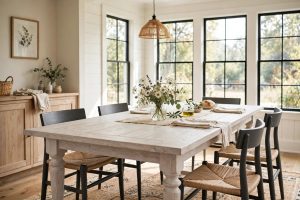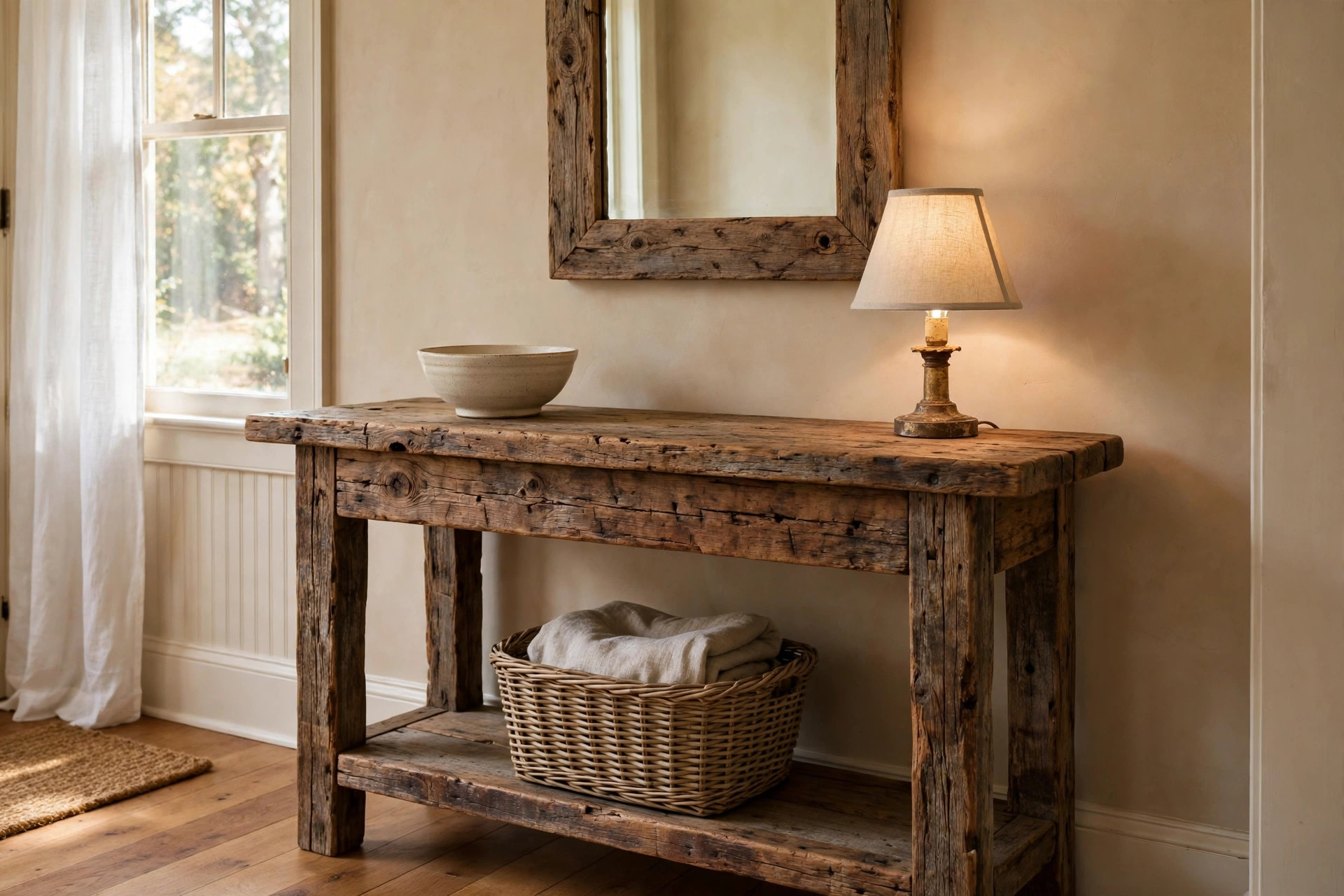

This rustic console tables reviews buying guide usa is written for the American shopper who wants one clear answer. A console table is a long, narrow table. You place it against a wall. It fills an empty hall, an entryway, or the space behind a sofa. The rustic style gives it a rough, warm look. It uses real wood. It shows the grain. It shows knots and small marks. These marks are the point. They make each table look made by hand.
The market is wide. Prices start near fifty dollars. They climb past one thousand dollars. Materials differ. Woods differ. Finishes differ. Reviews differ even more. Some buyers love their table. Others find it wobbly, or smaller than they hoped. This guide walks you through the facts. It draws on widely read consumer reviews, retailer listings, and design guides. By the end, you will know what size to buy, what wood to trust, what to pay, and how to care for the piece.
Why a Rustic Console Table Matters in an American Home
The entryway sets the tone of a home. It is the first thing guests see. An empty wall there looks cold. A console table fixes that. It holds keys, mail, and a small lamp. It gives the room a center. It does this without taking much space. Most console tables are only twelve to sixteen inches deep.
Behind a sofa, the table has another job. It turns the back of the sofa into a shelf. You can set a book there. You can set a drink there. In open rooms, it draws a line between the sitting area and the hall. Interior designers praise this trick. Home guides from HGTV and Apartment Therapy repeat it often. A console table divides space without a wall.
The rustic look adds warmth. Modern rooms can feel hard. Glass and chrome can feel cold. Wood with a rough finish softens the room. It suits farmhouse homes. It suits cabins. It suits city lofts that want a farm touch. Reviews from buyers across the United States show a pattern. People pick rustic tables for the feeling they give. The wood looks lived in. The room feels settled.
What to Look For When You Choose: Rustic Console Tables Reviews Buying Guide Usa
Measure first, buy second
Size errors are the top complaint in reviews. A buyer expects a large table. The box holds a small one. Measure your wall. Write down the numbers. Then shop.
A standard console table is 30 to 36 inches high. It is 48 to 60 inches long. It is 12 to 16 inches deep. For an entryway, leave three feet of clear walk space in front of the table. For a table behind a sofa, match the height of the sofa back. A table much taller than the sofa looks wrong.
The wood
Rustic tables use several woods. Pine is common. It is soft. It dents with ease. It costs less. Oak is harder. It takes wear better. It costs more. Reclaimed wood comes from old barns and factories. It has nail holes and saw marks. Each board is unique. Mango wood and acacia are also used. They are hard and take stain well.
Check the listing. Real solid wood lasts. Veneer over particle board does not. Reviews punish veneer tables. The surface peels. The edges chip. A solid wood top can be sanded and refinished. A veneer top cannot.
The finish
Distressed finishes show wear on purpose. The maker sands edges. The maker rubs dark wax into corners. This fakes age. Hand-scraped finishes show tool marks. Stained finishes darken the wood. Natural oil finishes leave the wood matte and dry to the touch.
Pick a finish for your life. A busy home with kids needs a hard finish. A dark stain hides marks. A light, dry oil finish marks with every glass. It can be oiled again. That is easy work. But it is work.
Joinery and stability
Rock the table in the store, or read reviews about wobble. Good tables use mortise and tenon joints. Good tables have a lower shelf that stiffens the frame. Cross braces at the back add strength. Cheap tables use small screws and thin legs. They sway. They fail in a year.
Storage needs
Some console tables are open. They have only a top and a lower shelf. Some have drawers. Some have cabinets. Drawers hide clutter. They add cost. They add weight. If you need a drop spot for mail and keys, one drawer helps. If the table is only for looks, open shelves are fine.
Types and Options
The classic farmhouse console
This is the most reviewed type. It has thick legs. It has a wide top. It has a lower shelf or slats. The finish is distressed white, gray, or natural brown. It fits entryways. It fits dining rooms. Buyer reviews rate these well for the price. Many cost between one hundred and three hundred dollars.
The reclaimed barn wood console
Each board comes from old timber. No two tables match. The price is higher. Many cost three hundred to eight hundred dollars. Reviews praise the character. Some buyers note strong smell at first. The smell fades in a few weeks. Air the room.
The industrial rustic console
This type mixes wood with black metal. The legs are iron. The frame is iron. The top is wood. It suits lofts and modern rooms. Reviews note great strength. The metal frame rarely wobbles. Watch the weight. These tables are heavy. Moving them needs two people.
The narrow hallway console
Some halls are tight. Narrow consoles are ten to twelve inches deep. They fit behind doors. They fit in small apartments. Reviews from city buyers love them. They hold a lamp and a bowl. They do not block the walk. Measure twice. Even a few inches matter in a narrow hall.
The rustic console with drawers
Drawers add function. They hide remotes. They hide bills. They hide keys. Drawer quality varies. Read reviews about drawer slides. Wood-on-wood slides stick. Metal ball-bearing slides glide. They last longer. They cost more. If you will use the drawers daily, pay for the better slides.
Pairing the table with the room
A console table rarely stands alone. Buyers often hang entryway decorative mirrors above it. The mirror doubles the light. It makes the hall feel wide. A pair of lamps on the table adds height. A basket under the lower shelf holds shoes or throws. If your room leans farmhouse, read our guide to modern farmhouse tables for matching pieces. Behind a sofa, the table joins the family of sofa console tables. Keep the styles in the same wood tone. Mixed tones can work. They need a plan.
Cost and Price: What Rustic Console Tables Cost in the USA
Prices fall into three bands.
Under one hundred dollars. These are mostly veneer or thin pine. Assembly is needed. Reviews are mixed. Some buyers are happy. Many report wobble and short life. Buy here only for a dorm room or a short-term rental.
One hundred to three hundred dollars. This is the sweet spot. Solid pine and acacia appear here. Finish quality improves. Most positive reviews sit in this band. Retailers like IKEA and Wayfair carry many models here. Compare the stated materials line by line. Two tables can look the same in photos. One is solid wood. One is not.
Three hundred to eight hundred dollars. Here you find reclaimed wood. You find oak. You find hand finish work. Drawers get better slides. Reviews in this band praise long life. Stores like West Elm, CB2, Article, and Crate and Barrel sell in this range. Check their return policy before you order. A heavy table is costly to ship back.
Above eight hundred dollars. These are craftsman pieces. They use thick slabs. They use fine joinery. They may be made to order. Reviews are few but strong. Buy here when the table is a showpiece.
Watch for hidden costs. Shipping a sixty-inch table can add fifty to one hundred dollars. White glove delivery adds more. Assembly takes thirty to ninety minutes for most flat-pack models. Check if tools are included.
Care and Upkeep
Rustic wood is forgiving. That is its charm. Small marks blend in. Still, some care keeps the table sound for years.
Dust weekly with a dry cloth. Use a soft brush for carved spots and rough grain. Wipe spills fast. Water left on wood leaves rings. Use coasters under drinks. Use felt pads under lamps and heavy decor. The pads stop scratches.
Every year or two, feed the wood. Rub in a thin coat of furniture oil or wax. Follow the grain. Wipe off the extra. This keeps the wood from drying out. It deepens the color. It hides small scratches. Test the oil on the back of a leg first. Some oils darken the finish more than you expect.
Keep the table out of harsh sun. Long sun fades one side. Keep it away from heating vents. Hot dry air cracks wood. In dry winters, a small room humidifier helps. Wood moves with the seasons. A tiny gap at a joint in winter may close in summer. This is normal.
If a leg loosens, tighten the bolts. Keep the small wrench that came in the box. If the table rocks on a hard floor, stick felt pads under the short leg. Do not saw a leg. You cannot add wood back.
For veneer tops, care is lighter but risk is higher. Do not sand a veneer top. Do not soak it. Wipe with a damp cloth only. Once veneer peels, repair is hard. Design guides at The Spruce and Houzz offer care charts for different wood finishes.
Safety
A console table seems harmless. It still needs care.
Anchor tall or narrow tables to the wall. A child can climb. A pet can bump the table. A falling table can hurt. Use the anti-tip strap in the box. If the box has none, buy one. They cost a few dollars.
Round sharp corners in homes with small children. Corner guards are cheap. They stick on and peel off later.
Check weight limits. A lower shelf may hold only twenty pounds. Books are heavy. Do not stack a full shelf of books unless the listing says it can take the load.
Keep candles in deep holders. Never leave a lit candle near a curtain or a wall. Keep the table stable before you place a heavy mirror above it. A wobbling table and a heavy mirror are a bad pair.
Finish safety matters too. If the table smells strong of chemicals, air it in a garage for a few days. Ask the seller about the finish. Water-based finishes give off less odor. Families with babies often prefer them.
Frequently Asked Questions
What is the best wood for a rustic console table?
Solid oak lasts longest. It resists dents. It holds screws well. Acacia and mango wood are strong too. They cost less than oak. Pine is the most common in budget tables. It dents easily. It still serves well in a low-traffic hall. Avoid particle board with veneer if you want the table to last. Reviews rate solid wood tables far higher over time.
What size console table fits a standard entryway?
Most American entryways take a table 48 to 60 inches long and 12 to 16 inches deep. Keep at least 36 inches of clear walk space in front of it. If your hall is narrow, pick a ten-inch-deep model. Measure the wall. Measure the walk space. Bring both numbers when you shop.
Are rustic console tables hard to assemble?
Most need assembly. Plan for thirty to ninety minutes. You will need a screwdriver and the included wrench. Read the reviews for notes on bad instructions. Some buyers report missing holes or confusing steps. Lay out all parts first. Count the screws. Work on a soft rug so you do not scratch the top.
How do I style a rustic console table?
Start with one tall item and one low item. A lamp on one end gives height. A stack of books or a bowl on the other end gives weight. Hang art or a mirror above. Add a small plant for life. Do not crowd the top. Three to five items are enough. Change one item with the seasons to keep the look fresh.
Can a rustic console table go behind a sofa?
Yes. This is one of its best uses. Match the table height to the sofa back. Leave no gap, or only a small one. The table then works as a shelf for lamps and books. It also hides the plain back of the sofa from the rest of the room. Many buyers pair it with sofa console tables guides when they shop the whole room at once.
Where can I read more rustic console tables reviews?
Start with retailer review sections on large stores. Then check design sites. The Spruce tests and rates furniture. Apartment Therapy runs real-home tours with product notes. HGTV posts buying guides by room. For broad shopping comparisons, browse listings at Wayfair and Crate and Barrel. Read the one-star and five-star reviews first. The truth sits between them.
A Final Word
A rustic console table is a simple buy with a big effect. It fills the wall. It holds your daily items. It warms the room. The reviews tell a clear story. Measure your space. Choose solid wood. Pay for good joinery. Spend in the one-hundred to three-hundred dollar band for the best value. Spend more for reclaimed character. Care for the wood with oil and felt pads. Anchor it to the wall.
Shop with patience. Read the reviews. Compare the materials. The right table will serve your entryway or living room for many years. It will carry the marks of your home. That is what rustic means. It is made to be lived with.
References
Apartment Therapy. (n.d.). Home design ideas and inspiration. https://www.apartmenttherapy.com Article. (n.d.). Modern furniture. https://www.article.com CB2. (n.d.). Modern furniture and decor. https://www.cb2.com Crate and Barrel. (n.d.). Furniture and home decor. https://www.crateandbarrel.com HGTV. (n.d.). Home and garden ideas. https://www.hgtv.com Houzz. (n.d.). Home design and remodeling. https://www.houzz.com IKEA. (n.d.). Home furnishings. https://www.ikea.com The Spruce. (n.d.). Home and garden advice. https://www.thespruce.com Wayfair. (n.d.). Furniture and home goods. https://www.wayfair.com West Elm. (n.d.). Modern furniture and home decor. https://www.westelm.com
Was this guide helpful?

About Emily Rodriguez
The My Garden US editorial team writes practical, in-depth home and garden guides for American homeowners — tested advice, no fluff.
You May Also Like

How to Find the Best Window Curtain Panels Deals Near Me
June 25, 2026 0 views
Living Room Floor Lamps for Florida Homes USA
February 10, 2026 0 views
Bedroom Side Tables Reviews: A Buying Guide for USA Shoppers
October 1, 2026 0 views