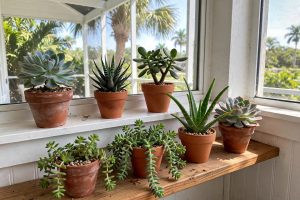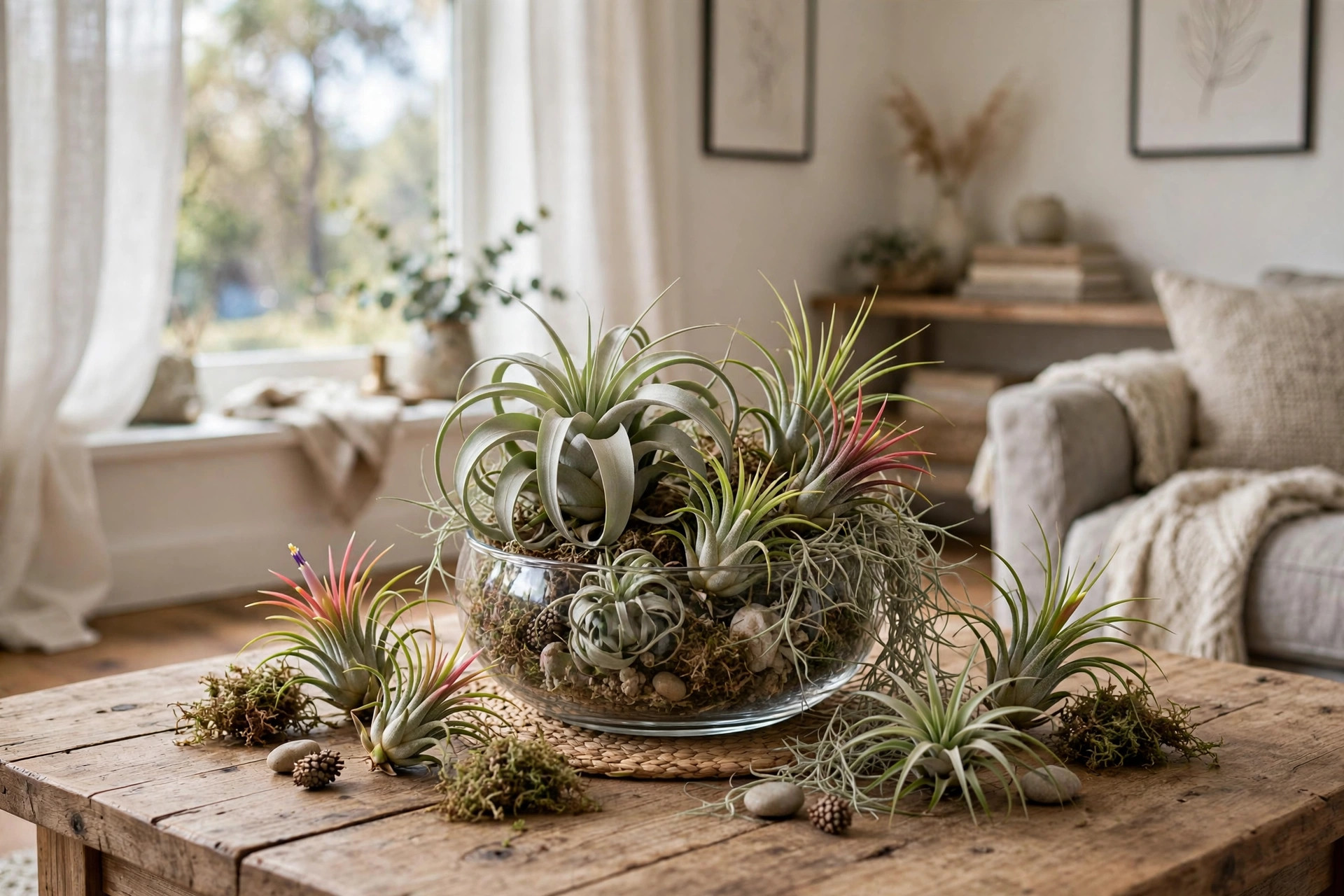

Air plants bulk USA online deals have become a popular way for plant lovers to fill their homes with green life without spending much. Air plants, also called Tillandsia, grow without soil. They take in water and food through their leaves. That makes them easy to place on shelves, in glass bowls, on wood, or in hanging holders. When you buy air plants in bulk online, the price per plant drops. A single plant at a shop may cost six or eight dollars. A pack of ten bought through an online deal may cost two or three dollars each. This guide explains how to find honest deals, how to choose healthy plants, and how to keep them alive after the box arrives.
Why Air Plants Matter for American Homes
Air plants fit the way many Americans live now. Apartments are small. Windows are few. Schedules are busy. A plant that needs no pot and no soil is a gift for such a life. You can set air plants on a desk, hang them near a kitchen window, or group them in a bowl on a coffee table. They do not drop soil on the floor. They do not need heavy pots.
They also suit the dry air of American homes. Many homes run heat in winter and air cooling in summer. Both dry the air. Most house plants suffer in dry air. Air plants are tougher. They come from dry and warm lands, and they handle indoor air well if you water them the right way.
Bulk buying makes them a smart gift as well. Ten or twenty plants in one box can become birthday gifts, wedding favors, or office desk gifts. Event planners in the United States buy bulk air plant packs for weddings and baby showers. Teachers use them in classrooms because they are cheap and safe for children. Small shops buy them to resell. When you buy air plants in bulk online, one order can serve many needs.
How to Choose the Right Bulk Deal: Air Plants Bulk Usa Online Deals
Not every offer is a good one. A low price means nothing if the plants arrive brown, dry, or rotten. Here is how to judge an offer before you pay.
What a Good Offer Looks Like
A good seller shows clear photos of the actual plants. The photos should show green or silver-green leaves with no brown tips and no dark rot at the base. The listing should name the plant types in the pack. Common names are ionantha, stricta, caput-medusae, and xerographica. A seller who names the plants knows the stock.
A good deal also tells you the size range. Air plants are often sold by size, such as one to two inches or three to four inches. If the seller hides the size, the pack may be full of tiny plants. Shipping terms matter too. Air plant bulk packs with free shipping save you real money, because shipping live plants can cost as much as the plants. Look for a live-arrival promise. Good sellers replace plants that arrive dead.
It also helps to buy from sellers who grow the plants in the United States. Plants grown in Florida or California ship faster and suffer less in the box. You can learn more about how home plants are grown and shipped from the plant nursery guides at Monrovia.
Warning Signs to Avoid
Avoid sellers who show only stock photos. If every photo looks like a perfect studio picture, the real plants may look very different. Avoid deals that promise an impossible number of plants for almost no money. A pack of fifty plants for ten dollars is a red flag. At that price, the plants are likely very small or half dead.
Read the reviews. Look for reviews that mention how the plants arrived, not just how fast the box came. A plant can arrive fast and still be dead. Avoid sellers who do not answer questions about plant size or type. A silent seller is a risky seller.
Types of Air Plants Sold in Bulk
Most bulk packs contain a mix of types. Knowing the common ones helps you judge what you are buying.
Small and Medium Favorites
Tillandsia ionantha is the most common air plant in bulk packs. It is small, about one to two inches wide. It has silver-green leaves and turns red before it blooms. It is hardy and cheap. A bulk pack of twenty ionantha is often the best value for gifts and crafts.
Tillandsia stricta is a bit larger, with soft green leaves and a rosette shape. It does well indoors and blooms with bright pink and blue flowers. Tillandsia capitata is another mid-size plant with thick, fuzzy leaves. It handles dry air well, which suits homes with strong heat in winter.
You can find growing notes and plant facts for many house plants in the guides at Gardening Know How, which covers indoor plant care in plain terms.
Large Statement Plants
Tillandsia xerographica is the showpiece of the air plant world. It grows into a large silver rosette, sometimes six inches wide or more. It costs more than small types, but bulk deals sometimes include one xerographica as a bonus in a larger pack. Tillandsia caput-medusae has snake-like leaves and a strange, lovely shape. It is a favorite for terrariums.
Large plants ship with more care. They should come in a box with padding so the leaves do not bend or snap. If you order large plants in winter, ask the seller about heat packs. A heat pack in the box keeps plants safe when the mail truck sits in the cold. Advice on safe shipping of live plants appears in the resources at Park Seed.
Cost and Price: What Bulk Air Plants Should Cost
Prices vary, but a few ranges hold true across most American sellers. Small plants in packs of ten to twenty usually cost one to three dollars per plant. Medium plants in packs of five to ten usually cost three to six dollars per plant. Large plants like xerographica cost eight to twenty dollars each, even in bulk.
Shipping adds to the real cost. A ten-dollar pack with eight-dollar shipping is really an eighteen-dollar pack. This is why air plant bulk packs with free shipping are worth seeking. Some sellers build the shipping cost into the price. That is fine, as long as the total price per plant stays low.
Watch for seasonal sales. Many sellers run deals in spring, when plants wake up and grow fast, and before the holidays, when gift buying peaks. Signing up for a seller’s email list can bring a first-order discount of ten to fifteen percent. For seasonal timing and planting calendars, the old and trusted pages at The Old Farmer’s Almanac give useful dates.
Buying more at once almost always lowers the per-plant price. A pack of ten may cost thirty dollars. A pack of twenty-five may cost fifty dollars. Do the math per plant before you choose. Also think about what you will do with extra plants. Fifty plants are a bargain only if you have a use for fifty plants.
Care and Upkeep After the Box Arrives
Cheap air plants wholesale USA sellers ship plants in boxes with no water for days. The plants can handle it, but they need quick care when they arrive. Follow these steps and your plants will recover fast.
Light and Air
Give air plants bright, indirect light. A spot near an east or south window works well in most American homes. Direct midday sun can burn the leaves, especially in summer. If you only have a north window, add a simple grow light. Air plants also need moving air. Stagnant air invites rot. A room with a ceiling fan or an open window now and then is fine.
Watering Without Soil
This is the part most people get wrong. Air plants drink through their leaves, not through roots. The standard method is the soak. Fill a bowl with room-temperature water. Set the plants in the water for twenty to thirty minutes, once a week. Then shake each plant gently, upside down, to remove trapped water. Let them dry fully in a bright spot with good air flow. Water that sits in the center of the plant causes rot, and rot is the most common killer of air plants.
In dry climates like Arizona or Colorado, soak twice a week or mist between soaks. In humid climates like Florida or Louisiana, once a week is often enough. Use rain water or filtered water if your tap water is hard. If you only have tap water, let it sit out overnight before you use it.
Detailed watering guides for indoor plants, written for beginners, are available at The Spruce.
Feeding
Air plants need very little food. A light mist of air plant fertilizer, once a month, is enough. You can buy air plant fertilizer online or use a weak orchid fertilizer at one quarter strength. Too much fertilizer burns the leaves. If you forget to feed them, they will still live. Feeding just helps them grow and bloom.
Safety for Homes, Kids, and Pets
Air plants are non-toxic. They are safe around children and pets, which is one reason teachers and families love them. The American Society for the Prevention of Cruelty to Animals lists Tillandsia as non-toxic to cats and dogs. That does not mean pets should eat them. A curious cat may chew a leaf, and the plant may die, but the cat will not be poisoned.
The main safety issue is not the plant but the holder. Glass bowls can break. Wire holders can have sharp ends. Hanging plants can fall if the hook is weak. Keep glass and heavy holders away from small children. When you hang plants, use hooks rated for the weight and check them once a year.
Mold is the other concern. A plant that never dries can grow mold, and mold spores bother people with allergies. The fix is simple: always dry plants fully after watering, and keep air moving around them. Plant health basics from university research programs are published through NIFA, the federal agency that supports plant science.
Frequently Asked Questions
How long do air plants live? Most air plants live for several years. A healthy plant grows, then blooms once, then makes small baby plants called pups. The pups grow into full plants. One purchase can turn into many plants over time.
Can air plants really survive with no soil? Yes. In the wild they grow on tree branches, rocks, and wires. They take water and nutrients through tiny scales on their leaves. No soil is needed at any stage of life.
How many plants should I order for wedding favors? Order one plant per guest, plus ten percent extra to cover any plants that arrive damaged. Small ionantha plants in bulk are the classic choice. Give them out in small bags or boxes with a short care card.
Do air plants need sunlight every day? They need bright light most days, but not direct hot sun. A bright windowsill or a spot a few feet from a sunny window is ideal. In dark rooms they slowly weaken, so move them to a brighter spot or add a grow light.
Why are my air plant leaves turning brown at the tips? Brown tips usually mean too little water or too much dry air. Soak the plant a bit longer and more often. If the base turns brown and mushy, that is rot from water sitting too long. Rotten bases rarely recover, so prevention is the key.
Where can I buy more plants later? Many online sellers restock each spring. If you want to grow other easy plants too, look at wildflower seed mixes USA online deals for outdoor color, pothos plants bulk deals near me for easy indoor vines, or organic herb seeds deals near me if you want to start a small kitchen garden. Bulk buying works well for all of them.
A Short Final Word
Air plants bulk USA online deals are one of the simplest ways to bring more green into an American home. Buy from a seller who shows real photos, names the plant types, and promises live arrival. Water by soaking once a week, dry the plants fully, and give them bright light and moving air. Do that, and a cheap box of plants will give you years of quiet green company. For more plant choices from trusted growers, browse the selections at Burpee, Gurney’s, White Flower Farm, and Proven Winners.
References
Burpee. (n.d.). Seeds, plants, and gardening supplies. https://www.burpee.com Gardening Know How. (n.d.). Gardening guides and plant care. https://www.gardeningknowhow.com Gurney’s Seed & Nursery Co. (n.d.). Seeds, plants, and garden supplies. https://www.gurneys.com Monrovia. (n.d.). Plants for home gardens. https://www.monrovia.com National Institute of Food and Agriculture. (n.d.). Agricultural research and extension. https://www.nifa.usda.gov Park Seed. (n.d.). Seeds, plants, and gardening supplies. https://www.parkseed.com Proven Winners. (n.d.). Plants and gardening inspiration. https://www.provenwinners.com The Old Farmer’s Almanac. (n.d.). Gardening calendars and advice. https://www.almanac.com The Spruce. (n.d.). Home and garden advice. https://www.thespruce.com White Flower Farm. (n.d.). Plants, bulbs, and garden supplies. https://www.whiteflowerfarm.com
Was this guide helpful?

About Jennifer Lee
The My Garden US editorial team writes practical, in-depth home and garden guides for American homeowners — tested advice, no fluff.
You May Also Like
Pothos Plants Bulk American Homes Guide: How to Buy, Grow, and Keep Them Green
March 22, 2026 0 views
Dahlia Bulbs Bulk for California Homes USA
May 1, 2026 0 views
How to Grow Chives: A Perennial Herb Guide
October 7, 2026 2 views