A Plant That Forgives Beginners
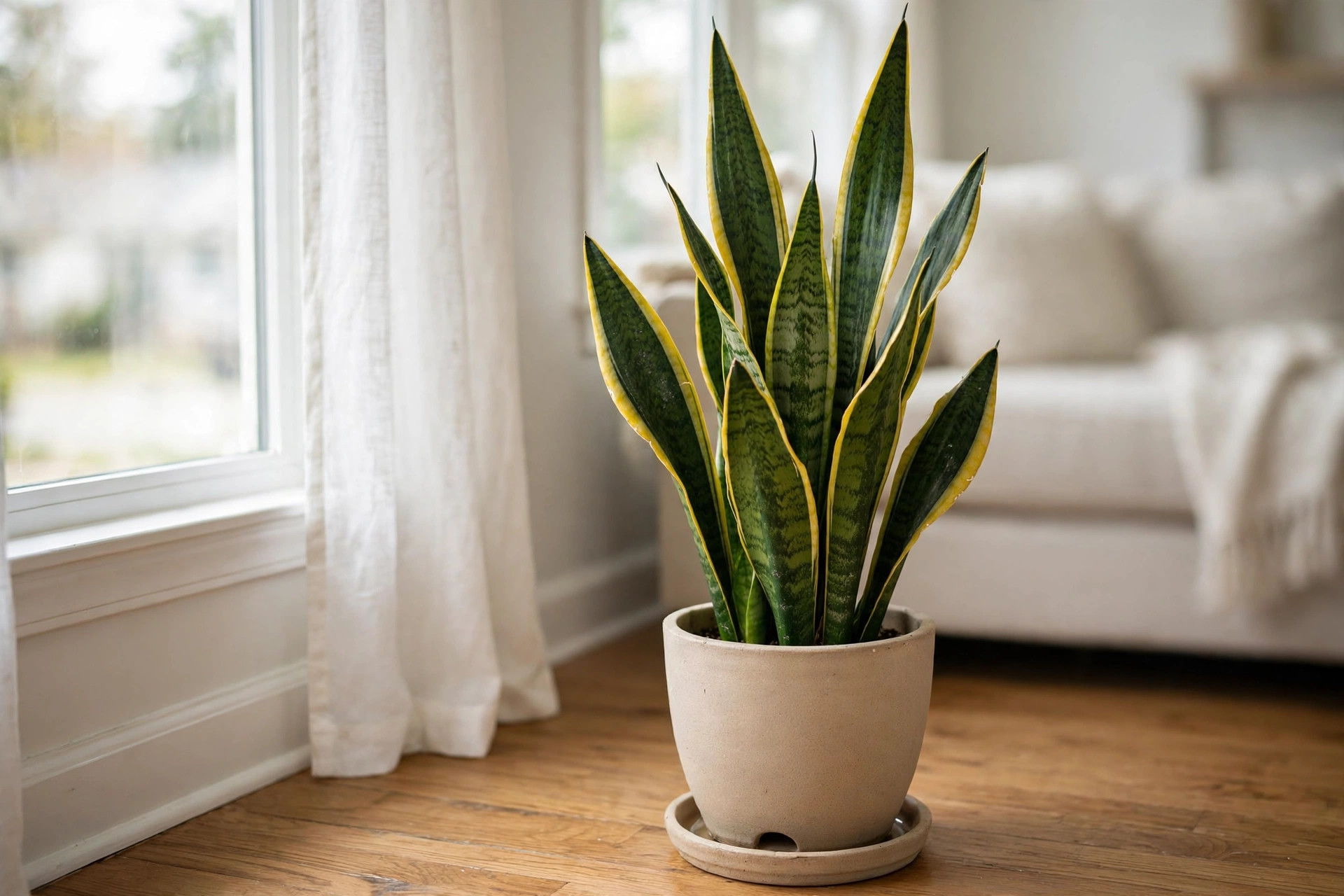
A snake plants indoor american homes guide should begin with a simple fact. Few houseplants forgive mistakes the way a snake plant does. The snake plant, known to botanists as Sansevieria and now grouped under Dracaena, carries stiff, upright leaves marked with bands of green and gold. It looks bold. It acts quiet. It asks for little and gives a room shape, height, and life.
American homes welcome this plant for good reason. It survives rooms with weak winter light. It tolerates a missed watering. It stands well in a corner that other plants would abandon. For a family that wants green leaves without a daily chore, the snake plant earns its place.
This guide covers the plant from start to finish. It explains why the plant matters, how to choose one, what the common types are, what it costs, and how to keep it alive for years. It also covers safety, because the plant can harm pets and small children if it is chewed. Read it once and you will know all that a beginner needs to know.
Why the Snake Plant Matters in American Homes: Snake Plants Indoor American Homes Guide
America loves easy houseplants. The snake plant ranks near the top of every list. Garden writers often call it nearly indestructible, and the label is fair. The plant stores water in its thick leaves, so it can wait through dry weeks without harm. It handles the dry indoor air of heated homes in winter, a season that weakens many tropical plants.
The plant also suits modern life. Busy work schedules leave little time for daily care. A snake plant fits a nurse who works long shifts, a student who travels home on weekends, or a retired couple who visit family for weeks at a time. The plant waits.
Style plays a part as well. The tall, blade-like leaves add structure to a room. A large snake plant in a plain pot can anchor a corner of a living room. A small one fits a desk or a bathroom shelf. The gold-edged leaves brighten dark corners. The plant never looks messy, because its leaves grow straight and clean.
Many people choose the plant for health claims they have read online. Some articles say the plant cleans indoor air. University and extension research, such as work shared through the USDA, has shown that some plants remove small amounts of gases from the air in sealed rooms. Experts note that one plant in a normal room does not purify the air in a meaningful way. Buy the snake plant because it is handsome and hard to kill, not because it will clean your air. The simple joy of a green room is reason enough.
How to Choose a Healthy Snake Plant
Start at the Store
Look at the leaves first. Healthy leaves stand firm and feel thick when you press them gently. They show rich color with clear markings. Avoid plants with soft, mushy leaves. Soft leaves often signal rot from too much water at the nursery.
Check the base of the plant. Leaves should rise from the soil without brown or black stains at the bottom. Lift the pot if you can. If roots press through the drainage holes and wrap in thick circles, the plant has grown root-bound. That plant can still live, but it will need a new pot soon.
Pick the Right Size
Small pots of four inches suit desks and shelves. They cost less and grow slowly. A six-inch pot gives a fuller plant for a side table. Large ten-inch or twelve-inch pots suit floor corners and make a strong statement. The plant grows slowly, so buying a larger plant saves years of waiting.
Ask About the Pot and Soil
Many stores sell snake plants in plain plastic nursery pots. That is fine. The plastic pot will sit inside a nicer cover pot at home. The soil should feel light and gritty, not heavy like garden dirt. Good soil for this plant drains fast. Stores like Burpee and Park Seed sell both plants and proper soil mixes.
Types and Options for Indoor Growing
The snake plant family offers more than one look. Each type brings a different height, leaf color, and mood to a room.
Sansevieria Trifasciata Laurentii
This is the classic snake plant. Its tall leaves reach two to four feet. Each leaf carries a yellow gold edge with deep green bands in the center. It is the most common type in stores and the best first choice for a beginner.
Moonshine and Variegated Forms
Moonshine shows pale silver green leaves with a soft, powdery look. It grows a bit shorter than Laurentii and suits rooms with a modern style. Nurseries also sell plants with white streaks or wide gold bands. These rare forms cost more and grow more slowly, so master the common types first.
Gardeners who enjoy variety often grow snake plants beside other easy plants. A fiddle leaf figs buying guide covers a plant with bold leaves that need more care. A pothos plants bulk buying guide suits readers who want trailing vines. For small spaces, a succulent variety packs buying guide shows plants that share the snake plant’s love of dry soil.
Light, Water, and Soil: The Three Basics
Light
Snake plants handle a wide range of light. Bright, indirect light keeps the leaves strong and the colors sharp. A spot near an east or west window works well. The plant also lives in low light, such as a hallway with no window nearby. It will grow slower there and the leaves may stretch a bit, but it will live.
Keep the plant out of harsh midday sun in summer. Strong sun through a south window can burn the leaves and leave pale dry patches. A sheer curtain solves the problem.
Water
Water is where most owners make mistakes. The plant wants to dry out between waterings. Push your finger one inch into the soil. If the soil feels dry, water the plant. If it feels damp, wait. In summer this may mean water every two to three weeks. In winter, once a month can be enough.
Always let extra water drain from the pot. Never let the plant sit in a saucer full of water. Wet feet rot the roots, and rot is the one thing that kills this plant fast. A pot with drainage holes is not optional. It is the most important item you will buy for the plant.
Soil and Feeding
Use a fast-draining mix. A cactus or succulent mix from the store works well. You can also mix regular potting soil with sand or perlite to open it up. The goal is soil that lets water pass through quickly.
Feed the plant lightly. A balanced liquid fertilizer at half strength, given once in spring and once in summer, is plenty. Skip feeding in fall and winter. Too much fertilizer causes more harm than none at all. Seasonal garden advice from the Old Farmer’s Almanac gives good timing tips for feeding and repotting.
Potting and Repotting
A snake plant can live in the same pot for years. Repot only when roots fill the pot or water runs straight through the soil in seconds. Choose a new pot one or two inches wider. Clay pots work well because they breathe, and heavy pots keep tall plants from tipping.
Tip the plant from its old pot, shake off loose soil, and place it in the new pot at the same depth. Fill with fresh mix, press lightly, and wait a week before watering so small root breaks can heal. Guides from White Flower Farm and Gurney’s show the same gentle method.
Cost and Price: What to Expect
Snake plants rank among the cheapest houseplants in American stores. Prices depend on size, type, and seller.
A small four-inch plant costs about five to twelve dollars at a garden center or hardware store. A six-inch plant runs about twelve to twenty-five dollars. A large ten-inch floor plant costs about thirty to sixty dollars. Tall statement plants in decorative pots can reach eighty dollars or more.
Rare forms cost more. A variegated or unusual type may sell for thirty to over one hundred dollars for a small plant. Online plant shops and specialty nurseries set higher prices than big-box stores. The big home improvement chains often stock the common types at the lowest prices.
The true cost stays low over time. One bag of cactus soil and one bottle of fertilizer serve many plants for years. A single healthy plant can also be divided into two or three new plants, which saves money and makes fine gifts. Plant care books from Monrovia often show how to divide crowded clumps safely.
Care and Upkeep Through the Seasons
In spring, move the plant to brighter light, give its first light feeding, and repot if roots crowd the pot. Summer is the active season: water when the soil dries, and the plant can sit on a shaded porch when nights stay above fifty degrees. In fall, cut back watering, stop feeding, and bring outdoor plants inside before frost. Winter is the rest season. The plant may need water only once a month. Keep it away from cold drafts and heating vents, and wipe the leaves with a soft damp cloth so they catch the weaker light. If a leaf turns yellow, cut it at the base with clean scissors.
Common Problems and Simple Fixes
The snake plant suffers few problems, but a few issues appear again and again.
Soft, mushy leaves mean too much water. Stop watering, let the soil dry fully, and cut away the mushy leaves at the base. If the whole base feels soft, trim away black roots and replant in dry fresh soil. Brown tips often mean too little water or salt buildup. Water deeply once so water runs from the holes, flushing salts from the soil. Pale, stretched leaves mean too little light. Move the plant closer to a window. The USDA’s extension programs and Gardening Know How both describe common plant pests in plain language.
Safety in Homes With Children and Pets
This part matters. Snake plants contain saponins, natural compounds that cause nausea, vomiting, and mouth irritation if eaten. The plant is not deadly to humans, but chewing the leaves can make a child sick.
For pets, the risk is higher. Cats and dogs that chew the leaves can drool, vomit, or feel ill. The ASPCA is not a plant store, but many garden writers point pet owners to plant safety lists before buying any houseplant.
Simple steps keep everyone safe. Place the plant on a high shelf or stand where toddlers and cats cannot reach. Teach children not to chew houseplants. Watch curious pets around new plants for the first week. If a child or pet eats part of a leaf, call your doctor or veterinarian for advice. Keep the plant, not the worry. A high shelf solves most of the problem.
Snake Plants in American Home Styles
The plant suits many rooms. In a living room, a tall Laurentii in a clay pot anchors a corner beside a sofa. In a home office, a Moonshine on a credenza adds calm color without taking floor space. In a bathroom with a window, a small Hahnii loves the humidity. Apartments with little light keep a snake plant in the entry hall, where most plants fail. Its upright form also looks tidy in offices and waiting rooms, where its tolerance for neglect suits busy staff.
Buying Plants Online or In Person
Garden centers let you inspect the plant before you buy: the leaves, the roots, and the soil. Online nurseries offer more variety, including rare types that never reach local stores. Read reviews before ordering, and check that the seller guarantees live arrival. Seed and plant catalogs from Burpee, Park Seed, and Gurney’s list both common and unusual plants. Reviews from The Spruce help compare sellers before you spend money.
Frequently Asked Questions
How often should I water a snake plant indoors?
Water only when the top inch of soil feels dry. In summer, this may mean every two to three weeks. In winter, once a month often suffices. When you water, water deeply until it runs from the drainage holes. Then wait again.
Can a snake plant live in a room with no windows?
It can survive for a while, but it will not thrive. A room with no natural light starves the plant slowly. If you want a plant in a windowless room, rotate two plants between the dark room and a bright spot every few weeks. Or use a simple grow light.
Why are the leaves of my snake plant falling over?
Falling leaves usually signal root rot from too much water. Check the base. If it feels soft or smells bad, unpot the plant and look at the roots. Trim black roots and replant in dry soil. Firm roots with floppy leaves may just need brighter light and less water.
How fast does a snake plant grow?
Growth is slow to moderate. In bright light with summer warmth, a healthy plant adds several new leaves per year. In low light, it may add only one or two. Large plants take years to form, which is why big ones cost more.
Should I mist my snake plant?
No. Misting does not help this plant and can trap water in the leaf joints, which invites rot. The plant loves dry air. Skip the spray bottle.
A Short Final Word
The snake plant asks little and returns much. Give it light when you can, water when the soil dries, and a pot that drains. In return it stands tall through busy years, dark winters, and long trips away from home. For an American home that wants green life without a daily task, few plants serve so well.
Start with one healthy plant from a trusted seller. Learn its rhythm through one year of seasons. Then divide it, share it, and watch it fill your rooms with quiet green strength.
References
ASPCA. (n.d.). Pet care and animal welfare resources. https://www.aspca.org Burpee. (n.d.). Seeds, plants, and gardening supplies. https://www.burpee.com Gardening Know How. (n.d.). Gardening guides and plant care. https://www.gardeningknowhow.com Gurney’s Seed & Nursery Co. (n.d.). Seeds, plants, and garden supplies. https://www.gurneys.com Monrovia. (n.d.). Plants for home gardens. https://www.monrovia.com National Institute of Food and Agriculture. (n.d.). Agricultural research and extension. https://www.nifa.usda.gov Park Seed. (n.d.). Seeds, plants, and gardening supplies. https://www.parkseed.com The Old Farmer’s Almanac. (n.d.). Gardening calendars and advice. https://www.almanac.com The Spruce. (n.d.). Home and garden advice. https://www.thespruce.com White Flower Farm. (n.d.). Plants, bulbs, and garden supplies. https://www.whiteflowerfarm.com
Was this guide helpful?

About Michael Thompson
The My Garden US editorial team writes practical, in-depth home and garden guides for American homeowners — tested advice, no fluff.