Scorzonera, or black salsify, is the root vegetable with a secret identity. Outside, it is a long, black, unpromising-looking root. Inside, it is creamy white, with a delicate flavor chefs describe as oyster-like and nutty. It was a fashionable vegetable in 19th-century Europe, and it deserves a comeback. Gardeners learning how to grow scorzonera get a hardy, low-maintenance root that sweetens in cold weather and stores for months.
Table of Contents
Table of Contents
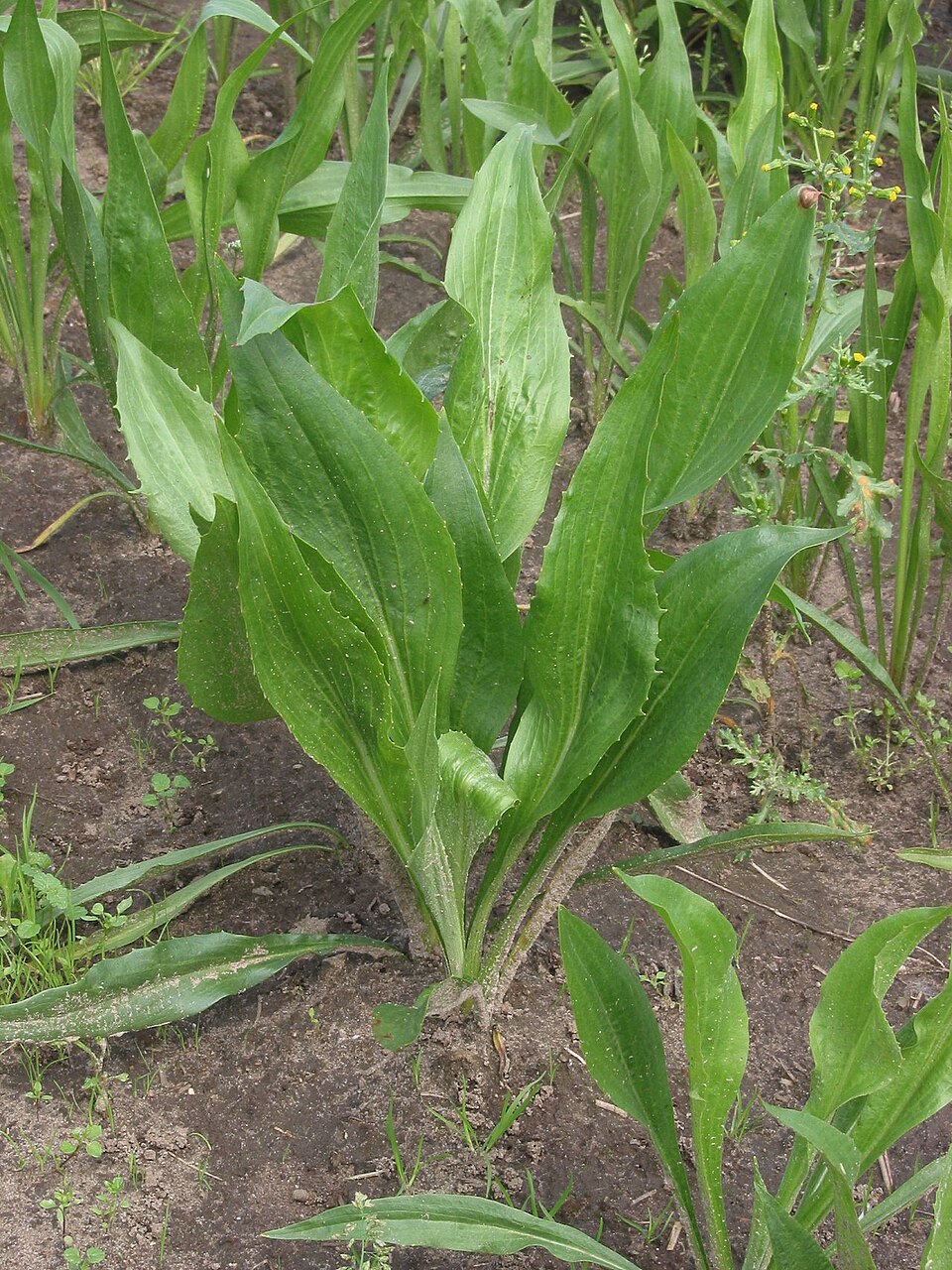
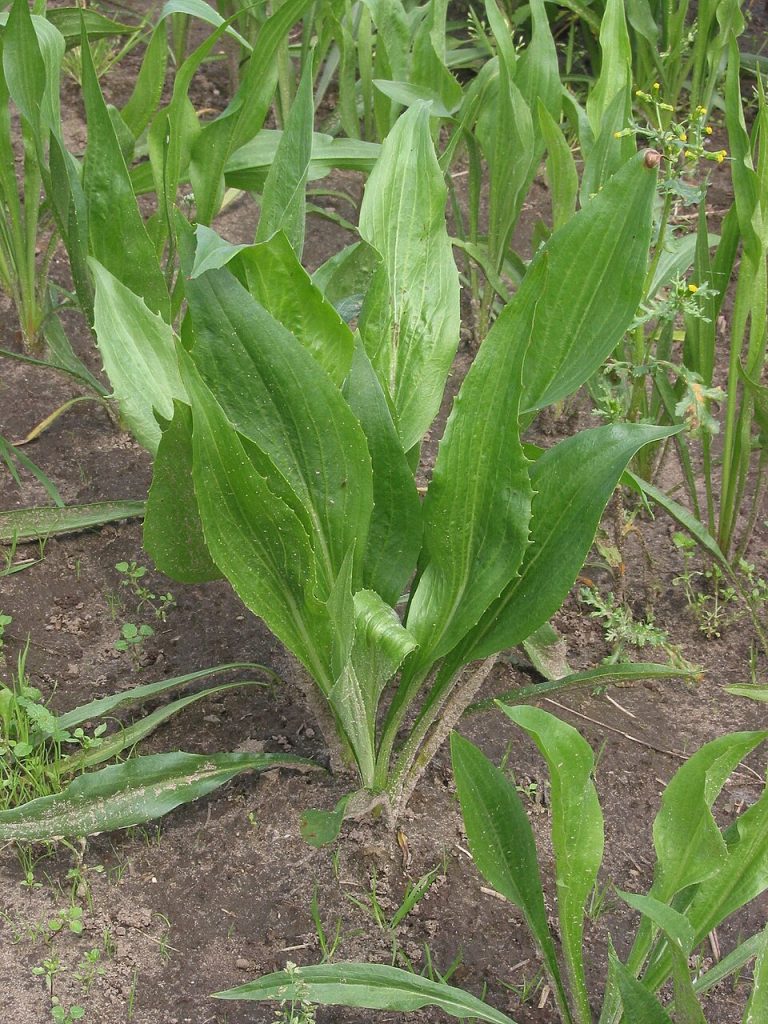
The plant asks for two things: deep, stone-free soil and patience. The roots take a full season, sometimes two, to size up. But the work is mostly waiting. Sow it, keep it weeded, and let time and frost do the flavoring. It is one of the least demanding root crops you can grow.

Photo: Wikimedia Commons
Quick facts: Sun: full sun. Soil: deep, loose, stone-free. Water: consistent moisture. Sow 0.5 inch deep, thin to 6 inches apart. Days to maturity: 120 to 150. Hardy in zones 5 to 8.
Choosing a Variety and Getting Started
When it comes to how to grow scorzonera, getting the details right makes all the difference.
When it comes to how to grow scorzonera, getting the details right makes all the difference.

Many homeowners find that how to grow scorzonera is easier than they expected once they know the basics.
Scorzonera seed is sold by European vegetable specialists, usually just as scorzonera or black salsify. There are no home-garden varieties to choose between. Buy fresh seed each year; scorzonera seed loses viability quickly, and old seed germinates poorly. This is one seed you should not save from year to year.
Prepare the bed deeply before you sow. Scorzonera grows a long taproot, and it needs a foot or more of loose, stone-free, sandy soil. Work the bed at least a foot deep, removing stones and breaking up hard layers. This preparation is the single most important step. Before sowing, check your USDA zone planting dates on the planting calendar; scorzonera suits zones 5 to 8.
If you have grown parsnips or carrots, you know the deep-soil drill. Beets share the sweet-after-frost trait that makes scorzonera special.
When and How to Plant
Many homeowners find that how to grow scorzonera is easier than they expected once they know the basics.
Many homeowners find that how to grow scorzonera is easier than they expected once they know the basics.
The key to how to grow scorzonera is choosing the right approach for your space and budget.
Sow scorzonera directly in spring, around your last spring frost date, where it will stay. It resents transplanting, so direct sowing is the only sensible method. Sow the seed half an inch deep in wide bands, and keep the bed moist for up to three weeks; germination is slow, and the seedbed must not dry out during that time.
Thin the seedlings to 3 to 4 inches apart once they are sturdy. The grassy tufts grow slowly at first, which can be discouraging, but the plants are building the deep root system that becomes the harvest. Mark the rows clearly so you do not hoe them out by mistake.
The Old Farmer's Almanac planting calendar can confirm your sowing date. Some growers sow in late summer for harvest the following year; either way, the roots need a full growing season plus cold weather to sweeten.
Soil and Sun
The key to how to grow scorzonera is choosing the right approach for your space and budget.
With a little planning, how to grow scorzonera can fit even a busy schedule.
Deep, loose, stone-free soil in full sun. This bears repeating because it is the whole crop. Stones and compacted layers fork and stunt the roots; a foot of friable, sandy soil grows them straight and long. If your native soil is heavy clay full of rocks, build a raised bed a foot deep and fill it with a sandy loam mix.
Dig in compost before sowing, but avoid fresh manure, which forks roots. Feed once with compost during the season; heavy nitrogen also forks the roots. Lean, deep, and loose is the formula. The Clemson Home & Garden Information Center has detailed guidance on preparing deep beds for taproot crops.
Its background under Scorzonera hispanica is listed in the USDA PLANTS Database. The University of Minnesota Extension covers root-crop soil preparation for northern gardeners.
Watering and Feeding
With a little planning, how to grow scorzonera can fit even a busy schedule.
Before you start, it helps to understand how how to grow scorzonera works in real homes.
Water steadily the first year. The young plants need consistent moisture to establish their deep roots. A deep watering once a week, plus mulch to hold it, is the routine. Once established, scorzonera tolerates moderate drought, but even moisture grows smoother roots.
Feed once with compost during the season. That is all. Heavy feeding, especially with nitrogen, forks the roots and ruins their shape. If the grassy tops are green and growing, the roots are fine. This is a crop that rewards restraint.
Mulch to keep the soil cool and moist and to suppress weeds. The narrow leaves do not shade the ground well, so mulch does the weed control the foliage cannot.
Care Through the Season
Before you start, it helps to understand how how to grow scorzonera works in real homes.
A good plan for how to grow scorzonera saves time, money, and frustration.
Weed carefully around the narrow leaves. The grassy tufts are easy to damage with a hoe, so hand weed close to the plants. Keep the bed weed-free; weeds compete for the water the young roots need.
Watch for rust and white mold in wet weather. Allow good airflow by keeping to the recommended spacing, and avoid overhead watering, which wets the foliage and invites disease. In most seasons, scorzonera is remarkably trouble-free.
Leave the roots in the ground through cold weather, which sweetens them. This is the key flavor step. Starches convert to sugars as the temperature drops, and roots harvested after frost are noticeably sweeter than those dug early. Mulch the bed heavily in cold regions to keep the ground workable.
Harvest
A good plan for how to grow scorzonera saves time, money, and frustration.
For most people, how to grow scorzonera comes down to a few smart choices.
Dig the roots in the second year, after the tops have died back and cold has sweetened them. Yes, the second year: scorzonera is at its best when given a full season plus a winter. Dig deep and wide with a fork, starting well out from the row; the roots are long, brittle, and snap easily, and broken pieces left in the ground are lost.
Boil or steam the roots before peeling; the black skin slips off easily after cooking. This is the practical secret of scorzonera. Peeling raw is a sticky, staining chore; cooking first makes it effortless. The white flesh inside is tender and delicately flavored.
Roast the peeled roots like parsnips to bring out the oyster-like, nutty flavor at its best. They also braise beautifully and make an elegant puree. Roots keep for months in damp sand in a cold place, like a root cellar, giving you a winter vegetable from the summer's planting.
Leave a few roots in the ground to flower, and they will self-sow, giving you free plants the next year. The yellow flowers are pretty, and the self-sown seedlings transplant poorly, so let them grow where they land or thin them.
Cooking Scorzonera
For most people, how to grow scorzonera comes down to a few smart choices.
If you are new to how to grow scorzonera, start with the simplest option and build from there.
Prep comes first, and there is a trick to it. Do not peel scorzonera raw; the black skin is sticky and stains everything. Instead, boil or steam the roots whole until tender, then slip the skins off with your fingers or a knife. It takes seconds, and the creamy white flesh underneath is worth the small patience. A squeeze of lemon in the cooking water keeps the flesh bright.
Roasting is the preparation that shows off the famous flavor. Toss the peeled roots with oil and salt and roast hot until the edges caramelize. The oyster-like, nutty character deepens, and the texture turns creamy inside with crisp edges. Braised slowly in butter and broth, scorzonera becomes silky and luxurious, a proper side dish for a special meal. It also purees beautifully into a smooth, elegant soup.
Serve it simply the first time so you can taste what the fuss is about. Then experiment. Scorzonera pairs well with brown butter, with cream sauces, and with the roasted meats of winter. Roots store for months in damp sand in a cold place, so a fall harvest feeds you deep into winter, when a homegrown delicacy on the table feels like a small triumph.
Scorzonera Flowers and Self-Sowing
If you are new to how to grow scorzonera, start with the simplest option and build from there.
When it comes to how to grow scorzonera, getting the details right makes all the difference.
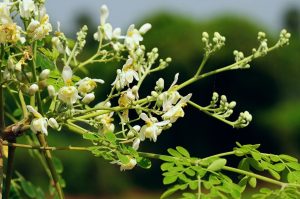
In its second year, scorzonera sends up tall stalks of yellow flowers that look like oversized dandelions and smell faintly of vanilla. They are pretty enough to earn a place in the flower border, and the bees love them. If you leave a few roots unharvested, the plants bloom, set seed, and scatter it on the wind.
The self-sown seedlings are a gift with one catch: they transplant poorly because of the taproot. Let them grow where they land, thinning to proper spacing, or direct the seed yourself by collecting the fluffy seed heads and sowing where you want next year's crop. Either way, a scorzonera patch can become self-renewing, with new plants appearing each spring from the previous year's flowers.
One caution: the flowers are how the plant spends its energy, so do not let your main harvest roots bloom. Mark a few plants at the edge of the bed as your seed parents and harvest the rest. The seed parents give you flowers, seed, and beauty; the harvest plants give you roots. Both jobs matter, and separating them keeps each one productive.
Troubleshooting
When it comes to how to grow scorzonera, getting the details right makes all the difference.
Many homeowners find that how to grow scorzonera is easier than they expected once they know the basics.
Roots are forked and stubby. Stones, compacted soil, or heavy nitrogen. Prepare the bed a foot deep, remove stones, and feed lightly.
Seed does not germinate. Old seed or a dry seedbed. Buy fresh seed each year and keep the bed moist for three weeks after sowing.
Roots snap during digging. Dig wider and deeper than you think necessary, and lever gently. Brittle roots punish hasty digging.
Rust spots on leaves. Wet weather disease. Improve airflow, avoid overhead watering, and remove affected leaves.
Scorzonera is the patient gardener's root: deep soil, slow growth, and a sweet, oyster-flavored reward after frost. For a quicker root in the same bed, carrots fill the gap. More on heirloom roots is available from Gardenia.net, and background through the USDA National Agricultural Library.
References
Many homeowners find that how to grow scorzonera is easier than they expected once they know the basics.
University of Minnesota Extension. (n.d.). Growing root vegetables in home gardens. https://extension.umn.edu/
Old Farmer's Almanac. (n.d.). Growing root crops in home gardens. https://www.almanac.com/
Clemson Cooperative Extension. (n.d.). Home & Garden Information Center. https://hgic.clemson.edu/
Missouri Botanical Garden. (n.d.). Plant finder. https://www.missouribotanicalgarden.org/
Was this guide helpful?

About My Garden US
The My Garden US editorial team writes practical, in-depth home and garden guides for American homeowners — tested advice, no fluff.