Purslane is the weed that turned out to be a superfood. This low, spreading succulent grows wild in gardens across America, and it also happens to be one of the most nutritious greens you can eat, rich in omega-3 fatty acids. Grown deliberately, it produces crisp, lemony stems and leaves all summer with almost no care. Learning how to grow purslane is easy; the real skill is keeping it where you want it.
Table of Contents
Table of Contents
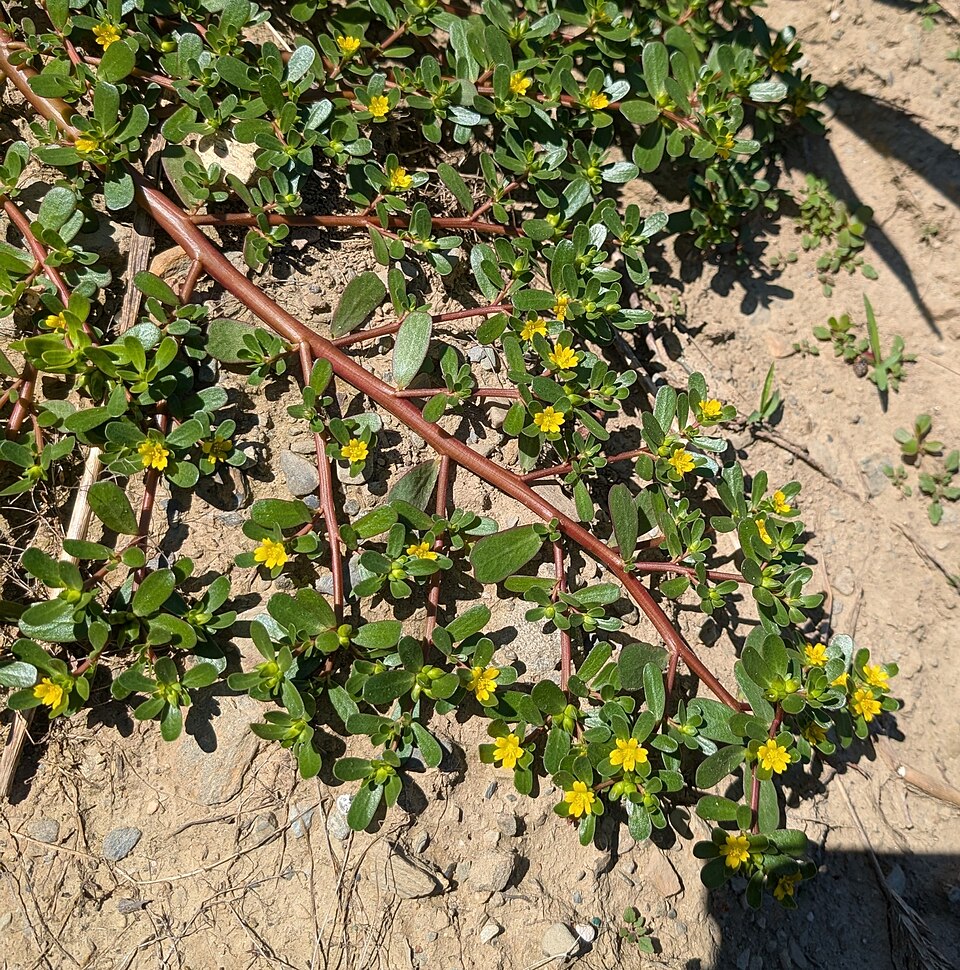
The plant's reputation as a weed is deserved: it self-seeds freely and pops up in every crack. But that vigor is exactly what makes it a great crop. It thrives in heat that wilts lettuce, needs almost no water, and asks for nothing but sun. Plant it where you do not mind volunteers, and it will feed you for years.

Photo: Wikimedia Commons
Quick facts: Sun: full sun. Soil: tolerates poor soil. Water: low; drought-tolerant. Scatter seeds on the surface; thin to 6 inches apart. Days to maturity: 50 to 60. Warm-season annual; self-sows freely.
Choosing a Variety and Getting Started
When it comes to how to grow purslane, getting the details right makes all the difference.

Many homeowners find that how to grow purslane is easier than they expected once they know the basics.
Purslane seed is sold by specialty suppliers in two main forms: common green purslane and golden purslane, with larger, more upright leaves. The golden type is easier to harvest and often preferred for deliberate growing. Wild purslane from the garden is perfectly edible too, as long as the ground has not been sprayed.
The seeds are tiny and need light to sprout, which shapes the whole planting method. You scatter them on the surface rather than burying them. Before sowing, check your USDA zone planting dates on the planting calendar; purslane is a warm-season annual that wants warm soil.
If you have grown spinach in spring, purslane is its summer successor, thriving in heat that makes spinach bolt. Swiss chard shares the summer-green role, and lettuce growers will appreciate a green that loves high summer.
When and How to Plant
Many homeowners find that how to grow purslane is easier than they expected once they know the basics.
The key to how to grow purslane is choosing the right approach for your space and budget.
Sow purslane only when the soil feels warm, about three weeks after your last spring frost. This is a heat lover; sowing into cool soil gives you nothing. Scatter the tiny seeds on the soil surface in a sunny spot with loosened soil mixed with compost, and press them in gently without covering. Light is required for germination.
Thin the seedlings to 6 inches apart once they are big enough to handle. The low mats spread fast, so give the rows room; a small sowing covers a surprising amount of ground. Water gently after sowing to settle the seeds without washing them away.
The Old Farmer's Almanac planting calendar can confirm your sowing date. After the first year, you might never sow again; let one plant set seed and volunteers will return on their own.
Soil and Sun
The key to how to grow purslane is choosing the right approach for your space and budget.
With a little planning, how to grow purslane can fit even a busy schedule.
Give purslane full sun and any soil that drains. It tolerates poor soil cheerfully and actually prefers lean conditions; rich soil makes the leaves milder and less lemony, which some growers consider a loss of character. A sunny spot with average garden soil is perfect.
Good drainage is the one requirement. Purslane is a succulent, and it rots in soggy soil. Raised beds, sandy spots, and the edges of paths all suit it. If your ground stays wet, grow it in containers, where it thrives with minimal attention. The Clemson Home & Garden Information Center covers drainage basics for succulent-type plants.
Its background under Portulaca oleracea is listed in the USDA PLANTS Database. The University of Minnesota Extension includes purslane in its materials on edible weeds and alternative greens.
Watering and Feeding
With a little planning, how to grow purslane can fit even a busy schedule.
Before you start, it helps to understand how how to grow purslane works in real homes.
Water sparingly. Purslane stores water in its fleshy stems and leaves, and it rots in constantly wet soil. A deep watering every week or two during dry spells is plenty; in many climates, rainfall alone suffices. When in doubt, do not water. This is a plant that prefers to be left alone.
Skip extra fertilizer. Rich feeding is unnecessary and counterproductive, producing bland, watery growth. The compost you mixed in at planting is enough for the season. If the plants are green and spreading, they are fed. The plant's weed heritage means it is efficient at finding what it needs.
Care Through the Season
Before you start, it helps to understand how how to grow purslane works in real homes.
A good plan for how to grow purslane saves time, money, and frustration.
Weed while the seedlings are small. Young purslane is easily overwhelmed by faster weeds, which is ironic for a plant most people weed out. Once the mats establish and spread, they shade out competition and need no further weeding.
Watch for white rust, which shows as pale blisters on the leaves. Pull and discard affected plants; do not compost them. Good airflow and avoiding overhead watering reduce the problem. Otherwise, purslane has almost no pests. Its succulent leaves are unappealing to most insects, and its vigor outruns the rest.
Keep it out of beds you want to stay tidy. Purslane self-seeds with enthusiasm, and seedlings appear in every nearby bed. Grow it in a dedicated patch, in containers, or in a corner of the garden where volunteers are welcome. A little management keeps a great crop from becoming a nuisance.
Harvest
A good plan for how to grow purslane saves time, money, and frustration.
For most people, how to grow purslane comes down to a few smart choices.
Harvest when the stems reach 4 to 6 inches by snipping the tops. The plants branch from the cut stems and regrow for repeat cuttings through the summer. Pick in the morning, when the stems are crisp and cool; afternoon heat softens them.
Harvest the stems before flowering for the best texture. Once the plants bloom heavily and set seed, the stems get tougher, though they remain edible. Regular cutting delays flowering and keeps the growth tender.
Use purslane within a day or two of picking for the best crunch, or keep it a few days refrigerated in a damp bag. The flavor is lemony and fresh, excellent raw in salads, where the succulent crunch stands out. It also cooks quickly into soups and sautes, though cooking softens its signature texture. Nutritionally, it is unusually rich in omega-3 fatty acids for a leafy vegetable.
Purslane in the Kitchen
For most people, how to grow purslane comes down to a few smart choices.
If you are new to how to grow purslane, start with the simplest option and build from there.
Raw is where purslane shines. The thick, succulent stems snap with a clean crunch, and the flavor is lemony and fresh, like a mild sorrel. Toss the chopped stems and leaves into salads for texture no lettuce can match. A classic combination is purslane with cucumber, tomato, and a sharp vinaigrette, where the succulent crunch plays against the other vegetables. Pick in the morning when the stems are at their crispest.
Cooked, purslane becomes something different: soft, slightly mucilaginous, and mild. In Mexican cooking, verdolagas (purslane) simmer with pork and green chile into a beloved stew. It also stirs into soups as a thickener and sautes quickly with garlic as a side dish. If you find the cooked texture slimy, stick to raw preparations; plenty of purslane lovers never cook it at all.
Nutritionally, purslane is notable for its omega-3 fatty acids, unusual in a leafy vegetable. It is also rich in vitamins and minerals, which is a fine bonus in a plant that grows like a weed. Use it within a day or two of picking for the best crunch, or keep it a few days in a damp bag in the refrigerator. And remember the garden bargain: let one plant set seed in its dedicated patch, and volunteers will return on their own next year.
Managing Self-Sown Purslane
If you are new to how to grow purslane, start with the simplest option and build from there.
When it comes to how to grow purslane, getting the details right makes all the difference.
Purslane's enthusiasm needs management, or the crop becomes a weed. The simplest system is a dedicated patch: one bed or a set of containers where purslane is allowed to seed freely, and everywhere else it gets pulled on sight. Seedlings are easy to recognize once you know them: tiny, paddle-shaped succulent leaves in a rosette. Pull them young and the job takes minutes.
If you want volunteers but not chaos, deadhead most of the patch and let only one or two plants set seed. A single purslane plant produces thousands of seeds, which is more than enough for next year's patch. Cut the rest back hard after harvest; the plants regrow from the stems for continued picking without setting seed.
Containers are the tidy gardener's answer. Purslane thrives in pots, self-sows into the same pot year after year, and never escapes into the beds. A few pots by the kitchen door give you all the purslane you can eat with zero weeding elsewhere. For a plant with such a wandering habit, the pot is perfect discipline.
Troubleshooting
When it comes to how to grow purslane, getting the details right makes all the difference.
Many homeowners find that how to grow purslane is easier than they expected once they know the basics.
Seeds do not germinate. They were buried too deep or the soil was too cool. Surface sow in warm weather and press the seeds in without covering.
Plants rot at the base. Too much water or soggy soil. Cut back watering dramatically and improve drainage. Purslane wants it dry.
White blisters on leaves. White rust. Pull and discard affected plants, improve airflow, and avoid overhead watering.
Purslane takes over the garden. You let it seed freely near tidy beds. Grow it in a contained patch or containers, and deadhead if you do not want volunteers.
Purslane is the summer green that thrives on neglect: scatter the seed, water sparingly, and harvest the lemony crunch all season. For a more civilized summer green, Swiss chard shares the heat tolerance. More on edible wild plants is available through the USDA National Agricultural Library, and Gardenia.net profiles purslane for deliberate growing.
References
Many homeowners find that how to grow purslane is easier than they expected once they know the basics.
University of Minnesota Extension. (n.d.). Edible weeds and alternative greens. https://extension.umn.edu/
Old Farmer's Almanac. (n.d.). Growing greens in home gardens. https://www.almanac.com/
Clemson Cooperative Extension. (n.d.). Home & Garden Information Center. https://hgic.clemson.edu/
Missouri Botanical Garden. (n.d.). Plant finder. https://www.missouribotanicalgarden.org/
Was this guide helpful?

About My Garden US
The My Garden US editorial team writes practical, in-depth home and garden guides for American homeowners — tested advice, no fluff.