Cumin has been grown in kitchen gardens for longer than anyone can remember, and for good reason. The plant is tough, the harvest is useful, and the care is simple once you know the few things it truly needs. Learning how to grow cumin is mostly a matter of giving it the right spot and then staying out of its way. Below is everything a home gardener needs, start to finish.
Table of Contents
Table of Contents
It helps to know what you are signing up for. Cumin grows in USDA zones 5 through 11, and expect harvest roughly 110 to 140 days after sowing. Keep those numbers in mind as you read: they explain the why behind the timing and spacing advice. For general background, the Old Farmer's Almanac maintains thorough growing guides worth bookmarking.

Photo: Wikimedia Commons
Choosing a Variety
When it comes to how to grow cumin, getting the details right makes all the difference.
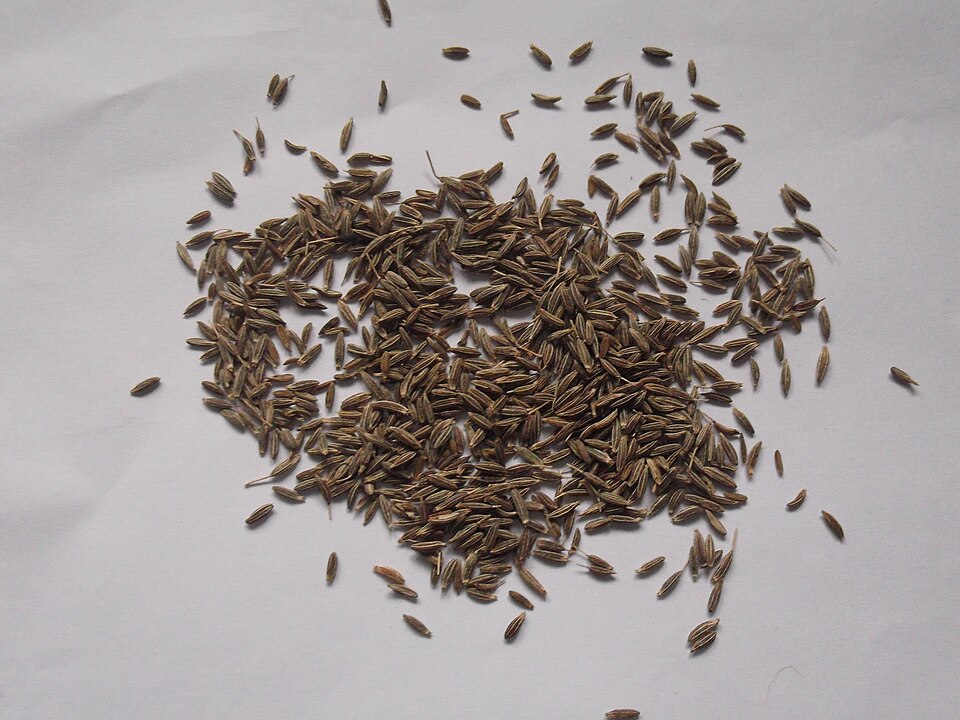

Many homeowners find that how to grow cumin is easier than they expected once they know the basics.
You do not need a rare cultivar to succeed with cumin. What you need is fresh seed or healthy young plants and a variety suited to your climate. Fresh seed direct-sown into warm soil, since it demands real heat to ripen. Local nurseries usually carry types proven in the area, which beats ordering blind from across the country. Buy whole seed for sowing, not ground cumin from the spice aisle. Freshness matters more than variety here.
Whatever you buy, inspect it. Seed packets should be dated for the current season. Transplants should have white, fibrous roots, not a brown tangled mat. The Missouri Botanical Garden plant finder is a useful place to compare descriptions and confirm you are buying the right species. And if a neighbor grows cumin well, ask where their stock came from: local success is the best recommendation there is.
If you already grow herbs or vegetables, you may enjoy our companion guide to growing lemon verbena for ideas on what to plant alongside.
When to Plant Cumin
Many homeowners find that how to grow cumin is easier than they expected once they know the basics.
The key to how to grow cumin is choosing the right approach for your space and budget.
Every region has its own rhythm, but cumin follows frost dates the way most garden plants do. Here is the timing that works: start seeds indoors about 4 weeks before your last spring frost. direct sow about 2 weeks after your last spring frost. set out transplants about 2 weeks after your last spring frost.
Those offsets are relative to your frost dates, not anyone else's, so check your USDA zone planting dates on our planting calendar and write down your last spring frost and first fall frost before you sow. The Old Farmer's Almanac planting calendar lets you look up dates by zip code, which takes the guesswork out of it. For the botanical details and native range, the USDA PLANTS database is the authoritative reference.
When in doubt, sow a small test patch first. If cumin sprouts strongly within the expected window, sow the rest with confidence. This two-step habit has saved many gardeners from replanting an entire bed after a late cold spell.
If you are unsure of your frost dates, check your USDA zone planting dates on our planting calendar before you sow a single seed. A week or two of error at planting time can cost you a month at harvest time.
Soil and Sun
The key to how to grow cumin is choosing the right approach for your space and budget.
With a little planning, how to grow cumin can fit even a busy schedule.
Site selection is the step most gardeners rush, and the one they most regret rushing. Cumin needs Full sun, and it performs best in soil that is Sandy, well-drained. Spend an afternoon watching sun and shade patterns before you commit to a bed.
If your soil is heavy clay or pure sand, amend it before planting rather than after. Work in several inches of compost and let the bed settle. Guidance from University of Minnesota Extension on building garden soil applies well beyond Minnesota. Good soil structure pays off for every crop you will ever grow in that bed.
As for water at planting time, cumin wants low to medium. Water new plantings in thoroughly, then settle into the routine described in the watering section below.
Planting Step by Step
With a little planning, how to grow cumin can fit even a busy schedule.
Before you start, it helps to understand how how to grow cumin works in real homes.
Cumin demands heat - sow it directly a quarter inch deep in warm, sandy, well-drained soil in full sun. It needs a long hot season, so choose your warmest bed. Thin seedlings to 4 to 6 inches apart. Cumin hates wet feet and rich soil; lean, fast-draining ground gives the most aromatic seed.
Here is the planting routine for cumin, in order:
1. Prepare the bed a week or two ahead: loosen the soil, work in compost, and rake it level.
2. Sow or set each plant a quarter inch deep, then firm the soil gently over it.
3. Space plants about 6 inches apart each way, giving each one room to reach full size without crowding.
4. Water the bed thoroughly right after planting so the soil settles around the roots or seed.
5. Mulch lightly to hold moisture and discourage weeds, keeping mulch a couple of inches back from stems.
6. Label the row with the variety and date; you will thank yourself later.
Handle young plants by the root ball, never by the stem. A crushed stem at planting time is a stunted plant all season. Clemson Cooperative Extension offers straightforward transplanting checklists that cover the details worth getting right.
Watering and Feeding
Before you start, it helps to understand how how to grow cumin works in real homes.
A good plan for how to grow cumin saves time, money, and frustration.
Cumin needs low to medium. That is the headline; the details are about consistency. Even moisture matters more than volume: plants stressed by alternating drought and flood never perform their best.
Mulch is the hardest-working tool in the watering routine. A few inches of straw, shredded leaves, or bark holds moisture, cools the soil, and starves weeds. Pull it back a couple of inches from stems so crowns stay dry. Guidance from Gardenia.net on mulching ornamentals and edibles alike is worth a read.
Go easy on fertilizer. Compost worked into the bed at planting plus a light mid-season feeding is plenty for cumin. Overfed plants grow lush and weak, with more pests and less flavor: restraint is a virtue here.
Care Through the Season
A good plan for how to grow cumin saves time, money, and frustration.
For most people, how to grow cumin comes down to a few smart choices.
Mid-season care is where harvests are made or lost. Cumin does not need constant fussing, but it does need steady attention to water, weeds, and pests. Walk the bed every few days; problems caught early are small problems.
For side-by-side comparisons and detailed plant profiles, the Missouri Botanical Garden plant finder is one of the most reliable free references a home gardener can bookmark.
Water sparingly once plants are up; cumin is drought tolerant and excess water causes blight. Do not fertilize - poor soil concentrates the flavor. Weed carefully while plants are small; the ferny foliage competes weakly. Watch for aphids on the umbels in humid weather. Plants stay under 18 inches, so no staking is needed.
Keep up with the small jobs and the season mostly runs itself. If you grow other plants in the same category, our guide to growing comfrey covers seasonal routines that transfer well.
Stake or support tall growth before it flops, not after. String, twine, and a few sturdy stakes cost little and save the harvest. Plants tied loosely with room to move grow stronger stems than plants lashed tight.
Grower's tip: Needs a long, hot summer for seeds to ripen, so start indoors in short-season areas. Harvest seed heads when they turn brown and dry.
Harvest
For most people, how to grow cumin comes down to a few smart choices.
If you are new to how to grow cumin, start with the simplest option and build from there.
Picking at the right moment is a skill, and cumin rewards gardeners who learn it. The harvest window and the handling notes below will help you bring in the best possible crop.
For region-specific harvest and storage advice, University of Minnesota Extension publishes practical, research-based factsheets worth reading before the picking season starts.
Harvest when the umbels turn brown and dry: cut the whole plants, dry them in bundles, and thresh the tiny ridged seeds onto a sheet. Winnow away dust and chaff. Freshly harvested seed has the strongest aroma - toast lightly before grinding. Pro tip: in short-season climates, start seed in soil blocks and transplant very young, before the taproot objects.
Handle the harvest gently and get it out of the sun promptly. Heat and bruising are the enemies of quality from the moment of picking. A basket in the shade beats a pile in the sun every time.
For more harvest-timing ideas across the garden, see our guide to growing southernwood.
Troubleshooting
If you are new to how to grow cumin, start with the simplest option and build from there.
When it comes to how to grow cumin, getting the details right makes all the difference.
Cumin is a sturdy plant, but a few pests, diseases, and climate limits can spoil the crop. This section covers the ones American gardeners actually meet, and what to do about each.
Prevention beats cure every time. Rotate planting spots, clean up debris at season's end, water at the base rather than overhead, and give plants the spacing they need for air flow. These four habits prevent more disease than any product on the shelf.
Quick-Grow Facts
When it comes to how to grow cumin, getting the details right makes all the difference.
Many homeowners find that how to grow cumin is easier than they expected once they know the basics.
- Botanical name: Cuminum cyminum
- USDA zones: 5 to 11
- Sun: Full sun
- Soil: Sandy, well-drained
- Water: Low to medium
- Spacing: about 6 inches apart
- Planting depth: a quarter inch deep
- Days to maturity: 110 to 140
Cumin is one of those crops that makes a gardener look good with modest effort. Give it the right timing, decent soil, and steady water, and it will do the rest. Start small this season, take notes, and grow more next time: that is how every good gardener learned.
References
Many homeowners find that how to grow cumin is easier than they expected once they know the basics.
Old Farmer's Almanac. (n.d.). Home gardening growing guides. https://www.almanac.com/
Missouri Botanical Garden. (n.d.). Plant finder. https://www.missouribotanicalgarden.org/
Old Farmer's Almanac. (n.d.). Planting calendar by zip code. https://www.almanac.com/planting-calendar
U.S. Department of Agriculture. (n.d.). PLANTS database. https://plants.usda.gov/home
University of Minnesota Extension. (n.d.). Yard and garden growing guides. https://extension.umn.edu/
Was this guide helpful?

About My Garden US
The My Garden US editorial team writes practical, in-depth home and garden guides for American homeowners — tested advice, no fluff.
You May Also Like

How to Grow Jujube: Drought-Tough Fruit
October 21, 2026 23 views
How to Grow Nigella for Seed & Pods
November 16, 2026 0 views
Seed Starting Trays Deals Near Me: Where to Find the Best Prices
April 22, 2026 14 views