When it comes to how to grow tatsoi, getting the details right makes all the difference.
Table of Contents
Table of Contents
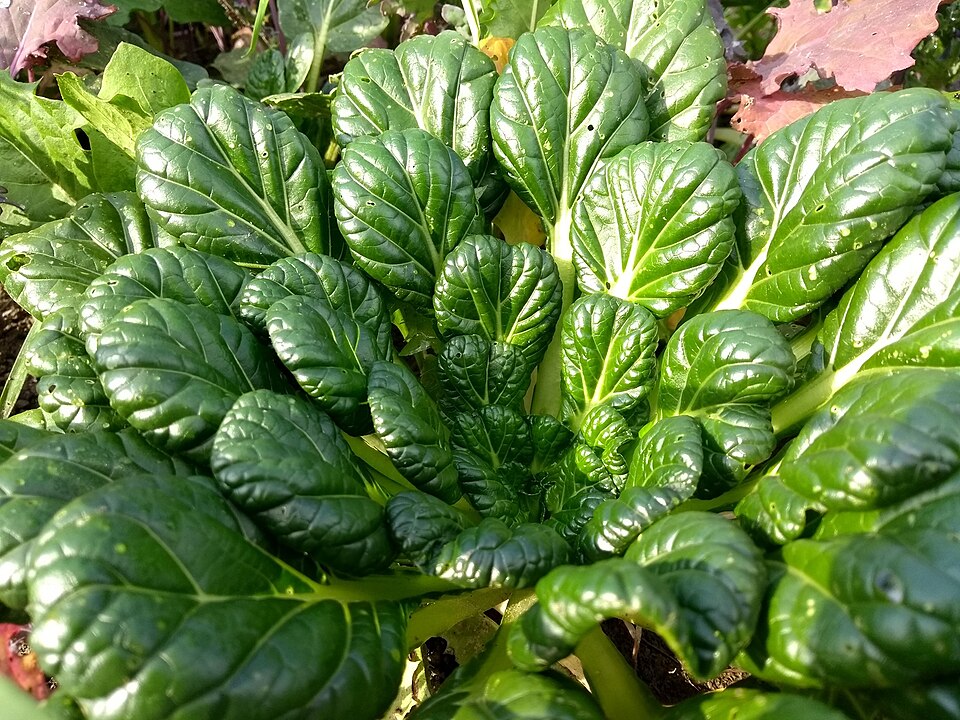
Photo: Wikimedia Commons
Tatsoi's flat rosette looks like a green flower pressed onto the soil, and it is nearly as tough as it is pretty. Few greens survive the frosts that tatsoi shrugs off, which makes it the backbone of the fall garden. The spoon-shaped leaves have a mild mustard flavor that suits salads and quick wilting alike. It grows fast, asks little, and keeps producing long after tender greens have quit. For extending the season, it has few rivals.
Tatsoi forms a flat rosette of spoon-shaped leaves so pretty it looks ornamental, and it handles cold better than almost any other green in the garden. Frosts that kill lettuce outright barely slow it down. It matures in 40 to 50 days with a mild, mustardy flavor that works raw or wilted. If you want a green that extends the season deep into fall, learning how to grow tatsoi is one of the best moves a vegetable gardener can make.
The plant is Brassica rapa var. rosularis, a cool-season brassica for zones 4 through 9. The USDA PLANTS Database places it with the mustards and Asian greens. Like its cousins, it bolts in heat, so fall is its season. Tatsoi is slower to bolt than most Asian greens, which gives you a wider harvest window.
Choosing a Variety
When it comes to how to grow tatsoi, getting the details right makes all the difference.

Many homeowners find that how to grow tatsoi is easier than they expected once they know the basics.
Standard tatsoi makes the classic flat rosette, dark green and glossy. Upright types exist for gardeners who dislike the low, soil-splashing habit; they stand taller and stay cleaner. For most home gardens the standard type is fine, especially with mulch under it.
Buy fresh seed. Tatsoi germinates quickly and evenly when the seed is fresh, usually within a few days in cool soil. Old seed germinates patchily. One packet sows several successions. The Missouri Botanical Garden vegetable notes compare Asian greens for gardeners choosing among them.
When and How to Plant
Many homeowners find that how to grow tatsoi is easier than they expected once they know the basics.
The key to how to grow tatsoi is choosing the right approach for your space and budget.
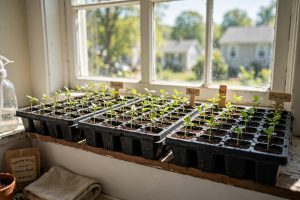
Sow directly where the plants will grow. Tatsoi dislikes transplanting and bolts faster when its roots are disturbed. Sow a quarter inch deep as soon as the soil can be worked in spring, and again in late summer for fall. For the fall crop, count back 40 to 50 days from your first fall frost.
Thin to 6 to 8 inches apart. The rosettes spread wide and flat, and crowded plants stay small. Sow in succession every couple of weeks through the cool season for a steady supply. The Old Farmer's Almanac planting calendar gives local frost dates, and our planting calendar shows USDA zone timing for fall greens.
Fall sowings often survive under row cover well past the first frosts. Tatsoi is one of the best crops for a simple cold frame; it keeps producing leaves long after the rest of the garden has quit.
Soil and Sun
The key to how to grow tatsoi is choosing the right approach for your space and budget.
With a little planning, how to grow tatsoi can fit even a busy schedule.
Fertile, well-drained soil. Work compost into the bed before sowing; tatsoi grows fast and wants fertility ready from the start. A pH near neutral suits it. The low rosette splashes soil easily in rain, so mulch with straw to keep leaves clean.
Full sun to part shade. In the cool of fall, full sun is perfect. For late-summer sowings, a little afternoon shade eases heat stress. The University of Minnesota Extension leafy-green guides recommend the same rich soil and even moisture for all fast brassicas.
Plant it alongside its cousins. Bok choy and mizuna share the sowing schedule and the row cover, making a tidy Asian greens bed.
Watering and Feeding
With a little planning, how to grow tatsoi can fit even a busy schedule.
Before you start, it helps to understand how how to grow tatsoi works in real homes.
Water evenly. Drought makes the leaves tough and pushes the plant toward bolting. Mulch to hold moisture and keep the low leaves clean. In dry fall weather, a deep watering once a week keeps growth tender.
Feed lightly. The compost at planting usually carries the crop. Tatsoi matures so fast that mid-season feeding rarely pays. If the bed is poor, a weak liquid feed at three weeks helps, but rich soil matters more than fertilizer. The Clemson Home & Garden Information Center advises light feeding for fast greens.
Care Through the Season
Before you start, it helps to understand how how to grow tatsoi works in real homes.
A good plan for how to grow tatsoi saves time, money, and frustration.
Cover with row fabric from sowing day. Flea beetles are the main pest, peppering leaves with tiny holes. A floating row cover excludes them completely and also shelters plants from early frosts. Leave the cover on through harvest.
Tatsoi is slow to bolt compared with other Asian greens, but sustained heat will eventually push it to flower. When it does, the yellow blossoms are edible, with a mild mustard flavor, and they attract beneficial insects. Letting one plant flower feeds the pollinators and gives you free seed.
Watch for slugs on the low leaves and for cabbage worms. Hand-pick worms or spray Bt. Clean mulch and good air circulation prevent most trouble. Clemson Cooperative Extension pest notes cover brassica insects with practical, low-toxicity controls.
Harvest
A good plan for how to grow tatsoi saves time, money, and frustration.
For most people, how to grow tatsoi comes down to a few smart choices.
Harvest outer leaves as needed, working around the rosette and leaving the center intact. The plant keeps producing new leaves from the middle. Or cut the whole rosette at the base for a generous bunch. Both methods work; leaf-by-leaf picking stretches the harvest over weeks.
The mild, mustardy flavor is excellent raw in salads or quickly wilted with garlic. Cold-sweetened fall leaves taste noticeably better than spring ones. Harvest in the morning, rinse, and refrigerate. Tatsoi keeps about a week in the crisper.
For winter harvest, cover the bed with row fabric or a cold frame before hard freezes. Plants often survive and keep producing leaves slowly through the cold months.
Tatsoi Through the Seasons
For most people, how to grow tatsoi comes down to a few smart choices.
If you are new to how to grow tatsoi, start with the simplest option and build from there.
Spring sowing works but the season is short. Sow directly as soon as the soil can be worked, thin to six to eight inches, and harvest young. Warm weather eventually pushes even tatsoi to bolt, though it resists longer than most Asian greens. When the flower stalk rises, the yellow blossoms are edible and the bees love them.
Late summer is the main sowing for the fall crop. Count back 40 to 50 days from the first fall frost. The seedlings grow through the cooling weeks, and the fall leaves taste sweeter than spring ones. Cover with row fabric from sowing day against flea beetles.
Fall is tatsoi's glory season. Harvest outer leaves continuously, leaving the center to keep producing, or cut whole rosettes. Frosts that kill lettuce barely slow it. Under row cover or a cold frame, the harvest stretches deep into the cold months.
Winter in mild regions keeps the plants alive under cover, giving occasional cuttings. In cold regions, pull the last rosettes before hard freezes. The bed rests until spring, when the cycle starts again.
Cooking With Tatsoi
If you are new to how to grow tatsoi, start with the simplest option and build from there.
When it comes to how to grow tatsoi, getting the details right makes all the difference.
Tatsoi's mild mustard flavor suits both raw and cooked uses. Young leaves go straight into salads, where the spoon shape catches dressing. Larger leaves wilt in seconds in a hot pan with garlic, or stir into soups at the last minute. Cold-sweetened fall leaves need nothing more than a quick saute. Like other Asian greens, tatsoi pairs well with soy, sesame, and ginger. Harvest in the morning for the crispest leaves, and use them the same day for the best texture.
Troubleshooting
When it comes to how to grow tatsoi, getting the details right makes all the difference.
Bolting in heat is the main issue. Sow for fall, water evenly, mulch well. Once the flower stalk rises, the leaves turn stronger in flavor; harvest what is usable and let the plant feed the bees.
Flea beetle holes mean the row cover went on late. Next sowing, cover from day one. Small, stunted rosettes usually mean crowding; thin to the full 6 to 8 inches. Yellowing lower leaves can signal nitrogen shortage in poor soil; compost at planting prevents it.
Tatsoi is not a summer crop in hot regions. In zones 10 and warmer, grow it strictly as a fall-through-winter green. The UF IFAS Gardening Solutions site covers cool-season greens for warm climates, and Gardenia.net growing guides note its cold hardiness honestly.
Leaves that taste harsh instead of mild usually grew in heat or drought. Keep water even and harvest in the cool stretches; fall leaves are always sweeter. Tough older leaves cook better than they eat raw.
Holes in the leaves mean flea beetles got past the defenses. Row cover from sowing day is the reliable fix; sprays are a poor substitute. Check that the cover has no gaps at the edges where beetles sneak in.
If rosettes rot at the base, the soil stayed too wet or mulch piled against the stems. Improve drainage, pull mulch back from the crowns, and water in the morning so foliage dries by evening.
Tatsoi seed stays viable for several years in a cool, dry place, so one packet covers many sowings. Save seed from your best fall plants: let one rosette bolt in spring, collect the pods when dry, and thresh out the seed. Home-saved seed adapts to your garden over generations, germinating faster and growing stronger each year.
References
Clemson University Cooperative Extension. (n.d.). Home & Garden Information Center. https://hgic.clemson.edu/
Missouri Botanical Garden. (n.d.). Plant finder. https://www.missouribotanicalgarden.org/
U.S. Department of Agriculture. (n.d.). PLANTS database. https://plants.usda.gov/home
University of Minnesota Extension. (n.d.). Yard and garden. https://extension.umn.edu/
Was this guide helpful?

About My Garden US
The My Garden US editorial team writes practical, in-depth home and garden guides for American homeowners — tested advice, no fluff.