Chervil is the connoisseur's herb - lacy, fern-like leaves with a delicate anise flavor that the French call the gourmet's parsley. It is one of the fines herbes, essential to classic French cooking, yet oddly rare in American gardens. The reason is simple: chervil bolts at the first hint of heat, demanding cool weather and a gardener's timing. If you want to learn how to grow chervil, the secret is succession sowing through the cool season and giving it the afternoon shade it craves.
Table of Contents
Table of Contents
Chervil (Anthriscus cerefolium) is a cool-season annual hardy in zones 4 through 9, maturing in 50 to 60 days. It grows in spring and fall, rests through summer heat, and in mild climates self-sows to return year after year. Use it fresh - it loses its delicate flavor when dried.

Photo: Wikimedia Commons
Getting Started
When it comes to how to grow chervil, getting the details right makes all the difference.
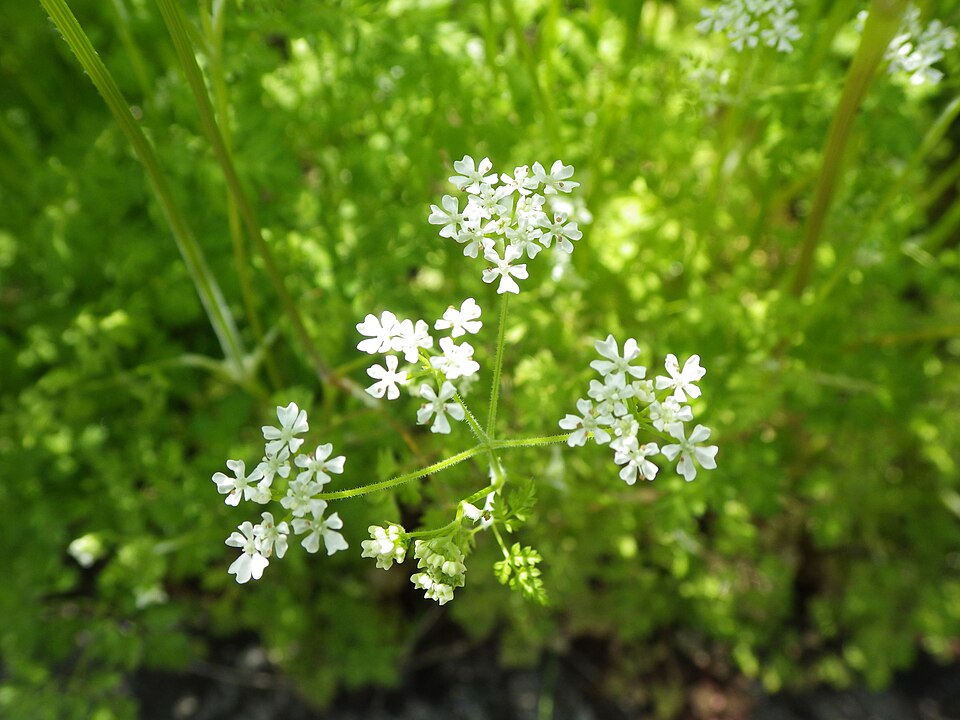

Many homeowners find that how to grow chervil is easier than they expected once they know the basics.
Buy seed - chervil is rarely sold as plants, and it dislikes transplanting anyway. The seed is larger than many herb seeds and easy to handle. Sow where it will grow; transplanting checks its growth and hastens bolting. One packet sows several successions.
Choose a spot with part shade - morning sun, afternoon shade is ideal. Chervil is one of the few herbs that prefers shade; full sun in anything but the coolest climates bolts it in weeks. Under a tree, on the north side of a fence, or in the shade of taller vegetables all work. The Missouri Botanical Garden plant finder describes its shade preference, and Gardenia.net has growing notes.
Plan for succession from the start. A single sowing gives a few weeks of harvest before bolting. Sow every two to three weeks through the cool season for continuous supply. Keep a simple sowing log on a plant label or in a notebook - when every patch looks identical, the dates are the only way to know which sowing is at peak and which needs replacing.
When and How to Plant
Many homeowners find that how to grow chervil is easier than they expected once they know the basics.
The key to how to grow chervil is choosing the right approach for your space and budget.
Direct sow a quarter inch deep as early as the soil can be worked in spring - chervil germinates in cool soil and the seedlings handle light frost. You can also start indoors about four weeks before the last frost, but direct sowing is simpler and the plants do better. For fall, sow about six weeks before your first fall frost for a crop that often outperforms spring.
Fall chervil deserves emphasis because it is genuinely the better crop in most regions. Spring chervil races against warming weather - you are always one hot week from bolting. Fall chervil, sown as temperatures drop, grows steadily through the cool autumn with no heat pressure at all, often producing bigger plants and a longer harvest. In mild-winter zones, a fall sowing with row cover can produce all winter. If you have been disappointed by spring chervil, try fall before giving up on the herb. Check your zone's dates on our planting calendar.
Thin seedlings to 6 to 8 inches apart once they have true leaves. Crowded chervil stays small and bolts sooner. Keep the seedbed consistently moist until germination, which takes one to two weeks. In warm soil, germination drops - another reason to sow early and in shade. A light covering of straw over the seedbed holds moisture during germination; pull it back once seedlings emerge so they get light.
Let the last spring sowing bolt and drop seed. Chervil self-sows readily; volunteers appear the next cool season without any work from you. Thin the volunteers to spacing and enjoy the free crop. After a year or two of self-sowing, you will have chervil appearing in the same bed every cool season like clockwork - the closest thing to a perennial this annual herb offers, and entirely free.
Soil and Sun
The key to how to grow chervil is choosing the right approach for your space and budget.
With a little planning, how to grow chervil can fit even a busy schedule.
Part shade - this is non-negotiable for a long harvest. Morning sun with afternoon shade, or dappled shade all day, keeps plants cool and delays bolting by weeks. In the coolest climates, chervil tolerates more sun, but shade is still safer.
Soil should be rich, moist, and well-drained. Work compost into the bed before sowing - chervil is a leafy crop and leafy crops are hungry. Good moisture retention matters enormously; dry soil bolts chervil fast. Mulch with straw or shredded leaves to hold moisture and keep roots cool. A near-neutral pH suits it. For soil guidance, the Clemson HGIC herb pages and University of Minnesota Extension cover the basics.
Watering and Feeding
With a little planning, how to grow chervil can fit even a busy schedule.
Before you start, it helps to understand how how to grow chervil works in real homes.
Keep soil consistently moist - the golden rule for chervil. Drought stress bolts it almost immediately. Water little and often rather than in occasional floods; mulch does the heavy lifting of holding moisture between waterings. In hot spells, an extra watering in the afternoon cools the roots and buys time. A drip line or soaker hose under the mulch delivers steady moisture without wetting the delicate foliage - and dry foliage means less mildew, the disease this herb is prone to when stressed.
Feed lightly. The compost at planting is usually enough. If plants look pale in poor soil, a watering with diluted liquid fertilizer helps. But heavy feeding is unnecessary for a crop that lives a few months - and excess nitrogen in hot weather just pushes soft growth that bolts faster. The Old Farmer's Almanac herb guides keep feeding advice light.
Harvest: Use It Fresh
Before you start, it helps to understand how how to grow chervil works in real homes.
A good plan for how to grow chervil saves time, money, and frustration.
Pick outer leaves as needed once plants are a few inches tall, always leaving the growing center. Harvest before the plant flowers - blooming turns the delicate anise flavor bitter, and bolted plants are done. Morning picking, after dew dries, gives the best flavor. The leaves are at their crispest and most aromatic in the cool of the morning; by afternoon heat, the delicate oils begin to fade. If you can only pick once a day, make it morning - your omelettes will taste the difference. Keep a small pair of scissors by the back door during chervil season; the easier you make harvesting, the more you will use this delicate herb at its peak.
Use chervil fresh, always. Drying destroys its charm; freezing is barely better. This is a pick-and-use-immediately herb - snip it over the finished dish at the table. It shines in egg dishes, salads, light soups, and with fish and chicken - anywhere its subtle anise notes can whisper rather than shout. Classic French omelettes aux fines herbes depend on it.
If you have more than you can use fresh, make chervil butter: chop leaves finely, mix into softened butter with a pinch of salt, and freeze in logs.
Chervil butter is worth making even if you have only a small surplus - it captures the herb's delicate flavor far better than any dried product, and a slice melting over a hot piece of fish or a pile of new potatoes is a genuine luxury. Roll the mixed butter in parchment into a log, freeze it, and slice off coins as needed; it keeps for months. You can also stir chopped chervil into soft cheese for a quick herb spread, or whisk it into vinaigrettes where its anise notes lift the whole dressing.
Chervil shares the shade bed with cilantro and parsley - all cool-season herbs that bolt in heat and appreciate the same conditions. A single shady bed sown with all three in early spring gives you the complete fines herbes collection steps from the kitchen door.
Chervil's lacy foliage makes it a pretty edging for the shade bed even when you are not harvesting - the fine texture contrasts beautifully with bold hosta leaves. Plant it where you will see it daily, because daily harvesting is what keeps the plants productive and the kitchen supplied.
Troubleshooting
A good plan for how to grow chervil saves time, money, and frustration.
For most people, how to grow chervil comes down to a few smart choices.
Bolting: Heat, drought, or too much sun. Sow in cool weather, give afternoon shade, water consistently, mulch roots.
Bitter leaves: Flowering or heat stress. Harvest before bloom; grow in cool seasons.
Poor germination: Sown in hot, dry soil. Sow early, keep moist, provide shade.
Aphids: In warm spells they cluster on stems. Harvest affected stems promptly or blast with water.
Powdery mildew: Humid, crowded conditions. Space properly, water at the base, improve airflow. (The reference photo above even shows it - this herb mildews when stressed.) UF IFAS Gardening Solutions has herb disease photos, and the USDA National Agricultural Library indexes herb references. The USDA PLANTS Database documents the species. Clemson Cooperative Extension covers cool-season herbs.
Leggy seedlings: Sown too thickly or in too little light. Thin to spacing and give bright indirect light.
Slugs: In damp shade they chew young plants. Trap or hand-pick after dark; iron phosphate bait is safe around edibles.
Plants dying in summer heat: Normal - chervil is a cool-season plant. Let it go, and sow again when cool weather returns. The self-sown volunteers will handle the timing themselves, often emerging earlier in fall than you would think to sow.
References
For most people, how to grow chervil comes down to a few smart choices.
If you are new to how to grow chervil, start with the simplest option and build from there.
Missouri Botanical Garden. (n.d.). Anthriscus cerefolium. https://www.missouribotanicalgarden.org/
Clemson University Cooperative Extension Service. (n.d.). Cool-season herbs for the home garden. https://hgic.clemson.edu/
Old Farmer's Almanac. (n.d.). Growing chervil. https://www.almanac.com/
When it comes to how to grow chervil, getting the details right makes all the difference.
Many homeowners find that how to grow chervil is easier than they expected once they know the basics.
If you are new to how to grow chervil, start with the simplest option and build from there.
When it comes to how to grow chervil, getting the details right makes all the difference.
Was this guide helpful?

About My Garden US
The My Garden US editorial team writes practical, in-depth home and garden guides for American homeowners — tested advice, no fluff.
You May Also Like
Organic Herb Seeds USA Online Deals: How to Grow Your Own Kitchen Garden
April 26, 2026 18 views
How to Grow Lettuce: Crisp Leaves, No Bolting
October 8, 2026 44 views
How to Grow Lima Beans: Heat Guide
October 11, 2026 29 views