
Table of Contents
Table of Contents
- Choosing a Variety
- When and How to Plant
- Timing your sowing
- Spacing, depth, and days to harvest
- Soil and Sun
- Light needs
- Building good soil
- Watering and Feeding
- Watering routine
- Feeding
- Care Through the Season
- Companions and Placement
- Harvest
- Troubleshooting
- Through the Seasons
- Spring
- Summer
- Fall and Winter
- Quick Answers
- Using the Harvest
- Keep Growing
- References
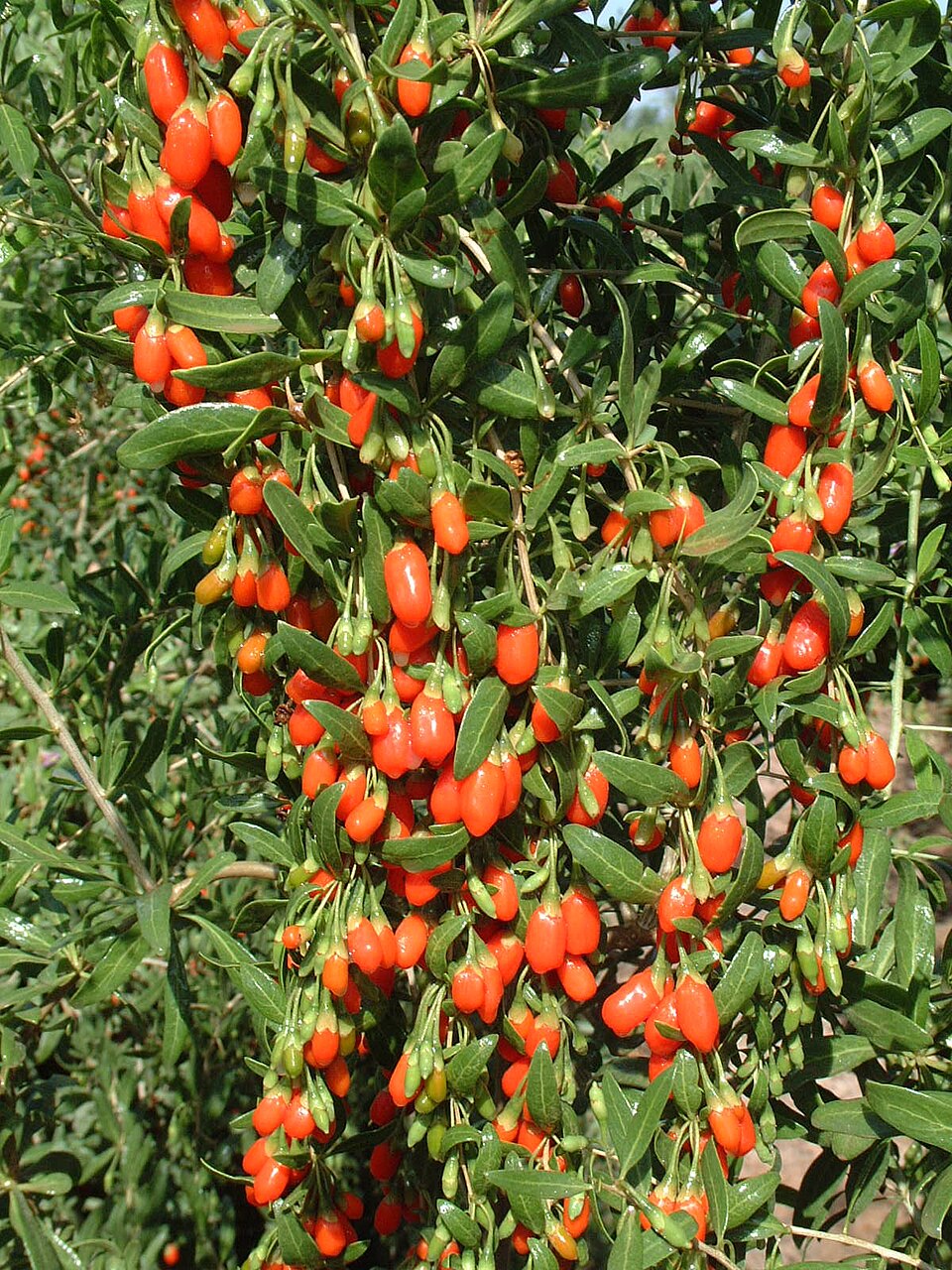
Photo: Wikimedia Commons
Goji berries - the bright red-orange superfruit of health-food fame - grow on a tough, sprawling shrub that asks for surprisingly little. One plant is self-fertile, drought-tolerant once established, and fruits over a long season, a few berries at a time for fresh snacking. The catch is vigor: left unpruned, goji becomes a weedy thicket that suckers across the bed. Learning how to grow goji berries is mostly learning to prune hard every winter and to ruthlessly remove suckers. The USDA PLANTS entry for Lycium barbarum confirms its hardy, spreading nature. This guide covers planting, trellising, the annual hard prune, and the long picking season. For a quick botanical overview, see the USDA PLANTS entry for Lycium barbarum.
Choosing a Variety
When it comes to how to grow goji berries, getting the details right makes all the difference.

Many homeowners find that how to grow goji berries is easier than they expected once they know the basics.
Goji is usually sold simply as Lycium barbarum, sometimes under variety names like Crimson Star or Phoenix Tears selected for larger fruit. Any reputable nursery plant will do; the species is self-fertile, so one plant fruits alone. The Old Farmer's Almanac guide to goji berries notes the suckering habit as the main consideration in choosing a site. Buy a sturdy potted plant rather than seed - seed-grown plants take years to fruit and vary in quality. Give it room: space three to five feet apart, or contain it with a root barrier sunk a foot deep around the planting hole.
When and How to Plant
Many homeowners find that how to grow goji berries is easier than they expected once they know the basics.
The key to how to grow goji berries is choosing the right approach for your space and budget.
Timing your sowing
Goji Berry is almost always planted from nursery stock, bare-root plants, or divisions rather than seed. Set plants out around your last spring frost, about a week after it, when the soil is workable and warming. Plant at the same depth the plant grew in its pot, firm the soil gently, and water it in well.
Spacing, depth, and days to harvest
The first season is mostly about roots and establishment; the real payoff begins in the second season, so plant with patience.
The day you plant matters less than the week after: keep new plants watered and mulched while roots knit into the surrounding soil. An overcast planting day gives them the gentlest possible start.
Frost-date charts from a ZIP-code planting calendar help if you are new to reading your zone.
Soil and Sun
The key to how to grow goji berries is choosing the right approach for your space and budget.
With a little planning, how to grow goji berries can fit even a busy schedule.
Light needs
Sun is non-negotiable: aim for a spot that stays lit from mid-morning on. Shade-grown plants disappoint.
Building good soil
The soil recipe is simple: average, well-drained, slightly alkaline soil. A generous digging-in of compost at planting time fixes most imperfect soils.
Hardy in zones 5 through 9, it fits most of the country. If you garden at the cold edge of the range, a sheltered microclimate near a wall buys you a few degrees of safety.
Top the bed with compost and mulch at planting time. As the mulch decays it feeds the soil life that feeds your plants - the cheapest fertilizer program there is.
Soil testing labs listed through the University of Minnesota Extension can confirm your pH before you plant.
Watering and Feeding
With a little planning, how to grow goji berries can fit even a busy schedule.
Before you start, it helps to understand how how to grow goji berries works in real homes.
Watering routine
Go easy with the hose. This plant tolerates drought far better than wet feet, so water only when the soil is truly dry.
Feeding
Compost mulch in spring is enough; goji dislikes rich feeding. Go light on fertilizer. Compost worked in at planting plus a mid-season mulch feeding will carry it; overfeeding causes more problems than it solves.
Water in the morning so foliage dries by evening - wet leaves overnight invite disease. A rain gauge, or even a tuna can set out in the rain, tells you how much fell; adjust the hose accordingly.
Irrigation basics from Clemson's Home & Garden Information Center apply to all of these schedules.
Care Through the Season
Before you start, it helps to understand how how to grow goji berries works in real homes.
A good plan for how to grow goji berries saves time, money, and frustration.
Through the season, water the first year; established plants tolerate drought but fruit better with steady moisture. Provide a trellis, cage, or fence, because the long arching canes flop under the weight of fruit. The defining job is winter pruning: keep three to five strong canes, cut laterals back hard, and remove suckers ruthlessly - goji fruits on new wood, so hard pruning means more fruit, not less. Watch for aphids and spider mites, and powdery mildew in humid spots; good airflow from proper pruning prevents most of it. Clemson's Home & Garden Information Center has cane-fruit pruning diagrams that translate well. Mulch to suppress the suckers you cannot see.
Companions and Placement
A good plan for how to grow goji berries saves time, money, and frustration.
For most people, how to grow goji berries comes down to a few smart choices.
Grow goji berries with Raspberry, Blackberry, and Blueberry in a dedicated fruit area with full sun and room to work around each plant. Pruning is the recurring job in any fruit planting - learn the cuts for each type and do them yearly, since neglected wood means neglected crops. Keep the patch weeded and mulched; grass competing at the roots steals water and nutrients. Plan for birds from the start with netting or a shared-harvest mindset. Harvest often and process promptly; fruit waits for no one.
Harvest
For most people, how to grow goji berries comes down to a few smart choices.
If you are new to how to grow goji berries, start with the simplest option and build from there.
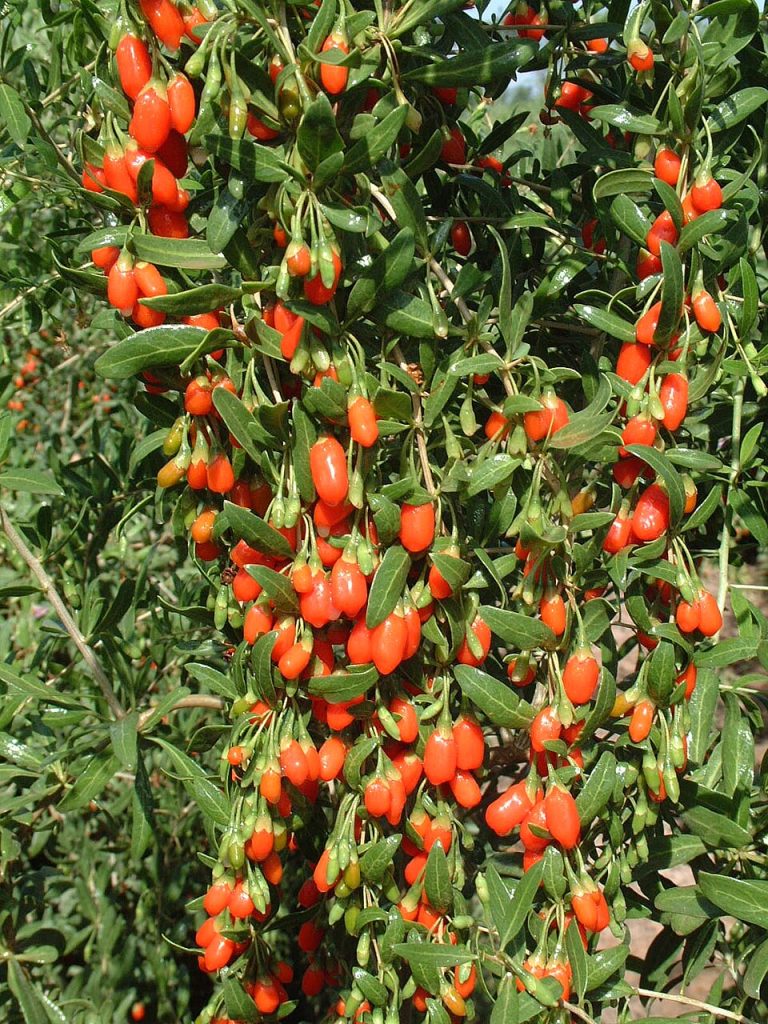
Pick berries when fully red-orange and slightly soft; they ripen over a long stretch, so harvest every few days rather than waiting for a single big picking. Fresh gojis are mildly sweet - pleasant, not candy - and the Missouri Botanical Garden plant finder notes their traditional dried use. Dry them like raisins in a dehydrator for the familiar chewy snack, or freeze the surplus. Wear gloves if the canes scratch you; some plants are lightly thorny. Expect a small crop the first year and increasing harvests as the pruned framework matures.
Troubleshooting
If you are new to how to grow goji berries, start with the simplest option and build from there.
When it comes to how to grow goji berries, getting the details right makes all the difference.
A tangled, unproductive thicket means pruning was skipped - renovate in winter by cutting everything to the strongest canes and start the annual routine. Suckers popping up feet away are normal; mow or dig them, or install a root barrier. In zones 9 and 10 the plant can sucker aggressively enough to be a nuisance, as the USDA National Agricultural Library's resources note - container growing solves it. Powdery mildew signals crowding; thin the canes for air. Few berries on an old, unpruned plant is simply old wood; goji fruits on new growth, so the hard winter prune is the fix, every year, without exception.
Through the Seasons
When it comes to how to grow goji berries, getting the details right makes all the difference.
Spring
Spring is the busiest fruit season: prune before bud break, top-dress with compost, and mulch the root zones. Set out new plants early so roots establish before heat. Hang bird netting before fruit colors - once birds find the crop, netting is a rescue, not a plan.
Summer
Summer means water, netting, and harvest. Keep fruiting plants evenly watered - drought during fruit swell costs size and flavor. Pick at peak ripeness and process promptly; fruit waits for no one. After harvest, prune out spent wood where the type calls for it, and keep up with weeds.
Fall and Winter
In fall, clean up fallen fruit to break pest cycles, and do the dormant pruning each type needs. Mulch root zones after the ground cools. Winter is for planning and ordering - new bushes planted in early spring establish fastest. Sharpen pruners; spring comes fast.
Quick Answers
How long does goji berries take to grow?
The first season is about establishment; expect the real harvest to begin in the second season. Perennials reward patience.
What zones can I grow goji berries in?
Zones 5 through 9. Inside that range it is hardy and reliable; outside it, grow as an annual or in containers.
How much sun does goji berries need?
Full sun. Give it the sunniest spot you have; shade-grown plants disappoint.
How far apart should I plant goji berries?
About 60 inches apart. Crowding stunts plants and invites disease, so give each one its room - the harvest is bigger, not smaller, for the space.
Using the Harvest
Eat gojis fresh off the bush for a mild, pleasant snack through the long picking season - a handful a day is the easiest way to use them. Dried in a dehydrator, they become the familiar chewy berry for trail mix, granola, and oatmeal. Steep dried berries in hot water for a traditional tea, or simmer them into soups and rice dishes. Freeze the surplus on trays; they thaw well for smoothies. Because the bushes fruit over weeks rather than all at once, keep a bowl by the door for daily picking - small, steady harvests are the goji way. Browse more plant profiles at Gardenia.net's plant profiles for ideas.
Keep Growing
How to grow goji berries: plant in sun, trellis the canes, prune hard each winter, pick often. The annual hard prune is the difference between a productive bush and a weedy mess - do not skip it. For planting dates, check your USDA zone planting dates and grow them with other cane fruits - our guides to how to grow raspberries, how to grow blackberries, and how to grow blueberries share the berry-patch routine.
References
- U.S. Department of Agriculture. (n.d.). Goji Berry (Lycium barbarum) plant profile. https://plants.usda.gov/home
- University of Minnesota Extension. (n.d.). Growing goji berries in home gardens. https://extension.umn.edu/
- Clemson University Cooperative Extension. (n.d.). Home & Garden Information Center. https://hgic.clemson.edu/
- Old Farmer's Almanac. (n.d.). Growing goji berries in home gardens. https://www.almanac.com/
Was this guide helpful?

About My Garden US
The My Garden US editorial team writes practical, in-depth home and garden guides for American homeowners — tested advice, no fluff.
You May Also Like
Native Grass Seed USA Online Deals: A Buyer's Guide
May 10, 2026 18 views
Succulent Variety Packs Buying Guide USA
July 1, 2026 21 views
Peat Pots for Seedlings: How to Find the Best Deals Near You
September 28, 2026 15 views