Sage (Salvia officinalis) is a herb that earns its keep. Hardy in zones 4 to 10, it wants full sun and well-drained, even poor soil. Woody perennial - replace every 3-4 years as it gets leggy. Excellent drainage is more important than fertility. Get those basics right and the plant does the rest.
When it comes to how to grow sage, getting the details right makes all the difference.
Table of Contents
Table of Contents
- At a Glance
- Choosing a Variety
- When and How to Plant
- Soil and Sun
- Watering and Feeding
- Care Through the Season
- Season by Season
- Harvest
- Storing and Preserving the Harvest
- Troubleshooting
- Frequently Asked Questions
- How long does sage take to grow?
- Can I grow sage in containers?
- What is the hardest part of growing sage?
- When should I plant sage?
- References
What follows is the complete season, step by step: varieties, planting dates by zone, soil and water, seasonal care, and harvest. Gardenia also carries a solid growing profile for sage as a second opinion.
Sage earns its bed. The return is a fast payoff by garden standards: roughly 80 to 100 days from planting to harvest. Few other plantings turn a packet of seed into this much food or color this quickly. Gardeners in zones 4 through 10 can grow it outdoors without heroics. Rots in wet winters; needs protection or sharp drainage in zone 4.
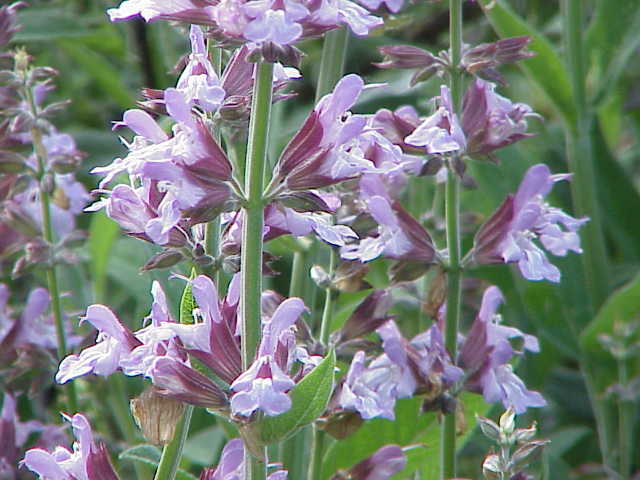
Photo: Wikimedia Commons
At a Glance
When it comes to how to grow sage, getting the details right makes all the difference.
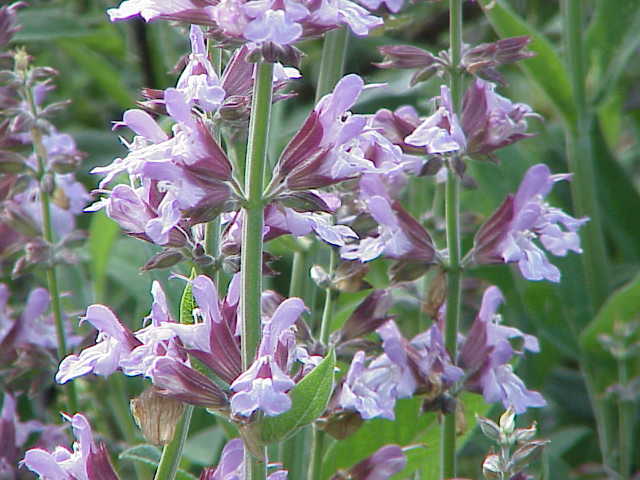

Many homeowners find that how to grow sage is easier than they expected once they know the basics.
- Botanical name: Salvia officinalis
- Type: Herb
- USDA zones: 4 to 10
- Sun: Full sun
- Soil: Well-drained, even poor soil
- Water: Drought-tolerant; dislikes wet soil
- Spacing: 18 inches apart
- Planting depth: 1/4 inch deep
- Days to maturity: 80 to 100 days
- How to start: Start indoors; buy transplants as a shortcut
Choosing a Variety
Many homeowners find that how to grow sage is easier than they expected once they know the basics.
The key to how to grow sage is choosing the right approach for your space and budget.
Garden sage is the classic culinary type with soft gray-green leaves. Purple sage and tricolor sage are ornamental enough for the flower border but still usable in cooking. Pineapple sage is a different species with red flowers and fruity scent, grown as an annual. Dwarf types suit pots and edging. All need sharp drainage - wet winter soil kills more sage than cold. For the kitchen, plain garden sage is best; for looks, the colored forms earn their place. Replace plants every few years as they turn woody. Our guide to growing thyme pairs well with this one if you are planning the bed. Compare variety descriptions at the Gardenia before you buy seed.
When and How to Plant
The key to how to grow sage is choosing the right approach for your space and budget.
With a little planning, how to grow sage can fit even a busy schedule.
Plant at the wrong time and sage sulks; plant at the right time and it takes off. Start seeds indoors about 6 weeks before your last spring frost.
Move transplants outside about 2 weeks after your last spring frost, once nights stay reliably warm.
Do not guess your frost dates - check your USDA zone planting dates on our planting calendar and work backward from there. The Almanac’s planting calendar gives a second reference.
Set plants 18 inches apart with seed or crowns 1/4 inch deep, in ground loosened a good 8 inches down. Tight spacing starves plants of air and light. Rots in wet winters; needs protection or sharp drainage in zone 4. The Old Farmer's Almanac has more on timing sage by region.
Soil and Sun
With a little planning, how to grow sage can fit even a busy schedule.
Before you start, it helps to understand how how to grow sage works in real homes.
Two things decide how your sage performs: light and ground. Give it full sun, and plant in well-drained, even poor soil. Compost - 2 to 3 inches mixed into the bed - is the single best amendment for almost any soil.
Do not plant in a low spot where water stands after rain; roots rot there. Raised beds solve most drainage sins. The UF IFAS Gardening Solutions covers soil prep for sage in plain detail.
Watering and Feeding
Before you start, it helps to understand how how to grow sage works in real homes.
A good plan for how to grow sage saves time, money, and frustration.
Sage does best with drought-tolerant; dislikes wet soil. Water early in the day so leaves dry by nightfall, and aim the hose at the base - wet foliage invites half the diseases in this guide's troubleshooting section.
Container plants dry out far faster than garden beds - check pots daily in summer heat. In the ground, mulch 2 to 3 inches deep to even out moisture. See the USDA PLANTS database for watering schedules by region.
Fertilizer is seasoning, not the meal. A bed enriched with compost at planting, plus one light feeding mid-season, carries sage through. Too much nitrogen gives leaves instead of the harvest you actually want.
Care Through the Season
A good plan for how to grow sage saves time, money, and frustration.
For most people, how to grow sage comes down to a few smart choices.
Once established, sage runs on routine. Once established, sage is drought tolerant and needs little beyond good drainage. Water deeply but infrequently, letting the soil dry between waterings, since soggy roots cause crown rot. Feed sparingly and pinch off flower spikes to keep leaves coming. Watch for spider mites and powdery mildew in humid, crowded spots. A weekly walk-through to check water, weeds, and pests keeps small issues small.
And do not skip this: woody perennial - replace every 3-4 years as it gets leggy. excellent drainage is more important than fertility. Simple, free, and effective - the best kind of garden advice. For a neighboring planting, see our guide to growing rosemary. For pest ID with photos, the USDA PLANTS database guides are hard to beat.
Keep a simple garden log: planting date, variety, weather quirks, what worked. Next season that notebook is worth more than any new product, because your own yard's history beats generic advice every time.
Winter wet is sage's true enemy, more than any cold snap. If your soil stays soggy, plant sage on a slight mound or in a raised bed where water drains away from the crown. A gravel mulch around the base keeps damp soil off the stems and warms the root zone - gardeners in rainy regions swear by it. Never cut sage back into old wood late in the season; the bare stubs won't resprout, and the plant enters winter with open wounds. A light shaping cut after flowering is plenty, and it keeps the plant compact without risking its life.
Season by Season
For most people, how to grow sage comes down to a few smart choices.
If you are new to how to grow sage, start with the simplest option and build from there.
A simple seasonal rhythm keeps sage productive. Spring - Start seeds indoors about 6 weeks before your last spring frost. Move transplants outside about 2 weeks after your last spring frost, once nights stay reliably warm. Work compost in early and harden seedlings before transplanting. Summer - consistent water, a fresh mulch layer, and a weekly pest check; harvest promptly and often. Fall - final pickings, then cleanup: In mild-winter areas, a late planting can carry the harvest into cool weather; elsewhere, finish up before hard frost. Compost what is healthy and mulch the bare ground. Winter - plan, order, and maintain.
In winter, rest: clean tools, order seed early for the best selection, and sketch next year's bed plan while the garden sleeps.
Harvest
If you are new to how to grow sage, start with the simplest option and build from there.
When it comes to how to grow sage, getting the details right makes all the difference.
Harvesting sage well is a skill worth learning: pick at peak ripeness, handle gently, and store correctly, and the harvest lasts far longer.
Harvest by snipping sprigs as needed, never taking more than a third of the plant at once, and pick before flowering for the strongest flavor. Fresh sage keeps about a week refrigerated, or hang bundles in a dark, airy spot to dry. Pro tip: sage turns woody after three or four seasons, so cut stems back hard each spring and renew old plants from cuttings. Pair this planting with our guide to growing oregano and the two harvests will overlap nicely. The Missouri Botanical Garden covers harvest handling for sage in more depth.
Storing and Preserving the Harvest
When it comes to how to grow sage, getting the details right makes all the difference.
Many homeowners find that how to grow sage is easier than they expected once they know the basics.
The freezer is the home herb gardener's best friend. Soft herbs lose their character when dried but keep it frozen: chop sage leaves, freeze in oil or water in ice cube trays, and bag the cubes for winter cooking. For drying, pick in the morning after dew dries, tie small bundles, and hang them somewhere dark with good air movement; crumble into jars once crisp. Whole dried leaves hold flavor longer than crushed, so crush only what you need. Pesto-style pastes - herbs blended with oil - freeze well in small jars with headspace. Keep everything labeled and dated, and use last season's stash before the new harvest arrives.
Troubleshooting
Crown rot in wet winter soil - sharp drainage is everything. Powdery mildew in humid crowded spots - space well. Spider mites in dry heat. Woody leggy plants need hard spring pruning or replacement. The National Agricultural Library problem guides cover these issues with photos, which helps when words fall short.
Frequently Asked Questions
How long does sage take to grow?
About 80 to 100 days from planting to harvest, depending on variety and weather. Warm seasons and good soil hit the early end of that range.
Can I grow sage in containers?
Yes, in a roomy container - think 5 gallons or larger with drainage holes. Compact varieties do best in pots. In-ground plants still outperform pots, but a sunny patio works fine.
What is the hardest part of growing sage?
Woody perennial - replace every 3-4 years as it gets leggy. Excellent drainage is more important than fertility. Master that one point and most other problems never show up.
When should I plant sage?
Work backward from your frost dates: Start seeds indoors about 6 weeks before your last spring frost. Move transplants outside about 2 weeks after your last spring frost, once nights stay reliably warm. Check your USDA zone planting dates on our planting calendar to pin down your exact window.
References
Missouri Botanical Garden. (n.d.). Salvia officinalis. Plant Finder. https://www.missouribotanicalgarden.org/
Gardenia.net. (n.d.). Salvia officinalis. https://www.gardenia.net/
Old Farmer's Almanac. (n.d.). Planting calendar. https://www.almanac.com/planting-calendar
U.S. Department of Agriculture. (n.d.). Salvia officinalis. National Agricultural Library. https://www.nal.usda.gov/
Was this guide helpful?

About My Garden US
The My Garden US editorial team writes practical, in-depth home and garden guides for American homeowners — tested advice, no fluff.