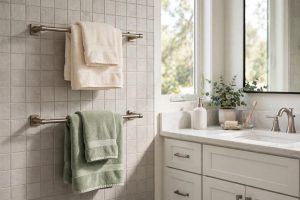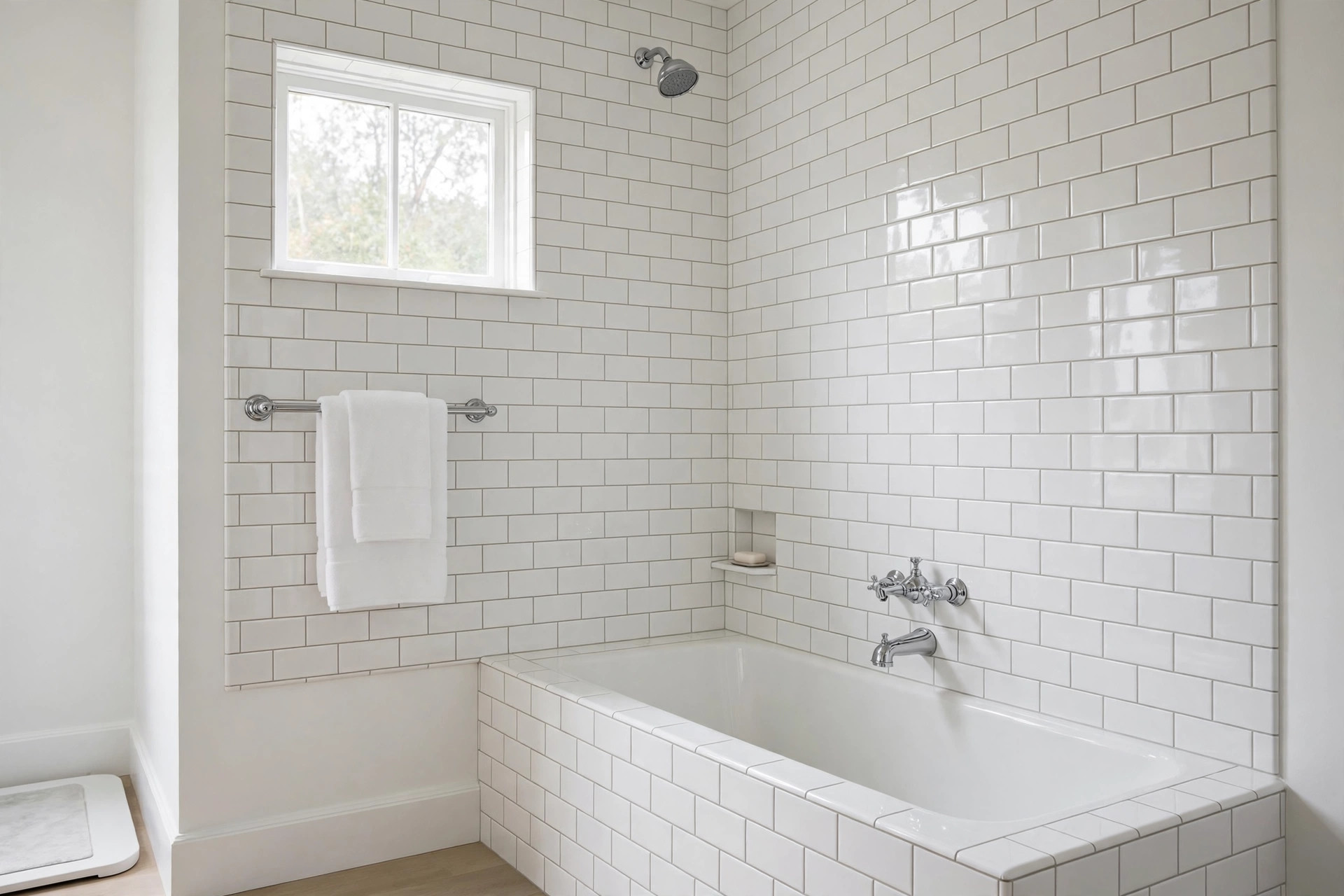

This bathroom wall tiles reviews buying guide usa is written for the homeowner who stands in a tile aisle and feels lost. Rows of samples sit on the shelves. Prices swing from one dollar a square foot to thirty. Sales staff speak of water absorption rates and rectified edges. This guide cuts through that noise. It explains which tiles hold up in wet American bathrooms, what they cost, how to pick them, and how to care for them for years to come. It is built on product reviews, builder guides, and the experience of thousands of homeowners.
Why Bathroom Wall Tiles Matter
Paint peels in a steamy bathroom. Wallpaper bubbles and lifts. Wall tile does neither. Glazed ceramic and porcelain tiles form a hard skin on the wall. They shed water, resist stains, and wipe clean with a damp cloth.
Good wall tile also shapes the room. Light tiles make a small bath feel larger. Dark tiles add drama to a large bath. A well laid tile wall can lift home value at resale. Real estate agents in many American markets note that clean, modern tile is one of the first things buyers notice. The reviews behind this bathroom wall tiles reviews buying guide usa point to the same finding again and again: wall tile is the most durable finish you can put in a shower or around a tub.
How to Choose: What to Look For: Bathroom Wall Tiles Reviews Buying Guide Usa
Start with the job. Shower walls need tile that resists constant water. A wall behind the vanity needs tile that wipes clean. A half bath needs little more than tile that looks good.
Check the tile grade. Most ceramic wall tile carries a PEI rating. Wall-only tiles often carry low PEI numbers. That is fine for walls. The number matters far more for floors.
Read the box for the tile’s water absorption. Vitreous tile absorbs less than three percent of its weight in water. This is a good target for shower walls. Many glossy ceramic wall tiles are non-vitreous and work well in areas that dry out between uses, such as above a sink.
Look at the glaze. A thick, even glaze resists stains and soap scum. Hold the sample to the light. Cheap tiles show thin spots and pinholes. Good tiles show a smooth, glassy coat.
Measure tile size against your wall. Large tiles make small baths look bigger and leave fewer grout lines to clean. Small tiles grip curved walls and shower niches better. Mosaic sheets on a mesh back speed up work in tight spots.
Match the look to the rest of the bath. Many buyers who read a frameless shower doors buying guide find that plain tile lets the glass door take the stage. Busy tile pairs well with simple fixtures.
Types and Options
Ceramic Glazed Tile
Ceramic is the workhorse of the American bathroom. It is light, easy to cut, and kind to budgets. Prices run from about one dollar to eight dollars a square foot. Glossy finishes suit showers. Matte finishes suit powder rooms.
Review sites rate ceramic highly for value. It has one weak point. The glaze can chip at edges if hit by a hard object. Pick edge trim or bullnose pieces to protect corners.
Porcelain Tile
Porcelain is fired hotter and denser than ceramic. It absorbs almost no water. It takes heavy scrubbing without harm. Prices run from about three dollars to fifteen dollars a square foot.
Many homeowners pick porcelain for the shower and ceramic for the rest of the room. The two can match in color. The porcelain holds the wettest ground.
Glass Tile
Glass tile throws light around the room. Mosaics of small glass squares make a fine accent band or shower niche back. Prices run from about five dollars to twenty dollars a square foot.
Glass needs care in setting. The thin-set mortar must be white, or the gray will show through the glass. Grout haze must be wiped the same day. For step-by-step help, guides from The Spruce and Bob Vila walk through the full process.
Natural Stone Tile
Marble, travertine, and slate bring a rich look no factory tile can match. Each piece differs slightly. Prices run from about six dollars to thirty dollars a square foot.
Stone needs sealing. Without a sealer, soap and hard water stain it. Stone also costs more to set, since each tile must be sorted and laid with care. The Kohler design guides show how stone pairs with high-end fixtures in American baths.
Large Format Tile
Large format tile means any tile with one side of fifteen inches or more. Panels can reach two feet by four feet. Fewer grout lines mean less cleaning and a calm, modern look.
Large tiles demand flat walls. A wavy wall will leave lips between tiles. Installers charge more for large tile work. Factory help pages from American Standard and Delta Faucet discuss how big tile works with modern shower trim.
Cost and Price
Plan your budget in three parts: tile, setting materials, and labor.
Tile prices by type are listed above. Setting materials add about two to five dollars a square foot. This covers cement backer board, mortar, grout, and sealer.
Labor is the largest cost in most American markets. Professional tile setters charge from eight to twenty-five dollars a square foot of wall, with shower walls at the high end. A simple vanity backsplash may cost a few hundred dollars. A full shower retile often runs from two thousand to six thousand dollars.
Do it yourself and you pay only for tile and materials. A first-time tiler should plan on double the normal time. A small accent wall is a fair first project. A full shower is not. Retail price lists from Home Depot and Lowe’s let you compare tile and material costs before you call a contractor.
Watch for hidden costs. Old tile must be removed and hauled away. Backer board must be replaced if mold is found. Plumbing valves may need moving if the new tile changes the wall depth.
Care and Upkeep
Good tile care is simple and cheap. It rests on three habits.
First, squeegee the shower walls after each use. A thirty-second pass removes most of the water that feeds mold and mineral spots.
Second, clean with a mild cleaner once a week. A mix of dish soap and water works well. Strong acid cleaners harm grout and can dull some glazes. Never use abrasive powder on glossy tile.
Third, watch the grout. Grout is the weak link in any tile wall. Recaulk the joint where the tile meets the tub or shower base once a year. Reseal cement grout every one to two years. Epoxy grout needs no sealer and stains far less, at a higher first cost.
Hard water leaves white scale on tile. White vinegar cuts it well. Rinse after cleaning so the acid does not sit on the grout. Guides from This Old House and HGTV offer seasonal checklists for bath care.
Ventilation is part of tile care. A quiet exhaust fan that runs during and after showers pulls moist air out of the room. Dry walls grow no mold and need less scrubbing. If your fan is weak or loud, replace it before you re-tile the walls.
When grout lines darken and will not come clean, a grout colorant can refresh them. This is far cheaper than a re-grout job and lasts for years in a well vented bath. Pair good tile care with a good heated floor kit and the whole bath stays dry and pleasant.
Safety
Tile work is safe when a few rules are followed.
Wear a dust mask when cutting tile. Tile dust carries fine silica. Cut wet when you can. A wet saw keeps the dust down and cools the blade.
Wear eye protection when snapping or nipping tile. Small chips fly fast.
Keep the work area dry. Mortar and water make floors slick. Wipe up spills at once.
On the wall itself, avoid slick glossy tile on any surface where feet go. Wall tile belongs on walls. If the design calls for the same tile on a shower floor, check that it carries a floor rating and some grip.
For older homes, test old walls before tearing them out. Bathrooms built before 1978 may hold lead paint under the tile. The Moen and national safety pages note that lead testing is cheap and worth the hour it takes.
FAQ
What is the best tile for bathroom walls? Porcelain and glazed ceramic are the best picks for most American bathrooms. Porcelain suits shower walls that stay wet. Ceramic suits dry walls and costs less.
How much do bathroom wall tiles cost per square foot? Tile alone runs from about one dollar to thirty dollars a square foot, with most good ceramic and porcelain in the three to ten dollar range. Add two to five dollars a square foot for setting materials and eight to twenty-five dollars a square foot for professional labor.
Can I put wall tile over painted drywall? In dry areas, yes, with a good primer and thin-set made for the job. In a shower or tub surround, no. Use cement backer board or a waterproof tile membrane instead. Paint and plain drywall fail behind wet tile.
How long do bathroom wall tiles last? The tile itself can last fifty years or more. Grout and caulk last far less. Plan to recaulk yearly and reseal grout every one to two years. A tile wall fails at the grout long before the tile wears out.
Do I need to seal bathroom wall tiles? Glazed ceramic, porcelain, and glass need no sealer on the tile face. Natural stone needs sealing before grout and again every year or two. Cement grout always needs sealer. Epoxy grout needs none.
What tile size is best for a small bathroom? Medium to large tiles make a small bath feel bigger. Twelve by twenty-four inch tiles are a popular pick. Small mosaics work well as an accent band or inside a shower niche rather than across the whole wall.
Can bathroom wall tile add resale value? Yes. Clean, modern tile is one of the features buyers notice first. It matters most in the primary bath and any hall bath. Keep the look simple and neutral if resale is the goal.
A Short Final Word
The reviews in this bathroom wall tiles reviews buying guide usa agree on one point. The best tile is not the dearest tile. It is the tile that fits the job, suits the budget, and is set with care.
Pick porcelain or good ceramic for wet walls. Keep glass and stone for accents where they shine. Budget for grout care, not just tile. A clear led bathroom mirror and clean tile together can make an old bath feel new.
Start with samples. Tape them to the wall. Live with them for a week in morning light and evening light. Ask friends for their honest view. Then buy with confidence.
References
American Standard. (n.d.). Bathroom and kitchen products. https://www.americanstandard.com Bob Vila. (n.d.). Home improvement advice. https://www.bobvila.com Delta Faucet. (n.d.). Kitchen and bathroom faucets. https://www.deltafaucet.com HGTV. (n.d.). Home and garden ideas. https://www.hgtv.com Kohler. (n.d.). Bathroom and kitchen fixtures. https://www.kohler.com Lowe’s. (n.d.). Home improvement products. https://www.lowes.com Moen. (n.d.). Faucets and plumbing fixtures. https://www.moen.com The Home Depot. (n.d.). Home improvement products. https://www.homedepot.com The Spruce. (n.d.). Home and garden advice. https://www.thespruce.com This Old House. (n.d.). Home renovation guidance. https://www.thisoldhouse.com
Was this guide helpful?

About David Wilson
The My Garden US editorial team writes practical, in-depth home and garden guides for American homeowners — tested advice, no fluff.
You May Also Like
Brushed Nickel Faucets Buying Guide USA: How to Choose the Right Faucet for Your Home
August 17, 2026 0 views
Bidet Toilet Seats for Sale USA: How to Choose the Right One
September 7, 2026 0 views
Where to Buy Brushed Nickel Faucets in the USA: A Plain Guide
January 21, 2026 0 views