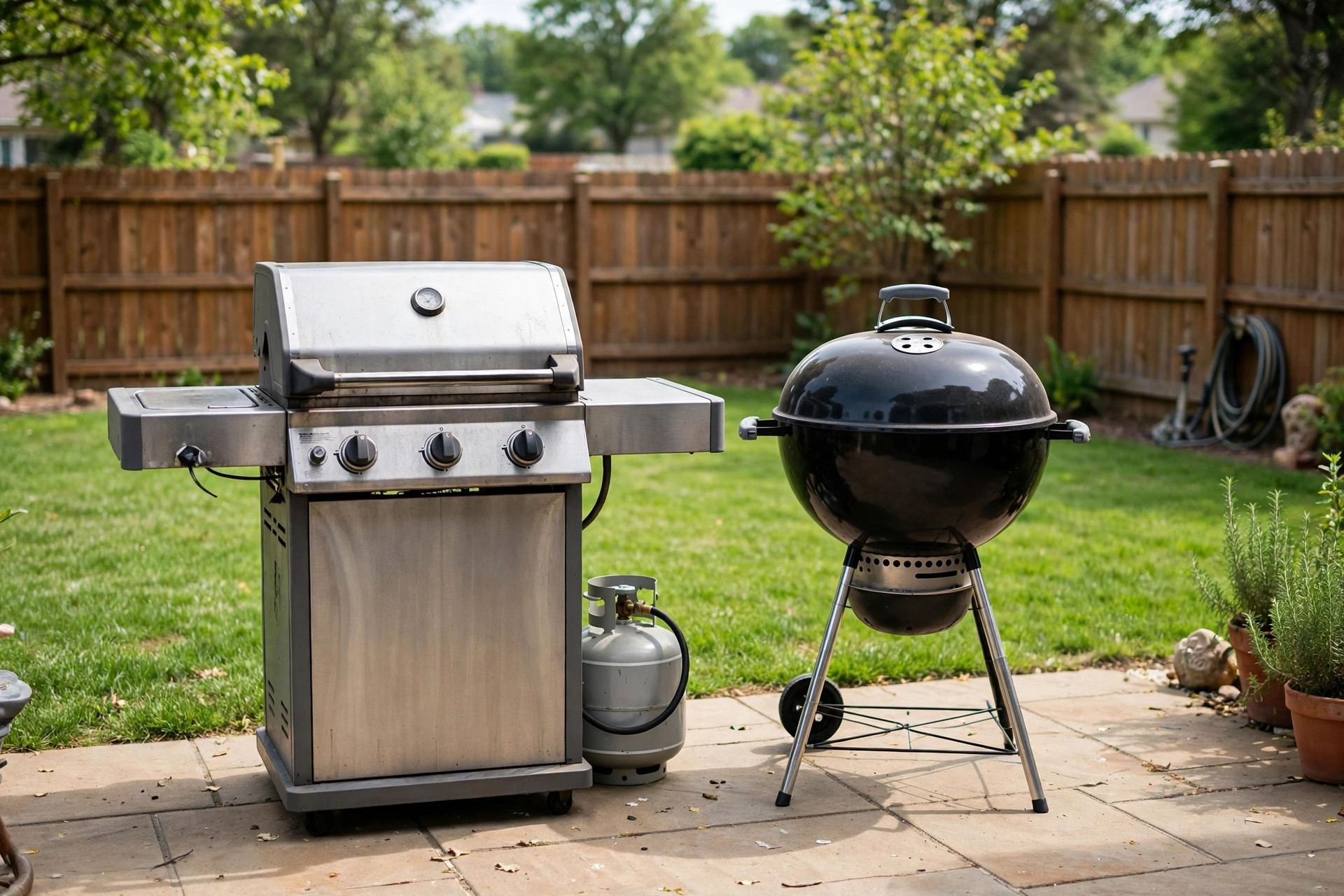
Every backyard cook has heard the same debate. Does food taste better from a charcoal grill or a gas grill? The question of gas grill vs charcoal taste difference comes up at cookouts, in hardware stores, and around the dinner table. It is an honest question, and it deserves an honest answer.
The short answer is that charcoal tends to give food a deeper, smokier flavor. Gas gives clean heat and steady control. But the full story is more useful than that. Smoke, heat, fat, and time all shape what you taste. The kind of grill is only one part of the result. This guide walks through each part in plain terms, so you can pick the grill that fits your cooking and your table.
Why the Gas Grill vs Charcoal Taste Difference Matters
Flavor is the whole point of grilling. No one fires up a grill to eat plain food. People grill because fire adds something special to meat, fish, and vegetables. That “something” is mostly smoke and char.
When fat drips onto hot coals, it burns and turns into smoke. That smoke rises and settles on the food. This is where the classic grilled flavor comes from. The Weber team has long noted that smoke is the heart of barbecue flavor. A Big Green Egg charcoal cooker does the same thing, turning simple cuts into rich meals.
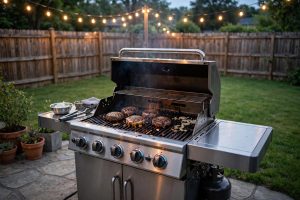
Gas grills work differently. A gas flame heats metal parts, which heat the food. There is no coal, so there is less smoke. You still get grill marks and browned surfaces. The food tastes good. It just tastes cleaner and simpler than food from charcoal.
This difference matters most for certain foods. A thick steak can pick up a lot of smoke flavor on charcoal. A chicken breast cooks so fast that the fuel matters less. Knowing where the difference counts helps you spend your money well.
How Each Grill Shapes Taste: Gas Grill vs Charcoal Taste Difference
To judge the gas grill vs charcoal taste difference fairly, it helps to look at each grill one at a time.
How Charcoal Grills Shape Flavor
Charcoal is wood that has been burned down to carbon. When you light it, it burns hot and gives off smoke. Lump charcoal, which is made from real hardwood pieces, gives the most honest wood flavor. Briquettes burn longer and more evenly, though they add little flavor of their own.
The smoke from charcoal carries tiny flavor compounds onto the food. Cooks often add wood chips or chunks, such as hickory or mesquite, to build more smoke. Traeger popularized wood-fired cooking for exactly this reason: wood smoke is a seasoning of its own. The result is food with depth. A pork chop from charcoal tastes rounder and more complex than one from gas.
Charcoal also burns very hot. A full chimney of coals can reach temperatures well above what most gas grills manage. That fierce heat sears the outside of meat fast. The dark crust that forms is called the Maillard reaction. It is the browned surface that tastes so good on a ribeye. High heat plus smoke is the main reason people say charcoal wins on taste.
How Gas Grills Shape Flavor
A gas grill burns propane or natural gas. The flame itself is nearly flavorless. Heat rises from the burners to metal bars or rocks, and those hot surfaces cook the food. Some fat drips down and burns, which makes a small amount of smoke. But there is far less smoke than with charcoal.
What gas lacks in smoke, it makes up in control. You turn a knob and the heat changes right away. You can hold a steady low temperature for a long cook. You can shut it off the moment the food is done. Sites like AmazingRibs point out that this control lets cooks focus on seasoning and timing rather than fire management.
Food from a gas grill tastes clean. The flavor comes from the rub, the marinade, and the browning of the surface. For fish, vegetables, and thin cuts, this is often all you need. Many fine cooks use gas every day and serve excellent food. If you want smoke flavor on a gas grill, you can add a small smoker box with wood chips, a trick covered by guides at The Spruce Eats.
How to Choose Between Gas and Charcoal
The gas grill vs charcoal taste difference is real, but taste is not the only thing to weigh. Ask yourself a few plain questions.
How much time do you have? A charcoal grill needs twenty to thirty minutes to heat up. A gas grill is ready in ten. On a busy weeknight, speed may matter more than smoke.
How much effort do you want to spend? Charcoal takes practice. You learn to spread coals for hot and cool zones. You clean ash after every cook. Gas is simpler. You turn it on, cook, and brush the grates.
What do you cook most? If you love thick steaks, ribs, and slow roasts, charcoal rewards you with flavor. If you grill burgers, chicken breasts, and vegetables on weeknights, gas does the job well. For learning new skills, a beginner grill smoker combo can teach you both worlds.
What does your home allow? Some apartments and condos ban charcoal or open flames. A gas grill may be your only choice. Check your local rules before you buy. The Home Depot buying guides also note fuel availability: propane tanks are easy to swap in most towns.
For a detailed look at top models, Consumer Reports tests grills for heat evenness and durability. Reading reviews before you buy saves regret later.
Common Grill Types and What They Offer
Not every grill fits neatly into “gas” or “charcoal.” Here are the main types you will meet.
Gas grills. The most common backyard grill in America. Two to six burners, a lid, and side tables. Easy to use and easy to clean. Flavor is clean and mild.
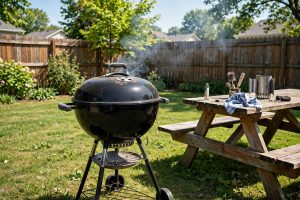
Kettle charcoal grills. The round classic, made famous by Weber. Simple, cheap, and very good at both direct and indirect heat. Strong smoke flavor for little money.
Kamado grills. Egg-shaped ceramic cookers. They hold heat well and work as grills, smokers, and even pizza ovens. Rich flavor, high price.
Pellet grills. These burn wood pellets for both heat and smoke. They combine the ease of gas with real wood flavor. Napoleon and others now make grills in this style.
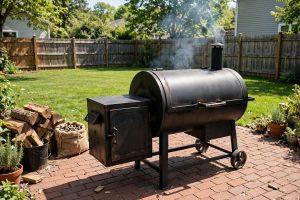
Charcoal smokers and combos. Some units pair a charcoal grill with a smoker box. They are a good step up if you love the gas grill vs charcoal taste difference debate and want to test both sides yourself.
Portable grills. Small gas or charcoal units for camping and tailgates. Flavor follows the same rules, just on a smaller grate.
Once you own a grill, you can grow your skills. Learning how to grill lobster tails at home is a fine next step, and even dessert works on the grates, as in this guide on how to grill pineapple for dessert.
Cost and Price: What to Expect
Price shapes many buying choices. Here is what the market looks like in plain numbers.
A basic charcoal kettle grill costs little. You can buy a solid one for the price of a family dinner out. Charcoal itself is cheap per cook, though it adds up over a summer. A bag of briquettes and a chimney starter are all you need to begin.
Gas grills cost more up front. A decent three-burner model costs several hundred dollars. Large models with side burners and rotisseries cost over a thousand. Propane costs money too, and a tank refill runs a modest fee. Natural gas grills hook to your home line and cost less per cook, but the hookup work adds to the price.
Over five years, a cheap charcoal grill is the least costly path. A mid-range gas grill costs more but saves time. The most costly choice is buying a grill you never use. Pick the one that fits your real cooking habits, not your daydreams. The buying guides at Char-Broil break down features by price so you can compare fairly.
Care and Upkeep
A grill that is cared for lasts longer and cooks better. The work is simple.
For charcoal grills, empty the ash after every cook. Old ash blocks air flow and makes lighting hard. Scrub the grates with a stiff brush while they are still warm. Once a season, wash the inside of the kettle with warm soapy water. Store it under a cover.
For gas grills, brush the grates after each use. Check the burner tubes once a season for clogs from grease and insects. Spiders love to nest in burner tubes, and a blocked tube can cause uneven heat. Wipe the outside with a damp cloth. Keep the propane tank upright and away from heat.
Both types benefit from a cover. Rain is the enemy of steel. A dry grill is a long-lived grill. The care guides at Family Handyman cover deep cleaning in plain steps.
Good care also protects flavor. Old grease turns rancid and adds bitter notes to food. A clean grill lets the true taste of the fire and the food come through.
Safety at the Grill
Fire deserves respect. A few steady rules keep every cookout safe.
Never use a grill indoors or in a garage. Both gas and charcoal make carbon monoxide, a gas you cannot see or smell. Grills belong outside in the open air.
Keep the grill at least ten feet from the house, deck rails, and low branches. Keep children and pets away from the hot zone.
For gas grills, check the hose and connections each spring. Spray soapy water on the joints and look for bubbles, which mean a leak. If you smell gas, turn everything off and step away.
For charcoal grills, let coals cool fully before you dump ash. Coals can stay hot for many hours. Use long tools and heat-proof gloves. Never add lighter fluid to lit coals.
Keep a fire extinguisher or a bucket of sand nearby. Water works on small flare-ups but never on a grease fire. Steady habits make grilling safe for the whole family.
Frequently Asked Questions
Can you really taste the difference between gas and charcoal? Yes, most people can. In side-by-side tests, charcoal-grilled food usually tastes smokier and richer. The difference is strongest with thick cuts and long cooks. With thin foods that cook fast, the gap is smaller.
Does gas grilled food taste bad? No. Gas grilled food tastes good. It is clean and lets seasoning shine. Millions of fine meals come off gas grills every year. It simply has less smoke flavor than charcoal.
Can I get smoke flavor on a gas grill? You can get some. A smoker box filled with wood chips sits on the grates and adds mild smoke. It will not fully match a charcoal fire, but it closes the gap for weeknight cooks.
Is charcoal harder to learn than gas? Yes, at first. Charcoal asks you to manage the fire by moving coals and adjusting vents. Gas asks only for a knob. Most cooks learn charcoal basics in a few weekends of practice.
Which grill is cheaper to run? Charcoal costs less per cook for small meals. Gas costs less per cook for large meals once you own the grill, since propane goes far. The biggest cost is the grill itself, where charcoal wins.
Does the gas grill vs charcoal taste difference matter for vegetables? Less than for meat. Vegetables cook fast and pick up little smoke. Both grills give fine results. Gas is often easier for a quick tray of peppers or corn.
A Final Word
The gas grill vs charcoal taste difference is real but not a verdict. Charcoal gives deeper smoke and fiercer sear. Gas gives speed, ease, and steady control. The best grill is the one you will use often and with pleasure.
If you love slow weekends and deep flavor, choose charcoal. If you love quick weeknight dinners with little fuss, choose gas. Many serious cooks own one of each. Whichever you pick, keep the grates clean, respect the fire, and cook with care. Good food follows.
References
AmazingRibs.com. (n.d.). Barbecue and grilling science. https://www.amazingribs.com Big Green Egg. (n.d.). Kamado grills and outdoor cooking. https://www.biggreenegg.com Char-Broil. (n.d.). Gas and charcoal grills. https://www.charbroil.com Consumer Reports. (n.d.). Product reviews and ratings. https://www.consumerreports.org Family Handyman. (n.d.). DIY home repair and maintenance. https://www.familyhandyman.com Napoleon. (n.d.). Fireplaces, grills, and heating products. https://www.napoleon.com The Home Depot. (n.d.). Home improvement products. https://www.homedepot.com The Spruce Eats. (n.d.). Recipes and cooking guides. https://www.thespruceeats.com Traeger. (n.d.). Wood pellet grills. https://www.traeger.com Weber. (n.d.). Grills and outdoor cooking. https://www.weber.com
Was this guide helpful?

About Michael Thompson
The My Garden US editorial team writes practical, in-depth home and garden guides for American homeowners — tested advice, no fluff.