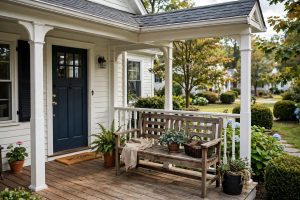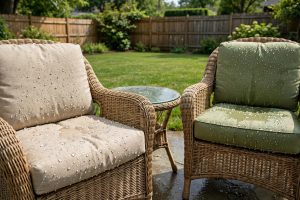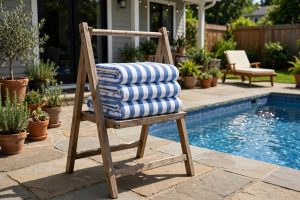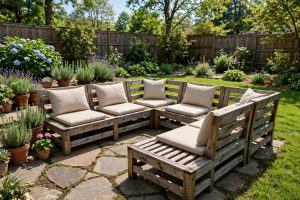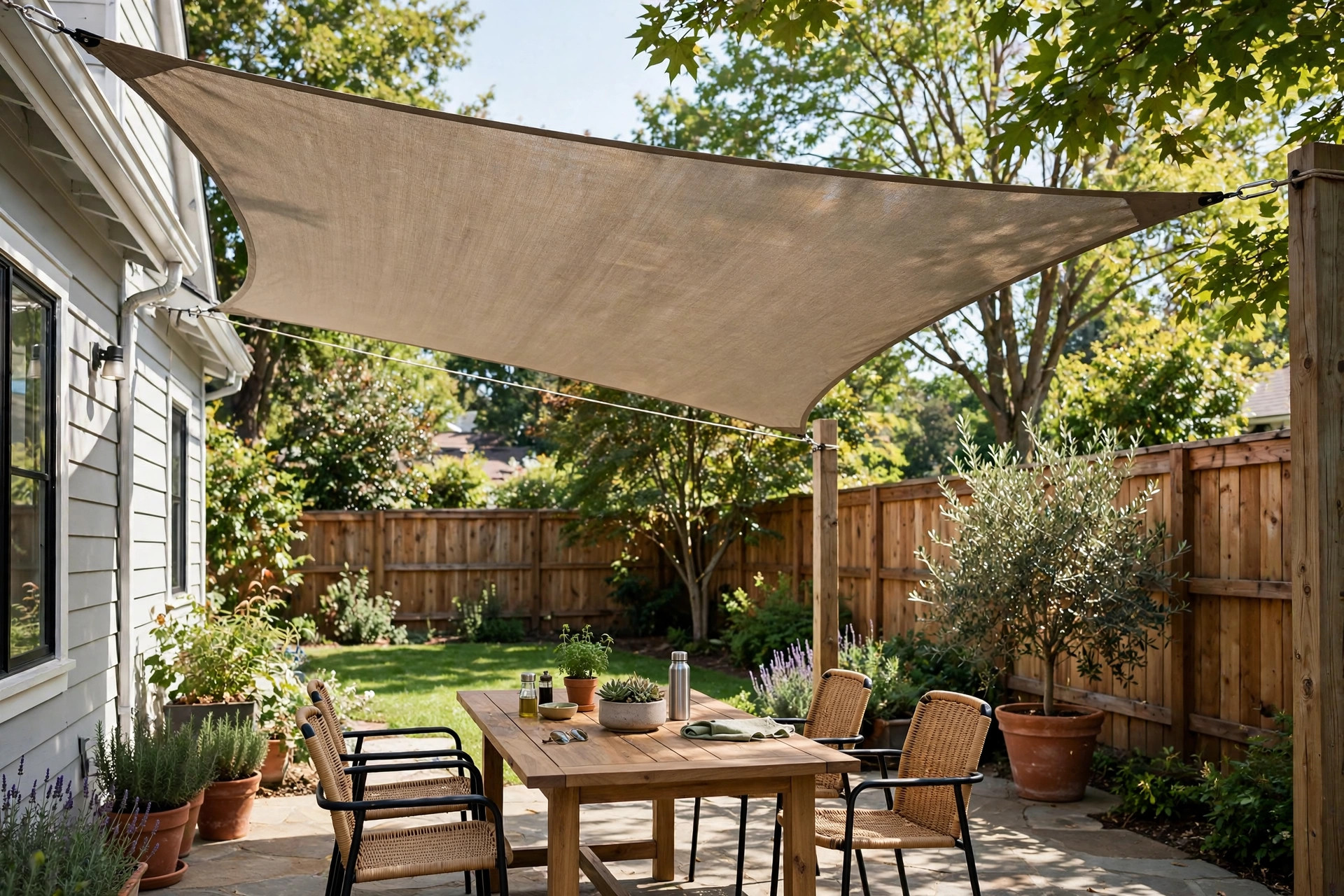
A pergola is a fine garden feature. It gives partial shade and a place for vines to climb. Yet not every yard needs one. Some patios are too small. Some budgets are too tight. Some homes simply look better without wooden posts and beams. The good news is that patio shade ideas without pergola are plentiful. Awnings, sail shades, and large umbrellas can cool a patio just as well. In some cases they do a better job. They block more sun. They can be moved. And many cost far less than a wooden structure.
This guide walks through the best options. It covers what to look for, how much each choice costs, and how to keep it in good shape. Read on before you buy.
Why Shade Matters on the Patio
Sun is welcome in a garden, but too much of it ruins an afternoon. A patio in full sun can feel twenty degrees warmer than the air around it. Furniture gets hot to the touch. Guests squint and reach for sunglasses. Food dries out. Drinks lose their chill.
Shade solves these problems at once. A shaded patio stays comfortable through the middle of the day. People linger longer over lunch. Children play without burning their skin. The furniture lasts longer too. Sunlight fades fabric and cracks plastic. Consumer Reports tests patio umbrellas and awnings for real-world durability, and The Home Depot publishes clear installation guides for many shade products.
There is also the matter of cost. A built pergola often runs into the thousands. Many shade options in this guide cost a few hundred dollars or less. They can be installed in a single weekend. Some need no tools at all. For a renter or a first-time homeowner, that difference matters.
What to Look for When Choosing Patio Shade: Patio Shade Ideas Without Pergola
Before you shop, take stock of your patio. Measure its length and width. Note where the sun falls at noon and at four in the afternoon. Watch how the wind moves across the yard. A tall sail shade will catch the wind like a sail on a boat. An umbrella will lift if the base is too light.
Size is the first thing to settle. A shade that covers only half the table covers only half the people. Most shade products list their coverage area in square feet. Buy a size up rather than a size down. Extra fabric costs little and buys comfort.
Material comes next. Acrylic and polyester canvas shed water and resist fading. Knitted shade cloth breathes and lets hot air rise through it. Cotton duck canvas looks classic but needs more care. Check the ultraviolet protection factor, often written as UPF. A UPF of 50 blocks nearly all harmful rays.
Stability matters more than looks. Every shade product needs a way to stand firm. Freestanding models need heavy bases or ground anchors. Wall-mounted awnings need solid framing to bolt into. If your home has vinyl siding or stucco, read the mounting guide first. When in doubt, ask a local contractor for advice. Lowe’s and Wayfair both publish clear installation guides with their shade products.
Finally, think about how the shade looks with your home. A bright sail may suit a modern house. A striped awning suits a brick cottage. Color also affects heat. Dark fabric feels cooler to the eye but absorbs more heat. Light fabric reflects heat but shows dirt sooner.
Types of Patio Shade Without a Pergola
Retractable Awnings
A retractable awning bolts to the wall above a patio door. You crank it out on hot days and roll it back in when the weather turns. This is the closest thing to a pergola in coverage, without the posts. It shades the whole width of the house wall. Bob Vila notes that a good awning can cut cooling costs inside the house as well, since it keeps sun off the glass doors.
Awnings shine on patios that run along the back of the house. They give deep, even shade where you need it most. The main drawback is the price. Motorized models open with a remote control, and some even close themselves when the wind rises.
Shade Sails
A shade sail is a triangle or square of stretched fabric, pulled tight between three or four anchor points. It looks like the sail of a ship, frozen in the wind. The shape is modern and the cost is low.
Sails work well on larger patios where a single umbrella cannot reach. You can layer two sails at different heights for a layered look and better airflow. They do not stop rain, since water passes through the open weave. They are strictly sun shades.
Installation needs sturdy anchors. Many owners mount one corner to the house and set the other corners on steel posts set in concrete. The fabric must slope slightly so rain runs off instead of pooling. Take the sail down in winter if you live where snow falls.
Cantilever Umbrellas
The classic patio umbrella stands in the middle of the table. The cantilever, or offset, umbrella stands to one side. Its arm reaches over the seating area. Nothing blocks the middle of the table. Nothing drips water on the chairs when you close it.
These umbrellas cover a wide circle, often ten to thirteen feet across. They turn on their base so you can follow the sun. A heavy base is essential. Look for at least one hundred pounds of weight. Wind is the enemy of any tall umbrella, so close it before a storm.
Cantilever umbrellas pair well with a fire table set. Read our guide to the best patio sectional with fire table for seating ideas that sit nicely under an offset umbrella. Retailers like IKEA and Frontgate stock a range of sizes and fabrics.
Pop-Up Canopies
A pop-up canopy is a folding frame with a fabric top. You unfold it, lock the legs, and have instant shade. Event tents work the same way. They come in sizes from five by five feet to ten by twenty.
The great virtue of a pop-up is speed. It goes up in ten minutes and comes down in five. It suits renters, since it needs no drilling and no permanent posts.
The frame is the weak point. Cheap frames bend in a stiff breeze. Buy the heaviest frame you can afford. Always stake the legs to the ground. Never leave a pop-up canopy standing overnight in an open yard.
Shade Cloth
Shade cloth is a knitted fabric sold by the roll. Gardeners have used it for years to protect plants from harsh sun. It comes in densities from thirty to ninety percent, meaning how much light it blocks. For a patio, fifty to seventy percent is the sweet spot.
You can stretch shade cloth between simple wooden posts or across the top of a deck railing. It costs very little per square foot. It lets breezes pass through, so the patio feels cooler than under a solid awning. Water drains through it, so there is no pooling.
Outdoor Curtains
Outdoor curtains hang from a simple rod or wire cable. They pull closed like the curtains inside a house. On a patio with a roof overhang, they are an easy win. They block low afternoon sun, which awnings often miss.
Choose fabric made for the outdoors. It should resist mildew and fading. Grommet tops slide best on a rod. They also add privacy from the neighbors, which is a welcome bonus on a small lot.
Trees and Tall Plants
The oldest shade of all comes from a tree. A well-placed tree cools a patio for decades. It costs less than any manufactured product. It also cools the air itself, since leaves release moisture as they breathe.
Shade trees such as maples and oaks grow broad crowns. Fruitless varieties drop no messy fruit. Plant the tree to the southwest of the patio for the best afternoon shade. Remember that roots spread wide, so keep the tree at least fifteen feet from the foundation.
If you cannot wait twenty years, try tall plants in pots. Banana trees, clumping bamboo, and large ornamental grasses grow fast and give quick privacy. A row of tall potted plants along the sunny edge of the patio can cut the glare in a single season. For more outdoor comfort ideas, see our outdoor hammock stand for two people and our outdoor conversation set for small deck guides.
Cost and Price Guide
Prices vary by region and by season. The figures below are typical for the United States in recent years.
A pop-up canopy costs between eighty and three hundred dollars. Shade cloth runs from thirty cents to one dollar per square foot, plus the cost of posts. A good cantilever umbrella costs two hundred to eight hundred dollars, with the base adding fifty to one hundred and fifty. A shade sail costs one hundred to four hundred dollars for the fabric, plus posts and hardware. Outdoor curtains run forty to one hundred and fifty dollars per panel.
A tree is the cheapest of all. A young shade tree from a nursery costs forty to one hundred dollars. Planting it yourself costs nothing but time.
Shop at the end of summer for the best deals. Stores clear patio goods in August and September. HGTV and Polywood often publish seasonal buying guides that help time a purchase. Online sellers sometimes beat store prices, but you cannot judge fabric quality through a screen. Visit a store to touch the fabric before you order online.
Care and Upkeep
Outdoor shade lives a hard life. Sun, rain, and wind wear it down. A little care doubles its life.
Brush loose dirt off fabric once a month. Wash it with mild soap and water at the start and end of the season. Never use bleach on colored fabric, since it weakens the fibers. Let fabric dry fully before folding it away. Damp fabric grows mildew in storage.
Check hardware each spring. Tighten bolts on umbrella frames. Oil moving parts on retractable awnings. Look for rust on steel posts and repaint bare spots. Replace frayed ropes on shade sails before they snap.
Store what you can. Umbrellas last much longer when brought under cover for winter. Pop-up canopies should never be left up all winter. Shade sails should come down before the first snow. Awnings can stay in place if they are retracted and covered.
Safety Tips
Shade products are light by design, and light things blow away. Every freestanding shade needs proper anchoring. Stake canopies into the ground. Weigh umbrella bases as the maker directs. Never guess at the weight. A flying umbrella can hurt a person or damage a car.
Retractable awnings must be closed in high wind. Most makers set a limit, often around twenty-five miles per hour. If your model lacks a wind sensor, watch the weather and close it by hand.
Keep fabric away from open flames. Grills, fire pits, and tiki torches need clear space above them. Most shade fabrics are not fireproof. A few sparks can burn a hole through a canopy top.
If you mount an awning to the house, make sure the wall can take the load. Brick and concrete are strong. The bolts must reach the wood framing behind the siding. When in doubt, hire a professional. The cost of one service call is small next to the cost of a torn wall.
Frequently Asked Questions
What is the cheapest patio shade idea without a pergola? Shade cloth and a young tree are the cheapest options. Shade cloth costs well under one dollar per square foot. A nursery tree costs less than one hundred dollars. Pop-up canopies are the cheapest ready-made choice, often under one hundred and fifty dollars on sale.
Can I get shade on a patio without drilling into the house? Yes. Freestanding umbrellas, pop-up canopies, shade sails on posts, and potted trees need no drilling at all. These options suit renters and anyone who wants to avoid holes in the wall. Cantilever umbrellas are the most popular no-drill choice for dining sets.
Do shade sails keep rain off the patio? Standard shade sails do not stop rain. The open weave lets water pass through. That is by design, since it keeps the fabric from sagging. If rain cover matters, choose a waterproof pop-up canopy or a solid awning instead.
How long does a cantilever umbrella last? A good umbrella lasts five to ten years with care. The fabric usually wears out before the frame. Look for replaceable canopies, which let you refresh the top for a fraction of the cost. Store the umbrella under cover in winter and it will serve you well for years. Article and other furniture makers sell models with removable covers for this reason.
Will an awning damage my house? A properly installed awning does no damage. The danger comes from poor installation, such as bolts that miss the framing or screws driven into siding alone. Hire a professional installer or follow the maker’s guide to the letter. A wall-mounted awning also shields your siding and windows from sun, which is a real benefit.
A Short Final Word
A pergola is only one road to a cool patio. Awnings, sails, umbrellas, canopies, curtains, and trees each have their place. The best choice depends on your budget, your patio, and how much work you want to do. Start small if you are unsure. A single umbrella or a length of shade cloth teaches you where the sun falls and how the wind moves. Then invest in the solution that fits. Your patio will thank you with long, comfortable afternoons.
References
Article. (n.d.). Modern furniture. https://www.article.com Bob Vila. (n.d.). Home improvement advice. https://www.bobvila.com Consumer Reports. (n.d.). Product reviews and ratings. https://www.consumerreports.org Frontgate. (n.d.). Outdoor furniture and decor. https://www.frontgate.com HGTV. (n.d.). Home and garden ideas. https://www.hgtv.com IKEA. (n.d.). Home furnishings. https://www.ikea.com Lowe’s. (n.d.). Home improvement products. https://www.lowes.com Polywood. (n.d.). Outdoor furniture. https://www.polywood.com The Home Depot. (n.d.). Home improvement products. https://www.homedepot.com Wayfair. (n.d.). Furniture and home goods. https://www.wayfair.com
Was this guide helpful?

About Jennifer Lee
The My Garden US editorial team writes practical, in-depth home and garden guides for American homeowners — tested advice, no fluff.