
A First Word
The outside of a house speaks first. Guests form an opinion before they reach the door. Buyers often decide within a minute of seeing a home from the street. That is why many owners search for the best home exterior design services near me when their home starts to look tired. A good design service helps you plan changes to siding, trim, doors, windows, porches, and landscape so the whole house looks planned and sound. It is not only about beauty. A sound exterior also keeps water out and adds real value to the property.
You do not need to rebuild your home to change how it looks. Paint, new shutters, a new front door, and fresh trim can change a street view in a single week. Larger work such as new siding or a porch roof takes longer, but the same ideas guide it. This article explains what these services do, what to look for, what the options are, and what the work may cost.
Why Exterior Design Matters: Best Home Exterior Design Services near Me
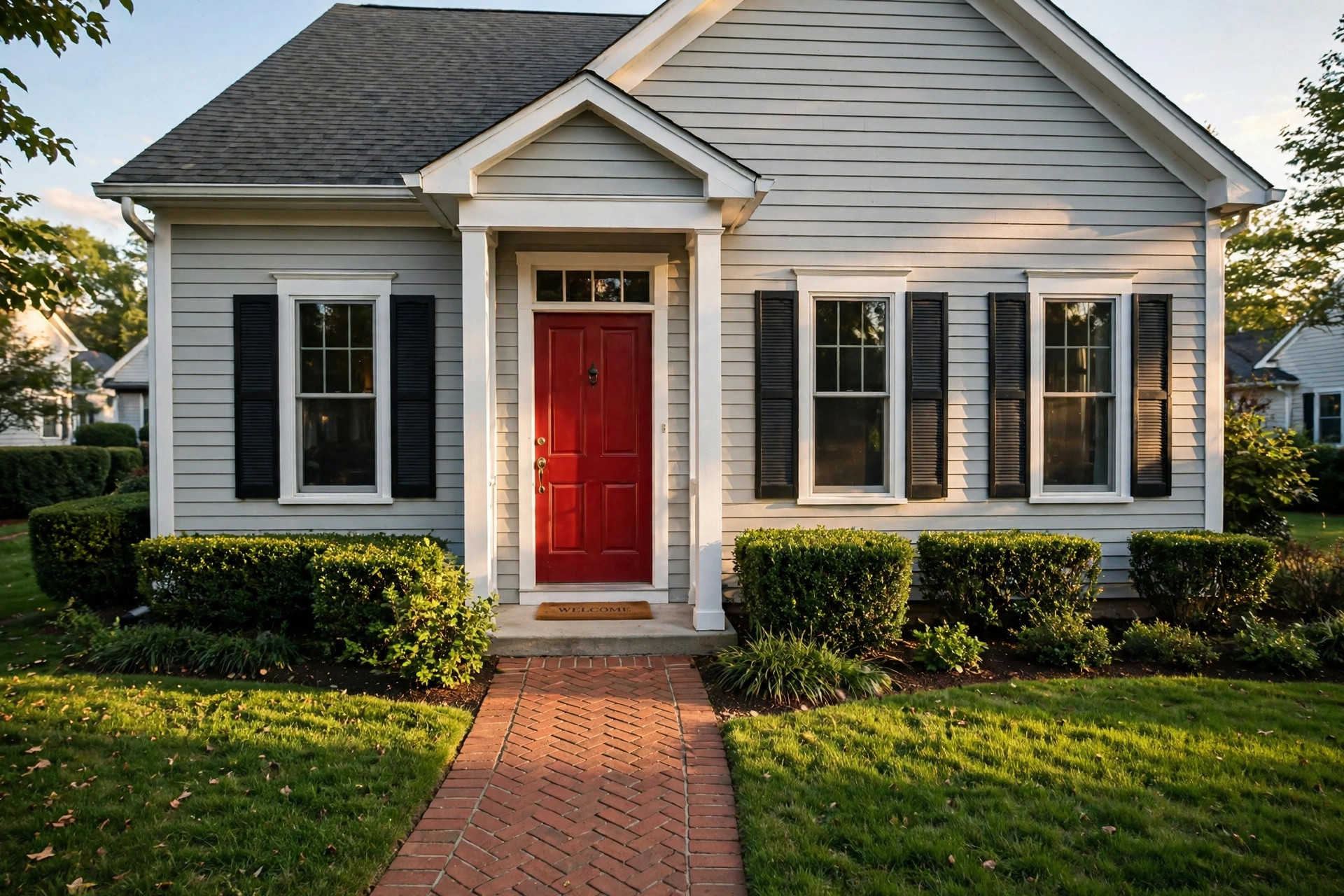
The face of a house is called its curb appeal. A home with strong curb appeal sells faster and for a higher price. A plain or worn exterior does the opposite. Real estate agents have said for years that paint and tidy yards are among the cheapest ways to raise a sale price. Fresh design work also helps in other ways. New siding or new windows can cut heat loss in winter and keep the house cooler in summer. Good gutters and trim keep rain away from the walls. A front porch with a roof gives shelter at the door and a place to sit.
A design service brings order to the work. Without a plan, owners buy paint in the wrong color or choose a door that fights with the windows. A designer looks at the whole house at once: the roof color, the brick or siding, the trim, the walkway, and the plants. The result is a plan where every part agrees with the others. This saves money too, because you do not have to redo work that was chosen badly.
Good design also respects the style of the house. A colonial home wants a different trim than a ranch home. A craftsman bungalow suits deep porch colors and wood posts. A designer who knows local styles will keep your changes true to the house. That matters to neighbors and to future buyers.
What to Look for in a Design Service
Choosing a firm starts with its record. Look at photos of past work in your town. Ask for addresses you can drive past. A firm that has worked on homes like yours will know the common problems: old wood trim, poor drainage, or siding that has lost its color. Online guides at This Old House offer sound advice on how to judge curb appeal projects before you spend money.
Ask how the firm works. Some sell only plans. You pay for drawings and a list of colors and materials, then you hire your own builder. Others design and build. Full-service firms are simpler, but they cost more. A plan-only service can work well if you already trust a local contractor. Ask for the plan in writing, with color names and brand names, not just paint chips.
Check licenses and insurance. Any firm that sends workers to your home should carry liability insurance and workers’ compensation. Many owners also read ratings at Consumer Reports, which tests building materials and surveys owners about contractors.
Ask about the design process. A good firm will visit the house, take photos, and ask how you use the space. They should ask about your budget early. A designer who ignores your budget will draw a plan you cannot afford. The plan should include a schedule: when materials arrive, when work starts, and when it ends.
Read the contract with care. It should list the exact work, the materials, the start and end dates, and the payment plan. Never pay the full sum before work starts. A fair plan is a small deposit, payments tied to finished stages, and a final payment after you approve the work.
Types of Exterior Design Services
Design services come in several forms. The simplest is a color consultation. A designer visits for an hour or two and picks siding colors, trim colors, door color, and shutter color. This service suits owners who plan to paint but want help with color. Before the visit, browse finished homes on Houzz and design ideas on HGTV to learn what looks you like.
A second type is a full facade plan. The designer studies the front of the house and draws a new look. This may include new siding, new windows, new doors, new trim, new porch rails, and new light fixtures. The plan shows the final look in drawings or in photos edited on a computer. This is the most common service for owners who want a real change.
A third type covers the whole site. This plan includes the house plus the walkway, driveway, fence, and planting beds. It suits owners who want the full street view to look planned. Some firms add lighting plans so the house looks good at night.
A fourth type is a material plan. Here the designer focuses on what covers the house: vinyl siding, fiber cement, brick, stone, or stucco. Guides on Lowe’s show many siding choices with prices, which helps owners compare before they hire anyone. James Hardie, a maker of fiber cement siding, shows how that material looks on many house styles.
A fifth type is a builder-led design. A contractor who does the work also makes the design choices with you. This is fast and simple. It works best for smaller jobs like a new front door or new trim, where a full drawn plan would cost more than it saves.
How to Choose the Right Firm
Start with three firms if you can. Ask each to visit and give a written plan. Compare them side by side. Look at the quality of the drawings. Look at how well each designer listened. A firm that talks more than it listens may not hear what you want.
Ask for references from the last two years. Call at least two. Ask if the work finished on time and on budget. Ask if the designer answered calls. Ask if there were surprise charges. A pattern of small complaints is normal; a pattern of large ones is a warning.
Compare the level of detail. A good proposal names paint brands and color codes, names the siding brand and style, and shows where each color goes. A weak proposal says “paint house” with no details. The detailed one is safer, because it leaves less room for guesswork later. Repair guides at Family Handyman show how much small details matter in exterior work, and the same is true of design plans.
Think about your home’s style and your street. A design that suits your block will please neighbors and buyers. A house that looks strange next to its neighbors can lose value even if the work is costly. A local designer usually knows what fits. Style guides at The Spruce can help you name your home’s style before you talk to firms.
Finally, trust your judgment. You will work with this firm for weeks. Choose people who are polite, clear, and honest about costs. A firm that promises a whole new look for almost nothing is not being honest.
Cost and Price
Costs vary with the size of the house and the scope of work. A color consultation is the cheapest service. Most firms charge between $150 and $500 for a visit and a written color plan. Some paint stores offer free color advice if you buy paint from them, and paint supplies are easy to compare on The Home Depot.
A full facade plan for a single-family home often costs between $1,000 and $3,000. This is the plan only, not the building work. A whole-site plan with landscape and lighting can cost $2,500 to $5,000 or more.
The building work costs far more than the plan. Painting a house exterior often costs $3,000 to $8,000, based on size and prep work. New vinyl siding on an average home often costs $12,000 to $25,000. Fiber cement siding often costs $15,000 to $30,000. A new front door often costs $1,500 to $4,000 with labor. New shutters and trim often cost $2,000 to $6,000.
Get the price in writing with line items. This means each part of the work has its own price: siding, trim, doors, windows, paint, labor, and cleanup. Line items let you cut parts you cannot afford without losing the whole plan. Remodeling cost guides at Bob Vila show typical price ranges that can help you check a quote.
Ask about payment timing. A common fair plan is 10 to 20 percent to start, payments as stages finish, and the last 10 percent when you approve the final work. Keep some money back until every item on the contract is done. If the firm asks for half or more before starting, find another firm.
Care and Upkeep After the Work
New exterior work lasts longer with simple care. Wash the siding once a year with a garden hose or a low-pressure washer. Start at the top and work down. High pressure can force water behind siding, so keep the spray wide and soft. Many owners hire top rated house power washing services near me once a year to keep the job safe and even.
Check caulk lines each spring. Caulk seals the gaps where trim meets the house. Old caulk cracks and lets water in. Scrape out bad caulk and lay a fresh bead where needed. This small job stops large repairs later.
Repaint trim every five to eight years, or when paint starts to chalk or peel. Touch up chips quickly so bare wood never sits in rain for long. If you live in Texas or another hot state, talk to reliable exterior house painting services in texas about paints made for strong sun.
Keep plants off the walls. Bushes that touch siding hold water against it and can scratch the finish. Trim plants so at least six inches of air stand between leaves and walls. Keep mulch low against the foundation so water drains away from the house.
Clean gutters twice a year. Full gutters spill water onto siding and trim, which shortens their life. If you are planning a larger yard project, premium deck building contractors near me can advise on how decks and stairs should meet the house so water still drains well.
Safety Notes
Exterior work has real risks. Ladders cause many falls each year. If you do any work yourself, use a ladder rated for your weight plus tools, set it on firm ground, and keep three points of contact at all times. Never stand on the top step. For work above one story, hire insured workers instead.
Old paint may hold lead, so have old paint tested before scraping and hire a certified lead-safe contractor if lead is present.
Power tools and sprayers need care. Read the manual before you spray paint or use a washer. Wear eye coverings and a mask when you spray. Keep children and pets away from the work area until tools are put away and paint is dry.
Electrical fixtures need safe handling. Porch lights and doorbell wiring carry current. Turn off the power at the breaker before you change a fixture. If you are not sure, call an electrician.
A good design keeps water moving away from the foundation when walks, patios, or decks are added.
Frequently Asked Questions
How long does an exterior design project take? A color plan takes one or two visits. A full facade plan takes one to three weeks. Building work adds time: paint takes one to two weeks, new siding takes two to four weeks, and a full site plan with landscape can take six weeks or more.
Do I need a permit for exterior work? Paint usually needs no permit. New siding, new windows, and new doors often need a permit from your town. Your designer or contractor should know the local rules and pull the permit for you. Ask before work starts.
Can a designer work from photos, or must they visit? Some firms offer remote design from photos and measurements. This can work for color plans. For larger work, an in-person visit is better, because the designer can see the roof, the grade, and the neighbors’ homes.
How do I know if a quote is too high or too low? Get three quotes. If one is far below the others, it may skip prep work or use cheap materials. If one is far above, ask what extra value it offers. A middle quote with clear line items is often the safest choice.
A Short Final Word
A well-planned exterior is money well spent. It makes your daily life nicer, it keeps the house sound, and it pays back when you sell. The best home exterior design services near me are the ones that listen to your needs, know your town’s styles, write clear plans, and stand behind their work. Take your time, compare firms, and read every contract line. Your house will thank you for years to come.
References
Bob Vila. (n.d.). Home improvement advice. https://www.bobvila.com Consumer Reports. (n.d.). Product reviews and ratings. https://www.consumerreports.org Family Handyman. (n.d.). DIY home repair and maintenance. https://www.familyhandyman.com HGTV. (n.d.). Home and garden ideas. https://www.hgtv.com Houzz. (n.d.). Home design and remodeling. https://www.houzz.com James Hardie. (n.d.). Fiber cement siding and exterior products. https://www.jameshardie.com Lowe’s. (n.d.). Home improvement products. https://www.lowes.com The Home Depot. (n.d.). Home improvement products. https://www.homedepot.com The Spruce. (n.d.). Home and garden advice. https://www.thespruce.com This Old House. (n.d.). Home renovation guidance. https://www.thisoldhouse.com
Was this guide helpful?

About Lisa Anderson
The My Garden US editorial team writes practical, in-depth home and garden guides for American homeowners — tested advice, no fluff.
You May Also Like

Premium Curb Appeal Makeover Services Near Me
March 5, 2026 0 views
Top Rated Retaining Wall Builders Reviews: A Homeowner Guide
March 6, 2026 0 views
Budget Friendly Pergola Installation Kits with Free Shipping: A Homeowner’s Guide
April 9, 2026 0 views