Finding reliable carpet cleaning service companies in texas can feel like a hard job. Texas is a large state. Dallas, Houston, Austin, and San Antonio each have hundreds of cleaning firms. Some are large national chains. Others are small family firms. Prices vary widely. Methods vary too. This guide will help you sort through the choices. It explains what to look for, how much it should cost, and how to keep your carpets clean after the job is done.
Why Professional Carpet Cleaning Matters
Carpets collect dirt every day. Shoes bring in dust from outside. Pets shed hair and dander. Food crumbs fall between fibers. Over time, a regular vacuum cannot reach the deep dirt. The Carpet and Rug Institute notes that carpet can hold dust, pollen, and other particles deep in its pile, and regular professional cleaning helps keep indoor air cleaner (Carpet and Rug Institute).
Texas weather makes the problem worse. Dust storms roll through West Texas. Pollen counts rise high in the spring. Humidity along the Gulf Coast can trap moisture in carpet fibers. When moisture sits too long, mold can grow. A professional cleaner uses strong equipment to pull out water and dirt that home machines leave behind.
Clean carpets also look better and last longer. Dirt acts like sandpaper on carpet fibers. Each step grinds grit into the yarn. That wears the carpet down. Regular deep cleaning can add years to the life of a carpet. For a homeowner, that means less money spent on replacement.
Health is another reason. Dust mites live in warm carpet. Pet allergens build up over time. People with asthma or allergies often feel better when carpets are cleaned on a regular schedule. The U.S. Environmental Protection Agency recommends keeping indoor spaces clean and dry to limit allergens and mold growth (U.S. Environmental Protection Agency).
What to Look For in a Texas Carpet Cleaning Company: Reliable Carpet Cleaning Service Companies in Texas
Not every company with a van and a vacuum is worth hiring. Use these points to judge each firm.
Certification and Training
Look for technicians certified by the Institute of Inspection, Cleaning and Restoration Certification. This group sets standards for the cleaning trade. Certified technicians have passed tests on cleaning chemistry, fiber types, and drying methods. A company that invests in training is more likely to do careful work.
Years in Business
A firm that has served Texas homeowners for five or ten years has a track record. New firms are not always bad, but experience matters. Ask how long the company has worked in your city. Local firms know Texas conditions, from red clay stains in the Hill Country to salt air near the coast.
Reviews and References
Read online reviews, but read them with care. Look for patterns rather than single complaints. A company with hundreds of reviews and a steady rating is usually safe. Ask the company for references from recent customers. A reliable firm will share names or at least written comments.
Clear Pricing
Beware of prices that sound too good to be true. Some firms advertise a very low price per room, then add fees for spots, stairs, or deodorizer once they are inside your home. Ask for a written quote before the work starts. The quote should list each room, the method to be used, and any extra charges.
Insurance and Guarantees
The company should carry liability insurance. If a technician damages furniture or the carpet, insurance covers the loss. Ask what guarantee the company offers. Many firms promise to return and re-clean any area you are not happy with.
The Spruce publishes regular guidance on choosing home service contractors, including questions to ask before hiring (The Spruce). Consumer Reports also tests cleaning products and services and offers advice on getting fair value (Consumer Reports).
Types of Carpet Cleaning Services
Carpet cleaning firms in Texas offer several methods. Each has strengths and limits.
Hot Water Extraction
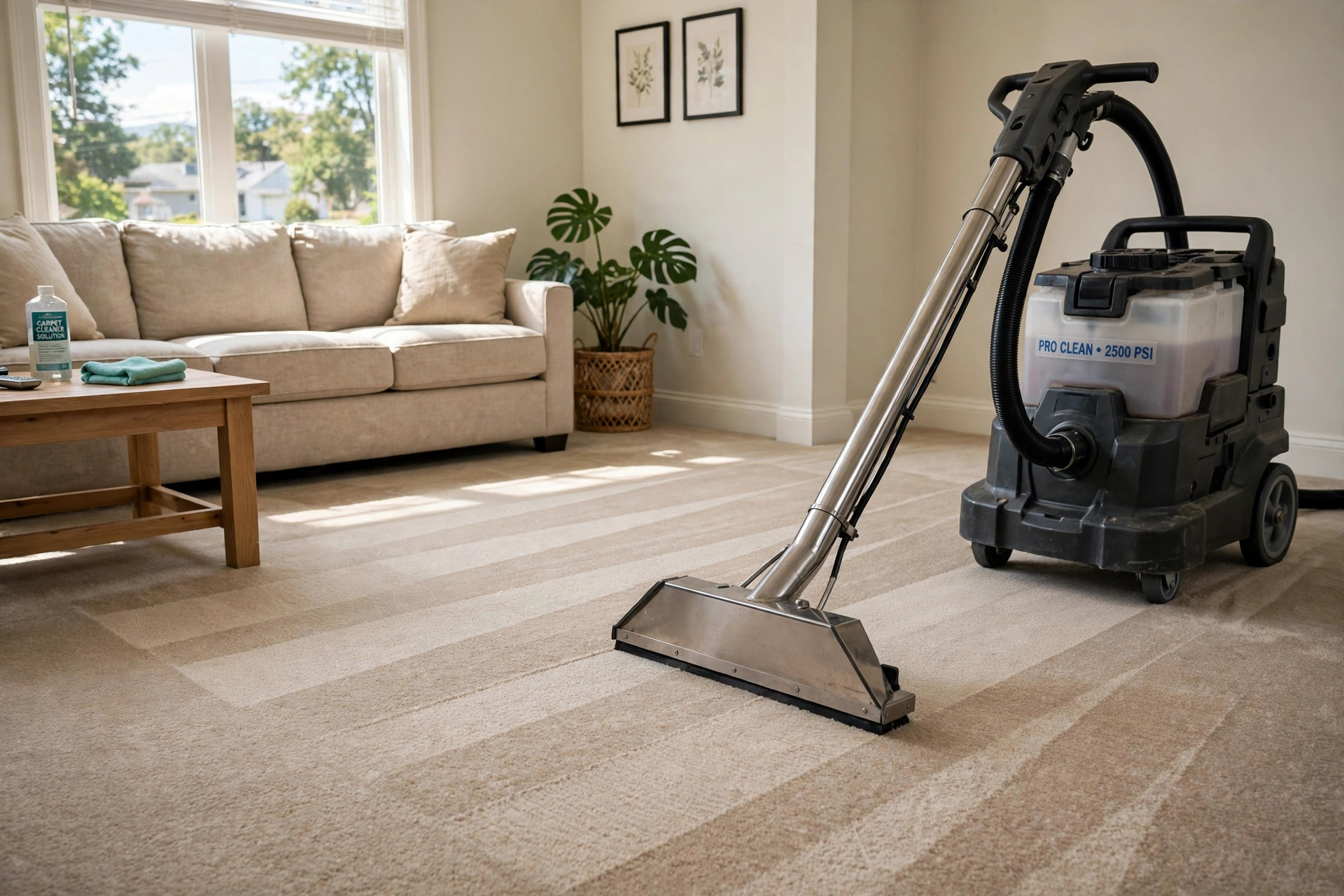
This is the most common method. A machine sprays hot water and cleaning solution into the carpet, then pulls it back out with strong suction. It removes deep dirt and kills many germs. Most carpet makers recommend hot water extraction for warranty purposes. The main drawback is drying time. Carpets can take six to twelve hours to dry, longer in humid Gulf Coast homes.
Dry Cleaning
Dry methods use a powder or foam that is worked into the carpet and then vacuumed up. Very little water is used. The carpet can be walked on soon after the job. This method suits light soil and homes that need fast drying. It does not clean as deeply as hot water extraction.
Bonnet Cleaning
A spinning pad soaked in cleaning solution scrubs the carpet surface. Hotels and offices use this method because it is fast. It cleans only the top of the fibers. Deep dirt stays in place. It is not the best choice for a home with heavy soil.
Encapsulation
A special cleaning agent forms crystals around dirt particles. Once dry, the crystals are vacuumed away. This method uses little water and leaves little residue. It works well for light to medium soil and commercial buildings.
Steam Cleaning
Many people use the words steam cleaning for any hot water method. True steam cleaning uses vapor at very high heat. It can sanitize without much chemical use. Ask the company to explain exactly what their equipment does so you know what you are paying for.
Bob Vila’s home guides describe these methods in more detail and help homeowners match a method to their carpet type (Bob Vila).
Cost and Price Guide for Texas
Prices differ by city and by home size. In general, Texas prices run a little lower than prices on the coasts. Here is what to expect.
A typical charge is between 25 and 75 dollars per room. A three-bedroom home with a living room and hallway may cost 150 to 350 dollars for a full hot water extraction job. Small apartments may cost 100 to 200 dollars. Large homes over 2,500 square feet may run 300 to 500 dollars.
Extra services add to the bill. Pet stain treatment may add 20 to 40 dollars per room. Deodorizer may add 10 to 25 dollars per room. Stair cleaning often costs 2 to 4 dollars per step. Scotchgard or other fabric protectors may add 15 to 30 dollars per room.
Several factors move the price up or down:
– Soil level. Heavily soiled carpets take more time and more passes. – Carpet type. Wool and fine rugs need gentle handling and cost more. – Furniture moving. Some firms move light furniture free. Heavy pieces cost extra. – Travel distance. Rural Texas homes far from a city may pay a trip fee. – Stains. Set-in stains need special treatment and extra time.
Get at least three written quotes. Compare them line by line. The lowest price is not always the best value. A firm that charges a fair price and does the job right saves money in the long run. Good Housekeeping regularly covers home service pricing and ways to avoid overpaying (Good Housekeeping).
Care and Upkeep Between Cleanings
Professional cleaning works best when the carpet is cared for between visits. Most experts suggest a professional cleaning every 12 to 18 months. Homes with pets, children, or allergy sufferers may need cleaning every 6 to 12 months.
Vacuum often. High-traffic areas should be vacuumed two or three times a week. Use a vacuum with a HEPA filter to trap fine dust. Empty the bag or bin before it is full so suction stays strong.
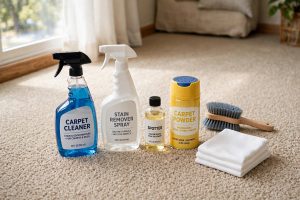
Treat spills at once. Blot a spill with a clean white cloth. Never rub, because rubbing pushes the stain deeper. Work from the outside edge toward the center. For most spills, plain water and gentle blotting is enough until you can treat it fully.
Place doormats at every entry. A good mat catches dirt before it reaches the carpet. Ask family members and guests to remove shoes when they can. A no-shoes rule cuts carpet soil in half in many homes.
Keep humidity in check. Texas summers are humid in the east and south. Use air conditioning or a dehumidifier to keep indoor humidity between 30 and 50 percent. This helps carpets dry after spot cleaning and slows mold growth.
Groom the carpet now and then. A carpet rake or a stiff brush lifts the pile and loosens surface dirt before vacuuming. This simple step makes vacuuming more effective.
This Old House offers practical advice on routine carpet care and spotting stains early (This Old House). The Family Handyman also publishes step-by-step guides for common household cleaning tasks (Family Handyman).
Safety Tips When Hiring a Cleaner
Safety matters in two ways: the safety of your home and the safety of the cleaning chemicals used in it.
Let the company know about children and pets before the job. Ask what cleaning agents will be used. Reputable firms use products that are safe once dry. Ask how long you should keep pets off the carpet. A drying time of a few hours is normal.
Check that cords and hoses will not block exits. During the job, hoses may run through doorways. Make sure the crew keeps a clear path.
Ask about ventilation. Open windows or run fans to speed drying. Fast drying matters in Texas humidity. Damp carpet that stays wet for more than a day can develop a musty smell or mold.
Store the receipt and the service list. If a problem shows up later, such as a stain that returns or a damp spot, call the company back. Most reliable firms will return within a week to fix issues at no charge.
Frequently Asked Questions
How often should I have my carpets cleaned in Texas?
Most homes do well with a professional cleaning every 12 to 18 months. If you have pets, small children, or family members with allergies, plan on every 6 to 12 months. High-traffic rooms may need attention more often than bedrooms.
Will carpet cleaning remove pet stains and odors?
Professional equipment removes most pet stains and much of the odor. Old stains that have set for months may lighten but not vanish fully. Enzyme treatments break down the proteins in pet urine and work better than plain detergent. Ask the company if they offer a pet treatment option.
How long does carpet take to dry after cleaning?
Hot water extraction usually needs 6 to 12 hours. In humid parts of Texas, it can take longer. Dry methods may need only one to two hours. Good airflow, air conditioning, and fans shorten drying time. Avoid walking on damp carpet in street shoes.
Should I move furniture before the cleaner arrives?
Ask the company. Many firms move sofas, chairs, and tables as part of the service. They may not move heavy items like beds, pianos, or large bookcases. Clear small items, toys, and breakables from the rooms before the crew arrives.
Is the cheapest quote a good deal?
Not always. Very low prices often come with added fees for spots, deodorizer, or stairs. Some low-cost firms rush the job and skip the deep passes. Compare written quotes and check reviews. A fair mid-range price from a firm with good reviews is usually the best value.
Can carpet cleaning damage my carpet?
Proper cleaning by a trained technician should not damage carpet. Damage happens when untrained workers use too much water, the wrong chemicals, or too much heat. This is why certification, reviews, and insurance matter. Wool and fine rugs need special care, so mention the carpet type when you book.
Related Home Services
If you are setting up a cleaning plan for your home, you may also want to look at reliable move out cleaning services in colorado for tips that apply when leaving a rental, best pest control service plans near me for keeping Texas bugs out of the house, and our window cleaning service companies cost guide usa for pricing on another common home service.
A Short Final Word
A clean carpet changes how a home feels. Rooms look brighter. The air smells fresh. Guests notice the difference, and you will too. Take the time to choose well. Check training, read reviews, and get written quotes. The right company will treat your home with care and leave your carpets deep clean and dry. Texas homeowners have many good options. With the steps in this guide, you can find a firm you will want to call again.
References
Bob Vila. (n.d.). Home improvement advice. https://www.bobvila.com Carpet and Rug Institute. (n.d.). Carpet information and standards. https://www.carpet-rug.org Consumer Reports. (n.d.). Product reviews and ratings. https://www.consumerreports.org Family Handyman. (n.d.). DIY home repair and maintenance. https://www.familyhandyman.com Good Housekeeping. (n.d.). Product reviews and home advice. https://www.goodhousekeeping.com The Spruce. (n.d.). Home and garden advice. https://www.thespruce.com This Old House. (n.d.). Home renovation guidance. https://www.thisoldhouse.com U.S. Environmental Protection Agency. (n.d.). Protecting human health and the environment. https://www.epa.gov
Was this guide helpful?

About Michael Thompson
The My Garden US editorial team writes practical, in-depth home and garden guides for American homeowners — tested advice, no fluff.