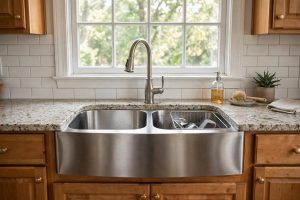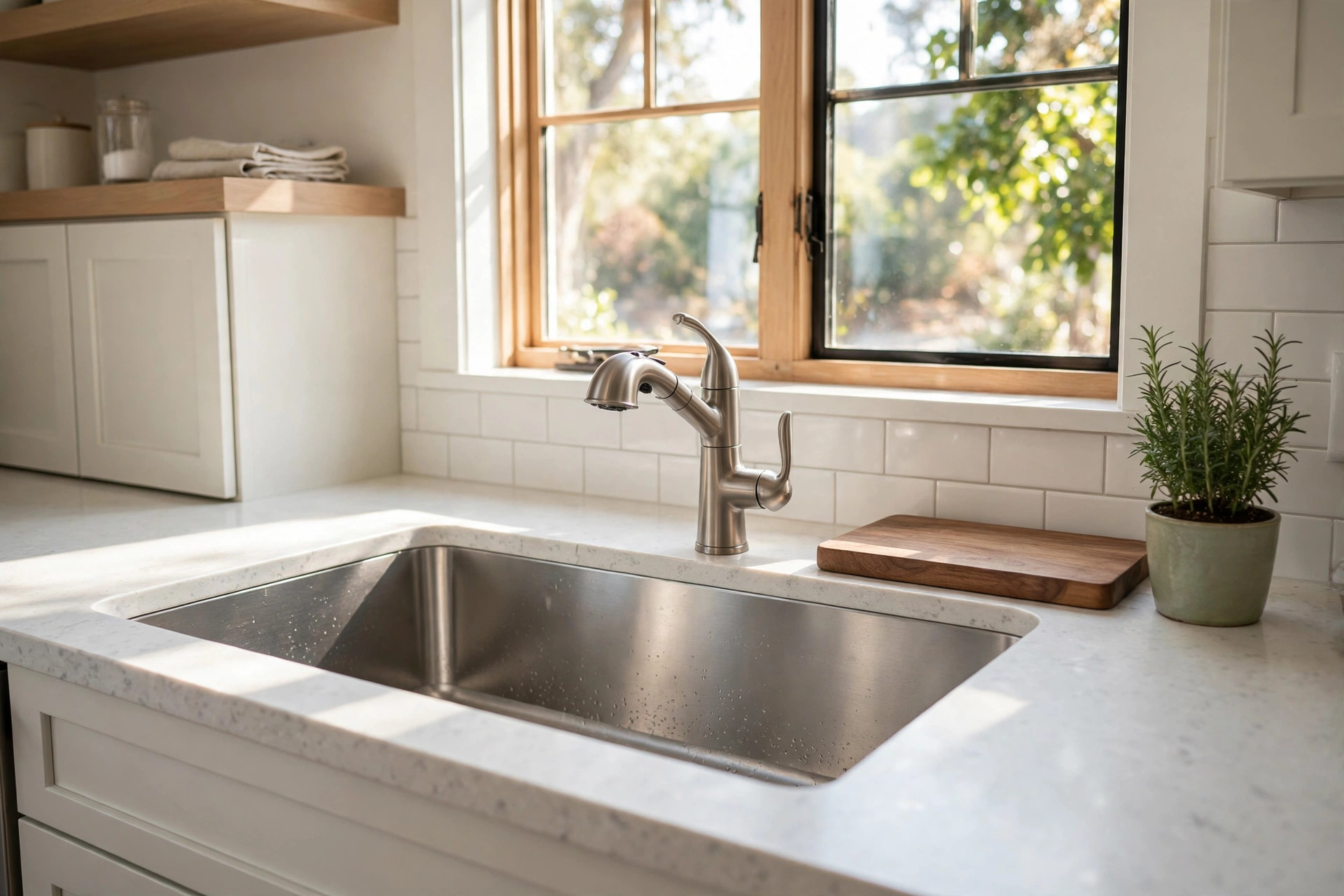

The kitchen sink gets used more than almost anything else in the home. Undermount stainless sinks for California homes have grown in favor because they look clean, wipe down fast, and stand up to hard daily use. This guide explains what these sinks are, why so many California homeowners choose them, how to pick one, what they cost, and how to keep one in good shape for years.
An undermount sink mounts below the countertop. No rim sits on top of the counter. The edge of the counter meets the sink in one smooth line. Crumbs and water sweep straight into the basin. That is the main draw. It is why these sinks suit the busy, modern kitchens found in California homes across the state.
Why Undermount Stainless Sinks Suit California Homes
California kitchens tend to be bright, open, and used hard. Families cook often. Hosts entertain. The sink must handle heavy pots, sheet pans, and piles of produce without fuss. Stainless steel does this well. It resists stains, stands heat, and does not chip the way porcelain or enamel can.
The undermount style adds still more. With no raised rim, the counter stays clear. Spills move into the basin with one swipe of a sponge. This matters in homes where the kitchen island doubles as a work table and a gathering place.
Climate plays a part too. In coastal areas, salt air can dull some finishes. Good stainless steel holds its look better than many coated sinks. In the Central Valley and the desert south, hard water leaves spots. Stainless hides these marks better than white enamel, and a quick wipe keeps the surface bright.
Real estate agents often say the kitchen sells the home. A clean undermount stainless sink reads as modern and cared for. Buyers notice it, even when they cannot name what they like. For a remodel aimed at resale, it is a safe, steady choice.
What to Look for When You Choose: Undermount Stainless Sinks California Homes Usa
Gauge and Steel Quality
Sink steel is sold by gauge. The numbers run backward. 16 gauge is thicker than 18 gauge, and 18 is thicker than 20. Thicker steel dents less and runs quieter. For a main kitchen sink, 16 or 18 gauge is the common pick. Thin sinks feel tinny and can flex when a heavy pot lands in them.
Look for 304-grade stainless steel. The grade tells you the mix of metals in the steel. 304-grade holds up well to kitchen acids, salt, and daily wear. Lower grades can spot and pit over time. Product labels at stores like Lowe’s usually list the grade, so check it before you buy.
Sound padding matters as well. Pads or a coating on the underside cut noise when the tap runs or dishes land. Undermount sinks in open-plan kitchens need this padding. Test it if the store has a display model you can touch.
Bowl Style and Size
A single deep bowl takes big pots and sheet pans. A double bowl lets you wash on one side and rinse on the other. Many California remodels now favor one large single bowl, often 30 inches wide or more. It suits the way people cook today. Fewer fussy steps, more room to work.
Measure your cabinet before you shop. The sink needs a cabinet wide enough to hold it. A 33-inch sink needs at least a 36-inch cabinet. Leave room on top for the faucet, the soap dispenser, and any extras like a pot filler faucet.
Drain placement counts too. A rear or offset drain leaves more room under the sink for the disposal and the pipes. It also gives you a flat space at the bottom of the basin, which helps when you set a cutting board across it.
Finish and Corners
Most stainless sinks come in a brushed finish. It hides light scratches and water marks. A polished finish looks sharp at first but shows every mark. For daily use, brushed is the better pick.
Tight square corners look modern, but they are harder to clean. Slightly rounded corners wipe out with ease. This small detail matters more than it seems, since the sink gets scrubbed every day.
Types of Undermount Stainless Sinks
Single-bowl sinks are the most common pick. One wide basin, deep enough for stockpots. They fit cabinets from 30 inches up. Simple, roomy, and easy to keep clean.
Double-bowl sinks split the space. Some have equal bowls. Others have one large and one small. The low-divide style keeps a lower wall between the bowls, so you get room for big pans while keeping a rinse side. Guides at Bob Vila and This Old House often show these styles in real remodel photos.
Workstation sinks add a ledge inside the rim. Cutting boards, colanders, and drying racks slide across the ledge. They turn the sink into a work zone. These cost more, but cooks who prep a lot tend to love them.
Bar and prep sinks are smaller, often 15 to 18 inches. They sit in an island or a wet bar. In larger California homes, a second small sink near the range or the patio door sees real use.
Cost and Price
The sink itself runs from about 150 dollars to 600 dollars. Basic 18-gauge models sit at the low end. Heavy 16-gauge workstation sinks with extras sit at the high end. Prices move with size, gauge, and brand.
Installation adds 200 to 500 dollars in most California markets. Labor costs run higher in the Bay Area and Los Angeles than inland. The counter must be a solid surface, such as quartz, granite, or solid wood. Undermount sinks do not work with laminate, since the cut edge would soak up water.
A full sink swap, with new faucet and minor plumbing, often lands between 800 and 2,500 dollars. If you are pairing the sink with new stone tops, read a quartz countertop installation buying guide first, since the sink and the counter get fitted as one job.
Watch for sales at big retailers. Home Depot and Lowe’s run kitchen events several times a year. Buying the sink, faucet, and disposal together can cut the total.
Workstation sinks with built-in ledges and extras run higher, often 400 to 800 dollars for the sink alone. Bar and prep sinks cost less, often under 200 dollars. Add 100 to 300 dollars for a pro plumber to hook up the drain and disposal if your installer does not include it. Get two or three quotes in writing before you commit. Prices for labor vary a lot from one California county to the next.
Undermount Stainless Sink Installation: What to Expect
Most homeowners hire a pro for this job. The sink hangs under the counter and gets sealed in place. It must sit level and tight, or water will creep under the edge. A bad seal leads to mold and loose clips.
The steps run like this. The installer cuts the opening in the countertop, tests the fit, and sets the sink with clips and a bead of silicone sealant. Support rails or a plywood cradle hold the weight. Then the plumber hooks up the drain, the disposal, and the faucet. The whole job takes about half a day for a straight swap.
You can do it yourself if you have solid skills. The sink is heavy, so bring a helper. Follow the maker’s template for the cut. Take your time with the seal. Reviews and test data at Consumer Reports can help you compare models before the work starts.
One caution. If your counter is laminate, stop. An undermount sink needs a sealed, solid edge. Water will ruin a laminate cutout in time. Choose a topmount sink instead, or plan new counters as part of the job.
Care and Upkeep
Stainless steel asks for little, but it rewards a habit. Rinse the sink after each use. Wipe it with a soft cloth. This keeps food acids and salt from sitting on the steel.
For spots, use baking soda on a damp sponge. Rub with the grain of the brushed finish. Rinse well and dry. For hard water marks, a mix of white vinegar and water cuts the film. Dry the sink after and it stays bright.
Avoid harsh moves. Bleach and strong acids can stain the steel. Steel wool leaves scratches that trap grime. Do not leave cast iron pans sitting in the sink overnight. They can leave rust marks that are hard to lift.
A sink grid helps a lot. The wire rack sits on the basin floor and keeps pots off the steel. It also cuts noise. Rinse the grid with the sink and it stays clean. Care tips from The Spruce and GE Appliances echo the same rules. Gentle cleaners, soft cloths, and quick rinses.
Once a month, give the sink a deeper clean. Sprinkle baking soda over the damp basin. Scrub gently with a soft sponge, following the grain. Rinse well, then buff dry with a microfiber cloth. This keeps the finish even and the drain area fresh. Skip abrasive powders and scouring pads. They wear the brushed surface and make it harder to keep clean over time.
Safety
A stainless sink is heavy. A 33-inch 16-gauge model can weigh 25 pounds or more. Lift it with two people. Keep hands clear of the cabinet edges when you set it in place.
The cut metal edge is sharp before it gets sealed. Wear work gloves during the install. Keep children and pets out of the work area while the counter is cut and the sink is loose.
Hot pots can scald. The steel holds heat for a while after you pour out boiling water. Run cold water for a few seconds before you reach in. Keep chemical cleaners locked away from children, and never mix bleach with other cleaners.
Check the clips and the seal once a year. If you see gaps or dark lines around the edge, recaulk before water gets in. A small fix now stops a big repair later.
Frequently Asked Questions
Can an undermount sink go in a laminate counter? No. Laminate has a wood core that swells when wet. The cut edge around an undermount sink stays damp. Use a topmount sink with laminate, or switch to quartz or granite.
What gauge stainless steel is best? 16 gauge is best for a main sink. It resists dents and runs quiet. 18 gauge works well too and costs less. Avoid thin 20-gauge sinks for daily kitchen use.
Does stainless steel scratch? Light scratches happen with normal use. A brushed finish hides them well. Deep scratches from steel wool or sharp tools show more. Use soft sponges and a sink grid to keep the surface smooth.
How long does an undermount stainless sink last? A good 304-grade sink lasts 20 years or more. The seal around the edge may need fresh caulk once or twice in that time. The steel itself holds up for decades with basic care.
Is it hard to replace an undermount sink later? It takes more work than a topmount swap. The counter must come up or the cabinet must give access from below. Plan the sink as a long-term pick. If you want to compare models first, do it before the counters get cut.
Do I need a special faucet? Any standard kitchen faucet works. Pick the faucet to match your cooking style, not the sink. A high-arc spout helps fill tall pots. Make sure the deck or the counter has the right number of holes for the faucet you want.
A Final Word
Undermount stainless sinks for California homes earn their place. They look clean, clean up fast, and take years of hard use. Pick 304-grade steel in 16 or 18 gauge, size it to your cabinet, and have it set by a careful installer. Care for it with soft cloths and mild cleaners. Do that, and the sink will serve your kitchen for decades.
See ENERGY STAR for more detail.
References
Bob Vila. (n.d.). Home improvement advice. https://www.bobvila.com Consumer Reports. (n.d.). Product reviews and ratings. https://www.consumerreports.org ENERGY STAR. (n.d.). Energy efficient products. https://www.energystar.gov GE Appliances. (n.d.). Kitchen and home appliances. https://www.geappliances.com Lowe’s. (n.d.). Home improvement products. https://www.lowes.com The Home Depot. (n.d.). Home improvement products. https://www.homedepot.com The Spruce. (n.d.). Home and garden advice. https://www.thespruce.com This Old House. (n.d.). Home renovation guidance. https://www.thisoldhouse.com
Was this guide helpful?

About Sarah Mitchell
The My Garden US editorial team writes practical, in-depth home and garden guides for American homeowners — tested advice, no fluff.
You May Also Like

Dishwasher Third Rack for Sale USA: A Complete Buying Guide
June 9, 2026 0 views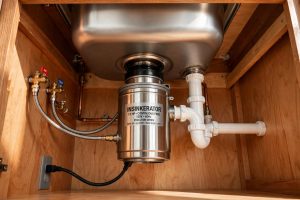
Garbage Disposal Installation Deals Near Me: A Plain Guide for Homeowners
August 3, 2026 0 views
Shaker Cabinet Doors Reviews Buying Guide USA
October 1, 2026 0 views