Arrowhead is the native American tuber hiding in plain sight. Also called wapato, it grows wild along pond edges and marshes across the continent, where its arrow-shaped leaves rise from shallow water. Underground, it forms small, crisp tubers that fed Indigenous peoples for thousands of years. Gardeners learning how to grow arrowhead get a hardy, beautiful water plant with a genuine American heritage.
Table of Contents
Table of Contents
This is one of the easiest aquatic crops to grow. It is hardy from zones 4 to 10, tolerates a range of conditions, and comes back year after year. Grown in pond margins or flooded tubs, it needs little beyond sun and constant wetness. The harvest is modest but delicious, and the plant itself is ornamental enough for any water garden.
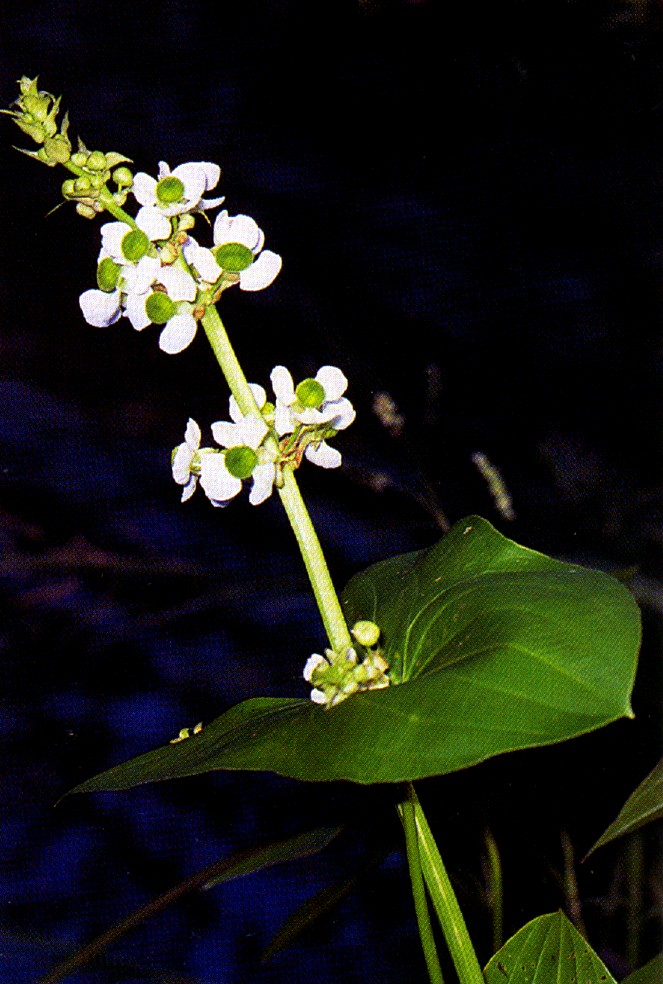
Photo: Wikimedia Commons
Quick facts: Sun: full sun. Soil: wet mud or shallow water. Water: high; keep soil saturated. Plant tubers 3 inches deep, 12 inches apart. Days to maturity: 120 to 150. Hardy aquatic perennial in zones 4 to 10.
Choosing a Variety and Getting Started
When it comes to how to grow arrowhead, getting the details right makes all the difference.
When it comes to how to grow arrowhead, getting the details right makes all the difference.

Many homeowners find that how to grow arrowhead is easier than they expected once they know the basics.
Arrowhead grows from tubers, sold by native plant and water garden suppliers, usually just as arrowhead or wapato. There are no varieties to choose between. Buy firm, healthy tubers; each one grows into a clump of arrow-leaved plants.
Decide between a pond margin and containers. In a natural or lined pond, plant the tubers in the muddy shallows at the edge. In tubs, use wide pots without drainage holes, submerged under a few inches of water. Pots keep the plant contained, which matters because arrowhead spreads by runners and can wander in a pond. Before planting, check your USDA zone planting dates on the planting calendar.
As a native plant, arrowhead supports local wildlife: ducks eat the tubers, pollinators visit the flowers, and the foliage shelters small aquatic life. The Lady Bird Johnson Wildflower Center profiles native edibles like this one. If you have grown potatoes for tubers, the dig-and-find harvest will feel familiar, just wetter.
When and How to Plant
Many homeowners find that how to grow arrowhead is easier than they expected once they know the basics.
The key to how to grow arrowhead is choosing the right approach for your space and budget.
Plant arrowhead tubers in spring, about a week after your last spring frost, once the water and mud have started to warm. Set the tubers a few inches deep in pond-edge mud, or in wide pots submerged under 2 to 4 inches of water. Space them about 12 inches apart; they spread to fill in.
Full sun gives the biggest tubers. Shade-grown plants make lush leaves but skimp underground, so site the planting where it gets sun most of the day. Water the tubers in by simply flooding the area; there is no gentler planting than dropping a tuber in mud.
The Old Farmer's Almanac covers spring planting timing. In zones 4 to 10, established plantings are fully hardy and need no winter protection beyond what the pond or tub provides.
Soil and Sun
The key to how to grow arrowhead is choosing the right approach for your space and budget.
With a little planning, how to grow arrowhead can fit even a busy schedule.
Wet mud or shallow water in full sun. Arrowhead is an aquatic plant; its roots want to be saturated or submerged at all times. Ordinary pond mud is perfect. In containers, use heavy garden loam that stays put underwater, mixed with compost for fertility.
Sun drives tuber production. A planting in full sun out-yields a shaded one dramatically. Do not tuck arrowhead into the shady corner of the water garden and expect a harvest. The arrow-shaped leaves are designed to catch light, so give them plenty.
Pond mud needs no fertilizer; natural pond sediments are fertile enough. In pots, push an aquatic fertilizer tablet into the mud as the arrow-shaped leaves emerge. Ordinary fertilizer dissolves into the water and feeds algae instead of the plant. The Clemson Home & Garden Information Center covers water-garden fertilization basics.
Watering and Feeding
With a little planning, how to grow arrowhead can fit even a busy schedule.
Before you start, it helps to understand how how to grow arrowhead works in real homes.
Keep the soil constantly wet or submerged. Drying out stalls tuber growth, which is the whole point of the planting. In a pond margin, nature handles this. In tubs, check the water level regularly in hot weather and top up as needed. The plants should never sit in merely damp soil for long.
Remove dead foliage during the growing season to keep the water clean. Decaying leaves foul small containers and can deplete oxygen. A quick grooming every couple of weeks keeps the planting healthy and attractive.
Its background under Sagittaria latifolia is listed in the USDA PLANTS Database. The University of Minnesota Extension includes native aquatic plants in its water gardening materials.
Care Through the Season
Before you start, it helps to understand how how to grow arrowhead works in real homes.
A good plan for how to grow arrowhead saves time, money, and frustration.
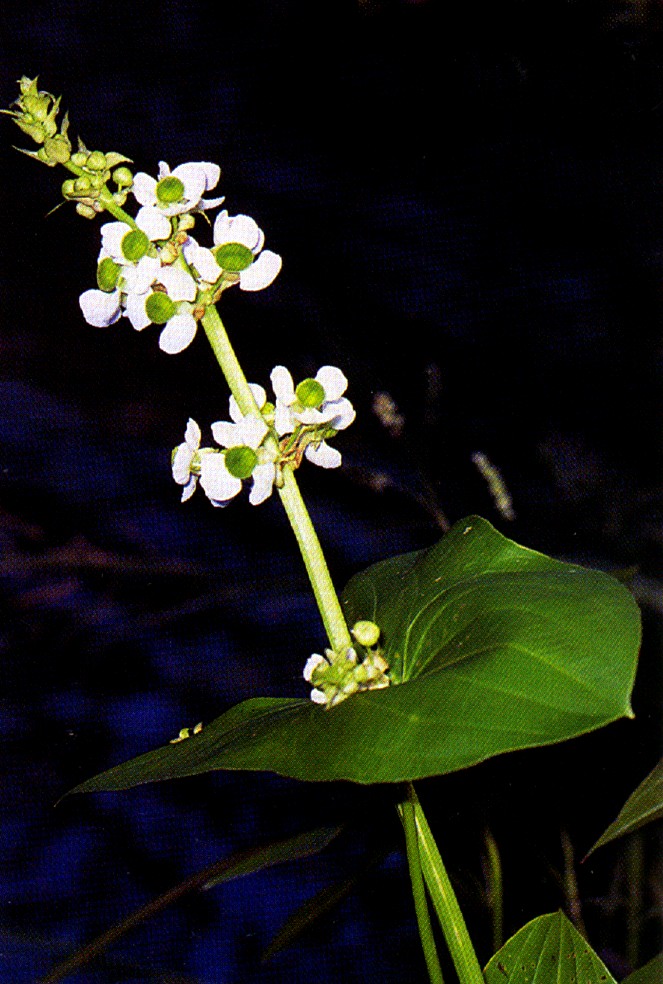
Arrowhead is low maintenance once established. The main task is containment awareness: in a pond, the runners wander, so decide how much spread you will tolerate. In pots, there is nothing to do beyond water-watching. The plants grow steadily through summer, flowering with delicate white blooms that are pretty in their own right.
Net the pots if muskrats or ducks raid the tubers. Wildlife loves wapato as much as people do, which is a compliment to the crop and a threat to the harvest. A simple net over container plantings keeps the tubers for you.
Let the foliage grow undisturbed until it dies back in fall. Like other tuber crops, arrowhead puts its final energy into the tubers as the tops fade. Cutting the leaves early costs you harvest.
Harvest
A good plan for how to grow arrowhead saves time, money, and frustration.
For most people, how to grow arrowhead comes down to a few smart choices.
Harvest when the leaves die back in fall. Reach into the mud and feel along the runners for the round tubers. It is hands-in-the-mud work, best done on a mild day with sleeves rolled up. In pots, tip the container and sift through the mud.
Always cook the tubers. This is important: raw tubers can carry parasites from pond water, so they must be cooked before eating. Boiled, roasted, or fried, they are crisp, mild, and nutty, with a texture somewhere between a potato and a water chestnut. Peel them after cooking, when the skins slip off easily.
They keep a few weeks in a cool, damp place, like a root cellar. Leave the smallest tubers in the mud, and they will sprout next season's crop on their own; arrowhead is a self-renewing planting when you let it be.
Cooking Wapato
For most people, how to grow arrowhead comes down to a few smart choices.
If you are new to how to grow arrowhead, start with the simplest option and build from there.
Always cook the tubers; this is the rule that matters. Raw tubers from pond water can carry parasites, so heat is not optional. Boil them until tender, then slip the skins off; they peel easily after cooking. The flesh is crisp, mild, and nutty, with a texture between a potato and a water chestnut.
Roasting brings out their sweetness. Toss the peeled tubers with oil and salt and roast hot until golden at the edges. They also fry beautifully into crisp chips, and they simmer well in stews, holding their shape where potatoes would fall apart. Traditional preparations include baking them in ashes and eating them plain, which lets their subtle flavor show.
The tubers keep a few weeks in a cool, damp place, like a root cellar or a refrigerator drawer in a damp bag. Check them now and then and use any that soften first. And remember the self-renewing bargain: leave the smallest tubers in the mud at harvest, and they sprout next season's crop on their own. A wapato planting, once established, can feed you for years with almost no input beyond the fall digging.
Arrowhead for Wildlife Ponds
If you are new to how to grow arrowhead, start with the simplest option and build from there.
When it comes to how to grow arrowhead, getting the details right makes all the difference.
Arrowhead earns its place even where you never harvest it. As a native plant, it belongs in the pond the way oaks belong in the forest. Ducks dive for the tubers, blackbirds nest in the foliage, and the white summer flowers feed pollinators. A pond margin planted with arrowhead looks right in a way that exotic ornamentals never quite manage.
For wildlife value, plant generously and harvest lightly. Leave most of the tubers for the ducks and muskrats; take only what you need from the edges. The plants spread by runners into a natural colony, and a colony supports far more life than a specimen. Do not fertilize a wildlife planting; pond sediments provide enough nutrition, and added fertilizer feeds algae instead.
In a natural pond, arrowhead needs no care at all once established. It survives winters, spreads at its own pace, and returns each spring. The only management is deciding how much spread you welcome. Where it threatens to fill a small pond, pull the edges back in fall when you harvest; the thinning doubles as your crop. Food for you, food for wildlife, beauty for the pond: arrowhead gives all three.
Troubleshooting
When it comes to how to grow arrowhead, getting the details right makes all the difference.
Many homeowners find that how to grow arrowhead is easier than they expected once they know the basics.
Plants make leaves but few tubers. Too much shade or the plants were harvested too early. Give full sun and wait for the foliage to die back naturally.
Tubers disappear before harvest. Wildlife raided them. Net container plantings and accept some sharing in pond plantings.
Plants spread beyond their spot. Runners wander in ponds. Grow in submerged pots to contain them, or divide and replant the edges each spring.
Foliage yellows in summer. Usually natural die-back starting early, or the water level dropped. Keep the planting submerged and let the season run its course.
Arrowhead is the native pond tuber for gardeners with wet ground: hardy, beautiful, and self-renewing. For a dry-land tuber with the same dig-and-find satisfaction, potatoes are the classic. More on native edibles is available from the Lady Bird Johnson Wildflower Center, and background through the USDA National Agricultural Library.
References
Many homeowners find that how to grow arrowhead is easier than they expected once they know the basics.
Lady Bird Johnson Wildflower Center. (n.d.). Native plant database. https://www.wildflower.org/plants/
Old Farmer's Almanac. (n.d.). Growing unusual vegetables. https://www.almanac.com/
Clemson Cooperative Extension. (n.d.). Home & Garden Information Center. https://hgic.clemson.edu/
University of Minnesota Extension. (n.d.). Water gardening in home landscapes. https://extension.umn.edu/
Was this guide helpful?

About My Garden US
The My Garden US editorial team writes practical, in-depth home and garden guides for American homeowners — tested advice, no fluff.
You May Also Like
How to Grow Lavender: Fragrant USA Guide
October 9, 2026 32 views
Heirloom Vegetable Seeds for California Homes: A Plain Growing Guide
June 16, 2026 21 views
Where to Buy Air Plants in Bulk in the USA
February 16, 2026 16 views