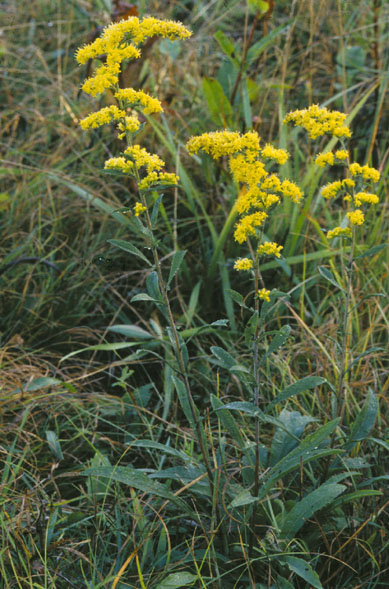
Goldenrod - Solidago canadensis and its relatives - suffers from the worst public relations of any American wildflower. Blamed for hay fever it does not cause (ragweed, blooming at the same time, is the real culprit), dismissed as a weed, it is in fact one of the great garden plants: a tough native perennial that covers itself in gold for weeks in late summer and fall, feeding more pollinators than almost anything else in bloom. Learning how to grow goldenrod is about choosing the right varieties, siting them sensibly, and letting a native do what natives do best.
Table of Contents
Table of Contents
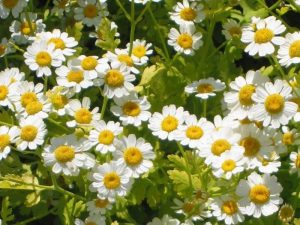
The garden varieties are a revelation to anyone who only knows the roadside kind. Clump-forming cultivars stay put, grow to manageable heights, and bloom in shades from pale lemon to deep gold. Planted with coneflowers and asters, they make the classic fall trio - the gold, purple, and pink of early fall. And the pollinator show is unmatched: on a warm fall afternoon a goldenrod patch hums with bees, butterflies, and beneficial wasps.

Photo: Wikimedia Commons
Getting Started: Choosing Well-Behaved Types
When it comes to how to grow goldenrod, getting the details right makes all the difference.

Many homeowners find that how to grow goldenrod is easier than they expected once they know the basics.
This is the critical decision. Wild goldenrod spreads aggressively by rhizomes and seed - plant the roadside kind in a perennial bed and you will be digging it out for years. The garden cultivars, bred for clump-forming habits and compact size, behave beautifully. Look for named varieties described as "clump-forming": 'Fireworks' with its arching sprays, 'Goldenmosa', 'Crown of Rays', and the compact 'Little Lemon' are all excellent. The Lady Bird Johnson Wildflower Center recommends specific well-behaved species and cultivars for garden use.
Goldenrod is hardy in zones 3 through 9 - one of the toughest perennials you can plant. The USDA PLANTS database shows species native to nearly every state, which is why it thrives with so little help. Buy nursery transplants or divisions; seed-grown plants are variable and the named cultivars do not come true from seed.
And the hay fever question, settled: goldenrod pollen is heavy and insect-carried, not wind-blown - it cannot cause hay fever. The inconspicuous green ragweed blooming alongside it is the allergen. Plant goldenrod without guilt, and correct anyone who sneezes in its direction.
When and How to Plant
Many homeowners find that how to grow goldenrod is easier than they expected once they know the basics.
The key to how to grow goldenrod is choosing the right approach for your space and budget.
Plant divisions or nursery transplants in spring after the soil can be worked, or in early fall - about eight weeks before your first fall frost - so roots establish before winter. Spring planting is the safer bet in cold zones; fall planting works where winters are moderate. Space plants 18 to 24 inches apart - they fill in fast. If you want to check your USDA zone planting dates, our planting calendar will help with frost-date planning.
You can also sow seed: start indoors about eight weeks before your last spring frost, barely covering the tiny seed, or direct sow around the last frost date. But seed-grown plants take a full season to establish and a second to bloom well, and they will not match the named cultivars. For most gardeners, transplants are worth the small investment.
From planting to bloom runs about 150 to 180 days for seed-grown plants; transplants often bloom the first fall. Either way, the real show starts in year two, when the clumps mature. The Old Farmer's Almanac native-perennial advice applies: plant them, tend them lightly, and let the second year bring the glory.
Soil and Sun
The key to how to grow goldenrod is choosing the right approach for your space and budget.
With a little planning, how to grow goldenrod can fit even a busy schedule.
Full sun is the rule - six hours minimum for sturdy stems and heavy bloom. Goldenrod in shade grows leggy, flops, and blooms sparsely. The sunniest part of the border, the meadow edge, the hellstrip - these are goldenrod territory.
Here is the counterintuitive part: goldenrod prefers average to poor soil. Rich, pampered soil grows tall, floppy plants that fall over - the classic overfed goldenrod. Lean soil grows compact, stiff, floriferous plants. This is the opposite of hungry perennials, and it is why goldenrod thrives in the neglected corners where black-eyed Susans also do well. Do not amend heavily, do not fertilize - the worst soil in the sunny bed is the best bed.
Drainage should be decent - well-drained average soil is ideal. Goldenrod tolerates clay better than many perennials but rots in truly waterlogged ground. If your soil stays soggy, pick a higher spot or a different plant; this one wants sun and drainage, not a swamp.
Watering and Feeding
With a little planning, how to grow goldenrod can fit even a busy schedule.
Before you start, it helps to understand how how to grow goldenrod works in real homes.
Water only until established - a few weeks of steady moisture for new transplants - then leave it alone. Established goldenrod is deeply drought-tolerant, with roots that find water far below the surface. In most climates you will never water it again. This is the plant for the bed with no hose, the far meadow, the gardener who travels in summer.
Do not fertilize. Ever. This cannot be stressed enough: feeding goldenrod makes it worse - taller, floppier, fewer flowers per stem, more disease. The plant evolved for lean meadow soils and performs best in them. If you have been feeding the bed for other plants, the goldenrod will tolerate it, but it will never need it.
Mulch is optional. A light mulch suppresses weeds while transplants establish, but established goldenrod shades out its own weeds. In a meadow planting, skip the mulch entirely - it interferes with the self-sowing that keeps the drift going.
Care Through the Season
Before you start, it helps to understand how how to grow goldenrod works in real homes.
A good plan for how to grow goldenrod saves time, money, and frustration.
Cut plants back by half in early summer - the "Chelsea chop" - to keep them compact. This single haircut transforms tall, floppy varieties into dense, bushy plants that bloom heavily without staking. Without it, many varieties reach four feet and flop open; with it, they stay at a sturdy two to three feet. Time the cut for early summer, well before buds form.
Divide every three years to control spread and renew vigor. Even clump-forming varieties expand steadily, and the centers get woody with age. Dig in spring, divide into vigorous outer pieces, replant immediately - free plants for new drifts or for gardening friends. This regular division is also how you keep a named cultivar true, since seedlings vary.
Watch for rust and powdery mildew in humid weather - orange pustules or white coating on the leaves. Good air circulation (proper spacing, not crowding) prevents most of it. Affected foliage is mostly cosmetic; the flowers bloom anyway. Avoid overhead watering and the problems stay minor. The Clemson Home and Garden Information Center has perennial disease guides for humid climates.
Deadhead if you want to limit self-seeding - snip the spent plumes before they fluff out. Or leave them: the seed heads feed birds through fall, and the seedlings keep the drift going. Many gardeners deadhead the front of the planting and leave the back wild.
Harvest
A good plan for how to grow goldenrod saves time, money, and frustration.
For most people, how to grow goldenrod comes down to a few smart choices.
Cut flower spikes just before they fully open - when the buds show full color but the individual florets have not all unfurled. They open in the vase over several days and last well over a week, sometimes two. The arching sprays of varieties like 'Fireworks' are particularly striking in arrangements. Cut in the cool of the morning and put stems straight into water.
For drying, cut at the same stage and hang upside down in small bunches in a dark, airy spot. Dried goldenrod holds its color reasonably well and adds fall texture to everlasting arrangements - though it is more fragile dried than fresh.
Leave plenty standing in the garden. The fall pollinator show - bees, butterflies, beetles, and wasps working the gold plumes - is one of the great wildlife spectacles of the garden year, and it happens precisely when migrating monarchs need fuel. Like bee balm in summer, goldenrod in fall is a pollinator lifeline. The Missouri Botanical Garden lists it among the top native plants for pollinator gardens.
Troubleshooting
For most people, how to grow goldenrod comes down to a few smart choices.
If you are new to how to grow goldenrod, start with the simplest option and build from there.
It is taking over. You planted a spreading wild type, or a vigorous cultivar in rich soil. Dig out runners yearly, deadhead before seed ripens, divide every three years, and next time choose a clump-forming cultivar and plant it lean. In a meadow, taking over is the point - site accordingly.
Tall and floppy. Too rich, too shady, or never cut back. The Chelsea chop in early summer fixes most floppiness; lean soil and full sun prevent it. Stake only as a last resort - fixing the conditions beats propping the plant.
No flowers. Too much shade is the usual cause, or plants too young (seed-grown plants need two years). Also, a very late cut-back can delay bloom past frost in short seasons - time the chop for early summer.
Rust or mildew. Humid weather plus crowding. Improve air flow, water at the base, remove badly affected leaves. Resistant varieties exist for problem areas. The University of Minnesota Extension covers perennial disease management realistically.
Neighbors blame it for hay fever. Educate gently: goldenrod does not cause hay fever; ragweed does. The USDA National Agricultural Library and every allergy reference agree. Then invite them to watch the butterflies.
Goldenrod is the native that asks for nothing and gives gold - choose a clump-forming variety, plant it lean in full sun, cut it back once, and let early fall shine. Gardenia.net has good cultivar profiles for picking your gold. The roadside weed, tamed and chosen well, becomes the star of the fall garden.
References
If you are new to how to grow goldenrod, start with the simplest option and build from there.
When it comes to how to grow goldenrod, getting the details right makes all the difference.
- Gardenia. (n.d.). Goldenrod growing guide. https://www.gardenia.net/
- Lady Bird Johnson Wildflower Center. (n.d.). Native plant database. https://www.wildflower.org/plants/
- Missouri Botanical Garden. (n.d.). Plant finder. https://www.missouribotanicalgarden.org/
- U.S. Department of Agriculture. (n.d.). PLANTS database. https://plants.usda.gov/home
- University of Minnesota Extension. (n.d.). Growing native perennials. https://extension.umn.edu/
Many homeowners find that how to grow goldenrod is easier than they expected once they know the basics.
When it comes to how to grow goldenrod, getting the details right makes all the difference.
Many homeowners find that how to grow goldenrod is easier than they expected once they know the basics.
Was this guide helpful?

About My Garden US
The My Garden US editorial team writes practical, in-depth home and garden guides for American homeowners — tested advice, no fluff.