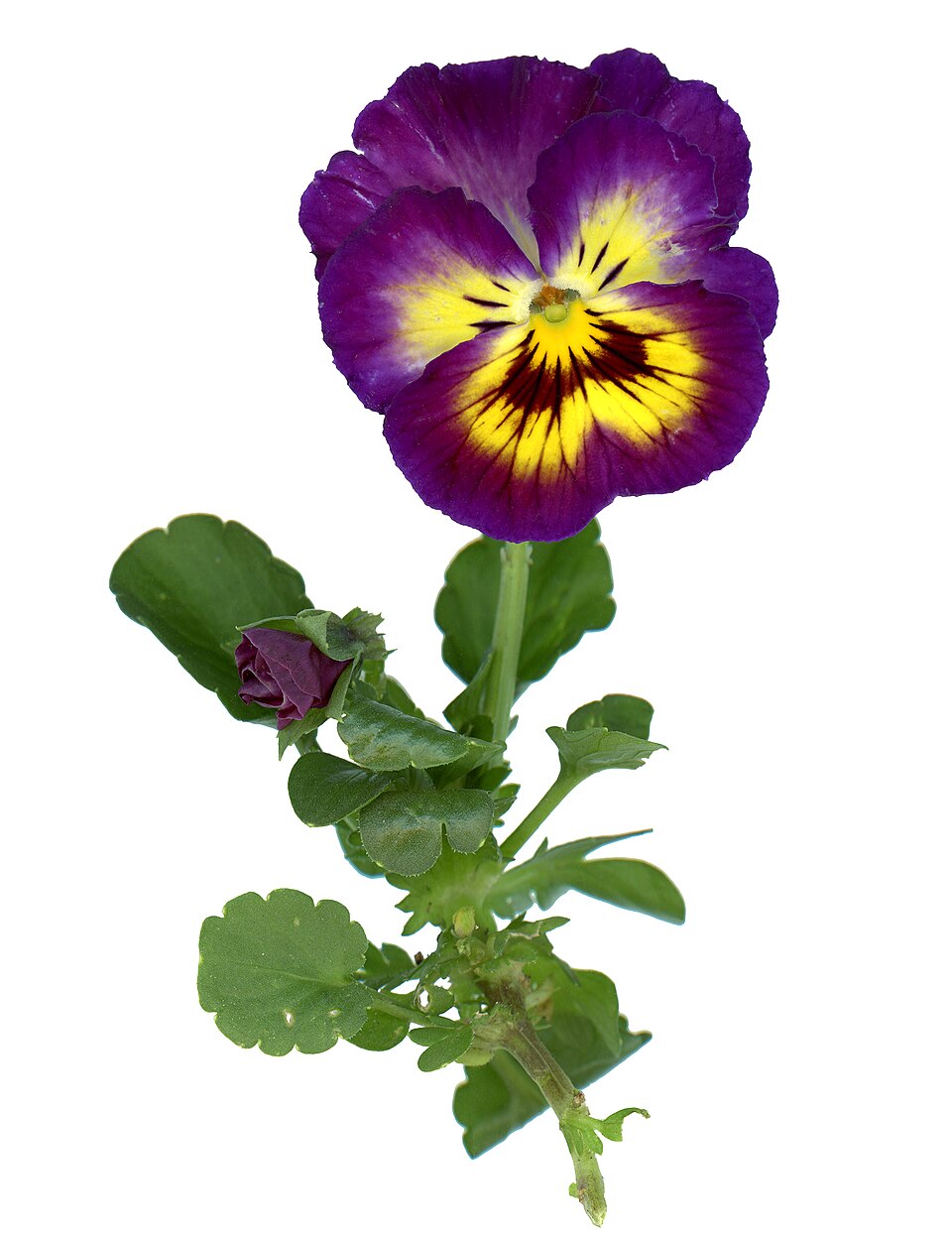
Every garden needs a flower that looks after itself, and Pansy is a strong candidate. It blooms generously, asks for ordinary soil, and shrugs off more neglect than most ornamentals. If you are ready to learn how to grow pansies, this guide lays out each step in order: varieties, planting time, soil, watering, seasonal care, and harvest.
Table of Contents
Table of Contents
A quick orientation before planting. Pansy suits USDA zones 6 to 11, and expect harvest roughly 75 to 90 days after sowing. Those two facts shape every decision that follows, from sowing date to harvest. The Old Farmer's Almanac is a solid backup reference for any step you want to double-check.

Photo: Wikimedia Commons
Choosing a Variety
When it comes to how to grow pansies, getting the details right makes all the difference.
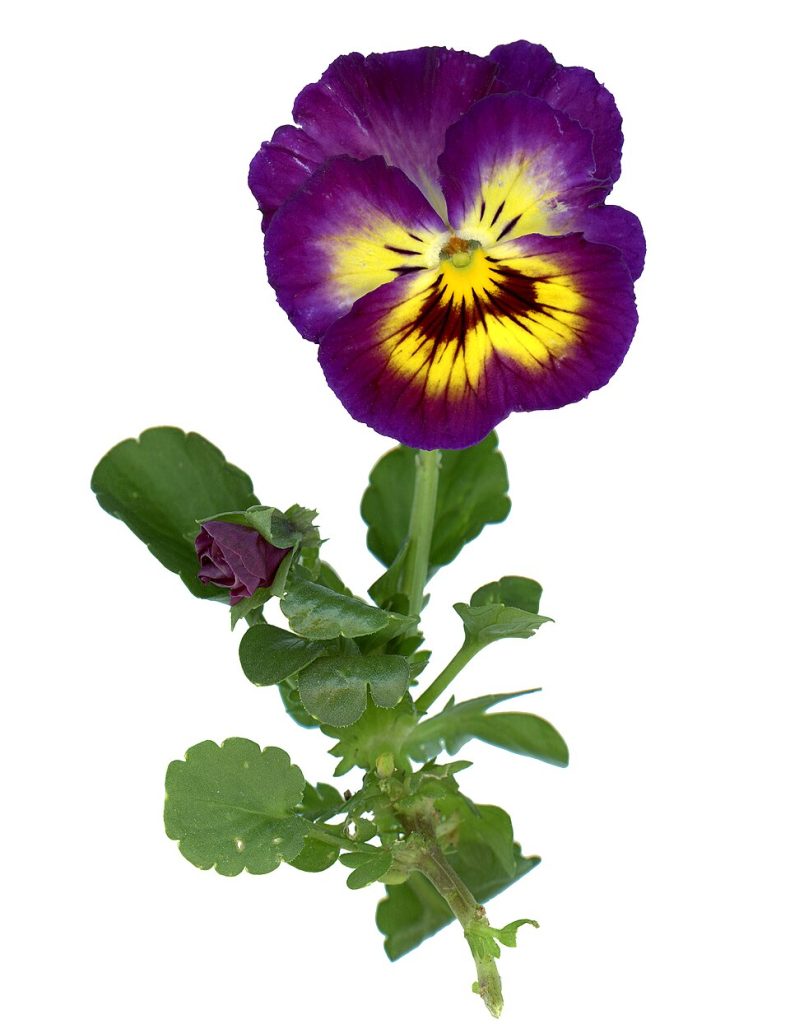

Many homeowners find that how to grow pansies is easier than they expected once they know the basics.
Start with good stock. For pansy, that means seed started indoors or sturdy nursery transplants set out in cool weather. Buy from a reputable seed house or nursery, and look for fresh seed: pansy seed loses vigor sitting in a drawer for years. If you buy transplants, pick stocky plants with healthy roots and no circling at the pot bottom.
Whatever you buy, inspect it. Seed packets should be dated for the current season. Transplants should have white, fibrous roots, not a brown tangled mat. The Missouri Botanical Garden plant finder is a useful place to compare descriptions and confirm you are buying the right species. And if a neighbor grows pansy well, ask where their stock came from: local success is the best recommendation there is.
If you already grow herbs or vegetables, you may enjoy our companion guide to growing sunflower for ideas on what to plant alongside.
When to Plant Pansies
Many homeowners find that how to grow pansies is easier than they expected once they know the basics.
The key to how to grow pansies is choosing the right approach for your space and budget.
Timing is the single biggest lever in growing pansy. Get it right and the plants practically grow themselves; get it wrong and nothing else fully compensates. Start seeds indoors about 10 weeks before your last spring frost. Direct sow about 2 weeks before your last spring frost. Set out transplants right around your last spring frost. Sow for a fall crop about 8 weeks before your first fall frost.
Those offsets are relative to your frost dates, not anyone else's, so check your USDA zone planting dates on our planting calendar and write down your last spring frost and first fall frost before you sow. The Old Farmer's Almanac planting calendar lets you look up dates by zip code, which takes the guesswork out of it. For the botanical details and native range, the USDA PLANTS database is the authoritative reference.
Keep a simple record of sowing dates and results. After two or three seasons you will know your own microclimate better than any chart, and your pansy timing will dial itself in.
Keep notes on what worked. Pansy grown in your own soil, in your own weather, teaches you more in one season than any guide can, and next year's planting will be sharper for it.
Soil and Sun
The key to how to grow pansies is choosing the right approach for your space and budget.
With a little planning, how to grow pansies can fit even a busy schedule.
Site selection is the step most gardeners rush, and the one they most regret rushing. Pansy needs Full sun to partial shade, and it performs best in soil that is Rich moist well-drained soil. Spend an afternoon watching sun and shade patterns before you commit to a bed.
Test your soil before amending it. A basic test from your state extension service tells you pH and nutrients for a few dollars, and it beats guessing. Pansy is not terribly fussy, but it does its best work in ground that matches the description above. The Clemson Home & Garden Information Center publishes clear, practical soil guides for home gardeners.
As for water at planting time, pansy wants moderate. Water new plantings in thoroughly, then settle into the routine described in the watering section below.
Planting Step by Step
With a little planning, how to grow pansies can fit even a busy schedule.
Before you start, it helps to understand how how to grow pansies works in real homes.
Start pansy seed indoors 8 to 10 weeks before transplanting, or buy sturdy nursery transplants. Set plants 6 to 9 inches apart in rich, well-drained soil. Pansies love cool weather, so give them full sun in cool periods and afternoon shade where it gets hot. Water transplants in well.
Here is the planting routine for pansy, in order:
1. Prepare the bed a week or two ahead: loosen the soil, work in compost, and rake it level.
2. Sow or set each plant an eighth of an inch deep (barely covered), then firm the soil gently over it.
3. Space plants about 8 inches apart each way, giving each one room to reach full size without crowding.
4. Water the bed thoroughly right after planting so the soil settles around the roots or seed.
5. Mulch lightly to hold moisture and discourage weeds, keeping mulch a couple of inches back from stems.
6. Label the row with the variety and date; you will thank yourself later.
Do not rush this step on a hot afternoon. Plant in the cool of the morning or evening, water well, and shade tender transplants for a day or two if a heat wave follows. A gentle start pays back all season.
Watering and Feeding
Before you start, it helps to understand how how to grow pansies works in real homes.
A good plan for how to grow pansies saves time, money, and frustration.
Pansy needs moderate. That is the headline; the details are about consistency. Even moisture matters more than volume: plants stressed by alternating drought and flood never perform their best.
Water deeply and less often rather than sprinkling daily; deep watering trains roots downward where the soil stays cool. A rain gauge or even a tuna can under the sprinkler tells you how much actually fell. The Clemson Home & Garden Information Center has practical irrigation guidance for home-scale gardens.
When feeding, think slow and steady. Compost, composted manure, or a balanced slow-release fertilizer applied once in the growing season covers pansy's needs. More is not better; the goal is healthy growth, not a race.
Care Through the Season
A good plan for how to grow pansies saves time, money, and frustration.
For most people, how to grow pansies comes down to a few smart choices.
Mid-season care is where harvests are made or lost. Pansy does not need constant fussing, but it does need steady attention to water, weeds, and pests. Walk the bed every few days; problems caught early are small problems.
For side-by-side comparisons and detailed plant profiles, the Missouri Botanical Garden plant finder is one of the most reliable free references a home gardener can bookmark.
Deadhead spent flowers constantly to keep blooms coming, and mulch to keep roots cool. Feed lightly every few weeks with a balanced fertilizer. Watch for slugs and snails, which love the tender foliage, plus aphids and powdery mildew in crowded plantings.
Keep up with the small jobs and the season mostly runs itself. If you grow other plants in the same category, our guide to growing coneflower covers seasonal routines that transfer well.
Watch the weather, not the calendar. A stretch of hot, dry wind calls for extra water; a cool, wet spell calls for better air flow and a break from the hose. The gardener who adjusts to conditions beats the one who follows a rigid schedule.
Grower's tip: Deadhead regularly to keep flowers coming. Feed lightly every few weeks for best performance.
Harvest
For most people, how to grow pansies comes down to a few smart choices.
If you are new to how to grow pansies, start with the simplest option and build from there.
Picking at the right moment is a skill, and pansy rewards gardeners who learn it. The harvest window and the handling notes below will help you bring in the best possible crop.
For region-specific harvest and storage advice, University of Minnesota Extension publishes practical, research-based factsheets worth reading before the picking season starts.
Pick flowers for salads and desserts; the blooms are edible, though you should remove the green base. Harvest often, since picking encourages more buds. Pro tip: pansies stall in heat but rarely die, so leave struggling summer plants in place and they will rebound strongly when cool weather returns.
Do not wait for perfection. Most crops have a peak window, and picking slightly early beats picking late. Taste and observe as the season goes: your palate is the final judge.
For more harvest-timing ideas across the garden, see our guide to growing coral bells.
Troubleshooting
If you are new to how to grow pansies, start with the simplest option and build from there.
When it comes to how to grow pansies, getting the details right makes all the difference.
Pansy is a sturdy plant, but a few pests, diseases, and climate limits can spoil the crop. This section covers the ones American gardeners actually meet, and what to do about each.
Peters out in hot summers; treat as a spring/fall flower in warm zones.
Healthy plants resist problems best, so most troubleshooting starts with the basics: right plant, right place, right water. When pests or disease do appear, identify them before acting. Your state extension service and the Clemson Home & Garden Information Center both publish photo-rich pest guides for home gardeners.
Quick-Grow Facts
When it comes to how to grow pansies, getting the details right makes all the difference.
Many homeowners find that how to grow pansies is easier than they expected once they know the basics.
- Botanical name: Viola x wittrockiana
- USDA zones: 6 to 11
- Sun: Full sun to partial shade
- Soil: Rich moist well-drained soil
- Water: Moderate
- Spacing: about 8 inches apart
- Planting depth: an eighth of an inch deep (barely covered)
- Days to maturity: 75 to 90
Pansy is one of those crops that makes a gardener look good with modest effort. Give it the right timing, decent soil, and steady water, and it will do the rest. Start small this season, take notes, and grow more next time: that is how every good gardener learned.
References
Old Farmer's Almanac. (n.d.). Home gardening growing guides. https://www.almanac.com/
Missouri Botanical Garden. (n.d.). Plant finder. https://www.missouribotanicalgarden.org/
Old Farmer's Almanac. (n.d.). Planting calendar by zip code. https://www.almanac.com/planting-calendar
U.S. Department of Agriculture. (n.d.). PLANTS database. https://plants.usda.gov/home
Clemson University. (n.d.). Home & Garden Information Center factsheets. https://hgic.clemson.edu/
Was this guide helpful?

About My Garden US
The My Garden US editorial team writes practical, in-depth home and garden guides for American homeowners — tested advice, no fluff.