When it comes to how to grow olives, getting the details right makes all the difference.
Table of Contents
Table of Contents
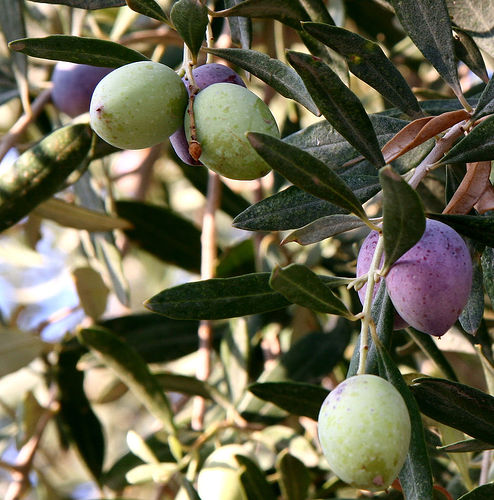
Photo: Wikimedia Commons
Olive trees connect a garden to deep time. They live for centuries, fruit for generations, and ask almost nothing: sun, drainage, and patience. The silver-green foliage is beautiful year-round, and the gnarled trunks become sculpture with age. The fruit demands curing before eating, which surprises beginners, but home-cured olives are a revelation. In zones 8 through 11 with hot, dry summers, few trees give so much for so little.
Olive trees live for centuries, shrug off drought, and turn a sunny yard into a slice of the Mediterranean. They also make fruit that is inedibly bitter straight off the tree, which surprises every first-time grower. Every olive must be cured before eating. Know that going in, and the tree is a joy: beautiful silver-green foliage, minimal needs, and a harvest you process yourself. Learning how to grow olives suits gardeners in zones 8 through 11 with long, hot, dry summers and mild winters.
The species is Olea europaea. The USDA PLANTS Database documents it as naturalized in the warmest American climates. Olives need winter chill plus long hot summers to fruit, and they despise wet feet. Freezes below about 15 degrees kill them.
Choosing a Tree
When it comes to how to grow olives, getting the details right makes all the difference.

Many homeowners find that how to grow olives is easier than they expected once they know the basics.
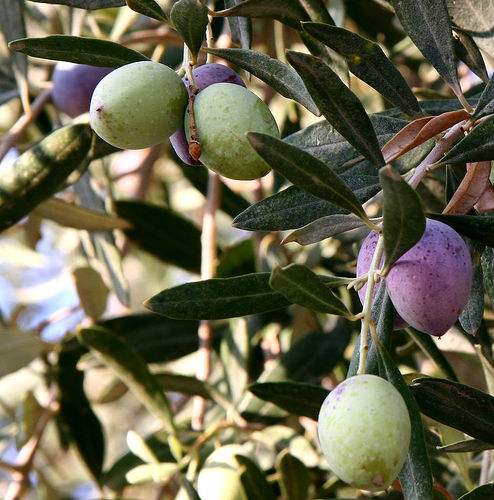
Buy a grafted or self-rooted tree of a named fruiting variety. Fruitless ornamental olives exist for landscapes where falling fruit is a nuisance; they are beautiful but they will never give you a harvest. For fruit, choose a variety known for table olives or oil in your region: Mission, Manzanillo, and Arbequina are widely planted in the United States.
Check the roots and the trunk before buying. Avoid pot-bound trees with circling roots. A young tree establishes faster than a large specimen. The Missouri Botanical Garden plant profiles include olive notes for warm-climate gardeners.
When and How to Plant
Many homeowners find that how to grow olives is easier than they expected once they know the basics.
The key to how to grow olives is choosing the right approach for your space and budget.
Plant in spring, in full heat. Olives establish best when planted into warm soil as the hot season begins. Dig a hole twice as wide as the root ball but no deeper, set the tree at the same depth it grew in the pot, and backfill with native soil. Do not amend heavily; olives prefer lean ground.
Space trees 15 to 20 feet apart. They make broad, picturesque trees with time. Water deeply at planting and mulch, keeping mulch away from the trunk. Stake only if the site is windy; olives develop stronger trunks without staking. Look up your USDA zone planting dates to catch the warm spring window.
Soil and Sun
The key to how to grow olives is choosing the right approach for your space and budget.
With a little planning, how to grow olives can fit even a busy schedule.
Full sun and well-drained soil, even rocky or alkaline. Olives thrive in poor, stony ground that defeats fussier fruit trees. What they cannot stand is wet soil. Sharp drainage is the one soil requirement that matters. In heavy clay, plant on a mound or a slope.
Olives tolerate alkaline soils well, a useful trait in the Southwest. A soil test is still worthwhile before planting any fruit tree, but olives forgive more than most. The University of Florida IFAS Extension and Clemson Cooperative Extension both publish Mediterranean-fruit notes for their regions.
Other drought-tough fruits share the orchard. Figs and pomegranates want the same sun and lean soil.
Watering and Feeding
With a little planning, how to grow olives can fit even a busy schedule.
Before you start, it helps to understand how how to grow olives works in real homes.
Water deeply at planting, then taper off. Olives are extremely drought tolerant once established, with deep roots that find water. In most climates, rainfall suffices for mature trees. Young trees need regular water for the first two seasons; after that, a deep soak in extended drought is plenty.
Feed rarely. Olives need little fertilizer. A light composting in spring is enough, and many groves get none. Excess nitrogen pushes soft growth and reduces fruit quality. If leaves look healthy and growth is steady, the tree needs nothing. The Clemson Home & Garden Information Center advises the same restraint for drought-adapted fruits.
Care Through the Season
Before you start, it helps to understand how how to grow olives works in real homes.
A good plan for how to grow olives saves time, money, and frustration.
Prune lightly each year to an open center. Remove suckers from the base to keep a clean trunk, thin crossing branches for light and air, and little more. Olives fruit on the previous year's growth, so heavy pruning removes the crop. Annual light pruning beats occasional hard pruning.
Watch for olive fruit fly, the maggot that ruins fruit. Traps monitor the population; in bad years, approved sprays or kaolin clay coatings protect the crop. Peacock spot, a leaf fungus, appears in wet weather; good air circulation and open pruning limit it. Remove fallen fruit to break pest cycles. The Old Farmer's Almanac orchard guides cover seasonal pest monitoring.
Olives are slow to bear and slower to mature. Patience is part of the culture. The trees outlive their planters; plant with the long view.
Harvest
A good plan for how to grow olives saves time, money, and frustration.
For most people, how to grow olives comes down to a few smart choices.
Expect fruit three to five years after planting, with full crops taking longer. Harvest when the fruits color fully: green for green olives, black for ripe ones. Taste is not the test; fresh olives are inedibly bitter at every stage.
Curing is mandatory. Every olive must be brined, lye-treated, or oil-processed before eating. Plan your curing method before the harvest arrives, not after. Brine curing takes weeks to months; lye curing is faster but demands care with caustic chemicals. The USDA National Agricultural Library indexes food-processing research, and extension services in olive regions publish home-curing guides.
For oil, the harvest and pressing need coordination with a mill. Most home growers cure table olives and leave oil to the professionals.
Olives Through the Seasons
For most people, how to grow olives comes down to a few smart choices.
If you are new to how to grow olives, start with the simplest option and build from there.
Spring planting goes into warm soil as the hot season begins. Dig a wide hole, set the tree at its nursery depth, and water deeply. Young trees need regular water for the first two seasons while roots establish. Prune lightly to shape, removing suckers from the base.
Summer is the growing season. Established trees need little water; deep soak in extended drought suffices. The trees thrive in heat that stresses other fruits. Watch for olive fruit fly; traps monitor the population. Let the fruit develop undisturbed.
Fall is harvest. Pick when the fruits color fully, green for green olives and black for ripe ones. Remember that fresh olives are inedibly bitter at every stage; curing is mandatory. Plan the curing method before harvest, not after.
Winter in zones 8 through 11 needs only light pruning to an open center. In marginal areas, protect young trees from hard freezes. Clean up fallen fruit to break pest cycles. The trees rest, evergreen and handsome, until spring.
Curing Your Olive Harvest
If you are new to how to grow olives, start with the simplest option and build from there.
When it comes to how to grow olives, getting the details right makes all the difference.
Every olive must be brined, lye-treated, or oil-processed before eating. Brine curing is the home standard: soak in salt water for weeks to months, changing the brine, until the bitterness leaves. Lye curing is faster but demands care with caustic chemicals. Start with a small batch to learn the process before committing the whole harvest. Home-cured olives beat store-bought on flavor.
Troubleshooting
When it comes to how to grow olives, getting the details right makes all the difference.
No fruit on a young tree is normal; olives take years to settle into bearing. On a mature tree, poor fruiting suggests insufficient chill, spring frost damage to blossoms, or over-pruning that removed fruiting wood. In humid climates, fungal pressure rises; choose resistant varieties and prune for airflow.
Freeze damage kills branches or whole trees below about 15 degrees. In marginal zones, plant against a warm wall and cover in hard freezes. Soggy soil kills faster than drought; fix drainage before anything else.
Outside zones 8 through 11, olives are greenhouse or large-container plants, and fruiting is unreliable. Within their range, they are among the toughest fruit trees you can plant. Gardenia.net variety notes help match types to climates.
No fruit on a young tree is normal; olives take years to settle into bearing. On a mature tree, poor fruiting suggests insufficient chill, frost damage to blossoms, or over-pruning that removed fruiting wood. Olives fruit on the previous year's growth, so prune lightly.
Freeze damage below about 15 degrees kills branches or whole trees. In marginal zones, plant against a warm wall and cover in hard freezes. Choose the hardiest varieties for the edge of the range.
Peacock spot, a leaf fungus, appears in wet weather. Open pruning for air circulation limits it. Fallen leaves and fruit harbor the fungus; clean up in winter.
For oil production at home scale, coordinate with a local mill before harvest; olives for oil must be pressed within a day or two of picking. Most home growers cure table olives and leave oil to professionals, which is the practical division. A single mature tree yields many jars of cured olives with modest effort.
In containers, olives make striking patio trees, though fruiting is lighter. Use a large pot, gritty mix, and full sun. Move the pot to shelter in hard freezes. The sculptural form alone justifies the pot.
Young trees benefit from staking in windy sites for the first year; remove the stake once the trunk stiffens. A tree allowed to flex develops a stronger trunk than one tied rigidly for years.
References
Clemson University Cooperative Extension. (n.d.). Home & Garden Information Center. https://hgic.clemson.edu/
Missouri Botanical Garden. (n.d.). Plant finder. https://www.missouribotanicalgarden.org/
U.S. Department of Agriculture. (n.d.). PLANTS database. https://plants.usda.gov/home
University of Florida IFAS Extension. (n.d.). Gardening solutions. https://gardeningsolutions.ifas.ufl.edu/
Was this guide helpful?

About My Garden US
The My Garden US editorial team writes practical, in-depth home and garden guides for American homeowners — tested advice, no fluff.