
When it comes to how to grow gomphrena, getting the details right makes all the difference.
Table of Contents
Table of Contents
Photo: Wikimedia Commons
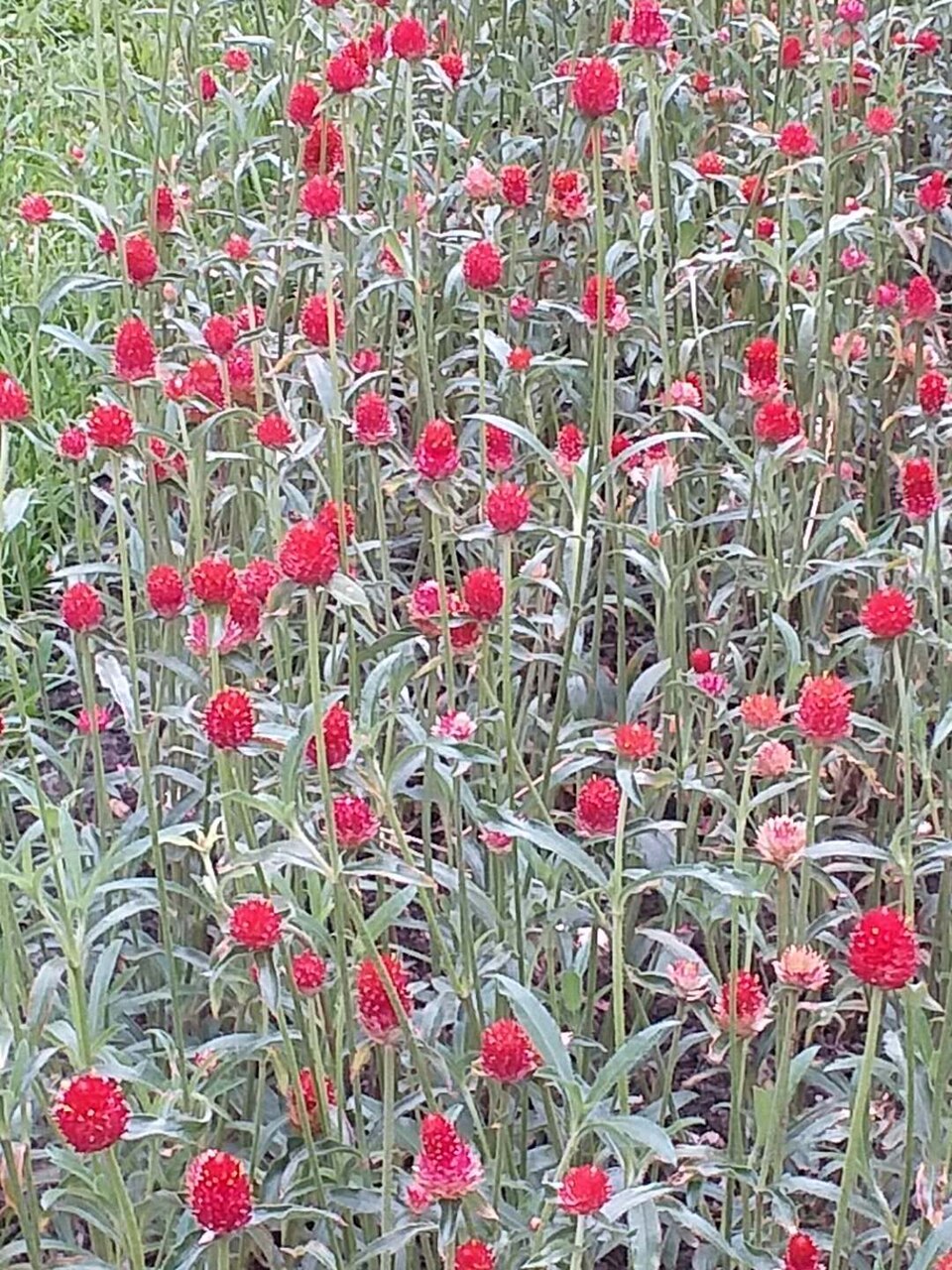
Globe amaranth laughs at high summer. While the rest of the garden wilts, gomphrena pumps out clover-like blooms in purple, pink, red, white, and orange, brighter in heat than in mild weather. The flowers dry better than almost any other, holding color and shape for years. It asks for sun, warmth, and nothing else: no fertilizer, little water once established, no deadheading beyond cutting for the house. For hot-summer gardens, it is indispensable.
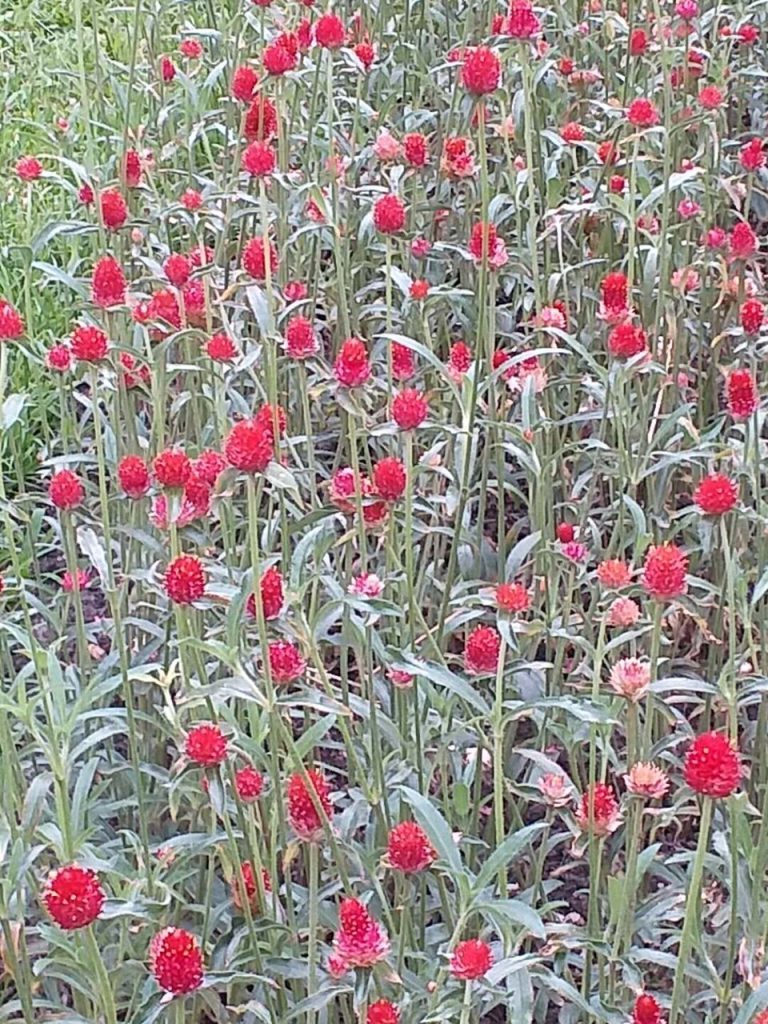
Gomphrena, or globe amaranth, blooms harder the hotter it gets. While other flowers fade in high summer, these clover-like heads in purple, pink, red, white, and orange keep coming until frost. The blooms dry beautifully, holding color and shape for years, which makes gomphrena one of the few dried flowers that looks nearly as good dry as fresh. Learning how to grow gomphrena is easy once you accept its one demand: warmth. It needs heat to germinate, heat to grow, and heat to bloom.
The plant is Gomphrena globosa, grown as an annual in zones 2 through 11. The USDA PLANTS Database documents the species. It blooms nonstop from summer until frost and asks for little beyond sun.
Getting Started
When it comes to how to grow gomphrena, getting the details right makes all the difference.

Many homeowners find that how to grow gomphrena is easier than they expected once they know the basics.
Start seeds indoors about eight weeks before your last spring frost. Warmth is critical: germination is slow below 75 degrees, so use a heat mat. Sow a quarter inch deep and keep the flat warm and moist. Be patient; gomphrena takes its time.
Transplant after all danger of frost has passed and the soil has warmed, about two weeks after the last frost date. Cold soil stunts the seedlings. Space plants 6 to 9 inches apart; they bush out to fill the gaps. You can also direct-sow two weeks after the last frost in warm soil, but indoor-started plants bloom earlier.
Do not start too early. Seedlings held too long indoors get leggy. Time the sowing so transplants go out into warm soil without waiting. The Old Farmer's Almanac seed-starting guides stress matching sowing dates to soil warmth for heat lovers.
When and How to Plant
Many homeowners find that how to grow gomphrena is easier than they expected once they know the basics.
The key to how to grow gomphrena is choosing the right approach for your space and budget.
Move transplants out when nights stay reliably warm and the soil feels warm to the touch. In most regions this is two weeks after the last frost. Rushing into cold soil sets the plants back more than waiting helps.
For a long season of cutting, make one good planting and keep cutting. Gomphrena branches in response to cutting, so the harvest itself keeps the plants productive. Check your frost dates on the Old Farmer's Almanac planting calendar or confirm your USDA zone planting dates.
Soil and Sun
The key to how to grow gomphrena is choosing the right approach for your space and budget.
With a little planning, how to grow gomphrena can fit even a busy schedule.
Full sun and well-drained average soil. Gomphrena wants the hottest, sunniest spot in the garden. It tolerates average and even poor soil; rich soil is not just unnecessary, it is counterproductive. Overfed plants grow leggy with fewer blooms.
No fertilizer needed. This is one of the great low-input flowers: plant it, water it until established, and let the heat do the work. Good drainage matters more than fertility. In heavy clay, work in compost for drainage, not for feeding. The University of Minnesota Extension annual guides list gomphrena among the toughest heat-tolerant flowers.
Plant it with other heat lovers. Celosia and zinnia share the sun and the low-fertility preference, making a summer bed that thrives on neglect.
Watering and Feeding
With a little planning, how to grow gomphrena can fit even a busy schedule.
Before you start, it helps to understand how how to grow gomphrena works in real homes.
Water regularly until established, then moderately. Mature plants are very heat and drought tolerant. Let the top inch of soil dry between waterings. Overwatering in cool weather invites disease; underwatering in heat just slows growth briefly.
Feed nothing. Seriously. Rich soil makes leggy plants with fewer flowers. If the bed had compost for drainage, that is all the nutrition gomphrena needs. The Clemson Home & Garden Information Center includes globe amaranth in its low-maintenance flower lists for exactly this reason.
Care Through the Season
Before you start, it helps to understand how how to grow gomphrena works in real homes.
A good plan for how to grow gomphrena saves time, money, and frustration.
Deadhead or cut freely for bouquets. Every stem you cut encourages two more. This is the whole maintenance program. Plants bloom nonstop until frost without any other attention.
Watch for powdery mildew in humid weather. It shows as white patches on leaves. Give plants space and morning sun for airflow, and avoid overhead watering. Remove affected leaves. Good spacing prevents most problems. Clemson Cooperative Extension describes mildew controls that rely on culture rather than chemicals.
Gomphrena rarely needs staking. The plants stay compact and upright on lean soil. If yours flop, the soil is too rich; top-dress with nothing and let them toughen.
Harvest
A good plan for how to grow gomphrena saves time, money, and frustration.
For most people, how to grow gomphrena comes down to a few smart choices.
Cut the globe heads when fully colored and firm. For drying, this is the perfect stage: hang stems upside down in a dark, airy place and they keep their shape and color for years. Strip the leaves before hanging for the tidiest dried stems.
For fresh bouquets, cut when the heads are fully colored. Fresh stems last over a week in water. Cut generously at peak color; the plants respond with more blooms. This is one of the few dried flowers that looks nearly as good dry as fresh, so cut plenty for winter arrangements.
Keep cutting through the season. A bed left uncut still blooms, but a bed cut regularly blooms far more.
Gomphrena Through the Seasons
For most people, how to grow gomphrena comes down to a few smart choices.
If you are new to how to grow gomphrena, start with the simplest option and build from there.
Spring starts indoors, about eight weeks before the last frost, with bottom heat. Germination is slow below 75 degrees, so a heat mat is nearly essential. Seedlings grow slowly, then take off. Transplant after frost danger into truly warm soil, spacing six to nine inches apart. Cold soil stunts them badly.
Summer is the glory season. The hotter it gets, the harder gomphrena blooms. Water until established, then moderately; mature plants are very drought tolerant. Cut stems freely for fresh and dried bouquets, which encourages branching. Feed nothing. Watch for powdery mildew in humid weather and space plants for air flow.
Fall keeps blooming until frost. The plants do not fade; they produce right up to the freeze. Before frost, take a final big cutting harvest for drying. The dried heads keep for years.
Winter is for enjoying the dried stock and planning. The stored blooms hold color in arrangements and crafts. Order seed early; fresh seed germinates best with bottom heat next spring.
Drying Gomphrena
If you are new to how to grow gomphrena, start with the simplest option and build from there.
When it comes to how to grow gomphrena, getting the details right makes all the difference.
Cut heads when fully colored and firm, strip the leaves, and hang upside down in a dark, airy place. They dry in a couple of weeks and keep their shape and color for years, looking nearly as good dry as fresh. Use them in wreaths, dried arrangements, and crafts. Cut generously at peak color; the plants respond with more blooms.
Troubleshooting
When it comes to how to grow gomphrena, getting the details right makes all the difference.
Slow starts in cold soil are the classic problem. Wait until the soil is truly warm before transplanting or direct sowing. Leggy seedlings mean the indoor start was too early or too dim; use strong light and transplant on time.
Few flowers on lush plants mean too much nitrogen. Stop feeding, and next year plant in leaner soil. Mildew follows humidity and crowding; space properly and water at the base.
Gomphrena grows as an annual across zones 2 through 11, but it needs real summer heat to perform. In cool-summer regions, give it the warmest microclimate and the earliest start. The Missouri Botanical Garden plant profiles confirm the heat requirement, and Gardenia.net variety guides help with color selection.
Slow, stunted transplants went out into cold soil. Wait until nights are warm and the soil feels warm to the touch. There is no fixing a cold-stunted gomphrena; replanting in warm soil outperforms nursing it.
Leggy plants with few flowers were overfed or shaded. Gomphrena wants lean soil and full sun. Stop fertilizing and give it the hottest spot you have.
Powdery mildew in humid weather shows as white patches on leaves. Space for air flow, water at the base, and remove affected leaves. Good spacing prevents most problems before they start.
For the biggest dried harvest, plant a dedicated cutting patch rather than tucking plants into the border. A four-by-eight-foot bed of gomphrena, cut regularly, produces hundreds of stems in a season. Space at six inches for maximum stem count, and keep cutting; every stem harvested is two more coming. The patch looks spectacular in full bloom, a solid block of color.
Gomphrena also thrives in containers, where the soil warms fast and drainage is assured. Use a large pot, lean mix, and full sun. Potted plants bloom slightly earlier and move wherever summer color is needed. They need steadier water than bed-grown plants, but the heat tolerance is the same.
Deadhead spent blooms you do not cut for the house; every faded head left on the plant slows new bud production. A weekly walk through the patch with scissors keeps the plants in peak bloom. The few minutes it takes pays back in armloads of flowers.
References
Clemson University Cooperative Extension. (n.d.). Home & Garden Information Center. https://hgic.clemson.edu/
Missouri Botanical Garden. (n.d.). Plant finder. https://www.missouribotanicalgarden.org/
U.S. Department of Agriculture. (n.d.). PLANTS database. https://plants.usda.gov/home
University of Minnesota Extension. (n.d.). Yard and garden. https://extension.umn.edu/
Was this guide helpful?

About My Garden US
The My Garden US editorial team writes practical, in-depth home and garden guides for American homeowners — tested advice, no fluff.
You May Also Like

Organic Herb Seeds Buying Guide USA: How to Choose the Best Packets for Your Garden
September 7, 2026 23 views
Onion Sets Planting for Florida Homes Across the USA
June 30, 2026 19 views
How to Grow Pineapple Guava: Exotic & Easy
November 10, 2026 9 views