When it comes to how to grow moringa, getting the details right makes all the difference.
Table of Contents
Table of Contents
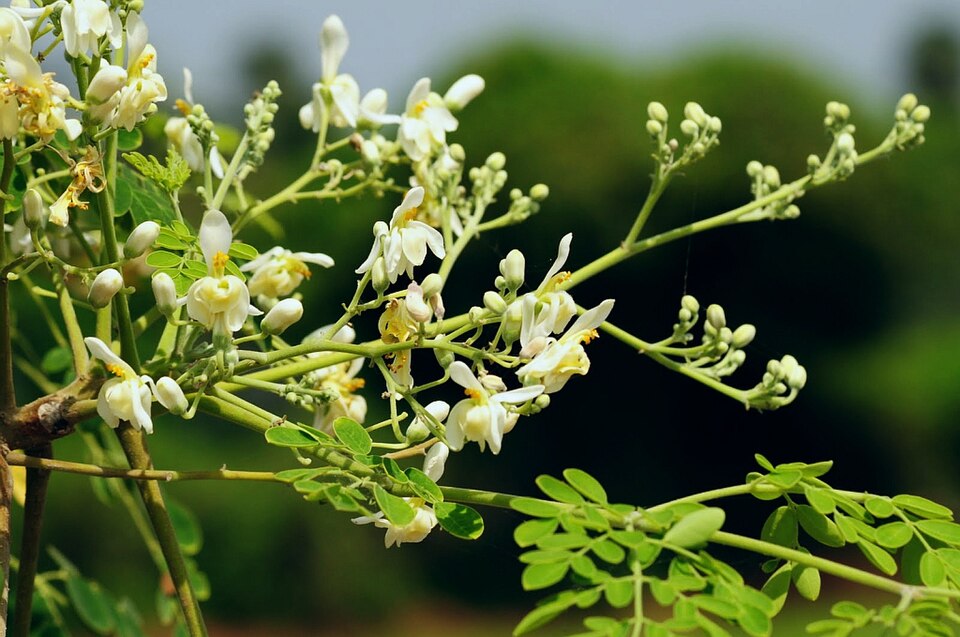
Photo: Wikimedia Commons
Moringa's reputation as the miracle tree rests on simple math: no other plant produces so much nutritious food so fast with so little input. A seed becomes a ten-foot tree in one season, and the leaves, pods, and flowers all eat well. In frost-free zones it is a permanent tree; in colder zones it grows as a spectacular annual or a cut-back perennial. Either way, one planting feeds a household.
Moringa grows with startling speed. A seed sown in spring can become a ten-foot tree by fall, and the leaves, young pods, and flowers are all edible and nutritious. In the tropics it is called the miracle tree, and the name is earned: few plants produce so much food so fast with so little care. The catch is frost. Moringa is a tropical tree, hardy outdoors only in zones 9 through 13, and a hard freeze kills it to the ground. Learning how to grow moringa means matching its tropical nature to your climate, either as a perennial tree or as a fast annual.
The species is Moringa oleifera. The USDA PLANTS Database documents it as introduced in the warmest parts of the United States. It is drought tolerant, fast growing, and remarkably unfussy about soil as long as drainage is good.
Getting Started
When it comes to how to grow moringa, getting the details right makes all the difference.
Many homeowners find that how to grow moringa is easier than they expected once they know the basics.
Sow seeds an inch deep directly in warm soil, or plant foot-long hardwood cuttings. Both root easily in warm weather. Seeds germinate in one to two weeks when soil temperatures stay above 70 degrees. Do not sow too early; cold, wet soil rots the seed.
Give it room. Space trees 8 feet apart or more. This fast-growing tree can reach ten feet in a single season, and crowding wastes its vigor. In regions with frost, grow it in a large pot or plan to cut it back and mulch heavily for winter. A potted moringa moved to shelter survives freezes that kill in-ground trees.
Choose the sunniest spot you have. Moringa wants full, blazing sun and heat. The Old Farmer's Almanac warm-season planting guides cover the soil-warming timing that tropical plants need.
When and How to Plant
Many homeowners find that how to grow moringa is easier than they expected once they know the basics.
The key to how to grow moringa is choosing the right approach for your space and budget.
Plant after all danger of frost has passed and the soil has warmed thoroughly. Moringa sulks in cool soil; waiting until nights stay warm pays off in faster growth. Sow indoors about four weeks before the last frost for a head start, or direct-sow two weeks after the last frost.
In frost-free zones, plant any time the soil is warm. In marginal zones, treat moringa as an annual: sow in spring, harvest leaves and pods all season, and let frost take it. You will still get an enormous harvest from one season's growth. Check your frost dates on the Old Farmer's Almanac planting calendar or your USDA zone planting dates.
Soil and Sun
The key to how to grow moringa is choosing the right approach for your space and budget.
With a little planning, how to grow moringa can fit even a busy schedule.
Full sun and well-drained, sandy soil. Moringa demands excellent drainage; soggy soil rots the roots, especially the thick taproot. Sandy or gravelly soil suits it perfectly. It tolerates poor, alkaline soils that defeat fussier plants.
The soil need not be rich. Moringa needs no fertilizer in decent soil. Too much nitrogen pushes weak, leggy growth. A lean, sunny, well-drained spot grows the toughest trees. The Missouri Botanical Garden plant profiles note the drainage requirement plainly.
Fellow heat lovers share the bed. Lemongrass and holy basil want the same sun and warmth, though they need more water.
Watering and Feeding
With a little planning, how to grow moringa can fit even a busy schedule.
Before you start, it helps to understand how how to grow moringa works in real homes.
Water deeply but infrequently once established. Moringa is drought tolerant and rots in soggy soil. A deep soak every week or two in dry weather is plenty. Young seedlings need steadier moisture until their taproots develop.
Feed rarely. In decent soil, moringa needs no fertilizer at all. If growth stalls in truly poor sand, a light compost top-dressing helps. Overfeeding produces soft growth that frost damages more easily. The Clemson Home & Garden Information Center advises the same restraint for drought-tolerant plants.
Care Through the Season
Before you start, it helps to understand how how to grow moringa works in real homes.
A good plan for how to grow moringa saves time, money, and frustration.
Prune hard. This is the key technique. Cut the trunk to three or four feet whenever it gets leggy, and the tree responds with masses of tender new shoots. Regular pruning keeps leaves within reach; an unpruned moringa quickly grows into a tree you cannot harvest from.
Better yet, coppice the tree yearly: cut it nearly to the ground in the dormant season. You get a compact, leafy bush far easier to harvest than a towering tree. Moringa resprouts vigorously from the stump. This annual coppicing also works in marginal zones, where the roots survive freezes that kill the top.
Watch for caterpillars and aphids on new growth. A hard spray of water or hand-picking handles both. In tropical areas, termites might attack the trunk; keep mulch away from the base and monitor. Clemson Cooperative Extension pest notes cover the common leaf feeders.
Harvest
A good plan for how to grow moringa saves time, money, and frustration.
For most people, how to grow moringa comes down to a few smart choices.
Harvest young leaves and shoot tips continuously once the tree is established. Regular picking keeps it bushy and productive; the more you harvest, the more it branches. Strip leaflets from the stems for cooking or drying.
Pick the long pods young and slender, before they turn fibrous. Slice them into curries and stews, where they cook tender. Mature pods turn woody and are only good for seed. Flowers are edible too, with a light, sweet flavor.
Dry surplus leaves for powder. Spread them in a single layer in a warm, dark, airy place until crisp, then crumble and store in jars. Dried moringa leaf keeps its nutrition well and stores for months.
Moringa Through the Seasons
For most people, how to grow moringa comes down to a few smart choices.
If you are new to how to grow moringa, start with the simplest option and build from there.
Spring planting waits for real warmth. Sow seeds an inch deep after the last frost when the soil has warmed, or set out transplants. Cold, wet soil rots seed, so patience pays. Seedlings grow slowly at first, then explode with heat. Water steadily until the taproot establishes.
Summer is the surge. The tree might grow several feet in a month in hot weather. Prune hard, cutting the trunk to three or four feet whenever it gets leggy; the tree responds with masses of tender shoots. Harvest young leaves and shoot tips continuously, which keeps the plant bushy. Watch for caterpillars on new growth.
Fall brings pods. Pick the long pods young and slender for cooking; mature pods turn fibrous. In marginal zones, take cuttings or save seed before frost. Where frost threatens, cut the tree back and mulch the stump heavily; the roots often survive to resprout.
Winter in zones 9 through 13 needs nothing. The tree might drop leaves in cool weather and leaf out again in spring. In colder zones, overwinter potted plants indoors or treat moringa as an annual and start fresh each spring.
Cooking With Moringa
If you are new to how to grow moringa, start with the simplest option and build from there.
When it comes to how to grow moringa, getting the details right makes all the difference.
Strip young leaflets from the stems and cook them like spinach: sauteed, in soups, or in curries. The flavor is mild and green. Young pods slice into stews where they cook tender. Dry surplus leaves for powder, which keeps for months and blends into smoothies and soups. Flowers are edible too, with a light sweet taste.
Troubleshooting
When it comes to how to grow moringa, getting the details right makes all the difference.
Rotting roots mean wet soil. Improve drainage, water less, or move to a raised bed. Leggy, weak growth means too little sun or too much nitrogen; give it full sun and skip the fertilizer.
Frost damage kills the top but often spares the roots in zones 9 and warmer. Cut the dead top back in spring and let it resprout. In colder zones, treat it as an annual or overwinter a potted plant indoors. Moringa is only hardy outdoors in zones 9 through 13; there is no stretching this.
Slow growth in cool weather is normal. Moringa waits for heat. If your summers are short, start seeds indoors and transplant into the warmest microclimate. The UF IFAS Gardening Solutions site covers moringa for warm-climate growers, and the USDA National Agricultural Library indexes tropical-plant research.
Rotting roots mean wet soil, the one thing moringa cannot stand. Improve drainage, water less, or move to a raised bed. The thick taproot needs air as well as moisture.
Leggy, weak growth means too little sun or too much nitrogen. Give full blazing sun and skip fertilizer. A stunted tree in cool weather is simply waiting for heat; moringa does nothing until it is warm.
Frost kills the top but often spares the roots in zone 9. Cut the dead top back in spring and let it resprout. In colder zones, this resprouting fails; grow it as an annual or keep a potted plant for winter.
In marginal zones, the annual strategy works surprisingly well. Sow in spring after the last frost, harvest leaves and pods all season from a plant that might reach ten feet, and let frost take it. You still get an enormous harvest from one season's growth, and seed saved in fall starts next year's crop. Many northern gardeners grow moringa this way with great success.
For a perennial in zone 8, plant against a warm south-facing wall, cut the tree to the ground after frost, and mulch the stump deeply with straw. The roots often survive to resprout in spring, giving you a head start over seed. This coppice system turns a tropical tree into a dieback perennial.
References
Clemson University Cooperative Extension. (n.d.). Home & Garden Information Center. https://hgic.clemson.edu/
Missouri Botanical Garden. (n.d.). Plant finder. https://www.missouribotanicalgarden.org/
U.S. Department of Agriculture. (n.d.). PLANTS database. https://plants.usda.gov/home
University of Florida IFAS Extension. (n.d.). Gardening solutions. https://gardeningsolutions.ifas.ufl.edu/
Was this guide helpful?

About My Garden US
The My Garden US editorial team writes practical, in-depth home and garden guides for American homeowners — tested advice, no fluff.