Tomatillos are the secret behind real salsa verde. Those papery-husked green fruits roast into a bright, tangy sauce that puts the jarred stuff to shame, and they are far easier to grow than most gardeners expect. If you can grow tomatoes, you can grow tomatillos; the two are cousins with nearly identical needs.
Table of Contents
Table of Contents
This guide explains how to grow tomatillos from seed to salsa. They are frost-tender annuals grown everywhere in the United States, started indoors and transplanted after warm weather arrives. Here is the one critical fact most beginners miss: you must plant at least two tomatillo plants. A single plant barely sets fruit without a pollination partner. Grow two or more, stake them early, and you will be up to your elbows in husked green fruit by late summer. tomatoes and bell peppers share the bed and the care routine.

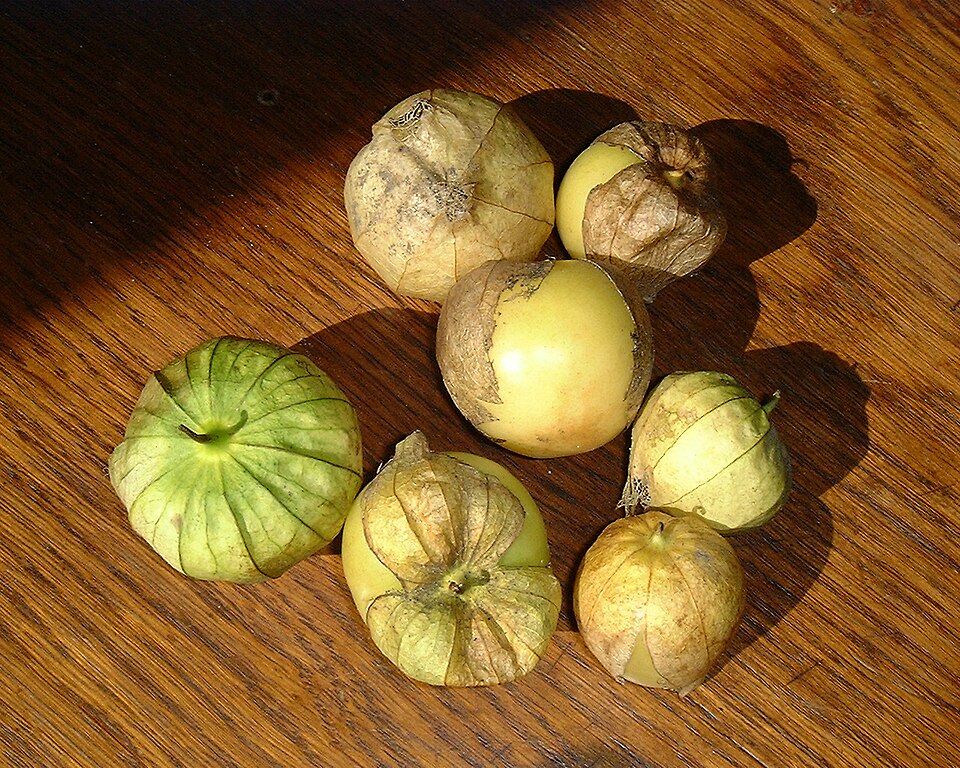
Photo: Wikimedia Commons
Choosing a Variety
When it comes to how to grow tomatillos, getting the details right makes all the difference.

Many homeowners find that how to grow tomatillos is easier than they expected once they know the basics.
Verde Puebla is the standard green variety, productive and tangy. Toma Verde is an earlier hybrid that sets fruit reliably even in short seasons. Purple tomatillo varieties like De Milpa turn violet when ripe and make a striking purple salsa; they are slightly sweeter than green types.
All tomatillos are open-pollinated or hybrid selections of Physalis philadelphica. Buy seed from a reputable supplier and start fresh each year. Because you need at least two plants for pollination, one seed packet sows enough for several gardeners; share with a neighbor. The USDA PLANTS Database lists the species with its native range.
If your season is short, Toma Verde is the safer pick; it sets fruit earlier and more reliably in cool summers than standard varieties. In long-season regions, Verde Puebla produces the heaviest crops. Match the variety to your season length first. The Clemson Cooperative Extension vegetable variety guides stress season-length matching for all warm-season crops.
When and How to Plant
Many homeowners find that how to grow tomatillos is easier than they expected once they know the basics.
The key to how to grow tomatillos is choosing the right approach for your space and budget.
Start tomatillo seeds indoors about six weeks before your last spring frost, exactly as you would tomatoes. Sow a quarter inch deep in seed-starting mix, keep them warm, and give strong light once they sprout. Transplant outdoors after nights stay reliably warm and all danger of frost has passed; tomatillos sulk in cold soil.
Space plants eighteen to twenty-four inches apart in full sun and rich soil. Remember the golden rule: plant at least two, since a lone tomatillo sets almost no fruit. Three or four plants give a generous salsa supply for a family. check your USDA zone planting dates to time your transplant week. Harden seedlings off for a week before planting out. The Old Farmer's Almanac planting calendar confirms last-frost dates for your zip code.
Do not rush transplants into cold soil. Tomatillos planted too early sit, sulk, and never fully recover, while plants set out a week later into warm soil overtake them. Soil warmth matters more than calendar dates; if the soil feels cool to your hand, wait. The USDA National Agricultural Library transplant guides emphasize soil temperature over air temperature.
Soil and Sun
The key to how to grow tomatillos is choosing the right approach for your space and budget.
With a little planning, how to grow tomatillos can fit even a busy schedule.
Tomatillos want full sun and well-drained loam with a pH between 6.5 and 7.0. They are not terribly fussy, but rich soil grows the big, sprawling plants that carry heavy crops. Work compost or rotted manure into the bed before transplanting.
Drainage matters because waterlogged roots invite disease, but the plants also hate drying out completely. A bed that holds moisture evenly is the goal. Full sun is non-negotiable; shaded tomatillos grow leggy and set little fruit. Raised beds warm faster in spring, which tomatillos appreciate. The University of Minnesota Extension gives the same soil advice for tomatoes and their relatives.
Watering and Feeding
With a little planning, how to grow tomatillos can fit even a busy schedule.
Before you start, it helps to understand how how to grow tomatillos works in real homes.
Water consistently from transplant through harvest, but avoid waterlogging. Drought-stressed tomatillos drop their blossoms, which directly cuts your salsa supply. Mulch with straw to hold moisture and keep soil off the low-hanging fruit.
Feed moderately. A compost-enriched bed plus one or two side-dressings of balanced fertilizer during the season is enough. Overfeeding pushes rank leafy growth with fewer fruits, the same trap tomato growers fall into. If plants are deep green and setting fruit steadily, feeding is on target. jalapeno peppers in the same bed wants similar treatment. The Clemson HGIC vegetable pages warn against excess nitrogen on fruiting crops.
Care Through the Season
Before you start, it helps to understand how how to grow tomatillos works in real homes.
A good plan for how to grow tomatillos saves time, money, and frustration.
Stake or cage the plants early. Tomatillos sprawl enthusiastically once loaded with fruit, and branches that flop onto the ground rot. A sturdy tomato cage per plant, installed at transplant time, is the simplest solution. Tie sprawling branches as needed through the season.
Mulch to hold moisture and suppress weeds. Watch for hornworms stripping the foliage; handpick them at dusk when they feed. Flea beetles chew seedling leaves early in the season; row cover for the first few weeks excludes them. Plants often reseed themselves, so expect volunteers next spring wherever fruits fell. The UF IFAS Gardening Solutions site has clear photos of hornworms and other nightshade pests.
As fruits begin to size, tuck straw mulch under the sprawling branches. Fruit resting on damp soil rots, while fruit resting on straw stays clean. This simple mulch layer saves a surprising amount of the crop. The Missouri Botanical Garden vegetable pages recommend straw mulch for all sprawling fruit crops.
Harvest
A good plan for how to grow tomatillos saves time, money, and frustration.
For most people, how to grow tomatillos comes down to a few smart choices.
Harvest when the papery husk splits and the green fruit fills it snugly. The fruit should feel firm and look bright green. Underripe fruits are small and loose in their husks; overripe ones turn yellow and soft. Check plants every few days at peak season, since fruits ripen steadily.
Husk the fruits and rinse off the sticky coating before cooking. Fresh tomatillos keep for weeks in the refrigerator in their husks, and they freeze beautifully for salsa verde later. Roast them with peppers and onion, blend with cilantro and lime, and you have salsa that beats anything from a jar. Let a few fallen fruits rot in place and you will get free seedlings next year. The Old Farmer's Almanac recipe pages include classic salsa verde proportions.
Troubleshooting
For most people, how to grow tomatillos comes down to a few smart choices.
If you are new to how to grow tomatillos, start with the simplest option and build from there.
Almost no fruit on healthy plants means you planted only one. Tomatillos need cross-pollination between two or more plants, and this is the most common beginner mistake. Plant at least two next season, or beg a seedling from a neighbor now.
Blossom drop usually means drought stress or cold nights. Keep water consistent and do not transplant out too early. Hornworm damage looks alarming but rarely kills the plant; pick the caterpillars off. If fruits rot on the ground, the plants need staking and mulch to keep fruit off the soil. Cracked husks after heavy rain are cosmetic; the fruit inside is fine.
Tomatillos are frost-tender annuals everywhere, so there is no overwintering them outdoors. Save seed from your best fruits if you like the variety; fermentation cleaning, like tomato seed, gives the best germination.
Salsa Verde from Your Garden
If you are new to how to grow tomatillos, start with the simplest option and build from there.
When it comes to how to grow tomatillos, getting the details right makes all the difference.
The whole point of growing tomatillos is salsa verde, and making it is simple. Husk and rinse a pound of tomatillos, then roast them with a couple of peppers and half an onion until charred in spots. Blend with fresh cilantro, lime juice, garlic, and salt. The result is bright, tangy, and nothing like the jarred kind.
Roasting deepens the flavor; raw blended salsa is sharper and fresher-tasting. Both are good. Freeze the roasted blend in jars for winter; it keeps for months and thaws beautifully. Beyond salsa, tomatillos go into green chili, enchilada sauce, and gazpacho. A planting of three or four bushes gives a family more salsa than it can eat fresh, which is why the freezer matters. The Gardenia.net recipe collections include classic salsa verde proportions to start from.
Saving Tomatillo Seed
When it comes to how to grow tomatillos, getting the details right makes all the difference.
Many homeowners find that how to grow tomatillos is easier than they expected once they know the basics.
Tomatillo seed is easy to save, and home-saved seed often outperforms store-bought because it adapts to your garden. Let a few of your best fruits ripen fully on the plant until the husks dry and the fruits turn yellowish and soft. These overripe fruits are past eating stage but perfect for seed.
Scoop the pulp into a jar, add a little water, and let it ferment for two to three days, stirring daily. Fermentation dissolves the gel around the seeds and kills some seed-borne diseases, the same process used for tomato seed. Rinse the seeds clean in a strainer, spread them on a paper plate to dry thoroughly, and store in a labeled envelope in a cool, dry place.
One caution: tomatillos cross-pollinate readily, so if you grow two varieties close together, the saved seed may produce mixed offspring. For most gardeners this hardly matters, since all tomatillos make good salsa. But if you want to keep a variety pure, grow only one variety or separate them well. Saved seed stays viable for several years, so one good harvest sets you up for many seasons of salsa verde.
Tomatillos are one of the highest-payoff crops for salsa lovers. Start seeds indoors, plant two or more after warm weather arrives, cage them early, and water steadily. By late summer you will be harvesting papery-husked fruits by the bucket and roasting salsa verde that ruins the store-bought kind forever. Just remember the rule: never plant only one.
References
Many homeowners find that how to grow tomatillos is easier than they expected once they know the basics.
University of Minnesota Extension. (n.d.). Growing tomatillos in home gardens. https://extension.umn.edu/
Clemson Cooperative Extension. (n.d.). HGIC: Tomatoes and relatives. https://hgic.clemson.edu/
Old Farmer's Almanac. (n.d.). Growing tomatillos: planting guide. https://www.almanac.com/
UF IFAS Gardening Solutions. (n.d.). Vegetable gardening. https://gardeningsolutions.ifas.ufl.edu/
Was this guide helpful?

About My Garden US
The My Garden US editorial team writes practical, in-depth home and garden guides for American homeowners — tested advice, no fluff.
You May Also Like
How to Grow Okinawa Spinach: Purple Leaf Guide
November 13, 2026 2 views
How to Grow Love-in-a-Mist from Seed
November 6, 2026 11 views
Garlic Bulbs Planting Buying Guide USA: How to Choose and Grow Seed Garlic
February 11, 2026 26 views