Winter savory is summer savory's tough older sibling - a woody evergreen subshrub with a stronger, more peppery flavor that you can harvest year-round in mild climates. While summer savory lives fast and dies with frost, winter savory settles in for years, shrugging off drought and cold. If you want to learn how to grow winter savory, the keys are sharp drainage, full sun, and a light shearing after it flowers to keep it compact.
Table of Contents
Table of Contents
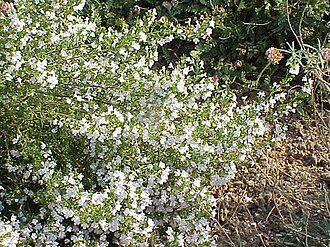
Winter savory (Satureja montana) is hardy in zones 5 through 10, maturing to harvestable size in its first season though it truly hits stride in year two. It dislikes wet winter soil more than cold itself - drainage is everything. In zones colder than 5, winter cold kills the woody stems, so grow it as an annual or in a pot you can shelter.

Photo: Wikimedia Commons
Getting Started
When it comes to how to grow winter savory, getting the details right makes all the difference.

Many homeowners find that how to grow winter savory is easier than they expected once they know the basics.
Buy a nursery plant, or start from seed or cuttings. Seed is sown a quarter inch deep - start indoors about six weeks before your last spring frost, or direct sow after frost danger passes. Germination is slower and spottier than summer savory, so sow thickly. Stem cuttings root readily in summer: snip non-flowering shoots, strip the lower leaves, and stick them in moist potting mix.
Site it thoughtfully, because this plant stays put for years. Winter savory grows 12 to 18 inches tall and wide, forming a neat woody mound. It suits the front of the herb bed, a rock garden, or a sunny container. The small white-to-lilac flowers attract bees in late summer, and the evergreen foliage gives the winter herb garden structure when everything else has died back. The Missouri Botanical Garden plant finder describes its habit, and Gardenia.net has practical notes.
Consider planting it where you will brush against it - along a path edge or by the kitchen door. The foliage releases its peppery scent when touched, which is half the pleasure of growing it. In a formal herb knot or edging, winter savory shears into a tidy low hedge that stays green all year in mild climates.
One plant is plenty for most kitchens - the flavor is strong, so a little goes a long way. Two plants give you a backup and enough to share.
When and How to Plant
Many homeowners find that how to grow winter savory is easier than they expected once they know the basics.
The key to how to grow winter savory is choosing the right approach for your space and budget.
Transplant seedlings or nursery plants in spring, about a week after your last spring frost. Check your zone's frost date on our planting calendar to time it. Spring planting gives the woody stems a full season to harden before their first winter.
Space plants 12 inches apart. Dig a hole as deep as the pot and twice as wide, set the plant at the same level it grew in the container, and backfill with soil mixed with a little compost - but go easy on the compost. Winter savory prefers lean soil, and rich ground makes soft growth that winters poorly. Water in well and mulch lightly with gravel or coarse sand rather than moisture-holding bark; the crown must stay dry.
In heavy clay, plant on a mound or in a raised bed. Wet winter soil kills more winter savory than any amount of cold. If your winters are wet, this one cultural point matters more than all the others combined.
Soil and Sun
The key to how to grow winter savory is choosing the right approach for your space and budget.
With a little planning, how to grow winter savory can fit even a busy schedule.
Full sun - six or more hours - for the strongest flavor and the most compact growth. Winter savory tolerates poor, rocky, even gravelly soil as long as it drains sharply. This is a Mediterranean plant; it evolved for thin limestone soils and hot sun, not rich garden loam.
Do not fertilize at planting beyond a sprinkle of compost. Lean soil grows the tough, aromatic, winter-hardy plant you want. A near-neutral to slightly alkaline pH suits it; it tolerates lime well. In containers, use a gritty mix with extra perlite or coarse sand - standard moisture-retentive potting soil stays too wet in winter. The Clemson HGIC herb pages and University of Minnesota Extension cover lean-soil perennial herbs.
Watering and Feeding
With a little planning, how to grow winter savory can fit even a busy schedule.
Before you start, it helps to understand how how to grow winter savory works in real homes.
Water sparingly once established. This is a true drought-tolerant herb - established plants thrive on rainfall alone in most climates. Water new transplants for the first few weeks, then back off. Overwatering, especially in winter, rots the woody crown.
Feed little or never. In average soil, winter savory needs no fertilizer at all. If a plant looks truly starved after several years, a light spring top-dressing of compost is the maximum intervention. Rich feeding produces soft growth with diluted flavor that is more vulnerable to winter damage. The Old Farmer's Almanac herb guides keep feeding advice minimal for Mediterranean perennials.
Shearing and Long-Term Care
Before you start, it helps to understand how how to grow winter savory works in real homes.
A good plan for how to grow winter savory saves time, money, and frustration.
Shear plants back by about a third after flowering finishes. This keeps the mound compact, prevents the center from going woody and bare, and encourages a flush of fresh growth. Without shearing, winter savory gets leggy and open within a couple of years. Use hedge shears or sharp pruners, cutting just above healthy leaves - never cut into bare old wood with no leaves, since it resprouts poorly.
It has almost no pest problems. Good drainage and airflow prevent nearly everything. In humid climates, thin the center lightly to keep air moving. Replace plants every four to five years - old winter savory gets woody, the flavor fades, and a fresh plant outperforms a tired one.
Plan the replacement before the old plant gives up. In the plant's third or fourth year, take several cuttings in summer and root them in pots. By the time the mother plant is ready to retire, you have vigorous young replacements of the exact same flavor - better than seed, which varies. This rolling renewal means you never buy winter savory twice. Keep one potted backup through winter in cold regions as insurance; if the in-ground plant winter-kills, the pot saves the patch. Take cuttings from your best plant before replacing it, and you will never need to buy one again.
Winter savory fits the Mediterranean herb bed alongside thyme, oregano, and rosemary - all sun-loving, sharp-drainage plants with the same hands-off care.
Harvest and Use
A good plan for how to grow winter savory saves time, money, and frustration.
For most people, how to grow winter savory comes down to a few smart choices.
Harvest sprigs year-round as needed - the evergreen leaves persist through winter in mild climates, which is the whole point of the plant. Strip the small leaves from the woody stems before cooking; the stems themselves are too tough to eat. The flavor is stronger and more peppery than summer savory, so use a lighter hand until you know it.
It shines in bean dishes, lentil soups, hearty stews, and with roasted meats - anywhere you want a bold, peppery herbal backbone. Add it early in cooking so the tough little leaves have time to soften and release flavor.
Because the flavor is strong, winter savory is best in long-cooked dishes rather than fresh salads. A classic use is in bean pots, where it seasons the beans and - according to old herb lore - makes them more digestible. It also flavors vinegars and herb butters beautifully; strip a handful of leaves into softened butter with a little garlic for a compound butter that elevates roast vegetables. Dried, it holds its own in herb blends for winter cooking when the fresh summer herbs are gone. For preserving, dry sprigs quickly in small bundles; dried winter savory keeps its punch well. It also freezes fine.
Taste before you cook with a new plant. Flavor varies between seedlings - if you grow from seed, mark the most flavorful plant and propagate it by cuttings so your whole patch tastes its best.
In containers, winter savory makes an excellent permanent patio plant - a 14-inch terracotta pot gives the sharp drainage it loves, and you can move it under the eaves in winter where rain is heaviest. Container plants need replacing sooner, usually every three years, as the roots fill the pot.
Troubleshooting
For most people, how to grow winter savory comes down to a few smart choices.
If you are new to how to grow winter savory, start with the simplest option and build from there.
Rotting crown in winter: Wet soil. Improve drainage, plant on mounds, mulch with gravel instead of bark.
Leggy, open center: Skipped the post-flowering shear. Cut back by a third after bloom every year.
Woody and flavorless with age: Normal after four to five years. Replace with a fresh plant or rooted cutting.
Winter kill in cold zones: Below zone 5, stems die. Grow in a pot and shelter it, or treat as an annual.
Pale, weak growth: Too much shade or water. Move to full sun and let the soil dry between waterings. The USDA PLANTS Database lists the species background, and the USDA National Agricultural Library indexes herb references. Clemson Cooperative Extension covers perennial herbs for the Southeast.
No flowers: Usually too young, too shaded, or sheared at the wrong time. Mature plants in full sun bloom reliably in late summer; shearing right before bloom removes the flower buds, so finish shearing by midsummer if you want the bee-friendly flowers.
References
If you are new to how to grow winter savory, start with the simplest option and build from there.
When it comes to how to grow winter savory, getting the details right makes all the difference.
Missouri Botanical Garden. (n.d.). Satureja montana. https://www.missouribotanicalgarden.org/
Clemson University Cooperative Extension Service. (n.d.). Perennial herbs for the home garden. https://hgic.clemson.edu/
Old Farmer's Almanac. (n.d.). Growing winter savory. https://www.almanac.com/
Many homeowners find that how to grow winter savory is easier than they expected once they know the basics.
When it comes to how to grow winter savory, getting the details right makes all the difference.
Was this guide helpful?

About My Garden US
The My Garden US editorial team writes practical, in-depth home and garden guides for American homeowners — tested advice, no fluff.
You May Also Like
How to Grow Arrowhead: Native Pond Tuber Guide
November 20, 2026 4 views
Wildflower Seed Mixes Reviews Buying Guide USA
January 2, 2026 21 views
How to Grow Longevity Spinach: USA Care Guide
October 17, 2026 21 views