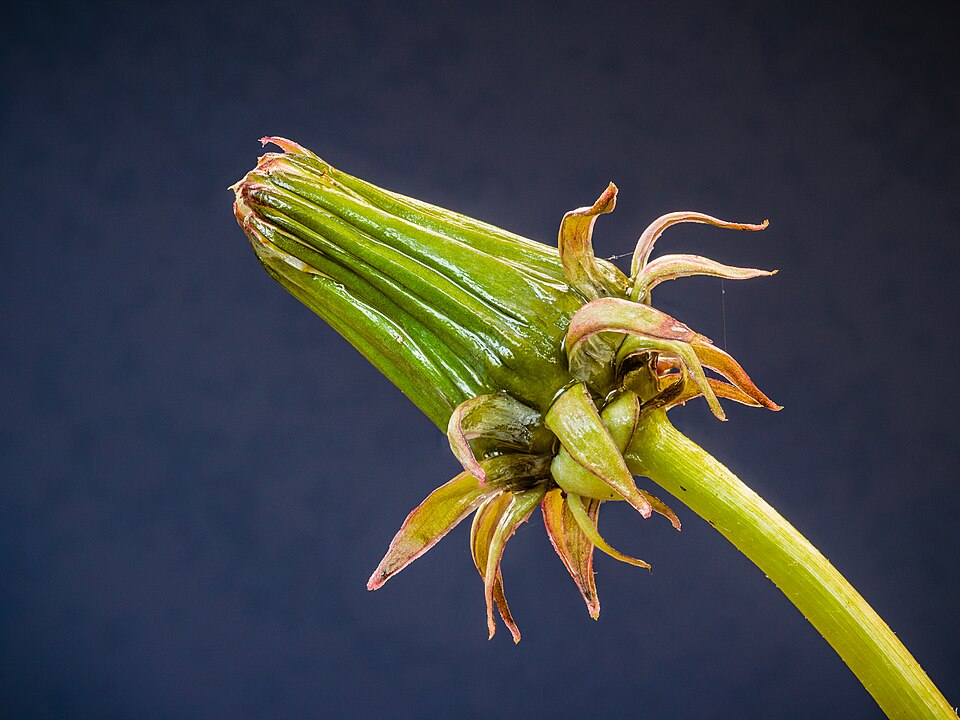


Photo: Wikimedia Commons
The weed you have been fighting is a vegetable — cultivated dandelion greens are far more tender than lawn weeds, with a pleasant bitter bite prized in salads and sautés across Europe. The roots roast into a coffee substitute, the flowers make wine, and the leaves are packed with vitamins. Growing dandelions on purpose feels subversive, but a small bed of the cultivated types gives greens earlier than almost anything else in spring. Learning how to grow dandelions is easy — the trick is growing them well: rich soil, steady water, and picking young. The USDA PLANTS entry for Taraxacum officinale confirms its hardy perennial nature. This guide covers sowing, blanching for mildness, harvesting leaves and roots, and — importantly — keeping it out of the lawn. For a quick botanical overview, see the USDA PLANTS entry for Taraxacum officinale.
Choosing a Variety
Cultivated varieties like Amélioré (French dandelion) have larger, more tender, less bitter leaves than wild types — worth seeking out from seed houses. The Old Farmer’s Almanac guide to dandelions notes the improved greens are a different eating experience from lawn weeds. Sow seeds a quarter inch deep in rows, thinning seedlings to six inches apart. Never transplant dandelions from the lawn; the taproot resents moving and wild plants are bitter. One short row is plenty for most families — a little dandelion goes a long way on the plate.
When and How to Plant
Timing your sowing
Direct-sow dandelions right around your last spring frost. Sow as soon as the soil can be worked — dandelions germinate in cool ground; seeds put into cold, wet ground are likely to rot. Sow about 0.25 inch deep, then thin or space seedlings to about 8 inches apart. Crowded plants stay small and invite disease, so give them the room the packet calls for.
Spacing, depth, and days to harvest
From sowing to harvest takes roughly 60 to 80 days, so you can count forward from your planting date and know about when to start watching.
Watch the soil, not the calendar. A thermometer reading beats any date, and sowing into ground that is ready matters more than sowing on a particular day. Mark new rows clearly; every garden grows a mystery row by midsummer.
Frost-date charts from a ZIP-code planting calendar help if you are new to reading your zone.
Soil and Sun
Light needs
Give it full sun where you can, though it tolerates a half day of shade without complaint.
Building good soil
Plant in any soil. If your ground is heavy clay, plant a little high and mulch well; if it is sand, compost is your best friend.
It is rated for zones 3 to 10. Outside that range, treat it as an annual or grow it in containers you can move with the seasons.
Top the bed with compost and mulch at planting time. As the mulch decays it feeds the soil life that feeds your plants — the cheapest fertilizer program there is.
Soil testing labs listed through the University of Minnesota Extension can confirm your pH before you plant.
Watering and Feeding
Watering routine
Aim for steady moisture: water when the top inch of soil dries out, and mulch to keep it from swinging between soaked and parched.
Feeding
Compost at sowing is plenty; dandelions are not fussy feeders. Go light on fertilizer. Compost worked in at planting plus a mid-season mulch feeding will carry it; overfeeding causes more problems than it solves.
Water in the morning so foliage dries by evening — wet leaves overnight invite disease. A rain gauge, or even a tuna can set out in the rain, tells you how much fell; adjust the hose accordingly.
Irrigation basics from Clemson’s Home & Garden Information Center apply to all of these schedules.
Care Through the Season
Through the season, water regularly to keep leaves succulent — drought turns them tough and intensely bitter. Grow in rich, moist soil, and for the mildest leaves, give partial shade or blanch the crowns with an upturned pot for a week before harvest; blanched leaves are pale, tender, and far less bitter. Weed well, since young dandelions start slowly. They have almost no serious pests. Remove flower heads promptly unless you want seed everywhere — one puffball can colonize the whole garden, and the USDA National Agricultural Library‘s resources document its legendary seed dispersal. Deadhead religiously if the bed sits near the lawn. Regional growing notes from Clemson Cooperative Extension are worth a look.
Companions and Placement
The classic herb-garden neighbors — Arugula, Lettuce, and Spinach — grow well alongside dandelions, sharing sun and soil preferences. Plant tall herbs to the north so they never shade low ones, and group the thirsty ones together so watering is simple. Let a few plants flower for the bees; herb blossoms are among the best pollinator plants there is. Harvest often and boldly — herbs respond to cutting with bushier growth. Replace tired plants without sentiment; the garden is a kitchen, not a museum.
Harvest
Pick young outer leaves as needed, taking only a few per plant so the crown keeps producing — harvest in the morning when leaves are crisp, and use them the same day since they wilt quickly. For roots, dig in fall of the first year; scrub, chop, roast until dark, and grind for the traditional coffee substitute. Flowers picked fully open make dandelion wine and fritters. The Missouri Botanical Garden plant finder notes all parts are edible. Blanching under a pot for a few days before picking gives the mildest greens — the French technique that makes dandelion a proper vegetable.
Troubleshooting
Bitter, tough leaves mean drought, heat, or over-mature plants — water well, shade the bed, and pick younger. If plants bolt to flower immediately, they are stressed; keep them cool and moist. Seedlings appearing across the lawn trace to missed deadheading; mow before puffballs form. The USDA National Agricultural Library carries weed-science data on just how far the seed flies — respect it. In zones 11 and warmer, grow dandelions as a cool-season annual; summer heat ruins leaf quality. Yellowing in waterlogged soil is rare but real; dandelions like moisture, not swamps.
Through the Seasons
Spring
In spring, clean up winter damage, divide overgrown clumps, and refresh the mulch. New herb plants go in after frost danger passes. Take stock of what survived winter and replace losses early, while nurseries are fully stocked. A spring shearing of evergreen herbs encourages bushy new growth.
Summer
Through summer, harvest boldly and water as needed. Dandelion is at its most potent now; cut in the morning after dew dries for the strongest oils. Keep aggressive spreaders in bounds with the shears, and deadhead before seed sets unless you want volunteers everywhere. A mid-summer cutback rejuvenates tired plants.
Fall and Winter
As cold approaches, harvest what you need, mulch the crowns of tender herbs, and move pots to shelter. Winter is for planning: sketch next year’s herb bed and order seed while selection is best. Stored dry and dark, this season’s harvest flavors the kitchen until spring.
Quick Answers
How long does dandelions take to grow?
About 60 to 80 days from sowing to harvest under good conditions — count forward from your planting date to know when to start watching.
What zones can I grow dandelions in?
Zones 3 through 10. Inside that range it is hardy and reliable; outside it, grow as an annual or in containers.
How much sun does dandelions need?
Full sun to part shade. A little afternoon shade is welcome where summers run hot.
How far apart should I plant dandelions?
About 8 inches apart. Crowding stunts plants and invites disease, so give each one its room — the harvest is bigger, not smaller, for the space.
Using the Harvest
Young dandelion leaves go into salads for a pleasant bitter bite, or get wilted with garlic like any cooking green — blanched leaves are mild enough for the skeptical. The classic French salad pairs them with bacon and a poached egg. Dig fall roots, roast dark, and grind for the traditional coffee substitute, or pickle the roots. Unopened flower buds fry into fritters, and open flowers make wine. Use leaves the day you pick them; they wilt fast. A small bed gives spring greens weeks before anything else is ready. Browse more plant profiles at Gardenia.net’s plant profiles for ideas.
Keep Growing
How to grow dandelions worth eating: cultivated seed, rich moist soil, pick young, blanch for mildness, deadhead without mercy. The lawn weed becomes a spring delicacy. For sowing dates, check your USDA zone planting dates and grow them with other easy greens — our guides to how to grow arugula, how to grow lettuce, and how to grow spinach share the cool-season salad bed.
References
- Old Farmer’s Almanac. (n.d.). Growing dandelions in home gardens. https://www.almanac.com/
- U.S. Department of Agriculture. (n.d.). Dandelion (Taraxacum officinale) plant profile. https://plants.usda.gov/home
- Clemson University Cooperative Extension. (n.d.). Home & Garden Information Center. https://hgic.clemson.edu/
- Gardenia.net. (n.d.). Dandelion plant profile. https://www.gardenia.net/
Was this guide helpful?

About My Garden US
The My Garden US editorial team writes practical, in-depth home and garden guides for American homeowners — tested advice, no fluff.
You May Also Like
How to Grow Zucchini: Big Harvests, Small Space
October 7, 2026 3 views
Where to Find Daffodil Bulb Packs Deals Near Me
July 26, 2026 0 views
Wildflower Seed Mixes Deals Near Me: A Practical Buyer’s Guide
January 5, 2026 0 views