Table of Contents
Table of Contents
- Choosing a Variety
- When and How to Plant
- Timing your sowing
- Spacing, depth, and days to harvest
- Soil and Sun
- Light needs
- Building good soil
- Watering and Feeding
- Watering routine
- Feeding
- Care Through the Season
- Companions and Placement
- Harvest
- Troubleshooting
- Through the Seasons
- Spring
- Summer
- Fall and Winter
- Quick Answers
- Using the Harvest
- Keep Growing
- References
Photo: Wikimedia Commons
Lemon balm smells like lemon drops and grows like a weed - crush a leaf and the citrus scent is instant and unmistakable. It makes a lovely tea, brightens salads and fish dishes, and bees adore its tiny white flowers. The challenge is never getting it to grow; it is stopping it from seeding itself across the entire garden. Learning how to grow lemon balm is really learning to contain a vigorous mint relative: give it a pot or its own corner, shear it hard, and harvest often. The USDA PLANTS entry for Melissa officinalis confirms its hardy perennial habit.
This guide covers planting, the containment strategy, cutting back, harvesting for tea, and keeping the flavor bright. For a quick botanical overview, see the USDA PLANTS entry for Melissa officinalis.
Choosing a Variety
When it comes to how to grow lemon balm, getting the details right makes all the difference.

Many homeowners find that how to grow lemon balm is easier than they expected once they know the basics.
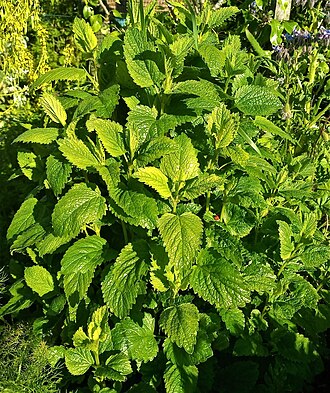
Common lemon balm is the standard, with the strongest lemon scent; variegated forms with gold-splashed leaves are prettier but milder in flavor. Seed is cheap and germinates readily, unlike some fussy herbs - the Old Farmer's Almanac guide to lemon balm notes its easy germination. One plant is genuinely enough for most households; it grows fast and cuts-and-comes-again all season. If you want lots of plants, divide an established clump in spring rather than buying more. Avoid planting it in the middle of a mixed herb bed unless you enjoy weeding out hundreds of seedlings; a large pot or a bed edged with buried barrier is the experienced grower's choice.
When and How to Plant
Many homeowners find that how to grow lemon balm is easier than they expected once they know the basics.
The key to how to grow lemon balm is choosing the right approach for your space and budget.
Timing your sowing
Start lemon balm indoors about 6 weeks before your last spring frost. Use small pots or cell packs and keep them warm and bright; lemon balm resent having their roots disturbed, so pot up promptly if seedlings outgrow their cells. Move them into the garden about a week after your last spring frost, when nights have steadied. Seeds are tiny, so cover them only about 0.125 inch deep and keep the mix evenly moist until they sprout.
Spacing, depth, and days to harvest
From sowing to harvest takes roughly 70 to 90 days, so you can count forward from your planting date and know about when to start watching.
Harden off indoor-started seedlings over seven to ten days, lengthening their outdoor time gradually. Plants moved straight from windowsill to garden stall out, while hardened ones take off running.
Frost-date charts from a ZIP-code planting calendar help if you are new to reading your zone.
Soil and Sun
The key to how to grow lemon balm is choosing the right approach for your space and budget.
With a little planning, how to grow lemon balm can fit even a busy schedule.
Light needs
Full sun is ideal, but light afternoon shade is fine and even welcome in hot regions.
Building good soil
Plant in rich, moist, well-drained soil. If your ground is heavy clay, plant a little high and mulch well; if it is sand, compost is your best friend.
It is rated for zones 4 to 10. Outside that range, treat it as an annual or grow it in containers you can move with the seasons.
Top the bed with compost and mulch at planting time. As the mulch decays it feeds the soil life that feeds your plants - the cheapest fertilizer program there is.
Soil testing labs listed through the University of Minnesota Extension can confirm your pH before you plant.
Watering and Feeding
With a little planning, how to grow lemon balm can fit even a busy schedule.
Before you start, it helps to understand how how to grow lemon balm works in real homes.
Watering routine
Keep the soil evenly moist but not soggy. An inch of water a week, from rain or the hose, is the usual target.
Feeding
A spring compost mulch suffices; heavy feeding dilutes the lemon scent. It is not a heavy feeder. Rich soil plus compost is enough - save the strong fertilizer for the hungriest vegetables.
Let the plants tell you when they are thirsty: dull, grayish leaves and soil dry an inch down mean water now. A deep weekly soaking grows deeper roots than daily sprinkles ever will.
Irrigation basics from Clemson's Home & Garden Information Center apply to all of these schedules.
Care Through the Season
Before you start, it helps to understand how how to grow lemon balm works in real homes.
A good plan for how to grow lemon balm saves time, money, and frustration.
Through the season, water regularly to keep the lemon scent strong - drought stress dulls the oils and turns leaves harsh. It appreciates afternoon shade in hot climates, where full blazing sun scorches the leaves. The big job is shearing: cut plants back hard after flowering to prevent thousands of seedlings and to force a fresh flush of tender, flavorful growth. You can cut it to a few inches and it rebounds in weeks. Divide crowded clumps every few years to keep growth fresh. It has few pest problems; occasionally aphids cluster on new growth and rinse off easily. Clemson's Home & Garden Information Center covers mint-family herbs with the same containment advice.
Companions and Placement
A good plan for how to grow lemon balm saves time, money, and frustration.
For most people, how to grow lemon balm comes down to a few smart choices.
Grow lemon balm with Mint, Lemon Verbena, and Chamomile in a sunny bed close to the kitchen, where snipping is convenient. Most herbs want the same thing: sun, drainage, and regular cutting, which doubles as harvest and keeps growth tender. Flowers left standing feed pollinators - a few blooming herbs among the vegetables improve the whole garden. Keep invasive spreaders contained in pots or edged beds, and renew woody perennials every few years before they go leggy. A small, well-kept herb bed out-produces a large neglected one.
Harvest
For most people, how to grow lemon balm comes down to a few smart choices.
If you are new to how to grow lemon balm, start with the simplest option and build from there.
Harvest sprigs as needed, cutting stems just above a leaf pair so they branch and regrow - the Missouri Botanical Garden plant finder describes the same cut-and-come-again habit. For the brightest lemon flavor, harvest before the plant flowers; blooming leaves turn dull and slightly bitter. Morning picking, after dew dries, gives the strongest scent. Use fresh leaves in tea, salads, and drinks, or dry them quickly in a dark, airy spot for winter tea - dried lemon balm loses some punch, so dry fast and store airtight. Freeze chopped leaves in ice cubes for cooking; the flavor holds better frozen than dried.
Troubleshooting
If you are new to how to grow lemon balm, start with the simplest option and build from there.
When it comes to how to grow lemon balm, getting the details right makes all the difference.
Seedlings popping up everywhere mean you let it flower and seed - deadhead ruthlessly or shear before bloom from now on. The USDA National Agricultural Library's resources document its enthusiastic self-sowing across the country. Brown, crispy leaf edges usually mean drought or too much hot sun; increase water and give afternoon shade. If plants die out in extreme southern heat, treat lemon balm as a cool-season annual there. Powdery mildew occasionally dusts crowded plants; thin for air flow and cut back hard. A plant that tastes weak was likely harvested after flowering or grown too dry - cut it to the ground, water well, and harvest the regrowth.
Through the Seasons
When it comes to how to grow lemon balm, getting the details right makes all the difference.
Spring
In spring, clean up winter damage, divide overgrown clumps, and refresh the mulch. New herb plants go in after frost danger passes. Take stock of what survived winter and replace losses early, while nurseries are fully stocked. A spring shearing of evergreen herbs encourages bushy new growth.
Summer
Through summer, harvest boldly and water as needed. Lemon Balm is at its most potent now; cut in the morning after dew dries for the strongest oils. Keep aggressive spreaders in bounds with the shears, and deadhead before seed sets unless you want volunteers everywhere. A mid-summer cutback rejuvenates tired plants.
Fall and Winter
As cold approaches, harvest what you need, mulch the crowns of tender herbs, and move pots to shelter. Winter is for planning: sketch next year's herb bed and order seed while selection is best. Stored dry and dark, this season's harvest flavors the kitchen until spring.
Quick Answers
Many homeowners find that how to grow lemon balm is easier than they expected once they know the basics.
How long does lemon balm take to grow?
About 70 to 90 days from sowing to harvest under good conditions - count forward from your planting date to know when to start watching.
What zones can I grow lemon balm in?
Zones 4 through 10. Inside that range it is hardy and reliable; outside it, grow as an annual or in containers.
How much sun does lemon balm need?
Full sun to part shade. A little afternoon shade is welcome where summers run hot.
How far apart should I plant lemon balm?
About 18 inches apart. Crowding stunts plants and invites disease, so give each one its room - the harvest is bigger, not smaller, for the space.
Using the Harvest
Lemon balm tea - fresh leaves steeped in hot water - is the headline use: bright, citrusy, and calming, hot or iced. Chop fresh leaves into fruit salads, green salads, and fish dishes, or muddle them into lemonade and cocktails. It makes a lovely pesto with milder herbs when basil runs short. Dry leaves quickly in the dark for winter tea, though dried never quite matches fresh; freezing chopped leaves in oil or water preserves more flavor. Add sprigs to pitchers of water for a subtle lift, and candy the leaves for cake decorations. Browse more plant profiles at Gardenia.net's plant profiles for ideas.
Keep Growing
How to grow lemon balm without regret: contain it, water it, shear it hard after bloom, harvest before flowers. Follow that and you get endless lemon-scented tea instead of a garden takeover. For planting dates, check your USDA zone planting dates and plant it with its minty relatives - our guides to how to grow mint, how to grow lemon verbena, and how to grow chamomile make a fine tea-garden corner.
References
- Old Farmer's Almanac. (n.d.). Growing lemon balm in home gardens. https://www.almanac.com/
- U.S. Department of Agriculture. (n.d.). Lemon Balm (Melissa officinalis) plant profile. https://plants.usda.gov/home
- Clemson University Cooperative Extension. (n.d.). Home & Garden Information Center. https://hgic.clemson.edu/
- Gardenia.net. (n.d.). Lemon Balm plant profile. https://www.gardenia.net/
Was this guide helpful?

About My Garden US
The My Garden US editorial team writes practical, in-depth home and garden guides for American homeowners — tested advice, no fluff.