Nothing says summer like a watermelon you grew yourself - ice-cold, drippingly sweet, and about three times the flavor of the shipped-in kind. Watermelons demand heat, space, and patience, but the payoff is enormous: each vine produces several huge fruits from a handful of seed. Learning how to grow watermelon means giving it warmth and room, then learning the ripeness signs that separate a perfect melon from a disappointing one.
Table of Contents
Table of Contents

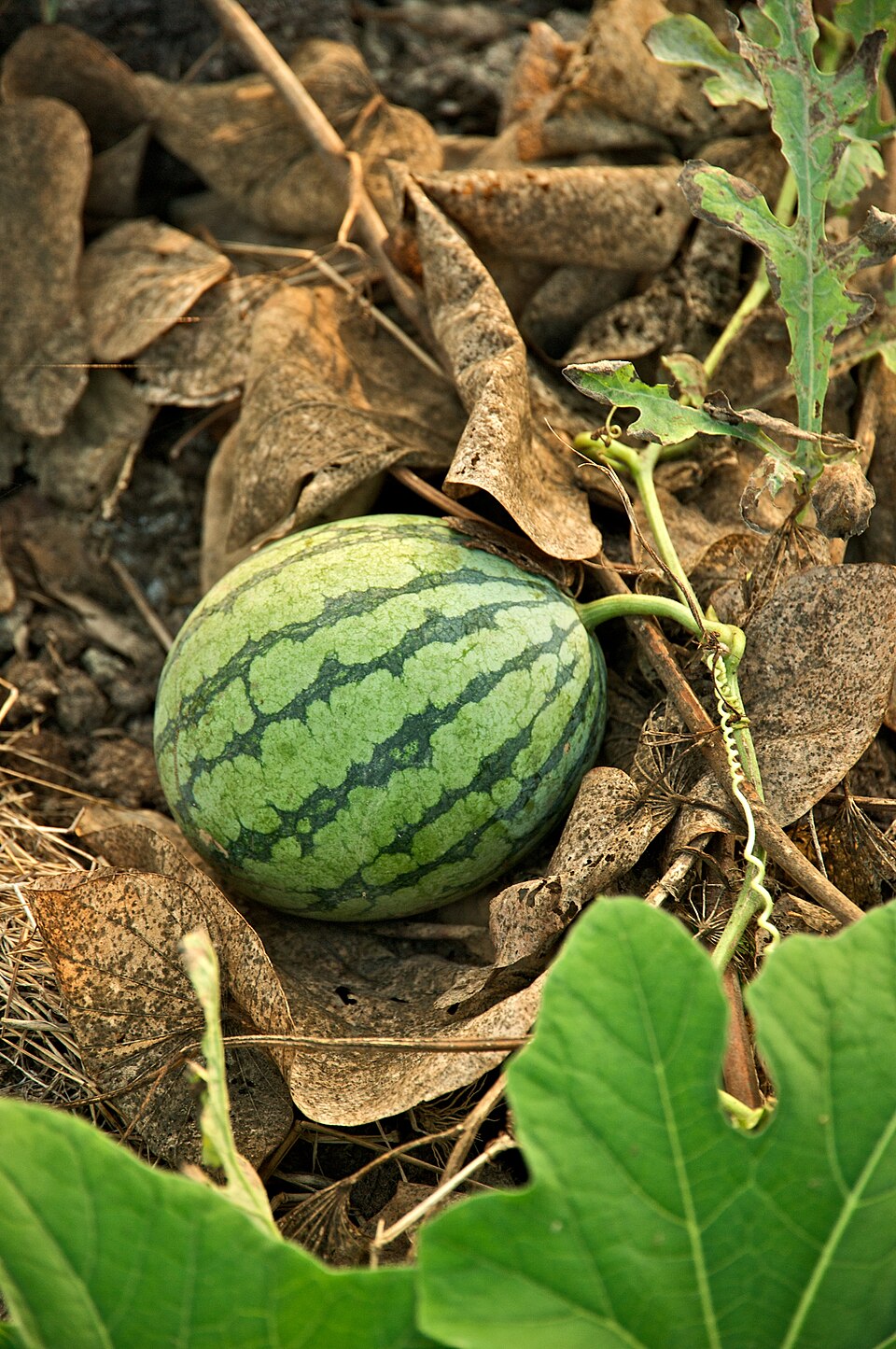
Photo: Wikimedia Commons
Watermelon (Citrullus lanatus) suits zones 4 through 11 and needs full sun, warm sandy soil, and 75 to 95 days from transplant to harvest. It needs sustained heat and fails to sweeten in short, cool seasons - this is a crop for gardeners with real summers. Check the USDA zone planting dates on our planting calendar to time sowing after the soil is thoroughly warm.
Choosing Varieties
When it comes to how to grow watermelon, getting the details right makes all the difference.

Many homeowners find that how to grow watermelon is easier than they expected once they know the basics.
Sugar Baby is the classic small melon - compact vines, sweet red flesh, perfect for small gardens and short seasons. Gardenia.net compares watermelon varieties by size and season. Crimson Sweet offers the classic striped look with excellent flavor on vigorous vines. Charleston Gray produces huge, oblong melons with sweet flesh, a Southern favorite. Moon and Stars is the heirloom with yellow spots on dark green rind - beautiful and delicious, and a conversation piece.
When you are learning how to grow watermelon in a short season, choose an early variety (under 80 days) like Sugar Baby and give it every advantage: black plastic mulch, the hottest spot, and an indoor head start. For long-season regions, the big heirlooms like Charleston Gray reward the space with enormous, spectacular fruit. One or two hills feed a family generously - watermelons are nothing if not productive.
When and How to Plant
Many homeowners find that how to grow watermelon is easier than they expected once they know the basics.
The key to how to grow watermelon is choosing the right approach for your space and budget.
Direct sow 1 inch deep after the soil is thoroughly warm - about two weeks after your last spring frost, when nights stay warm. Watermelons germinate poorly in cool ground, and seeds sown in warm soil outgrow early-sown seeds every time. Or start indoors in biodegradable pots three weeks before transplanting; like all melons, they hate root disturbance.
Plant 4 to 6 seeds per hill, thinning to the 2 or 3 strongest, with hills 6 or more feet apart - the vines ramble enormously, 10 feet or more in every direction. Give them the room or regret it; watermelons do not respect bed boundaries. Enrich each hill generously with compost before sowing, and lay black plastic mulch to warm the bed - this single step makes the difference in marginal climates. The Old Farmer's Almanac stresses waiting for warm soil, and watermelon punishes impatience more than any other vegetable. Clemson Cooperative Extension details warm-soil sowing techniques.
Planting Cheat Sheet
- Sow 1 inch deep after soil is thoroughly warm (2 weeks after last frost).
- Hills 6+ feet apart; thin to 2–3 plants per hill.
- Enrich hills with compost; black plastic warms the bed.
- Start indoors 3 weeks early in biodegradable pots if needed.
Soil and Sun
The key to how to grow watermelon is choosing the right approach for your space and budget.
With a little planning, how to grow watermelon can fit even a busy schedule.
Full sun - eight or more hours - and warm, sandy, well-drained soil. Watermelons love sandy loam that warms fast in spring; heavy clay stays cold and wet, the opposite of what they want. Enrich the hills with compost, since the vines are heavy feeders over their fast season.
A pH between 6.0 and 6.8 is ideal. Good drainage is essential - melons hate waterlogged roots - but the soil must hold moisture too, since the huge leaves transpire enormously. The balance is rich, moisture-holding but free-draining soil, mulched to keep it even. This is the same rich-soil appetite that cantaloupe shares, and the two are natural companions in the melon patch.
Watering and Feeding
With a little planning, how to grow watermelon can fit even a busy schedule.
Before you start, it helps to understand how how to grow watermelon works in real homes.
Water deeply during vine growth and fruit set - the vines need steady moisture to size up the fruit. Then reduce watering as fruits mature to concentrate sweetness; excess water late in the season dilutes sugars and produces bland melons. This dry-down is the professional growers' secret and the most skipped step in home gardens - the vines may look stressed, but the melons get sweeter. UF IFAS Gardening Solutions explains melon irrigation timing.
Mulch straw under developing melons to prevent rot and keep rinds clean - fruit sitting on damp soil rots from the bottom. Drip irrigation is ideal; avoid overhead watering, which spreads disease. Feed at planting with compost, then side-dress with balanced fertilizer when vines run and at flowering. Stop feeding once fruits begin sizing - late nitrogen delays ripening. Avoid moving the vines once fruit sets; the stems are brittle and the fruits orient to the sun.
Care Through the Season
Before you start, it helps to understand how how to grow watermelon works in real homes.
A good plan for how to grow watermelon saves time, money, and frustration.
Watch for cucumber beetles - they spread bacterial wilt and chew the rinds. Use row cover over young plants until flowering (then remove for pollinators), handpick beetles, and choose resistant varieties. Fusarium wilt is a soil disease with no cure - once it is in the ground, susceptible varieties die from it. Rotate beds so watermelons (and cucumbers, squash, and pumpkins) do not follow each other for at least three years, and choose resistant varieties where wilt is known. Solarizing the bed with clear plastic in high summer heat can reduce soil disease pressure for the following season.
Each vine sets several fruits in succession; thin to the best 2 or 3 per vine for the largest, sweetest melons, or leave them all for more but smaller fruit - the choice depends on whether you want showpieces or volume. Do not prune the vines themselves - the leaves feed the fruit, and every leaf matters for sugar production. Weed carefully early; once the vines run, they shade out most weeds and the patch needs little beyond water and beetle patrol. The patch looks like a jungle by midsummer - that is exactly right.
Pollination and Fruit Set
Watermelon needs bees, and each female flower needs multiple visits for a well-shaped fruit. Poorly pollinated melons are lopsided, hollow, or drop young. Plant pollinator flowers nearby, avoid insecticides during bloom, and remove row covers once flowering starts. If vines flower heavily but set little fruit, the bees are the missing ingredient - a nearby wildflower strip or even a shallow dish of water for thirsty pollinators helps enormously.
Harvest
A good plan for how to grow watermelon saves time, money, and frustration.
For most people, how to grow watermelon comes down to a few smart choices.
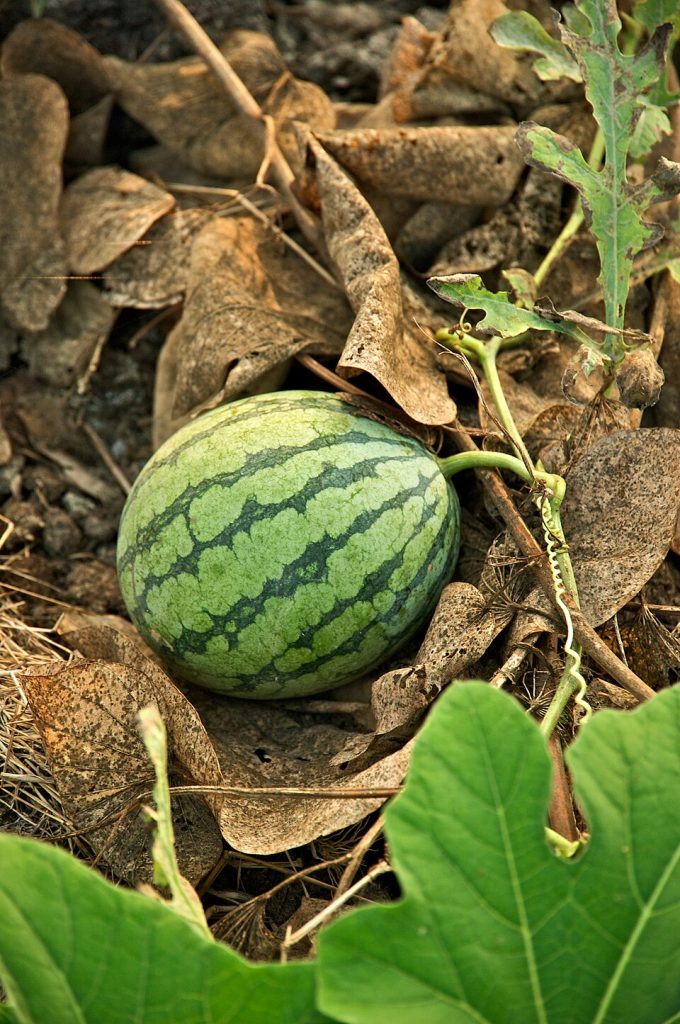
Harvest when the tendril nearest the fruit turns brown and dry - this is the most reliable ripeness sign, and it never lies. Confirm with the secondary signs: the ground spot (where the melon rests on the soil) turns from white to creamy yellow, and a thump with your knuckle gives a deep, hollow sound rather than a high metallic ping. All three signs together mean a ripe melon.
Trust the dead tendril over size - an underripe watermelon never improves, but a ripe one is unmistakable. Cut the stem with shears or a knife, leaving a short handle; do not pull or twist, which can damage the vine and neighboring fruits. Check daily at peak season - the window from perfect to overripe is short in hot weather.
Refrigerate whole melons promptly; a ripe watermelon keeps a week or two whole in a cool spot - far longer than cut melon, so resist cutting until you are ready to eat. Cut melon keeps several days chilled, wrapped tightly. For the full experience, chill the first ripe melon and eat it outdoors with salt - the old Southern way, and still the best way to appreciate what you grew. The Old Farmer's Almanac describes ripeness tests for melons.
Troubleshooting
For most people, how to grow watermelon comes down to a few smart choices.
If you are new to how to grow watermelon, start with the simplest option and build from there.
Vines wilt suddenly. Bacterial wilt from cucumber beetles, or fusarium wilt from the soil - neither has a cure. Prevent with row covers, beetle control, rotation, and resistant varieties.
Melons taste bland. Picked too early, overwatered at ripening, or not enough heat. Wait for the dead tendril, cut back water as fruits mature, and choose early varieties in short seasons.
Fruits crack. Excess water or sudden rain after drought at ripening. Mulch to buffer moisture and ease off watering as fruits mature.
Bottom rot. Fruit sitting on wet soil. Mulch thickly with straw under developing melons.
Flowers but no fruit. Poor pollination. Ensure bees reach the flowers, plant pollinator flowers nearby, and avoid insecticides during bloom.
Rind chewed. Cucumber beetles or rodents. Control beetles; trap rodents; pick melons promptly at ripeness rather than leaving them in the patch, where every extra day is another invitation.
Vines yellow early. Could be fusarium, squash bugs, or simply the natural end of the season - check for pests and disease signs before assuming the worst; late-season yellowing after harvest is normal.
For gardeners in zones 4 through 11 with a hot, sunny spot and room for rambling vines, learning how to grow watermelon delivers summer's biggest, sweetest reward - ice-cold, homegrown melons that make the store kind taste like crunchy water. Give it heat, give it room, ease off the water at ripening, and trust the dead tendril every single time - it never, ever lies about true ripeness, ever.
References
If you are new to how to grow watermelon, start with the simplest option and build from there.
University of Minnesota Extension. (n.d.). Growing watermelons in home gardens. University of Minnesota. https://extension.umn.edu/
Clemson Cooperative Extension. (n.d.). Watermelon. Clemson University. https://hgic.clemson.edu/
Old Farmer's Almanac. (n.d.). Growing watermelon. Yankee Publishing. https://www.almanac.com/
UF IFAS Gardening Solutions. (n.d.). Growing melons in Florida. University of Florida. https://gardeningsolutions.ifas.ufl.edu/
When it comes to how to grow watermelon, getting the details right makes all the difference.
Was this guide helpful?

About My Garden US
The My Garden US editorial team writes practical, in-depth home and garden guides for American homeowners — tested advice, no fluff.