
Finding reliable wood siding replacement in Texas takes more care than in most states. The Texas sun is hard. The heat is long. Storms roll in fast from the Gulf, and termites never rest. A siding job that would last thirty years in Ohio may fail in twelve under a Texas summer. That does not mean wood siding is a bad choice. It means the work must be done right, with the right wood, by people who know the state.
This guide walks you through the whole job. You will learn what wood siding costs in Texas, which species hold up best, how to judge a contractor, and how to keep your new siding sound for years.
Why Wood Siding Matters on a Texas Home
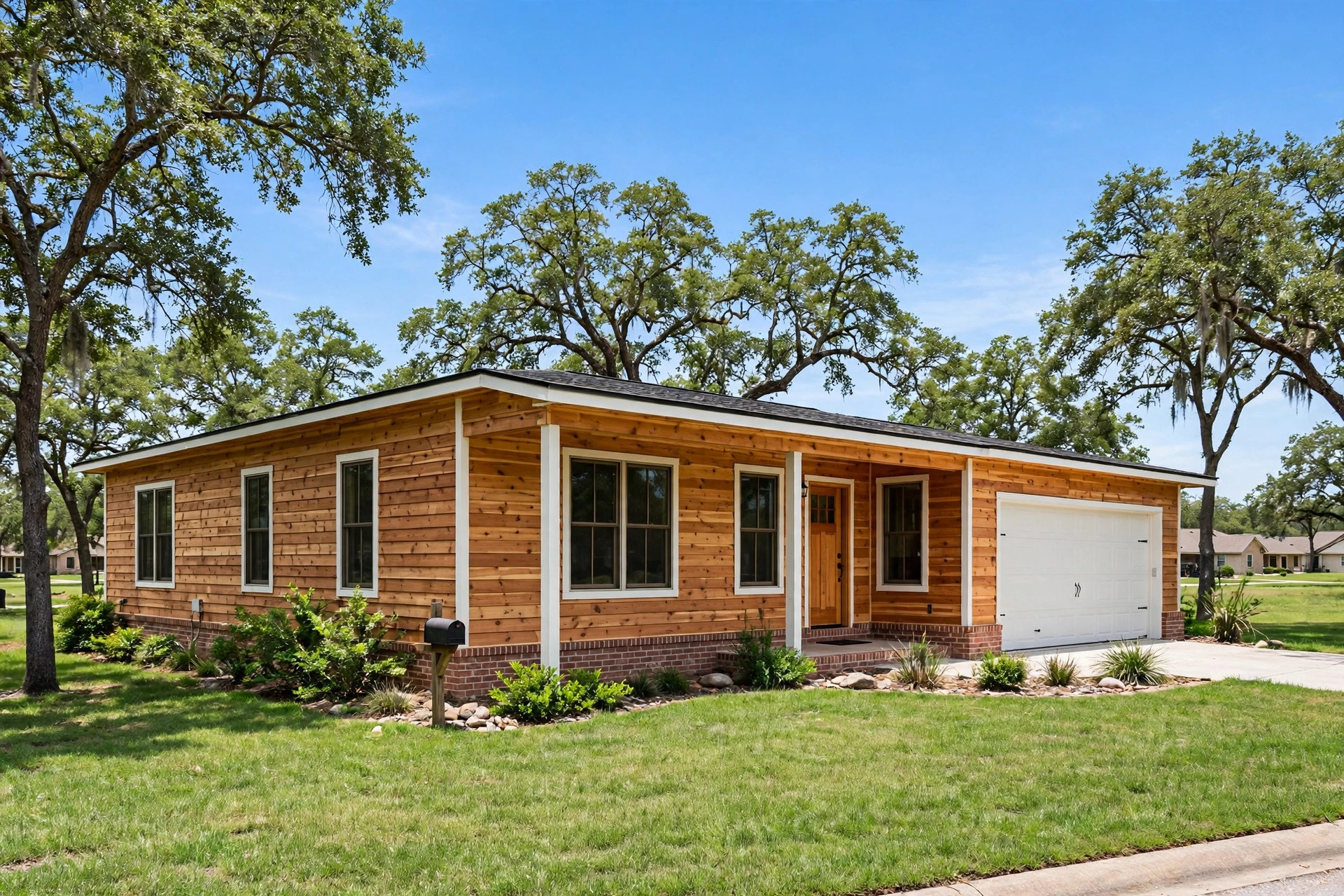
Siding is the skin of your house. It keeps rain out, holds heat in during the rare cold snap, and gives the home its face to the street. Wood siding has a warmth that vinyl and fiber cement cannot quite match. Painted boards look crisp on a farmhouse. Stained cedar suits a Hill Country ranch. Cypress, the old Gulf Coast favorite, carries a natural oil that fights rot.
But wood is alive in a way other sidings are not. It moves. It swells with rain and shrinks in drought. In Texas, where a week of flooding can follow a month of drought, that movement is constant. When boards are nailed too tight or primed only on the face, water finds its way in. The back of the board rots first, out of sight, and by the time paint peels on the surface, the damage is deep.
That is why reliable wood siding replacement in Texas is really two things: good materials and good craft. One without the other will not hold.
Signs Your Siding Needs Replacing, Not Repair: Reliable Wood Siding Replacement in Texas
Many homes do not need full replacement. A few boards can be swapped, and a fresh coat of paint can buy years. But there are signs that the whole skin must come off.
First, soft spots. Press a screwdriver into the siding at the bottom boards, near corners, and around windows. If the wood gives way like wet cardboard, the rot has spread. Second, cupping and splitting across wide areas. A board or two will crack in the sun; when whole walls of boards curl away from the sheathing, the system has failed. Third, water stains inside the house. If your walls show damp patches after rain, water is getting behind the siding and the flashing may have failed too.
In Texas, termite damage is another common cause. Formosan subterranean termites work in parts of the Gulf Coast, and they can hollow a wall silently. If an inspector finds frass or mud tubes along the foundation, plan for a full tear-off so the structure behind can be checked.
A good rule: if more than a fifth of the boards are damaged, replacement costs less in the long run than years of patching.
Choosing the Right Wood for Texas Weather
Not all siding woods are equal under Texas conditions. Your choice here sets the life of the job.
Cedar is the most popular. Western red cedar resists insects and rot on its own, takes stain well, and stays straight. It costs more than pine but needs less chemical treatment. For many Texas homes it is the standard answer.
Cypress is the Gulf Coast native. It grew in the swamps of Louisiana and East Texas, and it knows water. Heartwood cypress has tannins that turn insects away. It is a strong pick near Houston, Beaumont, and the coastal bend.
Engineered wood deserves a look too. Products such as treated wood siding composites hold paint longer than solid boards and resist moisture better. They look like wood and cut like wood, but they are made to stand up to weather.
Pressure-treated pine is the budget option. It is strong and cheap, but in Texas it must be primed on all six sides before it goes up, or the heat will twist it. Ask any contractor about their priming practice. If they prime only the face, walk away.
For southern climates in general, many homeowners compare options before they decide. If you are weighing looks against cost, a guide to best cedar shake siding for southern states may help you see how shakes differ from lap boards.
What to Look For in a Texas Siding Contractor
The contractor matters as much as the wood. A bad install will ruin good cedar; a good install can make pine last.
Start with proof of business. Texas does not license siding contractors at the state level, so check the city or county. Ask for a certificate of insurance with your name on it. Call the insurer to confirm it is current. Ask for three local references from the past two years, and drive by those houses if you can.
Get three written bids. Each should list the species and grade of wood, the thickness, the underlayment, the flashing method, the primer and paint or stain brands, and the schedule. Vague bids hide vague work.
Ask pointed questions. How do they flash windows and doors? (The answer should name a self-adhering membrane and metal flashing, not just caulk.) Do they back-prime every board? (The answer must be yes.) How do they leave expansion gaps at corners? How many days will the crew be on site, and who supervises?
Beware of red flags. A price far below the others means cut corners somewhere. A demand for full payment up front is a warning. So is a contractor with no Texas references who blew in after the last hailstorm. Storm chasers do poor work and vanish.
If your project touches other exterior parts, it pays to line up related work with the same care. Many homeowners pair siding with new trim, and reading top rated exterior trim replacement reviews can sharpen your questions before you hire.
Types of Wood Siding and Their Texas Fit
Lap siding, the horizontal overlapping boards, is the classic Texas look. It sheds rain well and suits most styles. Bevel siding, a thicker wedge profile, casts deep shadow lines and shows off paint.
Board-and-batten runs vertical. It fits farmhouses and barns, and it dries fast after rain because water runs down the channels. It costs more in labor because every batten must be placed by hand.
Shingles and shakes give a cottage or lake-house feel. They work well in the Hill Country, where the style fits the land. They need more upkeep than lap siding because each piece has exposed edges.
Tongue-and-groove siding locks together for a tight face. It looks neat but can trap water if the finish fails, so it suits covered porches and soffits more than full sun walls.
Cost of Wood Siding Replacement in Texas
Prices move with lumber markets, but Texas ranges are steady enough to plan by. For a full tear-off and replacement on a typical 1,500 to 2,000 square foot home, expect roughly 8 to 16 dollars per square foot of wall area installed. That puts most jobs between twelve thousand and thirty thousand dollars.
What drives the number up? Two stories cost more than one because of staging. Rot repair behind the siding adds labor and lumber. Premium cedar or cypress adds two to four dollars per square foot over pine. Custom trim, corner boards, and new flashing add up too.
Get the bid in writing with a fixed scope. Ask what happens if rot is found behind the boards — a per-sheet price for sheathing replacement keeps surprises honest. Most crews finish a whole house in one to three weeks, weather allowing.
If budget is tight, some homeowners compare other cladding options before they commit. A look at a budget friendly metal siding for homes buying guide can show how metal stacks up against wood on price and upkeep.
The Replacement Process, Step by Step
Knowing the steps helps you judge the work as it happens.
First comes the tear-off. The crew strips the old siding, and this is the moment of truth: the sheathing, studs, and house wrap are all visible. Rot, termite damage, and bad flashing show up now. A reliable crew photographs what they find and talks to you before they cover it again.
Next, repairs. Soft sheathing gets cut out and replaced. Any termite or water damage to framing is fixed. This is also the time to add house wrap or a rain-screen gap if the old wall had none. In Texas, a rain-screen gap behind the boards is one of the best upgrades you can buy. It lets the wall breathe and dry.
Then flashing. Windows, doors, and penetrations get membrane flashing shingled so water always flows outward and down. Corners get their treatment. This hidden work is what separates a ten-year job from a twenty-five-year one.
Then the boards go up. They should be back-primed or pre-finished before nailing, held off the ground at least six inches, and nailed with stainless or hot-dipped galvanized fasteners. Rusty nail streaks are the mark of cheap fasteners.
Finally, finish. Paint or stain goes on the face, caulk at joints that need it, and a full cleanup. Walk the job with the crew chief before you pay the balance.
Caring for Wood Siding in the Texas Climate
New siding is only as good as its upkeep. Texas punishes neglect.
Inspect every spring. Walk the house and look for peeling paint, cracked caulk, and boards touching soil or mulch. Keep sprinklers off the walls; constant wetting rots even cedar. Keep gutters clean so water does not pour down the siding in storms.
Repaint or restain on schedule. In full Texas sun, paint lasts about seven to ten years on the south and west walls, longer on the north. Stain fades faster, about three to five years, but it is easier to renew. Do not wait until wood shows through. Bare wood in Texas weathers fast.
Watch for pests. Keep a clear gap between mulch and siding, and have the home inspected for termites each year. Many Texas pest companies offer yearly plans that cost far less than a wall rebuild.
Trim plants back. Bushes hold damp air against the boards. A foot of air space keeps the wall dry and lets you see trouble early.
Safety During a Siding Project
A siding job is construction, and construction has risks. Old paint may contain lead if your home was built before 1978. Federal rules require lead-safe work practices, and your contractor should test before sanding or scraping. Ask for their EPA lead-safe certification.
Dust from cutting treated lumber is not harmless. A good crew cuts with dust collection and keeps the yard clear. Keep children and pets inside or away while work runs.
Ladders and staging around your home change the daily picture. Lock gates, move cars out of the drop zone, and agree on start and stop times with the crew chief. A tidy site is a safer site.
Frequently Asked Questions
How long does wood siding last in Texas? With good wood, proper flashing, and regular paint, twenty to thirty years is fair. Pine in harsh sun with poor upkeep may fail in twelve to fifteen. Cedar and cypress, well kept, can go longer.
Can I replace siding myself? A handy homeowner can swap a few boards. A full-house replacement is a different trade. The flashing details around windows and the structural repairs behind the walls need a practiced crew. Most do-it-yourself full replacements leak within a few years.
What is the best month to replace siding in Texas? Fall and early spring are kindest. Summer heat bakes crews and can flash-dry paint before it bonds. Winter on the Gulf Coast is mild and works fine, though North Texas can freeze.
Does wood siding raise my insurance? Some Texas insurers rate wood siding higher for fire risk than fiber cement or brick. Ask your agent before you choose. The difference is usually small, but it belongs in your math.
Should I wrap the house in new house wrap? Yes, if the old wall lacks it or it is torn. Modern wraps shed bulk water while letting vapor out. It is cheap insurance during a tear-off when the walls are already open.
How do I know the wood is good quality? Ask for the grade stamp and species on the delivery ticket. For cedar, look for clear or select grades with tight grain. Reject boards with large loose knots, twist, or blue stain on the face.
A Short Final Word
Reliable wood siding replacement in Texas is not the cheapest bid or the fanciest wood. It is the right species for the Texas climate, hung by a careful crew, flashed like it matters, and kept painted by an owner who walks the house each spring. Get those four right and your home will wear its wood skin with pride for decades.
For plain guidance on siding materials and methods, the James Hardie site covers exterior cladding science in clear terms. This Old House offers steady, craft-focused advice on siding repair and replacement. Bob Vila publishes practical homeowner guides on exterior projects. The Family Handyman site carries step-by-step repair know-how from working tradespeople. The Spruce explains home exterior choices in simple language. CertainTeed documents siding and exterior systems from a maker’s point of view. The Home Depot lists siding products with plain buying guides. Lowe’s offers project guides for exterior siding work. Consumer Reports tests and rates building products with independent methods.
References
Bob Vila. (n.d.). Home improvement advice. https://www.bobvila.com CertainTeed. (n.d.). Building materials and exterior products. https://www.certainteed.com Consumer Reports. (n.d.). Product reviews and ratings. https://www.consumerreports.org Family Handyman. (n.d.). DIY home repair and maintenance. https://www.familyhandyman.com James Hardie. (n.d.). Fiber cement siding and exterior products. https://www.jameshardie.com Lowe’s. (n.d.). Home improvement products. https://www.lowes.com The Home Depot. (n.d.). Home improvement products. https://www.homedepot.com The Spruce. (n.d.). Home and garden advice. https://www.thespruce.com This Old House. (n.d.). Home renovation guidance. https://www.thisoldhouse.com
Was this guide helpful?

About David Wilson
The My Garden US editorial team writes practical, in-depth home and garden guides for American homeowners — tested advice, no fluff.
You May Also Like

Storm Door Installation Cost Guide USA: What Every Homeowner Should Know
July 24, 2026 0 views
Where to Buy Double Hung Windows in Florida: A Homeowner’s Buying Guide
July 31, 2026 0 views
Top Rated Double Hung Windows for Florida Homes
July 19, 2026 0 views