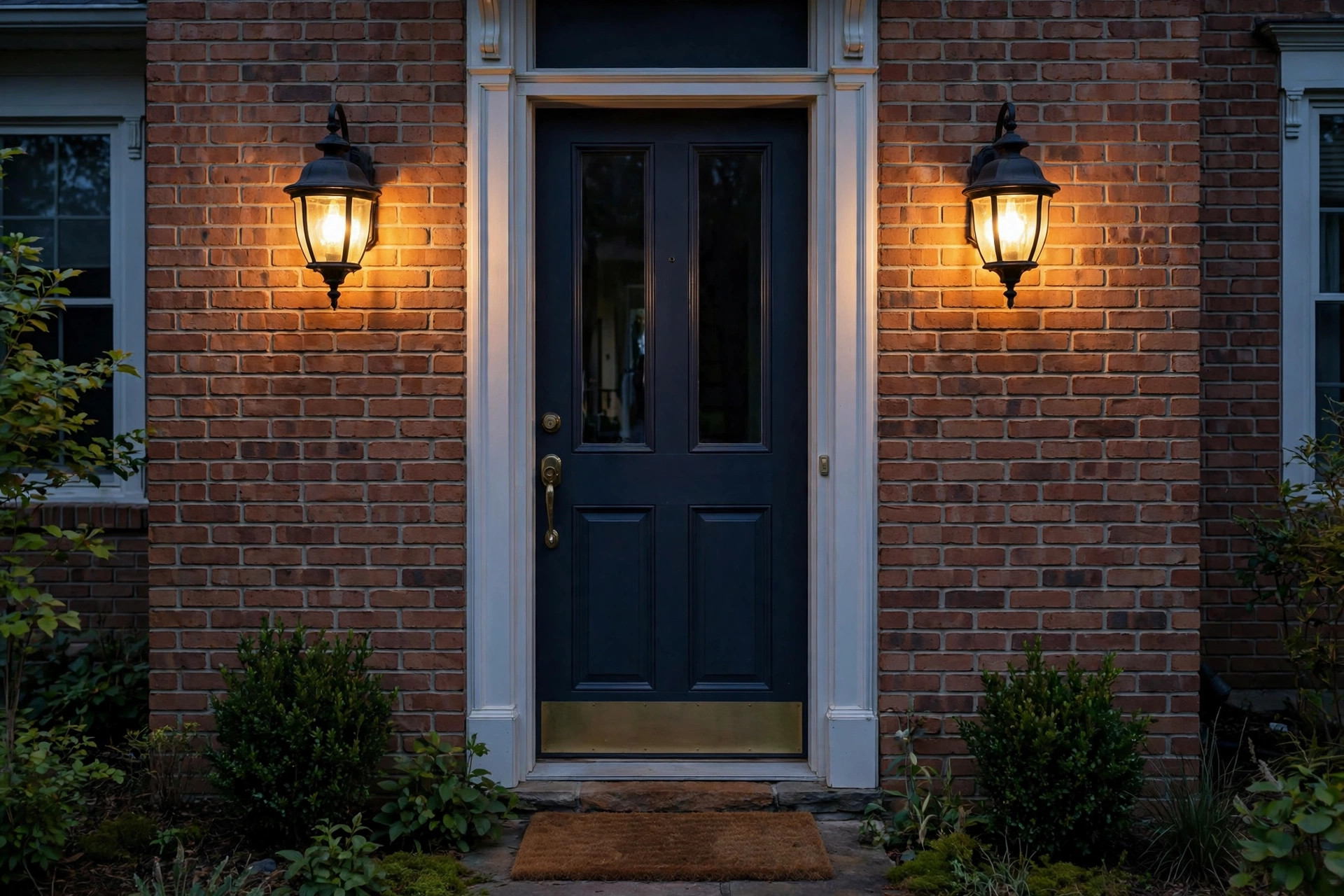

Many shoppers search for outdoor wall lanterns for sale usa when they want a classic look for a porch, patio, or garage wall. These lights have kept homes safe and welcoming for a long time. A lantern style fixture mounts flat on the wall. It throws light downward and outward. It frames a door. It marks a path. It keeps shadows off the steps. This guide explains what to look for, what kinds exist, what they cost, and how to keep them working for years.
Why Outdoor Wall Lanterns Matter
A home looks different after dark. Without light, a front door is hard to find. Keys are hard to use. Steps are hard to see. A pair of outdoor wall lanterns solves all three problems at once. They mark the entry. They give guests a clear welcome. They also make the house look cared for.
Safety is the main reason to add them. Dark yards hide tripping hazards. A single stair edge can cause a fall. Light on the wall beside a door cuts glare and fills in dark corners. Burglars also avoid lit houses. A well lit entry sends a simple message. Someone is home. Someone is paying attention.
Style is the second reason. Wall lanterns are a classic American fixture. They suit brick colonial homes, farmhouses, and modern homes alike. The black metal frame with clear glass is the most common style. It never looks out of date. A home with matched lanterns on each side of the door gains what real estate agents call curb appeal. The house simply looks better from the street.
Comfort is the third reason. A warm glow at dusk makes a porch feel like part of the home. People linger longer outside. Neighbors stop to talk. The entry feels safe late at night when you return from work.
How to Choose the Right Lantern: Outdoor Wall Lanterns for Sale Usa
Shopping for outdoor wall lanterns for sale usa can feel confusing. Hundreds of models appear at big home stores like The Home Depot and Lowe’s. They differ in size, material, light source, and finish. A few simple rules narrow the field fast.
Pick the Right Size
Scale matters more than price. A small lantern beside a tall door looks lost. A huge lantern beside a narrow door looks clumsy. A common rule works well. The lantern height should be about one third of the door height. A standard 80 inch door takes a lantern around 24 to 28 inches tall. Most wall lanterns sold today are 10 to 18 inches tall. That size suits a single door in most American homes.
Mount one lantern on each side of the door for balance. A wide double door or garage may need a larger lantern in the center. Measure the wall space before you order. Note the width of the fixture too. A lantern that is too wide can crowd the door frame or trim.
Choose Materials That Last
Outdoor fixtures face rain, sun, heat, and frost. Cheap metals rust within two seasons. Look for aluminum or stainless steel housings. Both resist rust well. Powder coated finishes last longer than plain paint. Black is the most common color. It suits almost every home. Bronze and copper finishes also sell well.
Glass type matters as well. Clear glass gives the most light. Seeded or frosted glass softens the light and hides the bulb. Some lanterns use open bottoms. These allow heat to escape and bulbs to be changed from below. Closed lanterns keep insects out but run hotter.
Check the Bulb Base and Wattage
Most outdoor wall lanterns use a medium base bulb. This is the standard household socket. ENERGY STAR rates many LED bulbs that fit these sockets, and they use far less power than old incandescent bulbs. Many models now ship as LED only. The LED is built in and cannot be changed. These last a long time but need full replacement when they fail.
Look for the lumens rating. Lumens measure brightness. For a front door, 400 to 800 lumens per lantern is plenty. Color temperature also matters. Warm white at 2700K looks like classic lamplight. Big lighting makers like Philips mark this clearly on the box. Daylight white at 5000K looks harsh and cold. Most shoppers prefer warm white for a home entry.
Types of Outdoor Wall Lanterns
Not all lanterns work the same way. The right type depends on your wiring, your habits, and your budget.
Hardwired Lanterns
These connect to the house wiring. They turn on with a wall switch. This is the traditional setup. It is reliable and bright. It needs an existing electrical box on the wall. If no box exists, an electrician must install one. Many homes built after 1950 already have boxes beside the front door.
Solar Lanterns
Solar models charge by day and glow at night. They need no wiring. They mount with two screws. They suit renters and quick projects. The trade off is brightness. Most solar lanterns give soft accent light, not task light. They also dim on cloudy days. Place them where they get full sun for best results.
Motion Sensor Lanterns
These stay dark until movement triggers them. Then they shine bright for a set time. They save energy. They startle intruders. Many shoppers pair one motion sensor lantern with a steady lantern at the door. That way the entry always has some light. For related choices, see our guide to sensor porch lights where to buy USA.
Smart Lanterns
Smart models connect to a phone app or voice system. You can set timers, change brightness, and link them to other devices. A smart bulb in a plain lantern gives many of the same benefits at lower cost. See our page on wifi smart bulbs USA online deals for bulb ideas.
Cost and Price
Outdoor wall lanterns for sale usa span a wide price range. Basic steel lanterns start around fifteen to thirty dollars each. Mid range aluminum models run thirty to eighty dollars. Designer brands sold by stores such as Lumens and Lamps Plus can cost one hundred to three hundred dollars or more.
The fixture is only part of the cost. If an electrician must add wiring, expect one hundred to three hundred dollars per location. That includes labor and the box. Simple replacements on existing boxes need no electrician. A handy homeowner can swap a fixture in under an hour.
Bulbs add ongoing cost. LED bulbs cost more up front but use about one tenth the power of old bulbs, a fact the U.S. Department of Energy confirms in its lighting guides. They last 15,000 hours or more. Over five years, an LED lantern costs far less to run than an incandescent one. Solar lanterns cost nothing to run but may need battery swaps every two to three years.
Buy in pairs when lighting a door. Matched pairs look better than two different models. Many sellers offer two packs at a small discount. Keep the receipt. Most quality brands carry a three to five year warranty.
Installation Basics
Safety comes first with any electrical work. Turn off the breaker before touching wires. Test with a non contact voltage tester. If you are unsure, hire a licensed electrician. The cost of one service call is small compared to the risk of a shock.
For a simple swap, the steps are short. Remove the old fixture. Note how the wires connect. Black goes to black. White goes to white. Green or bare copper goes to the ground screw. Push the new mounting bracket onto the box. Connect the wires with wire nuts. Tuck the wires into the box. Attach the lantern to the bracket. Add caulk along the top and sides where the fixture meets the wall. Leave the bottom open so moisture can drain.
Mount lanterns about 60 to 66 inches above the ground. This is roughly eye level for most adults. Guides at Bob Vila give the same rule. The light then falls on faces and steps without blinding anyone. Keep the fixture at least a few inches from the door trim so the door can swing free.
Care and Upkeep
A lantern lasts decades with small care. Clean the glass once or twice a year, a chore home sites like The Spruce list in their seasonal checklists. Dust and pollen dim the light more than most people expect. Warm water and mild soap do the job. Dry the glass to avoid spots.
Check the caulk each spring. Sun and cold crack the seal around the fixture. Water behind the fixture can rot siding or rust the box. Recaulk when cracks appear. Tighten any loose screws while you are there.
Replace bulbs before they burn out fully if the light looks dim. LED bulbs fade slowly over time. Insects collect inside open lanterns. Knock them out when you clean the glass. Trim bushes that grow against the fixture. Wet leaves trap moisture and block light.
For copper lanterns, the finish will darken with age. Many owners like this natural patina. If you prefer the bright look, polish once a year with a copper cleaner.
Safety
Outdoor electrical fixtures must be rated for wet locations. Look for a UL or ETL listing on the box. The rating should say suitable for wet locations. Damp rated fixtures belong under covered porches only. Using the wrong rating risks shock or fire.
Use outdoor rated bulbs in enclosed lanterns. Standard indoor bulbs can overheat in a sealed glass box. LED bulbs run cool and are the safest choice.
Keep ladders stable when mounting high fixtures. A second person to hold the ladder is wise. Do not work in rain. Do not let extension cords cross walkways where guests may trip.
Motion sensor lanterns can startle drivers if aimed at the street. Aim the sensor head toward your own yard and door. Most models allow angle adjustment with a small screw.
Frequently Asked Questions
How many lumens do I need for an outdoor wall lantern? For a front door, 400 to 800 lumens per lantern works well. That is bright enough to see keys and steps without blinding guests. For a garage or side yard, 800 to 1200 lumens is fine.
What height should I mount a wall lantern? Mount the center of the lantern 60 to 66 inches above the ground. This puts light at face level and avoids glare. Near a tall door, go a little higher so the fixture stays in proportion.
Can I install an outdoor wall lantern myself? You can if an electrical box already exists on the wall. The swap takes basic tools and care. If new wiring is needed, hire a licensed electrician. Local codes in many areas require a permit for new outdoor circuits.
Are solar lanterns bright enough for a front door? Most are not. Solar lanterns give soft glow, good for paths and decoration. For a front door where you need to see locks and steps, a hardwired lantern is better.
LED or incandescent bulbs for lanterns? LED wins on every point. It uses less power, runs cooler, and lasts far longer. Warm white LED at 2700K gives the classic lantern look. For indoor options in a similar style, see our kitchen track lighting reviews buying guide USA.
How do I stop bugs from gathering in my lantern? Warm white LED bulbs attract fewer insects than cool white or old incandescent bulbs. A small screen over the bottom opening helps too. Clean the fixture each season.
A Final Word
Outdoor wall lanterns for sale usa give you many fine choices. Read a few independent tests, such as those at Consumer Reports, before you pick a model. Start with size. Match the lantern to your door. Pick rust proof materials. Choose warm LED light. Mount at eye level. With those steps done, your entry will be safer, brighter, and more welcoming for many years.
References
Bob Vila. (n.d.). Home improvement advice. https://www.bobvila.com Consumer Reports. (n.d.). Product reviews and ratings. https://www.consumerreports.org ENERGY STAR. (n.d.). Energy efficient products. https://www.energystar.gov Lamps Plus. (n.d.). Lighting and home decor. https://www.lampsplus.com Lowe’s. (n.d.). Home improvement products. https://www.lowes.com Lumens. (n.d.). Lighting and ceiling fans. https://www.lumens.com Philips. (n.d.). Lighting products. https://www.philips.com The Home Depot. (n.d.). Home improvement products. https://www.homedepot.com The Spruce. (n.d.). Home and garden advice. https://www.thespruce.com U.S. Department of Energy. (n.d.). Energy efficiency and renewable energy. https://www.energy.gov
Was this guide helpful?

About Sarah Mitchell
The My Garden US editorial team writes practical, in-depth home and garden guides for American homeowners — tested advice, no fluff.
You May Also Like
Indoor Wall Sconces USA Online Deals: A Practical Buying Guide
June 27, 2026 0 views
Bedroom Table Lamps for California Homes USA: A Simple Guide
September 18, 2026 0 views
Outdoor Wall Lanterns Reviews Buying Guide USA
April 15, 2026 0 views