Hamburg parsley is two vegetables in one plant. Below ground, it grows a sweet, parsnip-like root. Above ground, the tops snip and sprinkle exactly like flat-leaf parsley. Few crops give you so much from a single sowing. Gardeners learning how to grow hamburg parsley get a root cellar staple plus a fresh herb, with almost no extra work.
Table of Contents
Table of Contents
The roots are the main event: creamy, sweet, and aromatic, especially after frost. They cook like parsnips in soups and roasts, adding a parsley perfume that is entirely their own. The tops are a bonus that keeps giving all season, a never-ending supply of fresh parsley while the roots size up below.

Photo: Wikimedia Commons
Quick facts: Sun: full sun to part shade. Soil: rich, deep, well-drained. Water: consistent moisture. Sow 0.25 inch deep, thin to 6 inches apart. Days to maturity: 90 to 120. Biennial grown as an annual; roots sweeten after frost.
Choosing a Variety and Getting Started
When it comes to how to grow hamburg parsley, getting the details right makes all the difference.
When it comes to how to grow hamburg parsley, getting the details right makes all the difference.

Many homeowners find that how to grow hamburg parsley is easier than they expected once they know the basics.
Hamburg parsley seed is sold by European vegetable and heirloom suppliers, usually as Hamburg parsley or root parsley. There are a few strains, but the differences are small. Buy fresh seed; parsley-family seed germinates slowly at the best of times, and old seed is even slower.
The seed is famously slow to germinate, sometimes taking up to four weeks. Soak the seeds overnight before sowing to speed things up, and mark the row clearly so you do not disturb it while waiting. Keep the seedbed evenly moist the whole time; drying out during the long germination resets the clock. Before sowing, check your USDA zone planting dates on the planting calendar.
If you have grown parsnips for roots or carrots for sweetness, the deep-soil routine is familiar. Turnips share the dual root-and-top harvest.
When and How to Plant
Many homeowners find that how to grow hamburg parsley is easier than they expected once they know the basics.
The key to how to grow hamburg parsley is choosing the right approach for your space and budget.
Sow Hamburg parsley directly in spring, around your last spring frost date. It is a biennial grown as an annual: sown in spring, harvested in fall, with no need to overwinter unless you want seed. Sow the seed a quarter inch deep in deep, loose, stone-free soil.
Because germination is slow, sow a little thickly and thin the seedlings to 4 inches apart once they are sturdy. The wait tests your patience, but the seedlings are tough once they emerge. Keep the bed moist for the full germination period, up to four weeks; a board laid over the row holds moisture and can be removed when seedlings appear.
The Old Farmer's Almanac planting calendar can confirm your sowing date. Full sun is best for the biggest roots, though the plants tolerate part shade.
Soil and Sun
The key to how to grow hamburg parsley is choosing the right approach for your space and budget.
With a little planning, how to grow hamburg parsley can fit even a busy schedule.
Hamburg parsley needs rich, deep, well-drained soil. The roots grow long and straight, and they need a foot of loose soil to do it. Work the bed deeply, removing stones, and dig in plenty of compost. But avoid fresh manure, which forks roots; use compost that is fully finished.
Full sun grows the biggest roots, with part shade acceptable. The soil should hold moisture evenly; drought makes the roots woody and branched. A humusy loam that stays cool and damp is ideal. The Clemson Home & Garden Information Center has thorough guidance on preparing deep beds for root crops.
Its background under Petroselinum crispum var. tuberosum is listed in the USDA PLANTS Database. The University of Minnesota Extension covers root-crop soil preparation for northern gardeners.
Watering and Feeding
With a little planning, how to grow hamburg parsley can fit even a busy schedule.
Before you start, it helps to understand how how to grow hamburg parsley works in real homes.
Water regularly so the roots stay smooth and unbranched. Consistent moisture is the key to good shape; drought stress makes Hamburg parsley roots woody, forked, and disappointing. A deep watering once a week, plus mulch to hold it, keeps the soil evenly damp.
Mulch to keep the soil cool and moist, and weed gently around the shallow roots. The feeder roots run near the surface, so hoe carefully or hand weed close to the plants. A mulch layer does most of the weed control for you.
Feed with compost at planting. That is usually enough. Rich compost grows smooth, sweet roots; heavy synthetic fertilizer can push forked growth. If the tops are deep green and vigorous, the roots are getting what they need.
Care Through the Season
Before you start, it helps to understand how how to grow hamburg parsley works in real homes.
A good plan for how to grow hamburg parsley saves time, money, and frustration.
Watch for carrot rust fly, which can attack the roots. The small maggots tunnel into the roots and ruin them. Cover the rows with insect mesh from sowing onward where the fly is a problem; it is the only reliable defense. Good garden hygiene, rotating the crop each year, also helps.
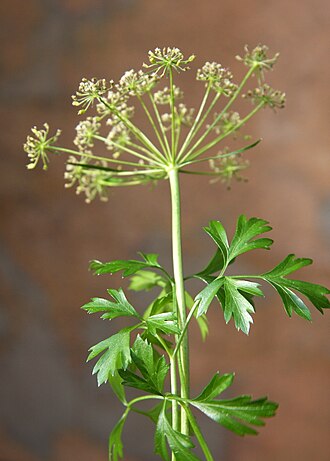
Snip the leafy tops through the season and use them exactly like flat-leaf parsley. This does not hurt root development as long as you do not strip the plants bare; leave enough foliage for the plant to keep growing. The tops are a genuine bonus harvest, fresh herbs from a root crop.
Let the plants grow undisturbed into fall. The roots size up late in the season, and frost sweetens them. Do not harvest early out of curiosity; patience is rewarded with bigger, sweeter roots.
Harvest
A good plan for how to grow hamburg parsley saves time, money, and frustration.
For most people, how to grow hamburg parsley comes down to a few smart choices.
Harvest the roots after the tops die back, when cold weather and frost have sweetened their flavor. Lift them with a fork, starting well out from the row to avoid spearing them. The roots look like slim, creamy parsnips, and they smell faintly of parsley.
Store the roots in damp sand in a cold spot for months, like a root cellar. Check them occasionally and remove any that soften. Properly stored, they keep well into winter, giving you a homegrown root vegetable long after the garden is done.
Use the roots like parsnips in soups, stews, and roasts. They add a sweet, aromatic depth that is distinctively their own. The tops, snipped fresh, go anywhere flat-leaf parsley goes. Leave a few roots in the ground over winter and they will flower and self-seed in spring, giving you free plants.
Cooking with Hamburg Parsley
For most people, how to grow hamburg parsley comes down to a few smart choices.
If you are new to how to grow hamburg parsley, start with the simplest option and build from there.
The roots cook like parsnips but taste like themselves: sweet, aromatic, with a distinct parsley perfume that comes through even in a mixed roast. Add them to soups and stews, where they dissolve slightly and enrich the broth. Roast them alongside carrots and parsnips with oil and salt until the edges caramelize. Mash them with potatoes for a mash with character, or slice them thin into gratins. They are at their sweetest after frost, so the fall harvest is the one to savor.
The tops are a bonus herb harvest all season. Snip them like flat-leaf parsley for tabbouleh, chimichurri, gremolata, or simply scattered over finished dishes. Because the plants keep producing tops while the roots size up below, you get fresh herbs for months from the same row. Do not strip the plants bare; leave enough foliage to feed the roots.
Store the roots in damp sand in a cold spot, checking now and then and removing any that soften. They keep for months, giving you a homegrown root vegetable deep into winter. And leave a few roots in the ground to flower; the self-sown seedlings next spring are free plants, and a patch that renews itself is the lowest-maintenance kind.
Hamburg Parsley Tops: A Season of Herbs
If you are new to how to grow hamburg parsley, start with the simplest option and build from there.
When it comes to how to grow hamburg parsley, getting the details right makes all the difference.
Do not underestimate the tops. While the roots are the main crop, the leafy foliage gives you fresh parsley from early summer until frost, which is a longer herb season than most dedicated parsley plantings. Snip the outer stems as you need them, always leaving the heart of the plant intact so it keeps growing. A row of Hamburg parsley can replace your parsley bed entirely.
Use the tops anywhere flat-leaf parsley goes. They are true parsley in flavor, fresh and clean, excellent in salads, sauces, and as a garnish. Chop a handful into tabbouleh, blend them into chimichurri, or stir them into soups at the last minute. Because the plants are vigorous, you can harvest generously without guilt; they regrow fast in good soil.
There is a balance to strike. Heavy top harvesting all season can reduce root size, since the leaves feed the roots. If your priority is big roots, harvest tops lightly. If you value the herbs more, cut freely and accept smaller roots. Most gardeners find a middle path: steady light harvesting that gives both herbs all summer and respectable roots in fall.
Troubleshooting
When it comes to how to grow hamburg parsley, getting the details right makes all the difference.
Many homeowners find that how to grow hamburg parsley is easier than they expected once they know the basics.
Seeds do not germinate. Old seed or a dry seedbed. Soak fresh seed overnight, sow in moist soil, and keep the bed evenly damp for up to four weeks.
Roots are forked and woody. Stones, compacted soil, fresh manure, or drought. Prepare the bed deeply, use finished compost, and water consistently.
Maggots tunnel in the roots. Carrot rust fly. Cover rows with insect mesh from sowing and rotate the crop yearly.
Tops are sparse. Overharvesting the leaves. Snip lightly and leave enough foliage for the plant to feed its roots.
Hamburg parsley is the two-for-one root: sweet frost-kissed roots below, fresh parsley above, from a single sowing. For another dual-purpose root, turnips offer the same bargain. More on European root vegetables is available from Gardenia.net, and background through the USDA National Agricultural Library.
References
Many homeowners find that how to grow hamburg parsley is easier than they expected once they know the basics.
University of Minnesota Extension. (n.d.). Growing root vegetables in home gardens. https://extension.umn.edu/
Old Farmer's Almanac. (n.d.). Growing root crops in home gardens. https://www.almanac.com/
Clemson Cooperative Extension. (n.d.). Home & Garden Information Center. https://hgic.clemson.edu/
Missouri Botanical Garden. (n.d.). Plant finder. https://www.missouribotanicalgarden.org/
Was this guide helpful?

About My Garden US
The My Garden US editorial team writes practical, in-depth home and garden guides for American homeowners — tested advice, no fluff.