Fava beans - Vicia faba, broad beans to the British - are the cool-season legume that American gardeners overlook and should not. While everyone waits for warm weather to plant snap beans, favas are already growing: sown in the chill of early spring, flowering while the garden is still waking up, and producing protein-rich beans weeks before the first summer vegetable. Learning how to grow fava beans is about embracing the cold shoulder of the season instead of waiting for warmth.
Table of Contents
Table of Contents
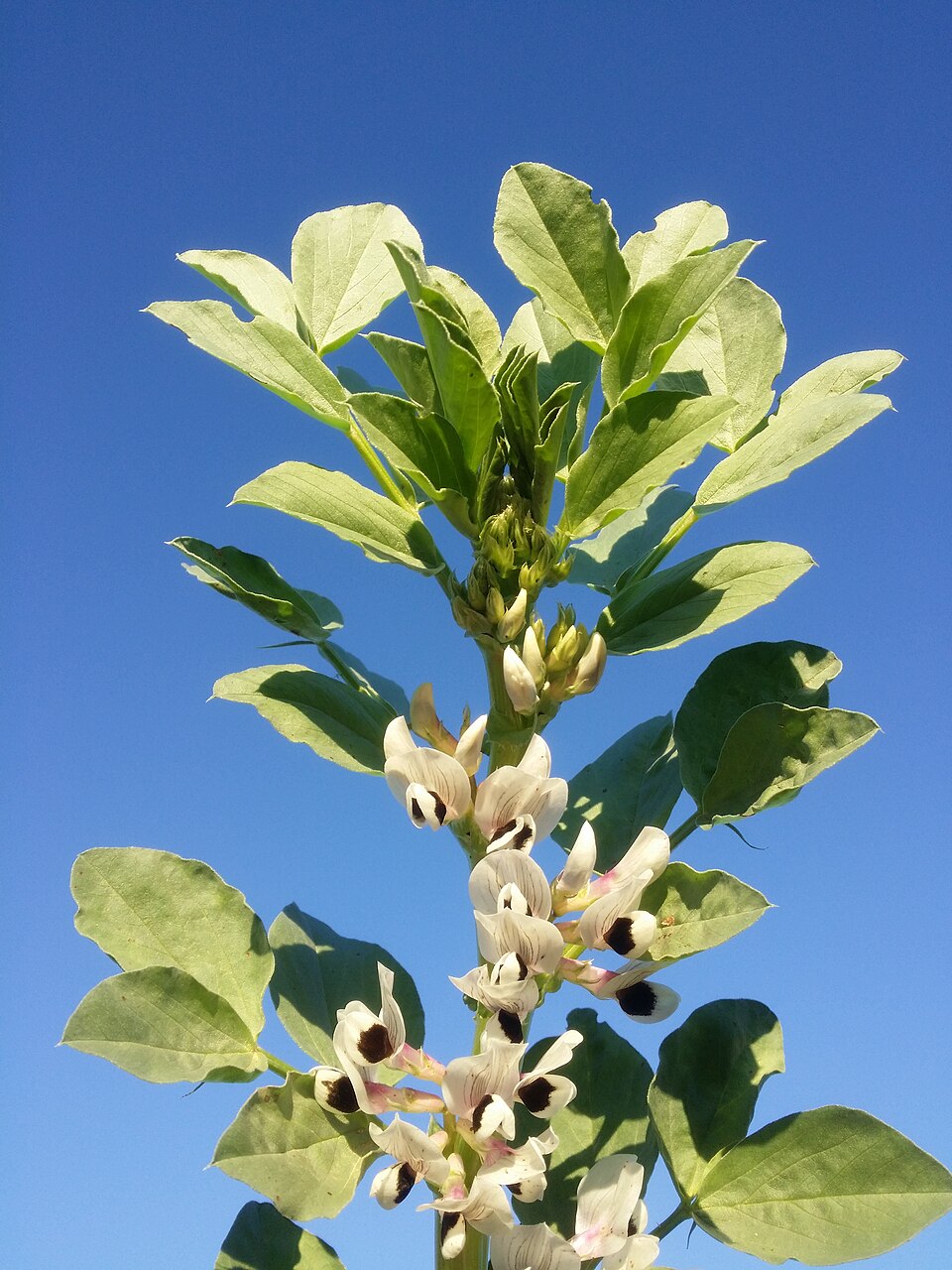
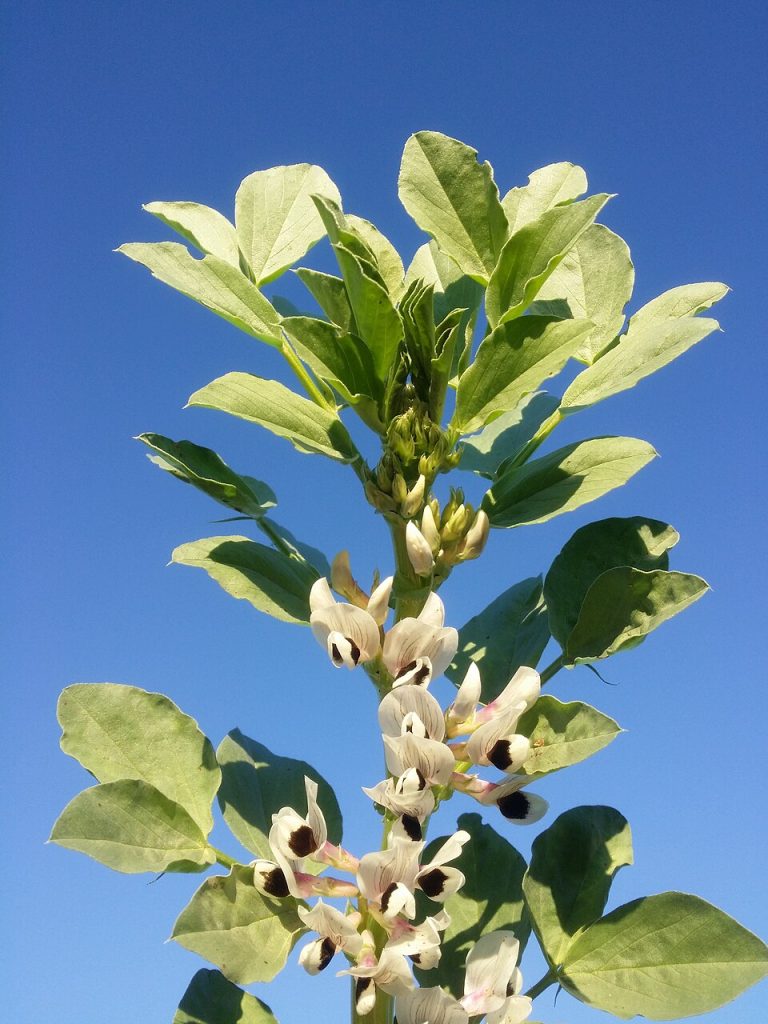
These are big, handsome plants - two to four feet of sturdy, upright growth with sweet-scented black-and-white flowers - and they fix their own nitrogen, improving the soil for whatever follows. They prefer cool weather the way tomatoes prefer heat, and they stall when summer arrives. For northern gardeners and anyone with a mild spring, they are one of the most satisfying crops you can plant.

Photo: Wikimedia Commons
Getting Started: The Bean for Cold Weather
When it comes to how to grow fava beans, getting the details right makes all the difference.

Many homeowners find that how to grow fava beans is easier than they expected once they know the basics.
Fava beans are an ancient crop - among the oldest cultivated plants on earth - grown for millennia around the Mediterranean and through Europe and Asia. The Missouri Botanical Garden vegetable profiles cover favas as a cool-season legume for home gardens. The seeds are large, flat, and unmistakable, and the plants are stocky and self-supporting, needing no trellis. Varieties range from small-seeded types for whole-pod eating to large-seeded Windsor types for shelling. The USDA PLANTS database documents the species and its long cultivation history.
They grow in zones 4 through 9 as a cool-season annual, and the temperature rule is strict: favas set pods in cool weather and fail when heat arrives. Sustained warmth above the low 80s ruins pod set - flowers drop, pods stay empty. This makes them a spring crop in most of the country and a fall/winter crop in the mildest zones. In zones 10 and up, summer favas are hopeless; plant them for the cool season instead.
One caution worth stating plainly: a small number of people - those with G6PD deficiency, most common in people of Mediterranean, African, and Asian descent - can have a serious reaction to fava beans. It is rare, but if it runs in your family, know before you grow. For everyone else, they are simply delicious.
When and How to Plant
Many homeowners find that how to grow fava beans is easier than they expected once they know the basics.
The key to how to grow fava beans is choosing the right approach for your space and budget.
Sow very early - this is the golden rule. Direct sow where the plants will grow, since favas resent transplanting, about four weeks before your last spring frost, as soon as the soil can be worked. They germinate in cool soil that would rot bean seeds of the summer types, and the seedlings tolerate frosts that kill tender crops. If you want to check your USDA zone planting dates, our planting calendar will help you find that frost date and count back.
Plant seeds 1 to 2 inches deep, 6 to 8 inches apart, in rows 18 inches apart. In mild-winter regions (zones 7 through 9), fall sowing about eight weeks before your first fall frost lets the plants overwinter - they sit through winter as small plants and explode in spring, producing weeks earlier than spring-sown crops. Mulch fall-sown plantings heavily for winter protection.
From sowing to harvest runs about 75 to 90 days, so early spring sowing means early summer harvest - before heat shuts the plants down. Time it right and you are shelling beans while the tomatoes are still seedlings. The Old Farmer's Almanac cool-season planting guidance was made for crops like this one.
Soil and Sun
The key to how to grow fava beans is choosing the right approach for your space and budget.
With a little planning, how to grow fava beans can fit even a busy schedule.
Full sun is best - favas want strong light during their short, intense growing season. In the hottest zones, a little afternoon shade can extend pod set by keeping the plants cooler, but everywhere else, maximize the sun.
Fertile, well-drained soil suits them, but not too rich - and this matters. As legumes, favas fix their own nitrogen from the air, so heavily manured or high-nitrogen soil grows enormous leafy plants with few pods. Average fertility is the sweet spot: decent soil, some compost, no heavy feeding. This is the opposite of hungry crops like broccoli; restraint grows more beans.
Good drainage is essential. Waterlogged soil rots the big seeds before they sprout - the most common germination failure. If your spring soil stays soggy, plant on ridges or in raised beds, or wait until it drains. A near-neutral pH suits them; very acidic soil can be limed lightly.
Watering and Feeding
With a little planning, how to grow fava beans can fit even a busy schedule.
Before you start, it helps to understand how how to grow fava beans works in real homes.
Water steadily, especially at bloom and pod fill - these are the critical stages when drought causes flowers to drop and pods to stay flat. A deep watering once a week, more in dry springs, keeps the plants producing. But avoid waterlogging: favas want consistent moisture, not wet feet. Mulch with straw to hold moisture and keep the soil cool, which the plants appreciate as spring warms.
Do not fertilize with nitrogen - the plants make their own. A phosphorus-and-potassium-heavy feeding is unnecessary in decent soil; the compost at planting is enough. Overfed favas are all leaves and no beans, a common beginner disappointment. If your soil is very poor, a light dressing of compost at planting is the maximum intervention needed.
As the weather warms, keep the water steady but expect the plants to slow - heat, not drought, is what ends the fava season. The University of Minnesota Extension notes that cool-season legumes follow temperature cues more than moisture ones, and favas prove it every year.
Care Through the Season
Before you start, it helps to understand how how to grow fava beans works in real homes.
A good plan for how to grow fava beans saves time, money, and frustration.
Pinch out the growing tips once pods begin forming. This is the classic fava technique, and it serves two purposes: it stops the plant putting energy into more top growth, directing it into the developing pods, and it removes the tender growing tips where black bean aphids congregate. The pinched tips are edible, by the way - steam them like greens.
Watch for black bean aphids, the fava's signature pest. They cluster on the tender tops in sticky black masses. The tip-pinching removes the worst of them; strong water sprays handle the rest. Ladybugs and other beneficials usually arrive to help. Avoid broad-spectrum insecticides on a flowering crop - you need the pollinators, and the Clemson Home and Garden Information Center emphasizes protecting them. Clemson Cooperative Extension also publishes cool-season vegetable guides useful to southern fava growers.
Chocolate spot fungus causes brown blotches on leaves and pods in wet weather. Improve air flow with proper spacing, avoid overhead watering, and remove badly affected leaves. It rarely ruins a crop, but it can in a wet spring. Good spacing - the full 6 to 8 inches - is the main prevention.
Stake tall varieties in windy spots. Most favas stand on their own, but four-foot plants loaded with pods can lean in a gale. A simple string between stakes along the row is enough.
Harvest
A good plan for how to grow fava beans saves time, money, and frustration.
For most people, how to grow fava beans comes down to a few smart choices.
Pick pods young and whole for cooking like green beans - at about three inches long, the whole pod is tender. Or wait until the pods swell and the beans inside fill out, then shell them for the classic fava harvest. For shelling, pick when the pods are plump but still green; overmature pods give starchy, strong-flavored beans.
Shelling is a two-step process for the sweetest result: pop the beans from the pod, blanch them briefly, then slip each bean from its tough outer skin. The peeled beans are vivid green, tender, and sweet - worth the fiddly work. Unpeeled favas are fine for stews and purées, where the skins disappear into the cooking.
Blanch and freeze shelled beans for storage - they freeze beautifully and keep for months. Dried favas, harvested when the pods rattle, store like any dried bean and cook into hearty winter dishes. Like cabbage and other cool-season crops, favas are a bridge between seasons: spring-planted, summer-eaten, and gone before the heat.
Troubleshooting
For most people, how to grow fava beans comes down to a few smart choices.
If you are new to how to grow fava beans, start with the simplest option and build from there.
Seeds rotted in the ground. Soggy, cold soil - the classic early-spring gamble. Wait until the soil drains, plant on ridges, or pre-sprout seeds indoors between damp paper towels and plant the sprouted seeds carefully.
Flowers but no pods. Heat arrived too early, or pollinators are scarce. Favas need cool weather for pod set; a hot snap during bloom causes drop. In marginal zones, choose the earliest varieties and sow at the first workable date. Bumblebees are the main pollinators - avoid spraying during bloom.
Black aphids covering the tops. Pinch the tips off - removing the colony physically - then spray the rest with water. Beneficial insects usually follow. Persistent problems suggest the plants are stressed; check water and heat.
Chocolate spot spreading. Wet weather disease; improve air flow, stop overhead watering, remove affected foliage. In a bad year it can defoliate plants, but pods already formed usually still mature.
Plants flopped over. Wind plus top-heavy pod load. Stake the row early - it is much easier than propping up fallen plants. The Almanac planting calendar and Gardenia.net both note staking for tall cool-season crops.
Fava beans are the crop for gardeners who hate waiting for summer. The USDA National Agricultural Library preserves the agricultural texts that carried favas from ancient fields to American gardens. Sow them in the cold, pinch the tops, shell the beans, and eat protein you grew before the tomatoes even flowered.
References
If you are new to how to grow fava beans, start with the simplest option and build from there.
When it comes to how to grow fava beans, getting the details right makes all the difference.
- Clemson University Cooperative Extension. (n.d.). Home & garden information center. https://hgic.clemson.edu/
- Gardenia. (n.d.). Fava bean growing guide. https://www.gardenia.net/
- U.S. Department of Agriculture. (n.d.). PLANTS database. https://plants.usda.gov/home
- University of Minnesota Extension. (n.d.). Growing beans in home gardens. https://extension.umn.edu/
- USDA National Agricultural Library. (n.d.). Agricultural library resources. https://www.nal.usda.gov/
Many homeowners find that how to grow fava beans is easier than they expected once they know the basics.
When it comes to how to grow fava beans, getting the details right makes all the difference.
Many homeowners find that how to grow fava beans is easier than they expected once they know the basics.
Was this guide helpful?

About My Garden US
The My Garden US editorial team writes practical, in-depth home and garden guides for American homeowners — tested advice, no fluff.