
When it comes to how to grow saffron, getting the details right makes all the difference.
Table of Contents
Table of Contents
Photo: Wikimedia Commons
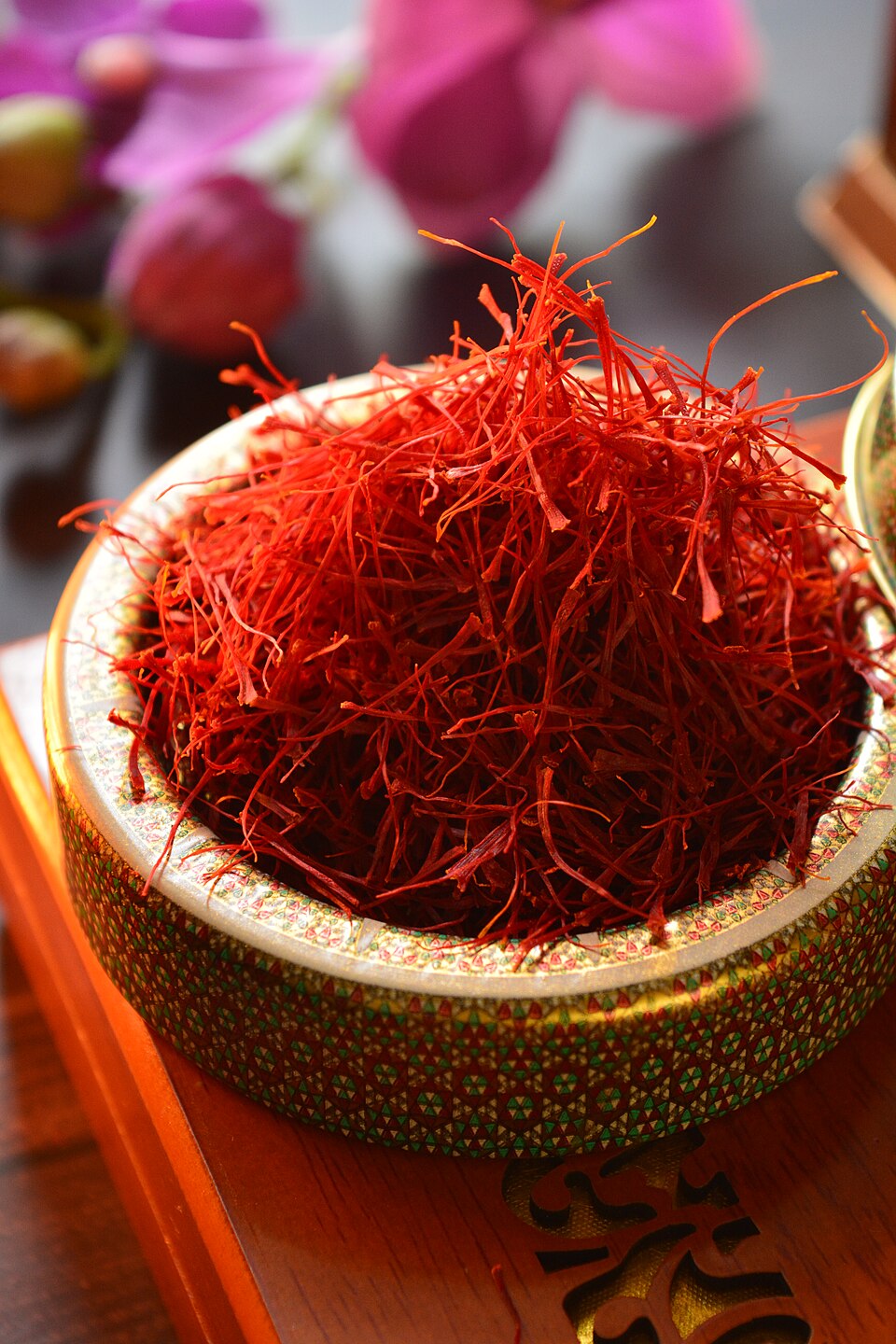
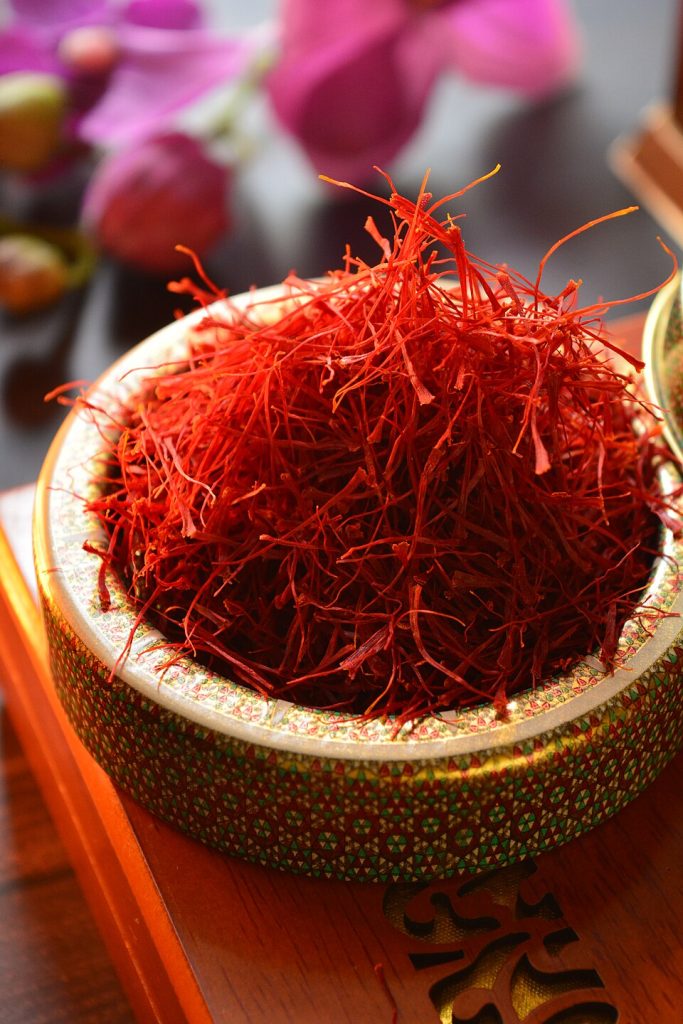
Saffron's legendary price comes from pure labor: each flower gives just three stigmas, and every thread is picked by hand. The plant behind the spice is a humble fall crocus, easy to grow and surprisingly generous. A small bed of corms multiplies on its own, and the purple flowers brighten the garden when little else blooms. Home growers will never match commercial yields, but a personal harvest of real saffron, dried and stored in a tiny jar, is one of gardening's great satisfactions.
Saffron sells for more per ounce than gold, which sounds like a reason to leave it to professionals. In truth, the price reflects labor, not difficulty. The spice is simply the dried stigmas of a fall-blooming crocus, three red threads per flower, and the plant itself is easy to grow. A home gardener with a sunny, well-drained spot can harvest real saffron in the first season. Learning how to grow saffron is mostly about planting the corms right and then picking the flowers on time.
The plant is Crocus sativus, hardy in zones 6 through 9. It needs a dry summer dormancy and enough winter cold, which rules out the deep South and the far North without protection. The USDA PLANTS Database documents the species. About 150 flowers make a single gram, so plant generously: twenty-five corms give a real harvest the first year, and the patch multiplies on its own.
Getting Started
When it comes to how to grow saffron, getting the details right makes all the difference.

Many homeowners find that how to grow saffron is easier than they expected once they know the basics.
Buy corms, not seed. Saffron crocus is sterile and does not come true from seed; every plant in the world is a division of ancient clones. Order corms from a reputable bulb supplier and plant them promptly on arrival.
Plant in the cool season, several weeks before hard frost, setting corms three to four inches deep and four inches apart. Point the flat basal plate down. Each corm can bloom in its first season, which is rare among bulbs and part of the fun. The grassy leaves emerge with or just after the flowers and feed next season's bloom through the cool months.
Rodents love the corms. If mice or voles patrol your garden, plant in wire baskets or line the bed with hardware cloth. The Old Farmer's Almanac bulb guides cover rodent protection that works for all fall-planted bulbs.
When and How to Plant
Many homeowners find that how to grow saffron is easier than they expected once they know the basics.
The key to how to grow saffron is choosing the right approach for your space and budget.
Plant corms in late summer to early fall, roughly six weeks before your first hard frost. They need time to root before the cold sets in, but they should not sit in warm, wet soil for months. In most of the country this means planting as summer heat breaks.
Do not plant in spring. Spring-planted corms sit through summer dormancy confused and often rot. Fall planting matches the plant's natural rhythm: root in fall, bloom in fall, grow leaves through winter and spring, rest in summer. Check your frost timing on the Old Farmer's Almanac planting calendar or our USDA zone planting calendar.
Let the patch multiply undisturbed for three to four years, then lift and divide the crowded corms in the dormant season. One planting becomes many.
Soil and Sun
The key to how to grow saffron is choosing the right approach for your space and budget.
With a little planning, how to grow saffron can fit even a busy schedule.
Full sun and excellent drainage. This is non-negotiable. Saffron demands gritty, sandy soil; heavy or soggy ground rots the corms. Raised beds are ideal. If your soil is clay, build a raised bed or amend heavily with coarse sand and fine gravel.
The soil need not be rich. Lean, well-drained soil suits saffron better than heavy compost. A light top-dressing of compost after the foliage dies back feeds the corms without waterlogging them. The Missouri Botanical Garden bulb notes emphasize drainage for crocus species, and the Lady Bird Johnson Wildflower Center profiles of native crocus relatives tell the same story.
Watering and Feeding
With a little planning, how to grow saffron can fit even a busy schedule.
Before you start, it helps to understand how how to grow saffron works in real homes.
Water once after planting, then leave them alone. Saffron thrives on dry conditions, and a dry dormant spell triggers better blooming. This is the rare crop where neglect is a technique. In regions with wet summers, the raised bed and sandy soil do the protective work.
During the fall growing season, natural rainfall is usually enough. Water only if the fall turns unusually dry and the leaves look stressed. Never fertilize heavily; a light compost top-dressing in the dormant season is plenty. Clemson Cooperative Extension notes that most bulbs prefer lean conditions, and saffron is firmly in that camp.
Care Through the Season
Before you start, it helps to understand how how to grow saffron works in real homes.
A good plan for how to grow saffron saves time, money, and frustration.
Weed by hand. The corms sit shallow, and a hoe can slice them. Mulch lightly with straw to suppress weeds, pulling the mulch back when flowers emerge so you can see them.
The grassy foliage grows through the cool months and dies back as summer approaches. Do not cut it early. The leaves are feeding the corm for next year's bloom. Let them yellow fully, then remove the dead foliage. Mark the bed so you do not dig into dormant corms in summer.
Watch for rodents, as noted, and for corm rot in wet soil. Good drainage prevents the rot. Beyond that, saffron has few pests. Deer ignore it. The Clemson Home & Garden Information Center bulb pages cover the same short pest list.
Fellow herb growers might enjoy lavender and rosemary in the same sunny, well-drained bed; all three want lean soil and little water.
Harvest
A good plan for how to grow saffron saves time, money, and frustration.
For most people, how to grow saffron comes down to a few smart choices.
Pick flowers the morning they open. This is the daily ritual of saffron season, and it lasts a few weeks. Walk the bed each morning, pick every open bloom, and pluck the three red stigmas the same day. Delay dulls the flavor. Use tweezers if your fingers are clumsy; speed matters less than same-day handling.
Dry the threads on paper in a warm, dark spot. A cupboard shelf works. They are done when they feel dry and brittle. Store in a tiny airtight jar away from light. Properly dried saffron keeps its potency for a year or more, though most home harvests get used long before that.
A first-year planting of twenty-five corms yields a modest but real harvest: enough for several batches of rice or paella. Let the patch multiply and the harvest grows each year without new planting.
Saffron Through the Seasons
For most people, how to grow saffron comes down to a few smart choices.
If you are new to how to grow saffron, start with the simplest option and build from there.
Late summer is planting time. Set corms three to four inches deep in warm, dry soil, weeks before hard frost. Water once to settle them, then leave them alone. The corms root in the cooling soil and wait. Mark the bed clearly; the bare ground looks empty, and an unmarked bed invites accidental digging.
Fall brings the bloom, often within weeks of planting. Walk the bed each morning and pick every open flower. The grassy leaves emerge with the blooms and grow through the cool months, feeding next year's corms. Weed by hand, since the corms sit shallow and a hoe would slice them. This is the busy season: picking, plucking stigmas, and drying threads.
Winter and spring belong to the foliage. The leaves photosynthesize through the cool months, building the corm for next fall's bloom. Do not cut them early, no matter how untidy they look. Let them yellow fully in late spring, then remove the dead foliage.
Summer is dormancy. The bed sits dry and empty, and that dry rest triggers better blooming. Do not water. Do not dig. Lift and divide crowded corms every three to four years during this dormant rest, replanting the largest.
Cooking With Your Saffron
If you are new to how to grow saffron, start with the simplest option and build from there.
When it comes to how to grow saffron, getting the details right makes all the difference.
A little saffron goes a long way. Steep a pinch of threads in warm water or broth for twenty minutes before adding to rice, paella, or risotto; the liquid turns golden and carries the flavor evenly. The taste is floral and earthy, impossible to mistake once you know it. Store dried threads in a tiny airtight jar away from light, where they keep their strength for a year or more. Most home harvests get used long before that, because once you have real saffron, you find excuses to cook with it.
Troubleshooting
When it comes to how to grow saffron, getting the details right makes all the difference.
No flowers in the first fall usually means the corms were planted too late to root, too shallow, or in soil that stayed wet. Check drainage first; it is the cause of most saffron failures. Corms that vanish were likely eaten; use wire protection next time.
Weak bloom in later years means crowding. Lift and divide every three to four years in the dormant season. Rotting corms mean wet soil; rebuild the bed with more grit.
In zones 1 through 5, winter cold freezes the corms without deep mulch or a cold frame. In zones 10 through 13, winters never chill the corms enough for good bloom. Saffron is honest about its range: zones 6 through 9, dry summers, real winters. The USDA National Agricultural Library indexes saffron research for growers who want the science, and Gardenia.net gives straightforward climate notes.
Corms that produce leaves but no flowers were likely planted too shallow or missed their dry dormancy. Check planting depth and keep summer water away from the bed. Weak bloom in an old patch means crowding; lift and divide.
If flowers open but stigmas look pale, the blooms were picked late or dried in light. Pick the morning each flower opens, pluck the threads the same day, and dry in darkness. Freshness at picking determines quality more than any other factor.
Rodents can wipe out a planting in a season. If corms vanish, replant in wire baskets or line the bed with hardware cloth. The protection is permanent and worth the trouble.
References
Many homeowners find that how to grow saffron is easier than they expected once they know the basics.
Clemson University Cooperative Extension. (n.d.). Home & Garden Information Center. https://hgic.clemson.edu/
Missouri Botanical Garden. (n.d.). Plant finder. https://www.missouribotanicalgarden.org/
U.S. Department of Agriculture. (n.d.). PLANTS database. https://plants.usda.gov/home
University of Minnesota Extension. (n.d.). Yard and garden. https://extension.umn.edu/
Was this guide helpful?

About My Garden US
The My Garden US editorial team writes practical, in-depth home and garden guides for American homeowners — tested advice, no fluff.