Hazelnuts are the home orchard's best-kept secret: compact shrubs (not giant trees), hardy across most of the country, tolerant of shade and poor soil, and productive within a few years. Learning how to grow hazelnuts comes down to one essential rule - plant two different varieties for cross-pollination, or you will get no nuts at all.
Table of Contents
Table of Contents

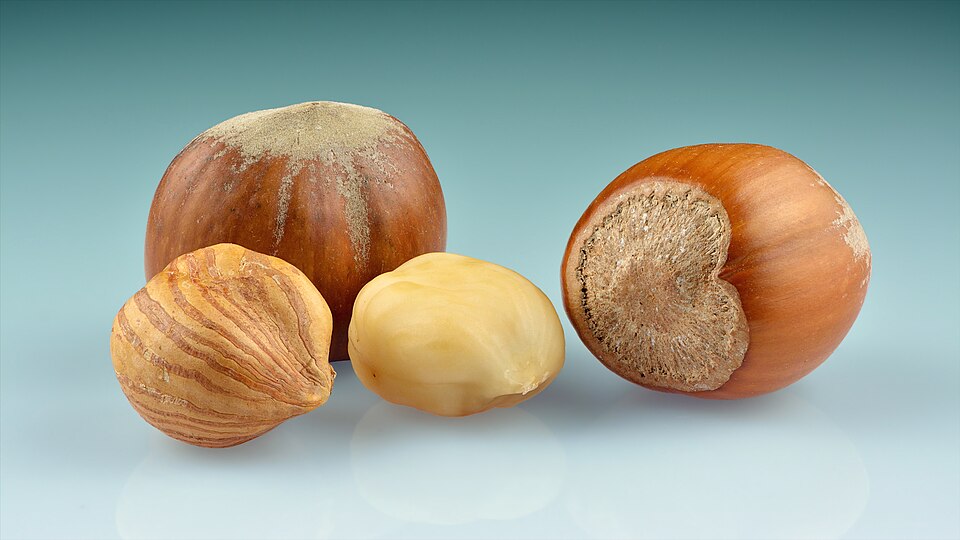
Photo: Wikimedia Commons
Hazelnuts (Corylus americana and hybrids) suit zones 4 through 9, handling cold, shade, and average soil with ease. They naturally grow as suckering shrubs 8 to 12 feet tall - far more manageable than walnuts or pecans. Check the USDA zone planting dates on our planting calendar to time spring planting.
Choosing Varieties
When it comes to how to grow hazelnuts, getting the details right makes all the difference.

Many homeowners find that how to grow hazelnuts is easier than they expected once they know the basics.
This is the critical decision: hazelnuts are not self-fertile, so you must plant two compatible varieties that bloom at the same time. East of the Rockies, plant the native American hazelnut (Corylus americana) or American-European hybrids - the American species resists eastern filbert blight, the disease that kills European varieties outright. Named American selections and hybrid varieties from specialist nurseries offer larger nuts than wild seedlings. Gardenia.net profiles hazelnut varieties for home plantings.
Buy from a nursery that sells named, compatible pairs - reputable sellers list which varieties pollinate each other. Avoid generic "hazelnut" seedlings of unknown parentage; they may be incompatible, late to bear, or blight-susceptible. Two plants are the minimum; three or four of two varieties give better pollination and a more generous harvest. For a mixed native hedgerow, interplant with serviceberry, another tough native fruit that shares hazelnut's easygoing nature. If you also grow elderberries, you will find hazelnuts similarly easygoing - tough native shrubs that produce with minimal fuss.
When and How to Plant
Many homeowners find that how to grow hazelnuts is easier than they expected once they know the basics.
The key to how to grow hazelnuts is choosing the right approach for your space and budget.
Plant bare-root or container shrubs in early spring, as soon as the soil can be worked. Space plants 10 to 15 feet apart - closer than most nut trees, since these are shrubs. Dig a hole twice as wide as the root ball but no deeper, set the plant at the same depth it grew in the nursery, and water deeply.
Mulch three inches deep in a wide ring to hold moisture and suppress weeds, keeping mulch away from the stems. Water well the first season; after that, established hazelnuts are fairly drought-tolerant. Plant the different varieties near each other - within 50 feet - since pollination is by wind and proximity matters. A hedgerow planting, with varieties alternating along the row, pollinates beautifully and looks good doing it. The Old Farmer's Almanac covers planting nut shrubs in hedgerows. The Old Farmer's Almanac includes hazelnuts among the easiest nut crops for home plantings, and the shrub form makes them far less intimidating than tree nuts.
Planting Cheat Sheet
- Plant in early spring, 10–15 feet apart.
- Buy TWO compatible varieties for cross-pollination.
- Choose American types east of the Rockies (blight resistance).
- Mulch well and water the first season.
Soil and Sun
The key to how to grow hazelnuts is choosing the right approach for your space and budget.
With a little planning, how to grow hazelnuts can fit even a busy schedule.
Full sun to part shade - hazelnuts are among the most shade-tolerant nut producers, fruiting reasonably even with a half day of sun. Well-drained loam is ideal, but they tolerate clay, sand, and average fertility without complaint. Good drainage matters more than richness; roots in standing water decline.
A pH near neutral suits them, though they tolerate a range. Unlike fussier fruit trees, hazelnuts do not demand deep, perfect soil - their native habitat is woodland edges and thickets, not pampered orchards. Mulch to keep roots cool and moist, especially in the first years; a cool root run is one of the quiet secrets of productive hazelnuts, noted in Clemson Cooperative Extension nut-tree guidance. The Missouri Botanical Garden details American hazelnut's native range.
Watering and Feeding
With a little planning, how to grow hazelnuts can fit even a busy schedule.
Before you start, it helps to understand how how to grow hazelnuts works in real homes.
Water well at planting and through the first season, then taper off - established hazelnuts handle moderate drought, though nut fill is better with steady moisture in dry summers. Deep, infrequent watering beats frequent sprinkles. In prolonged drought during nut development, a deep soaking improves kernel fill noticeably.
Feed lightly, if at all. A balanced fertilizer in early spring helps young plants in poor soil; mature shrubs in decent ground need nothing. Too much nitrogen pushes leafy sucker growth at the expense of nuts. A yearly top-dressing of compost under the mulch is the gentlest, most effective feeding - and often all that is needed.
Care Through the Season
Before you start, it helps to understand how how to grow hazelnuts works in real homes.
A good plan for how to grow hazelnuts saves time, money, and frustration.
Prune to manage the suckering habit: hazelnuts naturally send up thickets of stems from the base. For a tree form, select three to five strong stems and remove the rest annually; for a wildlife hedge, let them thicket. Either way, remove weak, crossing, and dead wood in late winter when the structure is visible.
Coppice older stems every few years to keep bushes productive - cut the oldest stems to the ground in winter, and vigorous young replacements shoot up. This renewal pruning keeps the planting young indefinitely and controls the suckers that would otherwise spread across the yard. It is the same technique used for centuries in European hazel coppices, and it works as well in an American backyard.
Watch for filbert worm in the nuts (the larvae eat the kernels) - prompt harvest and cleanup reduce damage. Japanese beetles may skeletonize leaves in some regions; handpick or use traps away from the planting. Eastern filbert blight is the serious disease, but American hazelnuts resist it - another reason to plant the native species east of the Rockies. Squirrels, of course, consider your hazelnuts their hazelnuts; netting or early harvest is the only real defense.
The Pollination Requirement
Because hazelnuts are wind-pollinated and self-incompatible, variety selection is everything. The male catkins shed pollen in late winter, before the tiny red female flowers emerge - pollination happens on warm late-winter days, so a sheltered site that warms early helps. If your shrubs flower but never set nuts, the varieties are incompatible or blooming weeks apart. Buy named, compatible pairs from a specialist nursery and this problem never arises.
Harvest
A good plan for how to grow hazelnuts saves time, money, and frustration.
For most people, how to grow hazelnuts comes down to a few smart choices.
Expect nuts three to five years after planting - fast for a nut crop. Harvest when the husks brown and the nuts drop, gathering promptly from the ground every few days. Do not wait for a big accumulation; nuts left on damp ground mold, and squirrels harvest continuously.
Dry the nuts in their shells in a warm, airy spot for several weeks before cracking - properly dried kernels are sweeter and keep far longer. Spread them in a single layer on screens or trays, turning occasionally, and do not rush the process; nuts that seem dry outside can still hold moisture inside. The old test still works: crack one and bite - a fully dried kernel snaps cleanly instead of bending. Well-dried nuts keep for months in a cool, dry place. Crack with a nutcracker (hazelnut shells are thinner than walnuts, thankfully) and eat fresh, roast, or grind for baking. Homegrown hazelnuts, eaten within weeks of harvest, have a creamy sweetness that old store nuts cannot match.
For the biggest harvests, pick up fallen nuts daily during the drop season - a small investment of time that dramatically increases your take versus the squirrels. Some gardeners lay tarps under the shrubs to make gathering fast. If you have children, make nut-gathering a game with a prize for the fullest basket; daily harvests happen far more reliably when small hands are competing for them.
Troubleshooting
For most people, how to grow hazelnuts comes down to a few smart choices.
If you are new to how to grow hazelnuts, start with the simplest option and build from there.
Shrubs flower but never set nuts. Incompatible varieties, a single plant, or bloom times that do not overlap. Plant two compatible named varieties near each other.
Suckers everywhere. Normal for hazelnuts. Prune unwanted suckers at the base annually, or coppice on rotation to keep the planting productive and contained.
Nuts are empty or wormy. Filbert worm - harvest promptly, clean up all fallen nuts, and do not leave unharvested nuts on the shrubs over winter.
Leaves skeletonized. Japanese beetles. Handpick in the cool of morning, or set traps at a distance (traps near the planting attract more beetles to it).
Dieback and cankers on European varieties. Eastern filbert blight - this is why you plant American hazelnuts east of the Rockies. Remove and destroy affected wood; replace susceptible varieties with resistant ones.
Squirrels take everything. Net the shrubs as nuts ripen, harvest daily, or accept a wildlife tax - a few shrubs planted for the squirrels away from your main planting can distract them, sometimes. Motion-activated sprinklers also work, and amuse the neighbors.
Few nuts on young shrubs. Patience - three to five years to real crops is normal. Ensure the varieties are compatible and planted close enough for wind pollination.
For gardeners in zones 4 through 9 who want homegrown nuts without a 60-foot tree, learning how to grow hazelnuts is the answer: compact shrubs, early bearing, tolerance of shade and poor soil, and crops within a few years. Plant two compatible American varieties, manage the suckers, and gather the nuts before the squirrels do. In a few short years you will be cracking your own harvest - and wondering why you waited so long to plant them.
References
If you are new to how to grow hazelnuts, start with the simplest option and build from there.
When it comes to how to grow hazelnuts, getting the details right makes all the difference.
Clemson Cooperative Extension. (n.d.). Hazelnut. Clemson University. https://hgic.clemson.edu/
USDA National Agricultural Library. (n.d.). Fruit and tree nut resources. U.S. Department of Agriculture. https://www.nal.usda.gov/
Missouri Botanical Garden. (n.d.). Corylus americana. https://www.missouribotanicalgarden.org/
Old Farmer's Almanac. (n.d.). Growing nut trees. Yankee Publishing. https://www.almanac.com/
When it comes to how to grow hazelnuts, getting the details right makes all the difference.
Was this guide helpful?

About My Garden US
The My Garden US editorial team writes practical, in-depth home and garden guides for American homeowners — tested advice, no fluff.