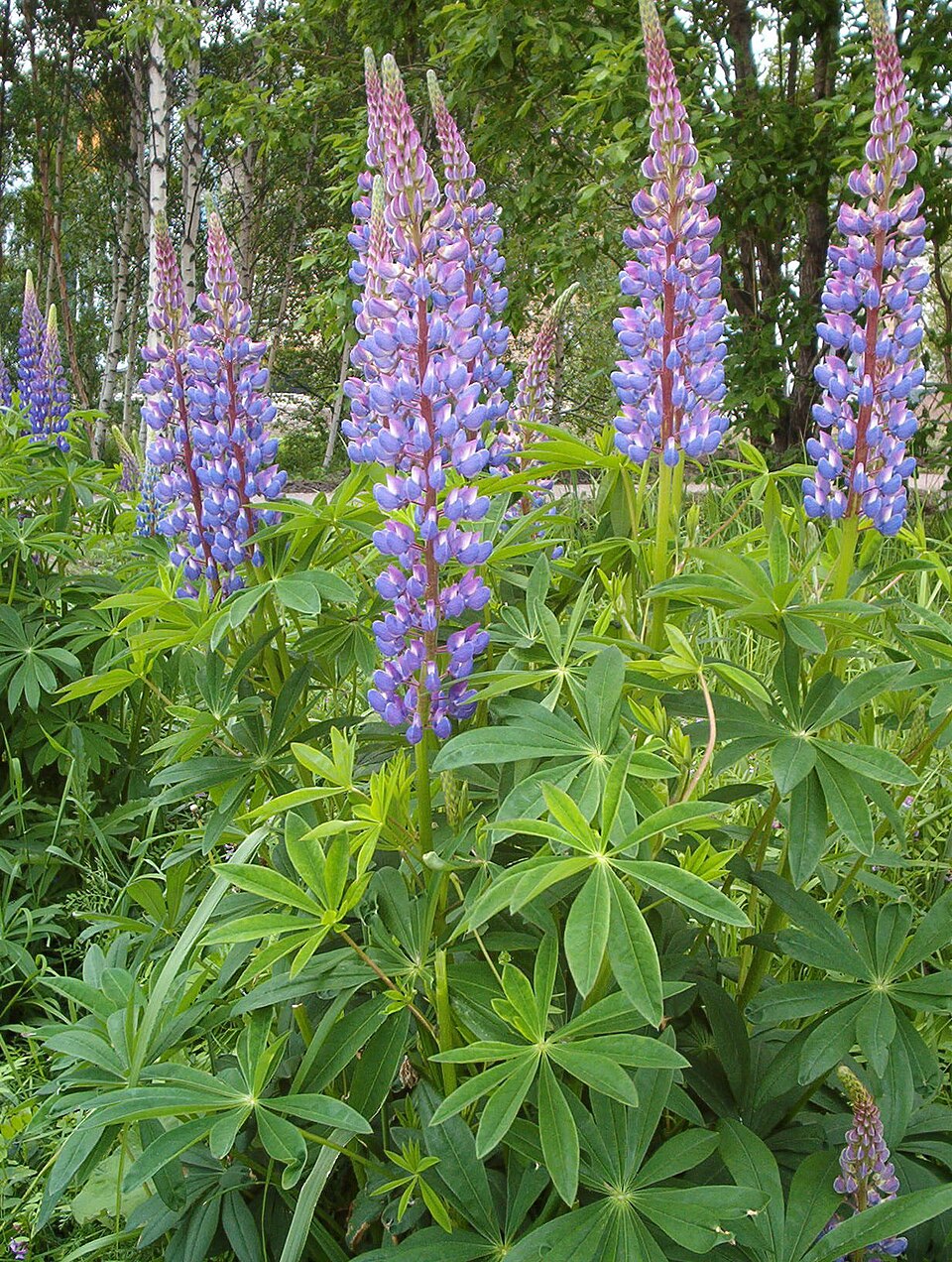
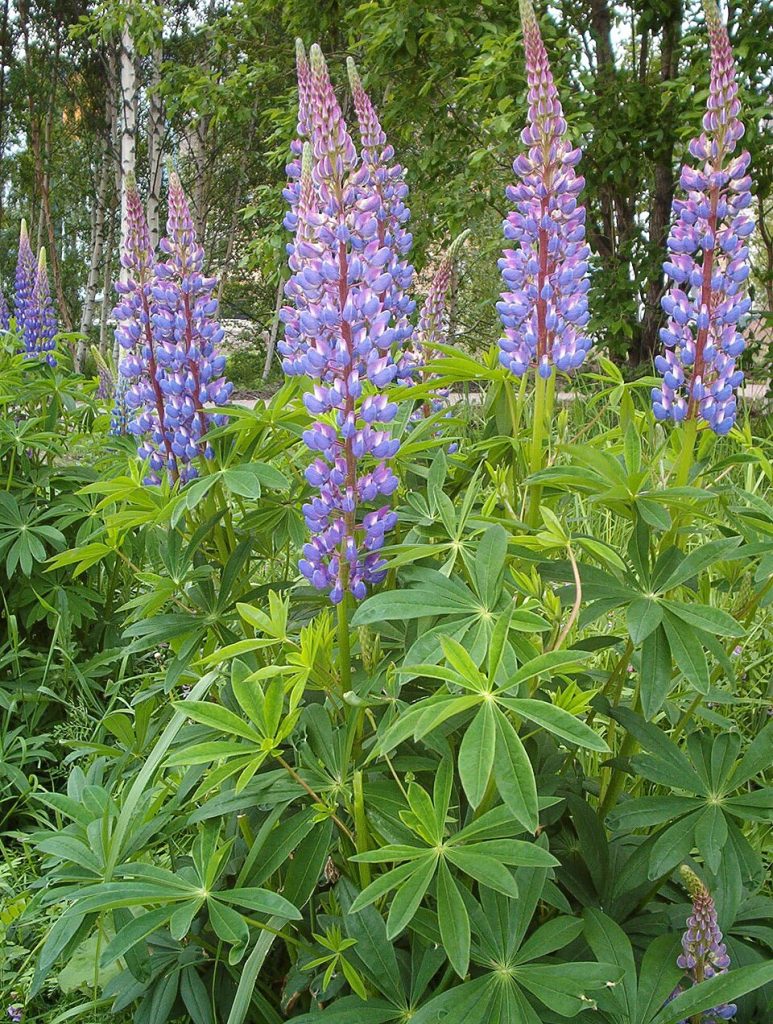
Few sights match a drift of lupines in full bloom - tall spires of blue, pink, purple, and white rising over palmate leaves, humming with bees. These are cool-climate perennials at heart, happiest where summers stay mild and winters bring real cold. Learning how to grow lupines means respecting their preferences: direct sow for the taproot, skip the fertilizer, and accept that in hot regions they are glorious but short-lived.
Table of Contents
Table of Contents

Photo: Wikimedia Commons
Lupines (Lupinus polyphllus and hybrids) suit zones 4 through 8 and need full sun to part shade with well-drained, slightly acidic soil. They need winter chill and decline in sustained heat - mildew and heat kill them in zones 9 and warmer. Check the USDA zone planting dates on our planting calendar and be realistic about your summers.
Choosing Varieties
When it comes to how to grow lupines, getting the details right makes all the difference.

Many homeowners find that how to grow lupines is easier than they expected once they know the basics.
Russell hybrids are the classic tall lupines - the ones in every cottage-garden photograph - with dense spires in every color. The Gallery series offers compact plants (under two feet) in solid colors, better for small borders and containers. 'Gallery Red', 'Gallery Blue', and 'Gallery Yellow' are widely available and reliably uniform. For a naturalistic look, the straight species Lupinus polyphyllus gives blue-violet spires and self-sows gently.
Buy seed for economy - a packet sows a drift - or potted plants in spring for first-year flowers. Seed-grown plants vary in color, which many gardeners love in a mixed drift; for exact colors, buy named varieties as plants. Gardenia.net compares lupine series with color photos. When you are learning how to grow lupines, starting with a packet of Russell hybrid seed is the classic, cheapest route to a spectacular display. They pair beautifully with foxglove and delphinium for a layered cottage-border look.
When and How to Plant
Many homeowners find that how to grow lupines is easier than they expected once they know the basics.
The key to how to grow lupines is choosing the right approach for your space and budget.
Sow lupine seeds directly where they will grow - the long taproot makes transplanting seedlings a gamble. Nick the hard seed coat with a nail file or soak seeds overnight for faster, more even germination; this scarification is the key step most beginners skip. Sow a quarter inch deep in early spring, about two weeks before your last spring frost, or in fall for natural stratification. Space plants about a foot apart.
You can start seeds indoors six weeks before the last frost in deep pots or biodegradable cells that minimize root disturbance - but direct sowing is more reliable. Transplant purchased nursery plants in spring, handling the root ball gently and planting at the same depth. Water in well. Fall-sown seed often produces the sturdiest plants, since the taproot establishes over winter before top growth begins. The Old Farmer's Almanac recommends direct sowing for taprooted perennials, and lupine is the textbook example. The USDA PLANTS Database describes lupine's native habitat and needs.
Sowing Cheat Sheet
- Direct sow where plants will grow - avoid transplanting.
- Scarify: nick the seed coat or soak overnight.
- Sow 1/4 inch deep, 12 inches apart, in early spring or fall.
- Full sun, well-drained slightly acidic soil; no fertilizer needed.
Soil and Sun
The key to how to grow lupines is choosing the right approach for your space and budget.
With a little planning, how to grow lupines can fit even a busy schedule.
Full sun to part shade, in well-drained, slightly acidic soil. Lupines fix their own nitrogen through root nodules, so skip the fertilizer entirely - feeding produces lush foliage with fewer flowers and weaker plants. This nitrogen-fixing is a genuine soil benefit: lupines improve the ground for whatever follows them, a trait they share with other legumes.
Good drainage matters; crowns rot in soggy winter soil. A pH on the acidic side of neutral (around 6.0 to 6.5) suits them best, though they tolerate a range. In heavy clay, plant on a slight mound with gritty soil mixed in - that small lift makes the difference between thriving crowns and rotted ones after a wet winter. Afternoon shade in hot regions extends the bloom and reduces heat stress, but deep shade produces leggy, flowerless plants - aim for morning sun at minimum. Clemson Cooperative Extension notes pH preferences for lupines in the Southeast.
Watering and Feeding
With a little planning, how to grow lupines can fit even a busy schedule.
Before you start, it helps to understand how how to grow lupines works in real homes.
Water regularly the first season while the taproot establishes; established plants handle moderate drought but bloom best with steady moisture. Deep, infrequent watering encourages the taproot to grow down. In hot, dry spells, a deep weekly soaking keeps the display going - mulch helps, but keep mulch away from the crowns.
Never fertilize. This bears repeating because it is the most common lupine mistake: nitrogen fertilizer produces big soft plants that flop, mildew, and die young. The plants make their own nitrogen. If growth is truly poor, the problem is almost always drainage, pH, or heat - not hunger.
Care Through the Season
Before you start, it helps to understand how how to grow lupines works in real homes.
A good plan for how to grow lupines saves time, money, and frustration.
Deadhead spent spikes promptly - cut the flower stem back to the foliage as soon as the top florets fade. This prevents self-sowing (seedlings vary in color and can crowd the planting) and often triggers a smaller second bloom from side shoots. It is the single most productive chore in how to grow lupines for a long season of color.
Watch for aphids coating the stems and buds - they love lupines. Blast them off with a strong spray of water every few days; ladybugs and other beneficials usually arrive to help if you avoid broad-spectrum sprays. Powdery mildew strikes in humid, crowded plantings; space generously, water at the base, and remove badly affected leaves. Affected foliage looks shabby but rarely kills an established plant - still, clean it up so spores do not overwinter and return stronger next season. In hot, humid regions, lupines are short-lived no matter what you do - treat them as glorious but temporary, and sow fresh seed every couple of years.
Planning for Succession
Treat lupines as short-lived perennials of three to four years, and sow fresh seed every couple of years so new plants are always coming along as old ones fade. This rolling succession is how experienced gardeners keep lupines in the border indefinitely: each spring, tuck a few new seedlings among the established clumps. The young plants fill gaps as veterans decline, and the display never has a gap year. Mark sowing spots so you do not weed out the babies.
Harvest and Enjoyment
A good plan for how to grow lupines saves time, money, and frustration.
For most people, how to grow lupines comes down to a few smart choices.
Cut flower spikes when the lower florets open for dramatic tall arrangements - they are among the showiest cut flowers in the garden. Cut in the morning, strip the lower leaves, and condition in deep water; expect about a week of vase life. For the longest display, cut spikes at different stages - tight buds, half open, and fully open - so the arrangement evolves as the buds continue to open indoors over several days. The more you cut, the more side shoots bloom, so a cutting patch doubles as deadheading.
Let a few spikes mature seed if you want volunteers - but note that seedlings vary in color, so self-sown patches drift toward mixed shades over time. Collect seed pods when they rattle, dry them fully, and store in a cool, dry place; lupine seed stays viable for years, and a saved jar means free drifts forever.
In the border, lupines shine at the back or middle, rising behind columbine and coral bells. Their bold vertical spires contrast with mounded and feathery neighbors - the architectural backbone of the early-summer border. For continuous vertical accent after the lupines fade, plant delphinium nearby; the two hand off the tower-of-color role as the season progresses, keeping the back of the border dramatic for months.
Troubleshooting
For most people, how to grow lupines comes down to a few smart choices.
Seeds never germinated. The hard coat was not scarified, or they dried out. Nick or soak seeds, keep moist, and be patient - two to three weeks is normal.
Seedlings died after transplanting. Taproot disturbance - the classic lupine failure. Direct sow instead, or transplant only very young seedlings in biodegradable pots.
Plants are all leaves, no flowers. Too much nitrogen or too little sun. Stop feeding (forever - they do not need it) and ensure at least six hours of sun.
Aphids cover the stems. Blast off with water every few days; beneficial insects usually take over. Avoid broad-spectrum insecticides that kill the predators.
Mildew coats the leaves. Humid, crowded conditions. Space 12 inches apart, water at the base in the morning, and accept that humid regions shorten lupine life.
Plants died in summer heat. Lupines are cool-climate plants; zones 9 and warmer exhaust them. In hot regions, grow as a spring annual from fall sowing, or choose heat-tolerant alternatives.
Slugs ate the seedlings. Young lupine shoots are slug candy. Protect spring seedlings with traps or barriers until they are sturdy; established plants are rarely bothered.
For gardeners in zones 4 through 8 with cool summers and well-drained soil, learning how to grow lupines delivers one of the garden's great spectacles - towering spires of color, bees by the dozen, and soil that improves just by hosting them. Direct sow, scarify the seed, deadhead the spikes, and replant every few years. The bees will thank you, and so will the soil.
References
If you are new to how to grow lupines, start with the simplest option and build from there.
Lady Bird Johnson Wildflower Center. (n.d.). Lupinus polyphyllus. https://www.wildflower.org/plants/
Missouri Botanical Garden. (n.d.). Lupinus polyphyllus. https://www.missouribotanicalgarden.org/
University of Minnesota Extension. (n.d.). Growing perennials in home gardens. University of Minnesota. https://extension.umn.edu/
Old Farmer's Almanac. (n.d.). Growing lupines. Yankee Publishing. https://www.almanac.com/
USDA PLANTS Database. (n.d.). Lupinus polyphyllus. U.S. Department of Agriculture. https://plants.usda.gov/home
When it comes to how to grow lupines, getting the details right makes all the difference.
Was this guide helpful?

About My Garden US
The My Garden US editorial team writes practical, in-depth home and garden guides for American homeowners — tested advice, no fluff.