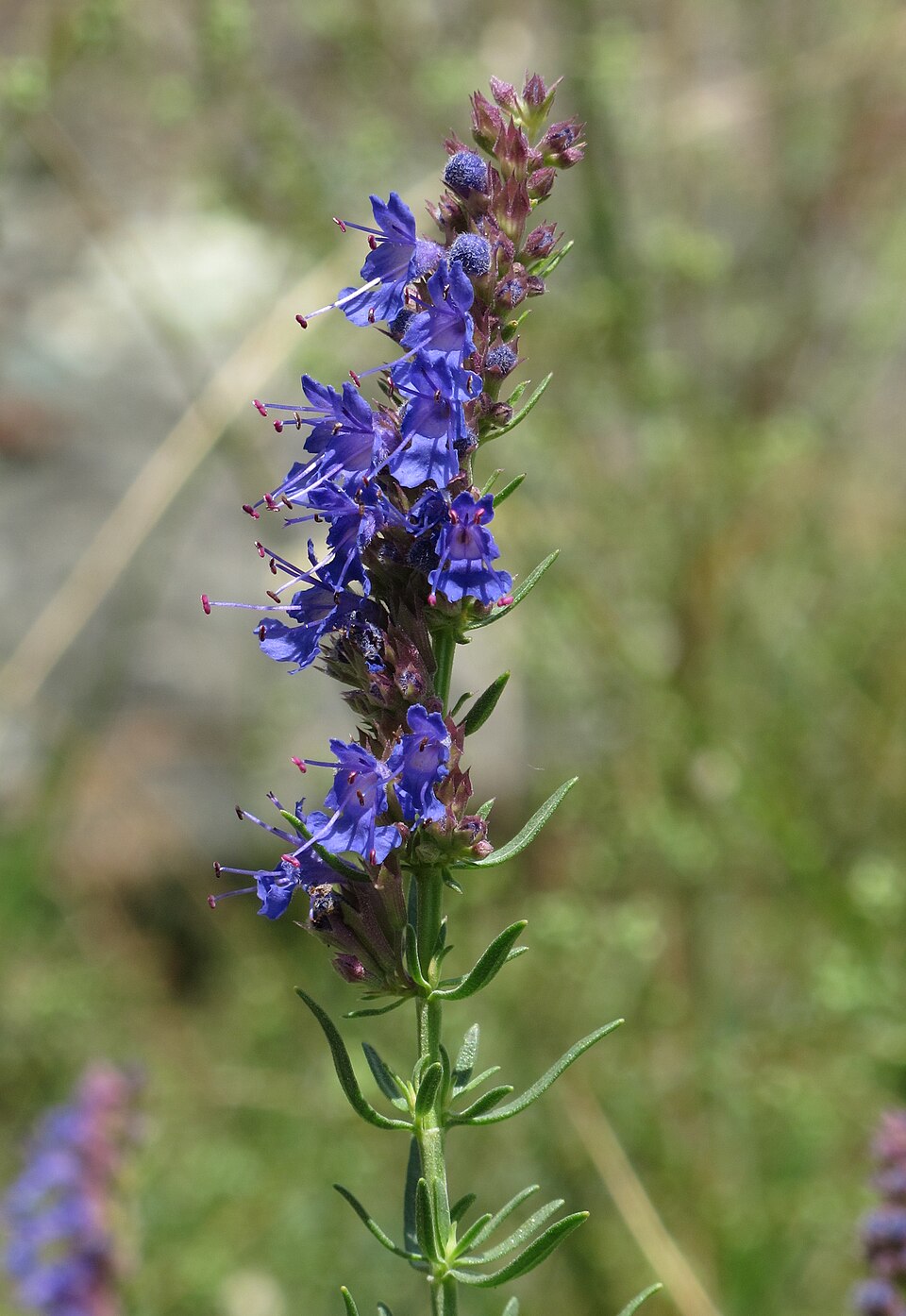
Hyssop is the herb garden's quiet workhorse - a woody-based perennial that forms a neat, semi-evergreen mound, blooms blue-violet spikes that bees mob, and asks for almost nothing in return. It has seasoned food, scented teas, and edged herb beds for centuries. Learning how to grow hyssop gives you a plant that is equal parts herb, ornamental, and pollinator magnet.
Table of Contents
Table of Contents

Photo: Wikimedia Commons
Hyssop (Hyssopus officinalis) is hardy in zones 3 through 9, where it thrives in full sun and sharp drainage. It dislikes wet feet, especially in winter, and the humidity of the warmest zones rots its woody crowns - this is a plant for gardeners with real winters and decent drainage. Check the USDA zone planting dates on our planting calendar to time your spring planting.
Choosing a Variety
When it comes to how to grow hyssop, getting the details right makes all the difference.

Many homeowners find that how to grow hyssop is easier than they expected once they know the basics.
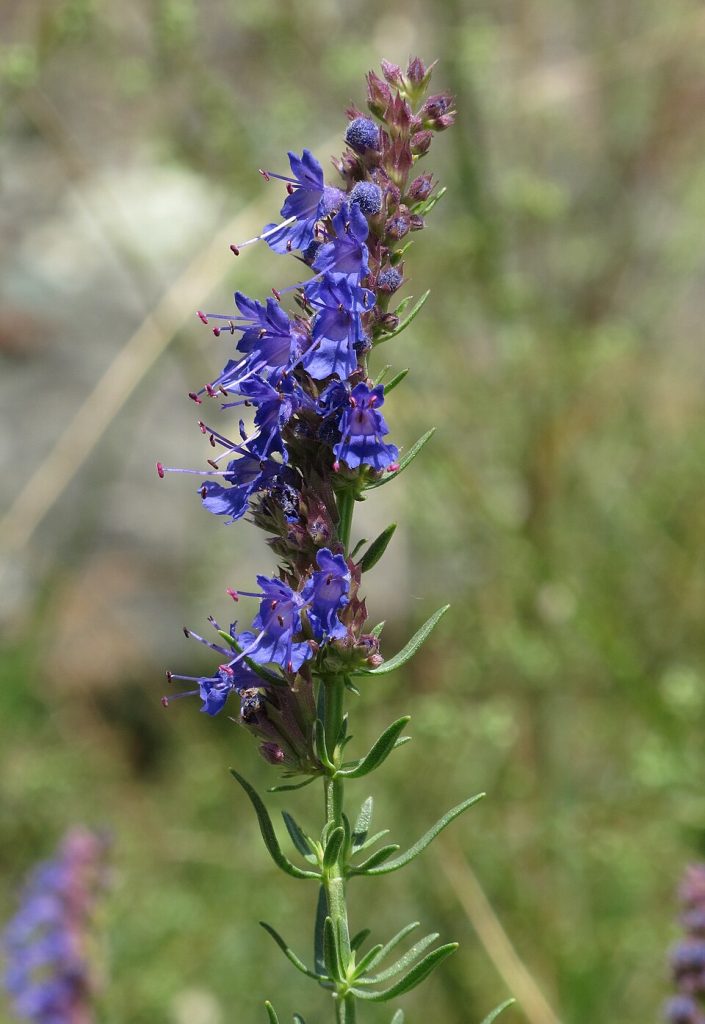
The straight species, with blue-violet flowers, is the classic culinary and tea herb - and the toughest. Pink-flowered and white-flowered (Albus) forms offer color variations for ornamental plantings, with the same growth habit and nearly the same flavor. For a low hedge or edging, the species grown from seed gives you the most plants for the money; a single packet sows a long edging row.
Buy small potted plants in spring for instant impact, or start from seed - hyssop germinates readily and grows quickly. Do not confuse true hyssop with anise hyssop (Agastache), a different plant entirely; if you grow both, our guide on how to grow anise hyssop covers its taller, mint-scented cousin. For cooking, the species type has the strongest, most traditional flavor. Gardenia.net profiles hyssop forms for herb gardens.
When and How to Plant
Many homeowners find that how to grow hyssop is easier than they expected once they know the basics.
The key to how to grow hyssop is choosing the right approach for your space and budget.
Sow seeds indoors about six weeks before your last spring frost, a quarter inch deep, or direct sow after the frost date when the soil has warmed. Germination takes one to two weeks. Transplant seedlings about a week after the last frost, spacing plants 12 inches apart - they bush out into mounds about 18 inches wide.
You can also root stem cuttings in summer: snip 4-inch non-flowering shoots, strip the lower leaves, and stick them in moist sand or perlite. They root in a few weeks and give you exact copies of a favorite plant. Fall planting works in mild climates, but spring is safer where winters are wet - young plants need established roots before facing their first cold, soggy season. The Old Farmer's Almanac includes hyssop in its perennial herb guides. The Old Farmer's Almanac lists hyssop among the easiest perennial herbs to establish.
Planting Cheat Sheet
- Start indoors 6 weeks before last frost, or direct sow after frost.
- Sow 1/4 inch deep; space transplants 12 inches apart.
- Full sun and sharp drainage are essential.
- Cuttings root easily in summer for free plants.
Soil and Sun
The key to how to grow hyssop is choosing the right approach for your space and budget.
With a little planning, how to grow hyssop can fit even a busy schedule.
Full sun and sharply drained soil - hyssop's two non-negotiables. It thrives in poor, even rocky soil and dislikes rich, moisture-holding ground, where the woody crowns rot in winter. Sandy or gravelly loam is ideal; heavy clay needs serious amendment with grit, or plant on a mound or in a raised bed.
A neutral to slightly alkaline pH suits it. Do not enrich the planting hole with rich compost - lean conditions grow tougher, longer-lived plants with stronger scent. This preference for poor soil is shared by thyme and lavender, its classic herb-bed neighbors, and the three make a superb drought-tolerant trio. Clemson HGIC recommends sharp drainage for Mediterranean herbs.
Watering and Feeding
With a little planning, how to grow hyssop can fit even a busy schedule.
Before you start, it helps to understand how how to grow hyssop works in real homes.
Water sparingly once established - hyssop is genuinely drought-tolerant and dislikes wet roots far more than dry ones. Water new plantings until they settle in, then let rainfall do the work; irrigate only in extended drought. Always water at the base, and never let the crown sit in soggy soil.
Do not fertilize. Feeding produces soft, leggy growth with weaker flavor and shorter-lived plants. If the soil is truly barren, a whisper of compost in spring is the maximum. Plants in lean, sunny spots live for many years; pampered plants often die within two or three.
Care Through the Season
Before you start, it helps to understand how how to grow hyssop works in real homes.
A good plan for how to grow hyssop saves time, money, and frustration.
Shear plants back by a third after flowering to keep them compact and prevent legginess - this one haircut is the whole maintenance program. Without it, hyssop grows woody and sprawling, with bare centers and floppy stems. With it, the plant stays a tidy mound that reblooms lightly and looks good all season.
In late fall or early spring, cut back any winter-damaged stems to healthy wood, but do not cut into old, leafless wood that shows no green - hyssop resprouts reluctantly from old wood. If a plant looks mostly dead in spring, wait: hyssop leafs out late, and many gardeners have composted a living plant that simply needed another few weeks of warmth. Every few years, replace woody, unproductive plants with young cuttings or divisions; hyssop is at its best in its first five or six years.
Hyssop has very few pest or disease problems. Root rot from wet soil is the main killer - a drainage issue, not a pest issue. Occasionally aphids cluster on flower buds; blast them off with water. Deer and rabbits generally leave the aromatic foliage alone, which makes hyssop valuable in gardens where tender herbs get eaten. In fact, a hyssop edging around a vegetable bed can help deter browsing animals from venturing further in, though a hungry deer will test anything.
Hyssop as a Low Hedge
Hyssop makes a superb low hedge for edging herb beds, staying tidy with one shearing a year. Plant in a row 12 inches apart, shear after flowering, and you get a formal-looking edging that also feeds bees and flavors tea. It is tougher and longer-lived than annual edgings, and cheaper than boxwood - a traditional use that still makes perfect sense. The USDA National Agricultural Library has resources on traditional herb garden design.
A Magnet for Bees and Butterflies
When hyssop blooms, the planting hums. Bees work the flower spikes relentlessly, and butterflies visit through the day - which is why experienced gardeners site hyssop where they can watch the show, near a path or patio rather than hidden at the back of the bed. Leaving the spent flower heads standing into fall extends the benefit: the seed heads feed small birds, and the woody structure gives the winter garden a bit of backbone. Few herbs pay their way in wildlife value the way hyssop does, and it asks nothing extra for the service.
Harvest
A good plan for how to grow hyssop saves time, money, and frustration.
For most people, how to grow hyssop comes down to a few smart choices.
Harvest the flowering tops just as the blooms open - that is when the aromatic oils peak - cutting stems back to leafy growth. Use fresh sprigs in teas and cooking, or dry in small bundles hung upside down in a dark, airy spot. Properly dried hyssop keeps its pungent, minty-bitter scent for months in sealed jars.
Use sparingly in cooking; the flavor is strong and can dominate a dish. A little chopped hyssop enlivens soups, stews, and salads the way sage does - as a background note, not the star. It is particularly good with beans and lentils, where its bitter edge cuts the richness. For tea, steep a teaspoon of dried tops per cup; it is traditionally taken for coughs and colds, though you should check with a health professional about medicinal use.
Harvest lightly from first-year plants and more boldly once established. Never strip more than a third of the plant at once, and always leave enough leafy growth for the plant to recover - especially going into fall, when the plant needs its foliage to harden off for winter.
Troubleshooting
For most people, how to grow hyssop comes down to a few smart choices.
If you are new to how to grow hyssop, start with the simplest option and build from there.
Plant died over winter. Wet soil, not cold, is the usual killer - hyssop is hardy to zone 3 but rots in soggy ground. Next time, plant in sharply drained soil or on a mound, and keep winter mulch pulled back from the crown.
Growth is leggy and floppy. Too much shade, water, or fertilizer - or never sheared. Cut back hard after flowering, move to full sun, and stop feeding.
Center of the plant died out. Old wood; hyssop gets woody with age. Replace with young plants every five or six years, or layer a low branch to root a replacement.
No flowers. Too young, too shady, or overfed. Hyssop blooms on the current season's growth in full sun; shade and nitrogen both suppress blooming.
Crown rot in humid climates. Zones 10 and warmer stay too humid for the woody crowns. In marginal areas, plant in the airiest, best-drained spot and accept a shorter-lived plant.
For gardeners in zones 3 through 9 with sun and drainage to spare, learning how to grow hyssop adds a triple-duty plant to the herb garden: culinary herb, bee forage, and tidy edging, all in one tough, drought-proof, long-lived package. It is the kind of plant that quietly becomes indispensable. Give it lean soil, shear it once a year, and it will be there every spring, humming with bees by midsummer, year after year.
References
If you are new to how to grow hyssop, start with the simplest option and build from there.
When it comes to how to grow hyssop, getting the details right makes all the difference.
Missouri Botanical Garden. (n.d.). Hyssopus officinalis. https://www.missouribotanicalgarden.org/
University of Minnesota Extension. (n.d.). Growing herbs in home gardens. University of Minnesota. https://extension.umn.edu/
Old Farmer's Almanac. (n.d.). Growing herbs. Yankee Publishing. https://www.almanac.com/
Gardenia.net. (n.d.). Hyssopus officinalis (Hyssop). https://www.gardenia.net/
When it comes to how to grow hyssop, getting the details right makes all the difference.
Was this guide helpful?

About My Garden US
The My Garden US editorial team writes practical, in-depth home and garden guides for American homeowners — tested advice, no fluff.
You May Also Like
How to Grow Betony: USA Gardener's Guide
October 17, 2026 16 views
How to Grow Rue: Blue-Gray Herb Mounds
November 16, 2026 6 views
Seed Starting Trays California Homes USA: A Practical Growing Guide
March 2, 2026 18 views