If you love the look of sunflowers but not their size or their one-and-done bloom, meet heliopsis - the false sunflower. This native perennial pumps out cheerful yellow daisies for months, shrugs off heat and humidity that flatten fussier flowers, and even tolerates clay soil. Learning how to grow heliopsis is straightforward: give it sun, give it room, and deadhead to keep the show going.
Table of Contents
Table of Contents

Photo: Wikimedia Commons
Heliopsis suits zones 3 through 9 and belongs in the middle or back of the border, where plants reach three to five feet tall. It needs a dormant winter, so it languishes in frost-free climates - this is a plant for gardeners who get real seasons. Line up your planting with the USDA zone planting dates on our planting calendar.
Choosing a Variety
When it comes to how to grow heliopsis, getting the details right makes all the difference.

Many homeowners find that how to grow heliopsis is easier than they expected once they know the basics.
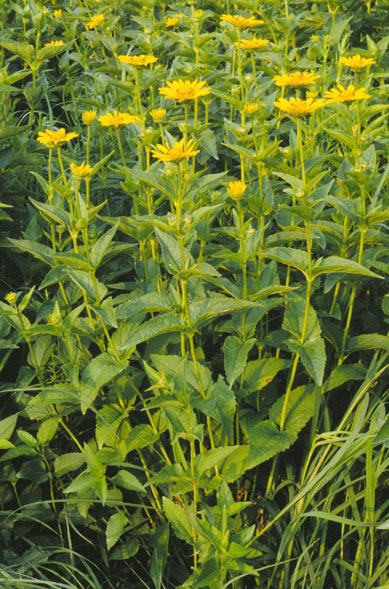
The straight species Heliopsis helianthoides is a sturdy, cheerful plant, but named varieties add refinement. 'Summer Sun' is the classic - large, semi-double golden flowers on strong stems. 'Tuscan Sun' stays more compact with vivid yellow blooms, a good choice for smaller borders. 'Summer Nights' brings dark burgundy stems and orange-yellow flowers for contrast, while 'Bressingham Doubloon' offers fully double blooms that look like small dahlias.
When you are learning how to grow heliopsis, pick one variety and plant it in a group of three or five - a drift makes far more impact than a single plant, and the varieties all share the same easy care. Buy potted plants in spring for flowers the first year, or start from seed for a cheaper but slower route. Gardenia.net has photos comparing the main heliopsis cultivars. Heliopsis mixes well with black-eyed Susans and coneflowers in a classic summer border.
When and How to Plant
Many homeowners find that how to grow heliopsis is easier than they expected once they know the basics.
The key to how to grow heliopsis is choosing the right approach for your space and budget.
Set out transplants about a week after your last spring frost, spacing them 18 inches apart - they fill in fast and need air circulation to stay healthy. You can also direct sow after the frost date, a quarter inch deep, though seed-started plants may take a season to hit full stride. Starting seeds indoors six weeks before the last frost gives you a head start and first-year blooms.
Dig each hole as deep as the pot and twice as wide, set the plant at the same depth it grew in the container, and water well. Unlike fussy perennials, heliopsis tolerates heavy clay and still blooms abundantly - a genuine virtue in regions where amending whole beds is impractical. The Old Farmer's Almanac lists it among dependable perennials for sunny sites, and the Lady Bird Johnson Wildflower Center notes its native toughness.
Planting Cheat Sheet
- Transplant 1 week after last spring frost, 18 inches apart.
- Direct sow 1/4 inch deep after frost, or start indoors 6 weeks early.
- Tolerates clay; just avoid spots where water stands.
- Water well at planting; mulch lightly the first season.
In regions with heavy clay, planting on a slight mound - just a few inches higher than the surrounding grade - gives crowns the drainage they need while the deep roots still reach the clay's moisture and nutrients below. This simple trick lets heliopsis thrive in soils where many perennials rot, and it costs nothing but a few minutes with a shovel at planting time.
Soil and Sun
The key to how to grow heliopsis is choosing the right approach for your space and budget.
With a little planning, how to grow heliopsis can fit even a busy schedule.
Full sun is non-negotiable for the best bloom - at least six to eight hours of direct light. Plants in shade stretch, flop, and flower poorly. Average to clay soil is fine; heliopsis is one of the few perennials that genuinely tolerates heavy clay, though it still needs drainage - soggy, waterlogged spots rot the crowns.
Here is the counterintuitive part: lean soil is better than rich soil. Fertile, heavily fed ground produces tall, lush, floppy plants that need staking, while average soil grows sturdier, self-supporting stems. If your soil is very rich, skip the compost and fertilizer entirely. A neutral pH suits it, but heliopsis is not picky. This preference for lean conditions is shared by blanket flower, another sun-lover that blooms best when not pampered.
Watering and Feeding
With a little planning, how to grow heliopsis can fit even a busy schedule.
Before you start, it helps to understand how how to grow heliopsis works in real homes.
Water during the first season so roots establish, and during extended drought after that - but established plants are quite tough and handle dry spells that stress other perennials. Deep, infrequent watering beats daily sprinkles; it encourages roots to grow down where the soil stays cool and moist.
Never fertilize, or do it only very lightly in truly poor soil. Feeding is the fastest way to get floppy heliopsis - the extra nitrogen grows weak, leggy stems that collapse at the first summer storm. If your plants flop every year despite lean soil, the fix is usually a midsummer shearing rather than a stake: cut the whole plant back by half in early summer, and it regrows shorter, bushier, and sturdier.
Care Through the Season
Before you start, it helps to understand how how to grow heliopsis works in real homes.
A good plan for how to grow heliopsis saves time, money, and frustration.
Deadhead to extend the long summer bloom season - snipping spent flowers before they set seed keeps new buds coming for weeks. Or shear the whole plant back by half in midsummer for a later, more compact show; the second flush often looks better than the first. Both techniques work; deadheading is tidier, shearing is faster.
Stake tall varieties in rich soil or windy sites - a simple grow-through ring set early in the season disappears into the foliage. Pinch the growing tips in spring when plants are a foot tall for more compact, branching plants with more (slightly smaller) flowers. Divide every three to four years in spring or fall if the center thins or flowering declines; heliopsis divisions establish quickly.
Watch for aphids clustering on the buds - blast them off with a strong spray of water - and for powdery mildew in humid, crowded plantings. Good spacing and morning watering prevent most mildew. Few other pests bother this tough native, and deer usually leave it alone once it is established, preferring more tender fare.
The Midsummer Shearing Trick
If you remember one technique from this guide on how to grow heliopsis, make it the midsummer cutback. When the first big flush fades and plants look tired, shear the whole planting back by half with hedge shears. It looks drastic for a week, then fresh growth explodes and a second wave of bloom carries into fall. This single haircut also solves flopping, since the regrowth is shorter and sturdier than the original stems.
Harvest and Enjoyment
A good plan for how to grow heliopsis saves time, money, and frustration.
For most people, how to grow heliopsis comes down to a few smart choices.
Cut the cheerful yellow blooms freely - they are excellent long-lasting cut flowers, holding a week or more in the vase. Cut stems when the flowers are fully open, in the morning, and strip the lower leaves before arranging. The more you cut, the more the plant produces, so a cutting patch doubles as deadheading duty. The Old Farmer's Almanac covers cutting-garden basics for summer perennials.
Leave the seed heads standing in fall for the birds - goldfinches work them eagerly - and for winter structure in the border. Cut the dead stems down in early spring before new growth emerges. The dried heads also make interesting additions to fall arrangements.
For the longest vase life, cut stems in the morning when the flowers are fully hydrated, strip all foliage that would sit below the waterline, and recut the stems under water before arranging. Change the vase water every couple of days. Heliopsis outlasts many fussier cut flowers, often looking fresh for ten days - one more reason to plant a generous patch and cut without guilt.
Troubleshooting
For most people, how to grow heliopsis comes down to a few smart choices.
Plants flop over every year. Too much fertilizer, water, or shade - or a tall variety in rich soil. Grow lean, shear in midsummer, pinch in spring, and give full sun.
Powdery mildew coats the leaves. Humid, crowded conditions. Space 18 inches apart, water at the base in the morning, and choose airy sites. Mildew rarely kills the plant but looks bad; cut back affected foliage.
Few flowers, lots of leaves. Too much nitrogen or too little sun. Stop feeding, and move divisions to a sunnier spot if shade is the issue.
Aphids cover the buds. Blast off with water; repeat every few days. Ladybugs and other beneficials usually arrive to finish the job if you avoid broad-spectrum sprays.
Plants died over winter. Soggy winter soil is the usual killer, not cold - heliopsis is hardy to zone 3 but rots in wet ground. In frost-free zone 10 and warmer it languishes without a dormant winter; this plant needs its cold rest.
Seedlings never flowered the first year. Normal for seed-started plants - they spend the first season building roots and bloom strongly in year two. For first-year flowers, plant nursery transplants instead.
For gardeners in zones 3 through 9 with a sunny border to fill, learning how to grow heliopsis delivers months of cheerful yellow bloom from one of the toughest perennials you can plant. Give it sun, keep the fertilizer bag closed, and shear it once in summer - it handles the rest.
References
If you are new to how to grow heliopsis, start with the simplest option and build from there.
Lady Bird Johnson Wildflower Center. (n.d.). Heliopsis helianthoides. https://www.wildflower.org/plants/
Missouri Botanical Garden. (n.d.). Heliopsis helianthoides. https://www.missouribotanicalgarden.org/
University of Minnesota Extension. (n.d.). Growing perennials in home gardens. University of Minnesota. https://extension.umn.edu/
Old Farmer's Almanac. (n.d.). Growing perennials. Yankee Publishing. https://www.almanac.com/
Gardenia.net. (n.d.). Heliopsis helianthoides (False Sunflower). https://www.gardenia.net/
When it comes to how to grow heliopsis, getting the details right makes all the difference.
Was this guide helpful?

About My Garden US
The My Garden US editorial team writes practical, in-depth home and garden guides for American homeowners — tested advice, no fluff.