Dianthus - the pinks - are the old-fashioned cottage garden flowers with a scent like cloves and blooms in every shade of pink, red, and white. They edge paths, spill from rock gardens, and perfume the air on warm evenings. If you want to learn how to grow dianthus, the essentials are full sun, sharp drainage, soil that is not acidic, and a shearing after the first flush to bring on the second.
Table of Contents
Table of Contents
Dianthus (Dianthus plumarius and garden hybrids) is hardy in zones 3 through 9. Plants are often short-lived - three to four years - but they are easy to propagate from cuttings, so a favorite variety can live on indefinitely. They need cool roots and sharp drainage; wet, heavy soil kills more dianthus than cold does.
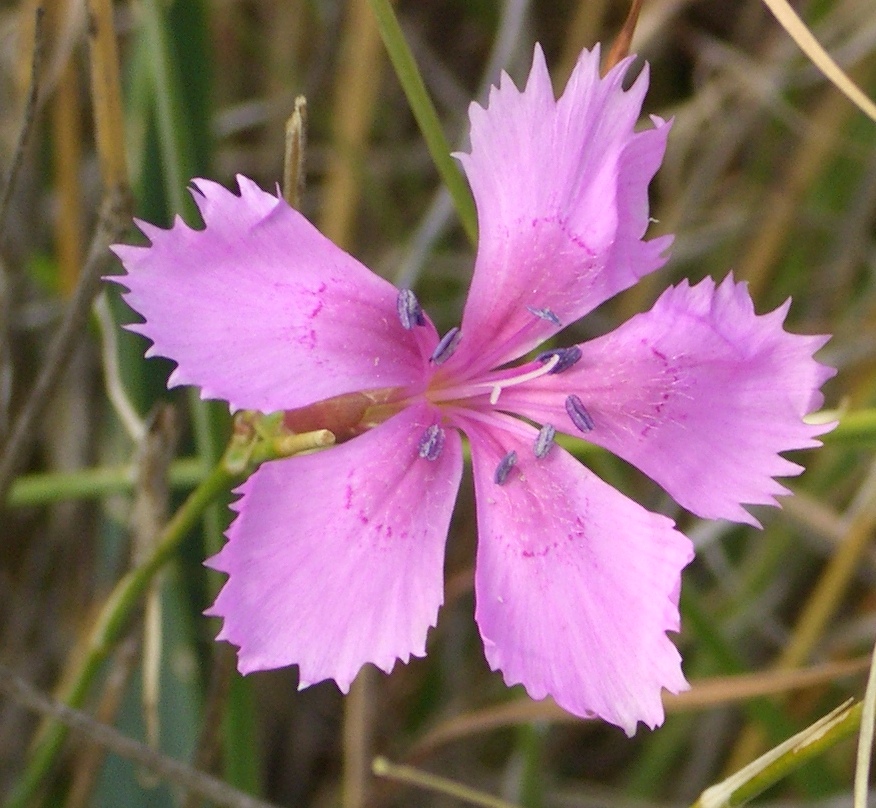
Photo: Wikimedia Commons
Choosing a Variety
When it comes to how to grow dianthus, getting the details right makes all the difference.

Many homeowners find that how to grow dianthus is easier than they expected once they know the basics.
The dianthus family is big: cottage pinks (D. plumarius) for perennial borders, cheerful Sweet William (D. barbatus) usually grown as a biennial, and the tall florist carnations for cutting. For the perennial bed, the plumarius types and their hybrids are the mainstay - compact mounds of blue-green foliage with a spring-to-summer flush of fringed, clove-scented flowers.
Flower form varies from single to fully double, and the famous "picotee" edging - a contrasting rim on each petal - is a dianthus signature. Scent varies too; if fragrance matters to you, smell before you buy, since some modern selections are bred for looks over perfume. Gardenia.net has thorough cultivar comparisons, and the Missouri Botanical Garden plant finder rates many for garden performance.
Buy nursery transplants for named varieties. Seed works for species types - sow indoors about eight weeks before the last spring frost - but named cultivars do not come true from seed.
When and How to Plant
Many homeowners find that how to grow dianthus is easier than they expected once they know the basics.
The key to how to grow dianthus is choosing the right approach for your space and budget.
Plant transplants in spring, about a week after your last spring frost. Spring planting gives roots a full season to establish before winter - important for a plant whose main enemy is wet winter soil around an immature crown. Check your zone's frost dates on our planting calendar.
Space plants 8 to 12 inches apart. They form neat mounds that knit together into a fragrant edging. Plant the crown exactly at soil level - never below. Buried crowns rot, and dianthus forgives almost anything except that. Water in well at planting, then back off; this plant prefers life on the dry side from day one. If spring weather turns wet and cold right after planting, hold off on any further watering until the soil dries - young dianthus would rather be slightly thirsty than sit in cold, wet ground.
If you are direct sowing seed, do it right around the last frost date, barely covering the fine seed. But transplants are far more reliable for getting named varieties and first-year bloom. Keep seedbeds evenly moist until germination, then treat seedlings like the drought-tolerant plants they will become.
Soil and Sun: Drainage First
The key to how to grow dianthus is choosing the right approach for your space and budget.
With a little planning, how to grow dianthus can fit even a busy schedule.
Full sun - six or more hours - for the most flowers and the strongest scent. Dianthus in shade stretches and blooms sparsely. Alkaline to neutral, well-drained soil is the requirement. If your soil is acidic, add lime - dianthus dislikes sour soil, and a simple soil test tells you where you stand.
Sharp drainage is everything. Wet winter soil kills more dianthus than any amount of cold. In heavy clay, plant on a mound, in a raised bed, or in a rock garden pocket where water drains instantly. Gravel mulch around the plants keeps the crown dry and looks right in a rock-garden setting. Never mulch against the stems with moisture-holding bark - crown rot follows. For soil testing guidance, University of Minnesota Extension and Clemson Cooperative Extension both publish clear instructions. In regions with rainy winters, consider planting dianthus under the eaves or in other spots sheltered from the worst of the winter wet - a little rain shadow extends their lives noticeably.
Watering and Feeding: Lean and Dry
With a little planning, how to grow dianthus can fit even a busy schedule.
Before you start, it helps to understand how how to grow dianthus works in real homes.
Water sparingly. Dianthus prefers life on the dry side and rots with constant moisture. Water new transplants for the first couple of weeks, then let rainfall handle it except in real drought. When you do water, water at the base - wet foliage in humid weather invites the leaf spots dianthus is prone to.
Feed lightly or not at all. A spring top-dressing of compost is plenty; in average soil, dianthus needs no fertilizer. Too much nitrogen makes soft, floppy growth with fewer flowers. This is a plant of thin, rocky soils in the wild, and it keeps that preference in the garden. The Clemson HGIC perennial pages list dianthus among plants that want lean conditions, and the Old Farmer's Almanac garden guides agree.
Shearing and Deadheading
Before you start, it helps to understand how how to grow dianthus works in real homes.
A good plan for how to grow dianthus saves time, money, and frustration.
Shear plants back by a third after the first flush of bloom. This is the key maintenance task: it forces reblooming, keeps the mound compact, and prevents the plant from putting all its energy into seed. Use hedge shears or sharp scissors and cut just above healthy foliage. The second flush is often nearly as good as the first.
Deadhead through the season to keep flowers coming - snip spent blooms back to a leaf node. But leave a few seed heads if you want volunteers; dianthus self-sows modestly, and the seedlings are easy to spot. Do not cut the evergreen foliage back in fall; the blue-green mounds give winter interest, and spring cleanup is just a light combing-out of dead leaves. A gentle raking with a hand cultivator in early spring removes winter debris without damaging the crowns.
Dianthus is often short-lived - three to four years - even with perfect care. Plan for it: take cuttings each summer and you will never lose a favorite variety.
Cuttings: Keeping Favorites Forever
A good plan for how to grow dianthus saves time, money, and frustration.
For most people, how to grow dianthus comes down to a few smart choices.
Take cuttings in summer from non-flowering shoots - dianthus roots easily, so you can keep a favorite variety going indefinitely even as the mother plant ages out. Snip 3- to 4-inch shoots, strip the lower leaves, and stick them in moist potting mix or sand. Cover loosely to hold humidity, keep out of direct sun, and roots form in a few weeks.
Pot up rooted cuttings and grow them on until they are sturdy, then plant out. A yearly batch of cuttings means you always have young, vigorous plants coming on as the old ones fade. This simple habit turns a short-lived perennial into a permanent garden feature. Share extras with friends - rooted dianthus cuttings are a classic garden gift. Layering is another easy method: in early summer, pin a low stem to the soil with a bent wire, cover the pinned section lightly with soil, and it roots while still attached to the mother plant - sever it in fall for a guaranteed new plant.
Dianthus edges beautifully alongside lavender and coreopsis - all sun-loving plants with lean tastes that bloom in the same season. For a classic cottage edging, pair it with sweet alyssum, whose honey scent mingles with the clove perfume of the pinks.
Cutting the Blooms
For most people, how to grow dianthus comes down to a few smart choices.
If you are new to how to grow dianthus, start with the simplest option and build from there.
Cut the clove-scented blooms for small fragrant bouquets, picking stems when the buds are just opening - they continue to open in water and last about a week. Morning cutting gives the longest vase life. Strip any leaves that would sit below the waterline.
The scent is the point: a small bowl of dianthus perfumes a whole room. Mix with other cottage flowers for old-fashioned bouquets, or float single blooms in a shallow dish for the simplest arrangement there is. For the longest vase life, change the water every couple of days and recut the stems - dianthus rewards the small effort with several extra days of fragrance.
The blue-green evergreen foliage gives dianthus year-round presence - in mild winters the mounds look as good in the cold months as in bloom season. This evergreen quality makes it valuable for edging paths that need winter structure, not just summer flowers.
Troubleshooting
If you are new to how to grow dianthus, start with the simplest option and build from there.
When it comes to how to grow dianthus, getting the details right makes all the difference.
Crown rot: Wet soil or buried crowns. Plant high, improve drainage, mulch with gravel not bark.
Few flowers: Too much shade, too much nitrogen, or no shearing after the first flush. Give full sun, feed less, shear by a third.
Leggy, floppy plants: Shade or rich soil. Move to sun and grow leaner.
Short-lived plants: Normal - three to four years. Take yearly cuttings for replacements.
Leaf spot: Wet foliage and poor airflow. Water at the base, space properly, avoid overhead watering. UF IFAS Gardening Solutions has diagnostic photos, and the USDA National Agricultural Library indexes dianthus disease references. The USDA PLANTS Database documents the genus.
Winter kill in wet climates: Drainage, drainage, drainage. In rainy-winter regions, a gravel mulch and raised planting are the difference between survival and rot.
Rust (orange-brown pustules on leaves): Poor airflow in humid weather. Space properly, water at the base, and remove badly affected foliage. Good drainage and lean growing prevent most cases.
Stems splitting: Rapid growth after drought, or heavy rain on soft growth. Water consistently and avoid overfeeding; dianthus stems are naturally wiry, and steady lean growing keeps them sound.
References
When it comes to how to grow dianthus, getting the details right makes all the difference.
Many homeowners find that how to grow dianthus is easier than they expected once they know the basics.
Missouri Botanical Garden. (n.d.). Dianthus plumarius. https://www.missouribotanicalgarden.org/
Clemson University Cooperative Extension Service. (n.d.). Perennials for sunny, dry sites. https://hgic.clemson.edu/
Old Farmer's Almanac. (n.d.). Growing dianthus. https://www.almanac.com/
Was this guide helpful?

About My Garden US
The My Garden US editorial team writes practical, in-depth home and garden guides for American homeowners — tested advice, no fluff.