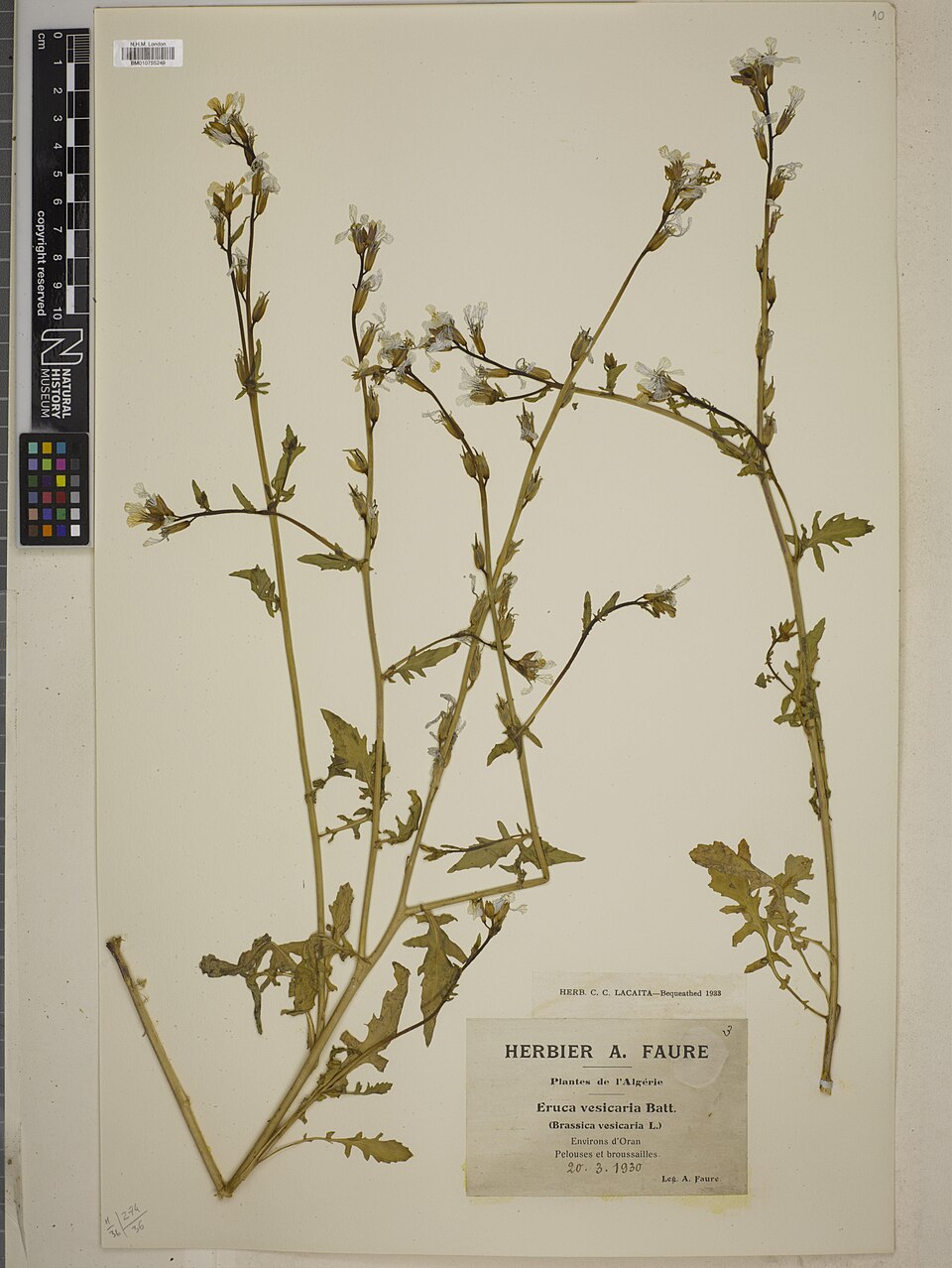
Arugula is the speedster of the salad garden - sow the seed, and in 30 to 50 days you are snipping peppery, nutty leaves. No vegetable gives a faster return on a packet of seed. The catch is heat: arugula bolts at the first hint of hot weather, turning intensely bitter. If you want to learn how to grow arugula well, the whole game is timing - sow in cool weather, keep it moist, and succession sow so there is always a young planting coming on.
Table of Contents
Table of Contents
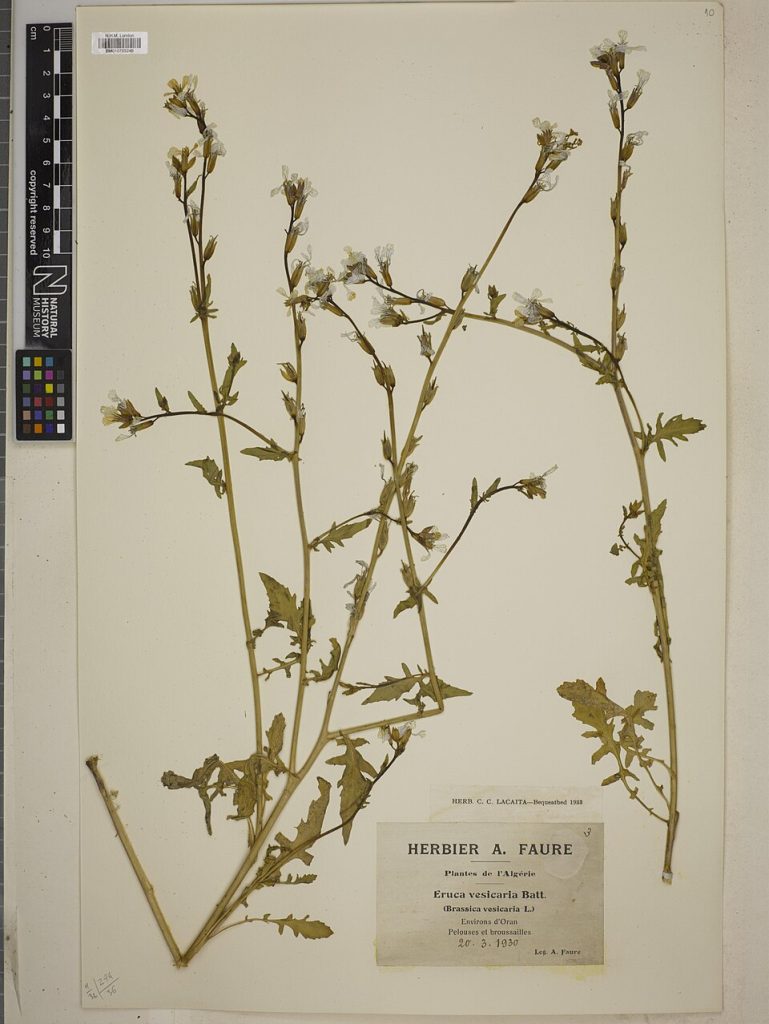
Arugula (Eruca vesicaria) grows in zones 3 through 10 as a cool-season annual. It germinates in days, even in cool soil, and handles light frost. In the heat of summer it is nearly impossible; in the cool of spring and fall it is nearly foolproof. In the warmest zones, grow it only in winter.

Photo: Wikimedia Commons
Choosing a Variety
When it comes to how to grow arugula, getting the details right makes all the difference.

Many homeowners find that how to grow arugula is easier than they expected once they know the basics.
Standard arugula gives the classic peppery bite. Cultivated varieties differ mainly in leaf shape and bolt resistance - "slow-bolt" types buy you an extra week or two in warming weather, which can make the difference between a harvest and a flower stalk. Wild arugula (a related species) has narrower leaves and a sharper bite; it is perennial in mild climates and worth trying if you love the peppery end of the spectrum.
For most gardeners, a slow-bolt variety is the smart choice - it stretches the spring window and forgives a warm spell. Gardenia.net has variety notes, and the Missouri Botanical Garden plant finder describes the species. Seed is cheap; buy fresh each year for the best germination.
When and How to Plant
Many homeowners find that how to grow arugula is easier than they expected once they know the basics.
The key to how to grow arugula is choosing the right approach for your space and budget.
Direct sow - arugula germinates so fast and grows so quickly that transplanting is pointless. For spring, sow a quarter inch deep about four weeks before your last spring frost; the seedlings handle frosts that would kill warm-season crops. For fall, sow about eight weeks before your first fall frost. Check your zone's dates on our planting calendar and work backward.
Sow thickly in rows or wide bands, then thin to about 6 inches apart for full-size leaves - or skip thinning and harvest the whole band as baby greens. Succession sow every two to three weeks through the cool season; each planting has a short prime window, and steady sowing means steady salad. Keep the seedbed moist until seedlings emerge, which takes just days in warm soil and a bit longer in cold.
In warm climates, sow in the shade of taller crops or under shade cloth to buy extra weeks before bolting. A late-summer sowing under shade, timed for fall harvest, often outperforms spring in hot regions.
Interplanting stretches the season too. Sow arugula between rows of slow crops like carrots - the arugula matures and comes out just as the carrots need the room. Because arugula's life is measured in weeks, it slips into gaps in the garden calendar that longer crops cannot use: after spring peas come out, before fall brassicas go in. Thinking of arugula as a gap-filler rather than a bed-hog changes how much you harvest from the same ground.
Soil and Sun
The key to how to grow arugula is choosing the right approach for your space and budget.
With a little planning, how to grow arugula can fit even a busy schedule.
Arugula wants fertile, moist soil. Work compost into the bed before sowing - rich soil grows mild, tender leaves, while poor soil grows small, harsh ones. Good moisture retention matters more than anything; drought accelerates bolting and sharpens the bite unpleasantly. A near-neutral pH suits it.
Full sun to part shade. In cool spring and fall weather, full sun gives the fastest growth. As temperatures warm, afternoon shade slows bolting and keeps leaves milder - in warm regions, part shade is practically required for a spring crop. Containers work beautifully for arugula; a wide, shallow pot of rich potting mix on a partly shaded patio produces cut-and-come-again greens for weeks. For soil guidance, Clemson Cooperative Extension and University of Minnesota Extension both publish clear vegetable-soil advice.
Watering and Feeding
With a little planning, how to grow arugula can fit even a busy schedule.
Before you start, it helps to understand how how to grow arugula works in real homes.
Keep soil consistently moist - this is the golden rule. Letting plants dry out even once can trigger bolting, and drought always sharpens the peppery bite into harshness. Water little and often rather than in occasional floods; mulch with straw or shredded leaves to hold moisture and keep roots cool. About an inch a week, more in warm dry spells.
Feed lightly. The compost at planting is usually enough for such a fast crop. If a sowing looks pale and slow in poor soil, a watering with diluted liquid fertilizer perks it up. But heavy feeding is unnecessary and can push soft growth - arugula's whole life is measured in weeks, not months. The Clemson HGIC salad-green pages and the Old Farmer's Almanac vegetable guides keep feeding advice appropriately light.
Succession and Season Extension
Before you start, it helps to understand how how to grow arugula works in real homes.
A good plan for how to grow arugula saves time, money, and frustration.
Succession sowing is the technique that makes arugula work. Sow a new patch every two to three weeks, and you always have young, mild leaves coming on while older plantings fade. Mark each sowing with a label so you know which patch is which.
Row cover is your best friend for season extension. A floating row cover over spring sowings adds a few degrees of frost protection and - more importantly - excludes flea beetles, arugula's worst pest.
It also speeds growth noticeably. The few degrees of warmth under the cover push germination and early growth, which matters for a crop racing against warming weather. Leave the cover on until harvest if you like - arugula does not need pollinators - just lift it to pick. One length of row cover, reused across spring and fall sowings for years, is among the highest-value purchases in the vegetable garden. In fall, row cover stretches harvest weeks past the first frosts. In winter-mild zones, a cold frame of arugula sown in fall gives harvests all winter.
Let one plant bolt and drop seed at the end of the season. Arugula self-sows so reliably you may never sow it again - volunteers pop up in the same bed spring after spring. Just thin the volunteers to proper spacing and enjoy the free crop.
Arugula shares the cool-season bed with lettuce and spinach - sow all three the same day for a complete salad garden.
Harvest
A good plan for how to grow arugula saves time, money, and frustration.
For most people, how to grow arugula comes down to a few smart choices.
Snip young leaves at 3 to 4 inches for mild, nutty salad greens - this is arugula at its best. Older, larger leaves suit cooking, where heat mellows the bite; toss them into pasta, wilt into soups, or blend into pesto. Harvest in the morning when leaves are crisp, and refrigerate promptly in a bag - arugula wilts fast.
Cut-and-come-again picking works: snip outer leaves and the center keeps producing for weeks. Or cut the whole plant an inch above the crown for a clean harvest and let it regrow.
For the mildest flavor, harvest leaves young and keep plants growing fast - slow, stressed plants turn harsh. A patch picked every couple of days stays in active growth and mild flavor far longer than one picked weekly. If a planting gets away from you and turns too peppery for salads, cook it: heat tames the bite, and wilted arugula in pasta or soup is a different, delicious vegetable. The flowers, too, deserve their moment - the white blossoms with dark veins are pretty enough for garnish and carry the full peppery punch in miniature.
The white flowers are edible too, with a peppery punch - toss them into salads as a garnish. Once plants bolt, the leaves turn intensely bitter; compost bolted plants and move on to the next succession.
For the absolute fastest crop, try a cut-and-come-again baby-leaf bed: sow thickly, cut the whole band at 3 inches, and let it regrow. You can get three or four cuttings from one sowing before the plants tire - a month of salads from a single corner of the bed.
Troubleshooting
For most people, how to grow arugula comes down to a few smart choices.
If you are new to how to grow arugula, start with the simplest option and build from there.
Bolting (flower stalk): Heat or drought. Sow in cool weather, water consistently, mulch roots, and use slow-bolt varieties.
Bitter, harsh leaves: Heat, drought, or overmature leaves. Harvest young, keep moist, and grow in cool seasons.
Flea beetles (tiny shot-holes): Cover with floating row cover from sowing - the simplest and most effective defense.
Poor germination in heat: Sow in shade or wait for cool weather; hot soil gives spotty stands.
Slugs: In damp weather they chew seedlings. Trap or hand-pick after dark.
Self-sown volunteers everywhere: Thin them or transplant them - free arugula is a gift, not a weed, as long as you manage it. The USDA PLANTS Database documents the species, and the USDA National Agricultural Library indexes salad-green references. UF IFAS Gardening Solutions covers cool-season greens for warm climates.
Leggy seedlings: Sown too thickly or in too little light. Thin to 6 inches and give full sun in cool weather; leggy seedlings never become sturdy plants.
Yellowing lower leaves: Usually just age - pick them off. If whole plants yellow, suspect waterlogged soil or nitrogen hunger; improve drainage and feed lightly.
References
If you are new to how to grow arugula, start with the simplest option and build from there.
When it comes to how to grow arugula, getting the details right makes all the difference.
Clemson University Cooperative Extension Service. (n.d.). Salad greens for the home garden. https://hgic.clemson.edu/
University of Minnesota Extension. (n.d.). Growing arugula in home gardens. https://extension.umn.edu/
Old Farmer's Almanac. (n.d.). Growing arugula. https://www.almanac.com/
Many homeowners find that how to grow arugula is easier than they expected once they know the basics.
When it comes to how to grow arugula, getting the details right makes all the difference.
Was this guide helpful?

About My Garden US
The My Garden US editorial team writes practical, in-depth home and garden guides for American homeowners — tested advice, no fluff.
You May Also Like
How to Grow Moth Beans: Drought-Proof Bean Guide
November 25, 2026 0 views
Companion Planting Layout for Raised Bed Vegetables
November 25, 2026 2 views
Wildflower Seed Mixes USA Online Deals: How to Buy Well and Pay Less
August 11, 2026 24 views