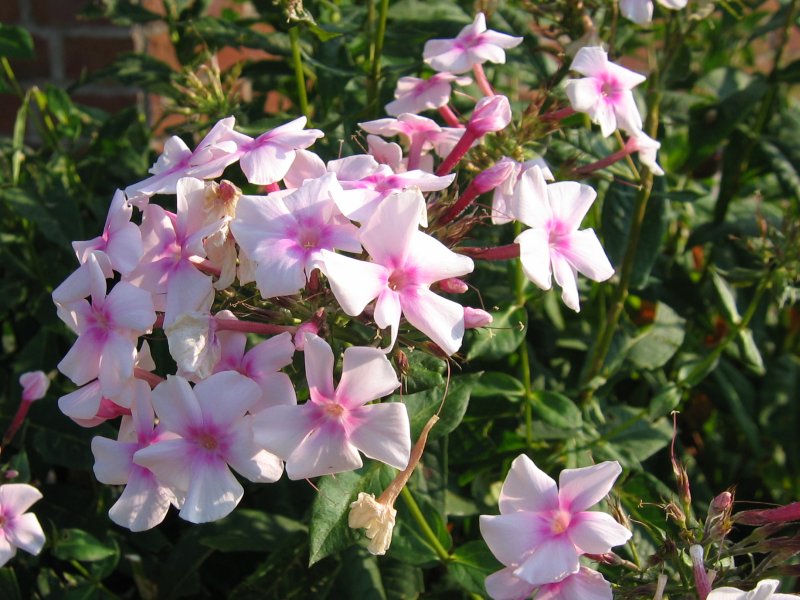
Few summer perennials reward the home gardener like garden phlox. Tall, sturdy stems carry big domed heads of fragrant flowers in pink, white, lavender, and red, and the scent on a warm evening can carry across the whole yard. If you want to know how to grow garden phlox successfully, the secret is simple: give it rich soil, plenty of air around its leaves, and steady water at the roots. Do that, and a single planting will bloom for years.
Garden phlox (Phlox paniculata) is a classic American border plant, hardy in USDA zones 4 through 8. It is also famous for one flaw - powdery mildew, the white coating that can make leaves look dusted with flour by late summer. The good news is that modern mildew-resistant varieties and a few smart habits make this problem easy to beat. This guide walks you through variety choice, planting, feeding, watering, and season-long care so your phlox blooms strong from its first full summer on.

Photo: Wikimedia Commons
Choosing a Variety
Start with a named, mildew-resistant variety, and half your battle is already won. Older garden phlox types mildew badly, but breeding work over recent decades has produced varieties that stay clean through most summers. When you shop, look for descriptions that mention mildew or disease resistance on the tag - Gardenia.net has solid variety-by-variety notes, and the Missouri Botanical Garden plant finder rates many cultivars for garden performance.
Height matters in planning the border. Most garden phlox grows 2 to 4 feet tall, so it belongs in the middle or back of the bed. Dwarf types exist for smaller gardens and the front of borders. Flower color is a matter of taste - white phlox glows in evening gardens, while deep pinks and magentas hold up in bright sun. Keep in mind the warning from growers: seedlings that self-sow tend to revert to a dull magenta, so if you deadhead regularly, your named colors stay true.
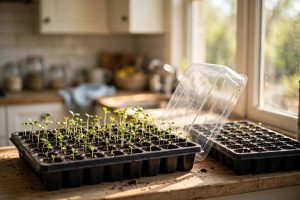
Buy nursery-grown plants rather than seed if you want flowers soon. Phlox grown from seed sown indoors about eight weeks before the last spring frost can bloom, but the plants often need a full year or two to reach their stride. Nursery transplants give you a head start and guarantee the variety you chose.
When and How to Plant
Plant garden phlox transplants in spring, about a week after your last spring frost has passed. Spring planting lets roots dig in before the heat of summer and the bloom season arrives. Check your USDA zone planting dates on our planting calendar to time the move for your part of the country.
Set plants 18 inches apart. That spacing may look sparse on planting day, but phlox fills out fast, and crowding is the number one cause of mildew - leaves that never dry invite the white coating. Plant at the same depth the plant grew in its pot; burying the crown invites rot. If you are starting from seed, sow on the surface or barely cover it (about an eighth of an inch deep), since phlox seed needs light to sprout well. Direct sowing outdoors can be done right around the last frost date in the home garden, though transplants are more reliable.
Choose a spot with full sun - six or more hours of direct light - though light afternoon shade is fine in hot climates and can even help. The Old Farmer's Almanac planting calendar is handy for lining up spring transplant dates with your local frost schedule.
Soil and Sun
Garden phlox wants rich, moist, well-drained soil. Before planting, work several inches of compost or well-rotted manure into the top 8 to 10 inches of the bed. Phlox is a hungry plant, and lean soil gives you thin stems and small flower heads. A soil test through your state extension service tells you exactly what your ground needs - Clemson Cooperative Extension and University of Minnesota Extension both publish plain-language guides to testing and amending garden soil.
Drainage matters as much as fertility. Phlox hates wet feet in winter; soggy ground rots crowns in cold climates. If your soil is heavy clay, plant on a slight mound or in a raised bed so water moves away from the roots. In very mild-winter areas with wet soils, phlox can struggle even where the zone map says it should grow, so keep the planting spot from staying soggy.
Sun is straightforward: full sun for the biggest, most fragrant flower heads. In zones 7 and 8, a touch of afternoon shade keeps leaves from scorching and stretches bloom life. But do not tuck phlox into deep shade - it will stretch, flop, and mildew.
Watering and Feeding
Water at the base of the plant, not overhead. Wet leaves are an open door for powdery mildew, so use a soaker hose or water the soil directly and keep the foliage dry. Phlox likes moderate to high water - aim for about an inch a week from rain or the hose, more during hot dry spells. Mulch with two to three inches of shredded bark or compost to hold moisture and keep roots cool; drought stress plus heat is what triggers the worst mildew outbreaks.
Feed in spring as new growth emerges. A balanced granular fertilizer or a fresh top-dressing of compost gives the season's growth its start. A second light feeding as flower buds form keeps the bloom heads large. Go easy on high-nitrogen fertilizer - too much nitrogen pushes soft, floppy growth that mildews faster and flops in wind. The Clemson HGIC pages on perennial care explain balanced feeding rates in plain terms.
Care Through the Season
Air circulation is the theme of phlox care all summer. Thin stems in spring if a clump looks crowded - removing the weakest third of the shoots opens the plant to moving air. Pinch the stem tips in late spring to delay bloom by a couple of weeks; pinched plants grow bushier and carry more, smaller flower heads instead of a few huge ones.
Deadhead spent flower heads as they fade. This does two jobs at once: it pushes the plant to keep blooming instead of setting seed, and it stops the self-sowing that produces dull-magenta seedlings crowding out your named variety. Cut the faded head back to a set of leaves or a side bud, and do it weekly at the height of bloom - a few minutes with the pruners each weekend keeps the show going for weeks longer. For detailed deadheading how-tos, the Old Farmer's Almanac garden guides cover the technique for many perennials.
Watch for spider mites in hot, dry spells - stippled, dusty-looking leaves are the giveaway. A hard spray of water knocks them back, and keeping the plants well-watered at the base discourages them. In humid regions, the Lady Bird Johnson Wildflower Center notes which companion natives share phlox's cultural needs without crowding it.
Every three to four years, dig and divide clumps in spring or early fall. Lift the clump, cut it into fist-sized pieces with a sharp spade, and replant the vigorous outer sections. Division keeps bloom strong - undivided clumps slowly decline. Watch through the season for the white dust of mildew; if it appears despite good spacing, resistant varieties and base watering keep it minor. UF IFAS Gardening Solutions has practical notes on managing mildew in warm, humid gardens, and the USDA National Agricultural Library catalogs research-backed fact sheets on perennial diseases.
Pair phlox with companions that share its tastes. Tall coneflowers and black-eyed Susans bloom at the same time and like the same rich soil, making a classic summer trio.
Harvest and Enjoying the Blooms
Cut flower heads when most of the florets on a head are open. Bring a bucket of water to the garden and cut stems long, then strip the lower leaves. In a vase, garden phlox lasts a week or more and perfumes the whole room - few cut flowers give that much scent for so little work.
Keep deadheading through the season for the longest show. In fall, cut stems back to the ground after frost kills the tops, and clear away the old foliage - fallen leaves can harbor mildew spores over winter. A light winter mulch in cold zones protects crowns from freeze-thaw heaving.
Troubleshooting
Powdery mildew (white coating on leaves): The classic phlox problem. Prevention beats cure: 18-inch spacing, watering at the base, morning sun, and resistant varieties. If mildew strikes, cut affected stems back hard - the plant often regrows clean foliage and still blooms.
Floppy stems: Too much nitrogen, too little sun, or overcrowding. Stake tall varieties early, thin stems in spring, and cut back on fertilizer.
Few flowers or small heads: The clump is likely overdue for division, or the soil is worn out. Divide every three to four years and top-dress with compost each spring.
Self-sown seedlings crowding the bed: You are not deadheading enough. Pull the dull-magenta seedlings and deadhead promptly from the first flush.
No blooms the first year: Normal. Phlox spends its first season building roots; the real show starts in year two. Nursery transplants planted in spring sometimes bloom lightly the first summer, then take off.
References
University of Minnesota Extension. (n.d.). Growing phlox in home gardens. https://extension.umn.edu/
Missouri Botanical Garden. (n.d.). Phlox paniculata. https://www.missouribotanicalgarden.org/
Clemson University Cooperative Extension Service. (n.d.). Perennials for the home landscape. https://hgic.clemson.edu/
Was this guide helpful?

About My Garden US
The My Garden US editorial team writes practical, in-depth home and garden guides for American homeowners — tested advice, no fluff.
You May Also Like

Native Grass Seed for California Homes: A Guide to a Lawn That Loves Dry Weather
February 20, 2026 2 views
Daffodil Bulb Packs Where to Buy USA: A Plain Guide for Fall Planting
August 5, 2026 0 views
How to Grow Blackberries: Thornless & Easy
October 7, 2026 5 views