Table of Contents
Table of Contents
- Choosing a Variety
- When and How to Plant
- Timing your sowing
- Spacing, depth, and days to harvest
- Soil and Sun
- Light needs
- Building good soil
- Watering and Feeding
- Watering routine
- Feeding
- Care Through the Season
- Companions and Placement
- Harvest
- Troubleshooting
- Through the Seasons
- Spring
- Summer
- Fall and Winter
- Quick Answers
- Using the Harvest
- Keep Growing
- References
Photo: Wikimedia Commons
Garlic is the crop you plant in fall and forget until summer - arguably the highest return on the least work in the vegetable garden. Homegrown garlic tastes stronger, sweeter, and more complex than store bulbs, and the variety available to gardeners dwarfs the single type in supermarkets. The trick is timing: cloves go in about six weeks before the ground freezes, root in the fall, sleep through winter, and explode in spring. Learning how to grow garlic means respecting that calendar - plant in fall, mulch, and wait.
The USDA PLANTS entry for Allium sativum confirms its need for winter chill. This guide covers clove selection, fall planting, spring care, scapes, and curing. For a quick botanical overview, see the USDA PLANTS entry for Allium sativum.
Choosing a Variety
When it comes to how to grow garlic, getting the details right makes all the difference.

Many homeowners find that how to grow garlic is easier than they expected once they know the basics.
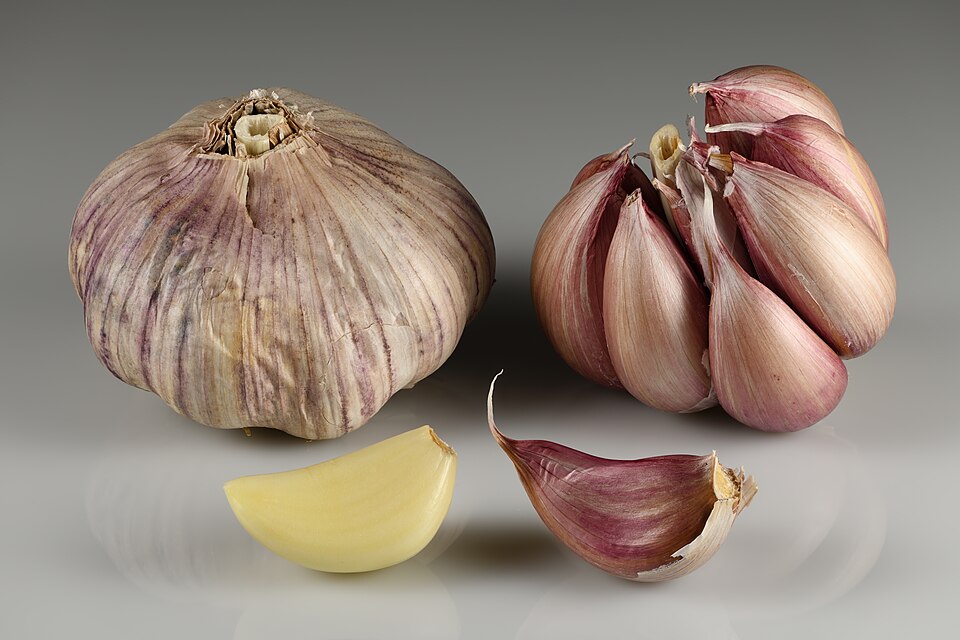
Choose hardneck types (Rocambole, Porcelain, Purple Stripe) for cold climates and the best flavor - they make the curly scapes and peel easily, though they store a shorter time. Softnecks (Silverskin, Artichoke types) suit milder winters and braid beautifully for storage. Buy seed garlic from a grower, never plant grocery-store bulbs, which may carry disease and are often treated to prevent sprouting. The Old Farmer's Almanac guide to garlic stresses certified disease-free stock. Plant only the biggest cloves from your own harvest for replanting; small cloves make small bulbs. Save your biggest bulbs each year and your garlic steadily adapts to your soil - gardeners call this landrace selection, and it works.
When and How to Plant
Many homeowners find that how to grow garlic is easier than they expected once they know the basics.
The key to how to grow garlic is choosing the right approach for your space and budget.
Timing your sowing
Garlic is planted in fall, not spring. Set individual cloves pointy-end up about 6 weeks before the ground freezes, giving them time to root before winter. Plant 2 inches deep and 6 inches apart in rich, well-drained soil, then mulch heavily with straw.
Spacing, depth, and days to harvest
Treat this as a full-season crop: it needs on the order of 180 to 240 days of decent weather to give its best. For a fall crop, sow again about 6 weeks before your first fall frost and keep the young plants watered through warm spells.
The fall calendar matters more than the soil thermometer here: too early and cloves sprout tall top growth that winter damages; too late and roots never form. About six weeks before freeze-up is the sweet spot.
Frost-date charts from a ZIP-code planting calendar help if you are new to reading your zone.
Soil and Sun
The key to how to grow garlic is choosing the right approach for your space and budget.
With a little planning, how to grow garlic can fit even a busy schedule.
Light needs
Sun is non-negotiable: aim for a spot that stays lit from mid-morning on. Shade-grown plants disappoint.
Building good soil
For soil, aim for rich, well-drained soil. Work in a few inches of compost before planting; it loosens heavy ground and feeds sandy ground in one move.
It is rated for zones 3 to 10. Outside that range, treat it as an annual or grow it in containers you can move with the seasons.
Mulch after planting with two to three inches of straw, shredded leaves, or bark. Mulch holds moisture, smothers weeds, and feeds the soil as it breaks down - it is the single easiest upgrade to any planting.
Soil testing labs listed through the University of Minnesota Extension can confirm your pH before you plant.
Watering and Feeding
With a little planning, how to grow garlic can fit even a busy schedule.
Before you start, it helps to understand how how to grow garlic works in real homes.
Watering routine
Keep the soil evenly moist but not soggy. An inch of water a week, from rain or the hose, is the usual target.
Feeding
Side-dress with nitrogen in spring while leaves grow; stop feeding once bulbing begins. Go light on fertilizer. Compost worked in at planting plus a mid-season mulch feeding will carry it; overfeeding causes more problems than it solves.
Morning watering is the rule: leaves dry fast in rising sun, denying fungal diseases the damp nights they love. Drip irrigation or a soaker hose waters roots without wetting leaves at all.
Irrigation basics from Clemson's Home & Garden Information Center apply to all of these schedules.
Care Through the Season
Before you start, it helps to understand how how to grow garlic works in real homes.
A good plan for how to grow garlic saves time, money, and frustration.
Through fall and winter, mulch heavily with straw after planting to moderate soil temperature and suppress weeds - in cold zones, six inches is not too much. In spring, pull back excess mulch, side-dress with nitrogen, and keep watered until the lower leaves begin yellowing. On hardneck types, snap off the curly scapes when they loop once or twice; this directs energy into bigger bulbs, and scapes are delicious grilled or made into pesto. Watch for onion maggots and white rot; rotate alliums yearly and never plant in the same bed two years running. Stop watering as harvest nears. Clemson's Home & Garden Information Center has Southern garlic timing for the warm edge of the range.
Companions and Placement
A good plan for how to grow garlic saves time, money, and frustration.
For most people, how to grow garlic comes down to a few smart choices.
Garlic shares the vegetable bed happily with Onion, Leek, and Carrot - all want the same sunny, fertile ground and similar watering. Think in families when you plan: follow heavy feeders like corn with light feeders like beans, which return nitrogen to the soil, and never plant the same family in the same bed two years running. Good air flow between rows matters as much as good neighbors; crowded beds stay damp and disease follows damp. Tuck quick crops like radishes between slow ones to use every inch, and keep a path wide enough for a wheelbarrow - you will thank yourself at harvest time.
Harvest
For most people, how to grow garlic comes down to a few smart choices.
If you are new to how to grow garlic, start with the simplest option and build from there.
Harvest when about a third of the leaves have browned - too early means small bulbs, too late means split wrappers that will not store. Lift carefully with a fork; do not pull by the tops. Cure two to four weeks in a dry, shaded, airy spot - a barn, garage, or covered porch - until the wrappers are papery; the Missouri Botanical Garden plant finder stresses that curing determines storage life. Then trim roots and tops, and store braided or loose in a cool, dry place. Never refrigerate garlic; cold plus humidity wakes it up to sprout. Well-cured hardnecks keep months, softnecks even longer.
Troubleshooting
If you are new to how to grow garlic, start with the simplest option and build from there.
When it comes to how to grow garlic, getting the details right makes all the difference.
Small bulbs usually trace to small seed cloves, late planting, or weeds - plant big cloves early in weed-free ground. Plants that never bulb in warm climates lacked winter chill; in zones 11 and warmer, pre-chill cloves in the fridge for weeks before planting, as the USDA National Agricultural Library's resources describe. White rot (fluffy white fungus at the base) means that bed cannot grow alliums for years - rotate strictly. If scapes were left on hardnecks, bulbs will be smaller; snap them next year. Sprouting in storage means the spot was too warm or humid; move to cooler, drier air.
Through the Seasons
When it comes to how to grow garlic, getting the details right makes all the difference.
Spring
In spring, the work is soil and timing. Work compost into the bed as soon as the ground can be turned, and sow or transplant on the schedule above - garlic planted at the right moment outgrow everything planted late. A floating row cover over new sowings adds a few degrees of warmth and keeps flea beetles off; pull it once plants flower so pollinators can reach them.
Summer
Summer is maintenance season: water deeply through dry spells, weed before weeds set seed, and watch for the pests listed above. For garlic, the harvest window is the busy season - pick often, because timely picking keeps plants producing. A mid-season side-dress of compost keeps heavy feeders happy. In heat waves, an extra evening watering saves stressed plants.
Fall and Winter
In fall, pull spent plants, compost the healthy foliage, and sow a cover crop or mulch the empty bed - bare winter soil loses nutrients to rain. Sow the fall crop about 6 weeks before your first fall frost. Clean and oil tools before storing, and jot down what worked; next spring's planting plan starts with this fall's notes.
Quick Answers
Many homeowners find that how to grow garlic is easier than they expected once they know the basics.
How long does garlic take to grow?
It needs a full season, roughly 180 to 240 days of decent weather, to give its best. Plant on time in spring and it will do the rest.
What zones can I grow garlic in?
Zones 3 through 10. Inside that range it is hardy and reliable; outside it, grow as an annual or in containers.
How much sun does garlic need?
Full sun. Give it the sunniest spot you have; shade-grown plants disappoint.
How far apart should I plant garlic?
About 6 inches apart. Crowding stunts plants and invites disease, so give each one its room - the harvest is bigger, not smaller, for the space.
Using the Harvest
Homegrown garlic transforms cooking: roast whole heads until caramel-sweet, mince raw into dressings, or confit cloves in oil for spreading. Hardneck scapes - snapped in early summer - grill like asparagus and make a spectacular pesto. Cure bulbs thoroughly and store in a cool, dry place; braided softnecks hang beautifully in the kitchen. Save your biggest bulbs for replanting each fall and eat the rest. Dehydrate sliced cloves for powder, or ferment honey-garlic for a traditional condiment. One bed plants next year's crop and flavors this year's kitchen. Browse more plant profiles at Gardenia.net's plant profiles for ideas.
Keep Growing
How to grow garlic: plant big cloves pointy-up in fall, mulch heavily, feed in spring, snap the scapes, harvest at one-third brown, cure thoroughly. Six steps, one spectacular crop. For exact planting dates, check your USDA zone planting dates and keep the allium bed rolling with our guides to how to grow onions, how to grow leeks, and how to grow carrots - garlic's classic neighbors.
References
- Old Farmer's Almanac. (n.d.). Growing garlic in home gardens. https://www.almanac.com/
- U.S. Department of Agriculture. (n.d.). Garlic (Allium sativum) plant profile. https://plants.usda.gov/home
- University of Minnesota Extension. (n.d.). Growing garlic in home gardens. https://extension.umn.edu/
- Clemson University Cooperative Extension. (n.d.). Home & Garden Information Center. https://hgic.clemson.edu/
Was this guide helpful?

About My Garden US
The My Garden US editorial team writes practical, in-depth home and garden guides for American homeowners — tested advice, no fluff.