
Table of Contents
Table of Contents
- Choosing a Variety
- When and How to Plant
- Timing your sowing
- Spacing, depth, and days to harvest
- Soil and Sun
- Light needs
- Building good soil
- Watering and Feeding
- Watering routine
- Feeding
- Care Through the Season
- Companions and Placement
- Harvest
- Troubleshooting
- Through the Seasons
- Spring
- Summer
- Fall and Winter
- Quick Answers
- Using the Harvest
- Keep Growing
- References
Photo: Wikimedia Commons
Green beans may be the most forgiving vegetable a beginner can plant. They sprout fast, grow fast, and start handing you pods about two months after sowing - few crops pay back the effort so quickly. A ten-foot row of bush beans can bury a family in beans at the peak of the season, and pole beans on a trellis will out-produce the same footprint three times over. If you are learning how to grow green beans, the good news is that the whole job comes down to warm soil, full sun, and picking often.
Plant profiles such as the USDA PLANTS entry for Phaseolus vulgaris confirm this is a true warm-season annual across the country. This guide walks through varieties, timing, soil, watering, pests, and the picking rhythm that keeps plants producing. For a quick botanical overview, see the USDA PLANTS entry for Phaseolus vulgaris.
Choosing a Variety
When it comes to how to grow green beans, getting the details right makes all the difference.

Many homeowners find that how to grow green beans is easier than they expected once they know the basics.
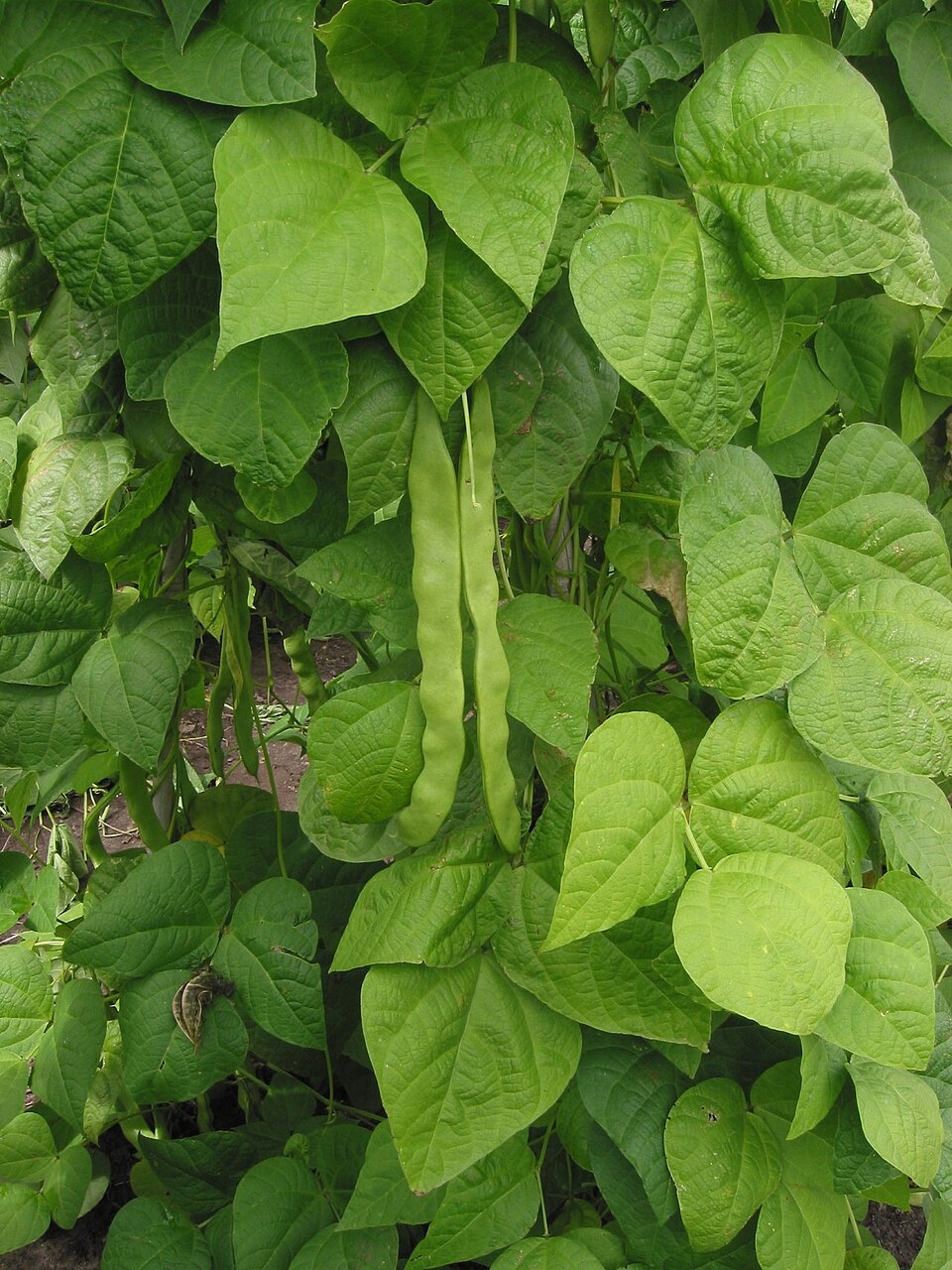
First decide: bush or pole. Bush beans grow into tidy two-foot plants that need no support and produce their crop in a concentrated few weeks - perfect for small beds and for succession sowing. Old reliables like Provider and Contender shrug off cool spring soil better than most, while Derby and the Blue Lake bush types are prized for straight, stringless pods. Pole beans climb seven feet or more and keep bearing for months from the same planting, which makes them the choice when space is tight but appetite is large.
Kentucky Blue and Fortex (a long, slender French type) are favorites for flavor, and Scarlet Runner adds hummingbird-attracting red flowers. Pole types need a genuinely sturdy trellis - a flimsy tomato cage will collapse under a mature planting. The Old Farmer's Almanac guide to green beans lists more tried-and-true varieties by region. Whichever you choose, buy fresh seed each year; bean seed kept over often germinates poorly.
When and How to Plant
Many homeowners find that how to grow green beans is easier than they expected once they know the basics.
The key to how to grow green beans is choosing the right approach for your space and budget.
Timing your sowing
Direct-sow green beans about 2 weeks after your last spring frost. Wait until the soil has warmed to at least 60°f; seeds put into cold, wet ground are likely to rot. Sow 1 inches deep, then thin or space seedlings to about 4 inches apart. Crowded plants stay small and invite disease, so give them the room the packet calls for.
Spacing, depth, and days to harvest
From sowing to harvest takes roughly 50 to 65 days, so you can count forward from your planting date and know about when to start watching. For a fall crop, sow again about 10 weeks before your first fall frost and keep the young plants watered through warm spells. Sow bush types every two to three weeks for a continuous supply; one big planting gives one big glut.
A soil thermometer is a gardener's best ten dollars: it removes all guesswork about whether the ground is ready. Sow in the morning so seeds settle into warming soil, and mark the row - bare soil all looks alike a week later.
Frost-date charts from a ZIP-code planting calendar help if you are new to reading your zone.
Soil and Sun
The key to how to grow green beans is choosing the right approach for your space and budget.
With a little planning, how to grow green beans can fit even a busy schedule.
Light needs
Sun is non-negotiable: aim for a spot that stays lit from mid-morning on. Shade-grown plants disappoint.
Building good soil
The soil recipe is simple: average, well-drained soil. A generous digging-in of compost at planting time fixes most imperfect soils.
It is rated for zones 3 to 11. Outside that range, treat it as an annual or grow it in containers you can move with the seasons.
A two-inch mulch of straw or shredded bark does triple duty: it conserves water, suppresses weeds, and moderates soil temperature. Keep mulch a finger's width from stems to prevent rot.
Soil testing labs listed through the University of Minnesota Extension can confirm your pH before you plant.
Watering and Feeding
With a little planning, how to grow green beans can fit even a busy schedule.
Before you start, it helps to understand how how to grow green beans works in real homes.
Watering routine
Regular, even watering is the goal. Letting plants wilt and then drowning them stresses them and invites trouble.
Feeding
Beans make their own nitrogen with the help of soil bacteria, so skip nitrogen fertilizer - too much grows leaves at the expense of pods. It is not a heavy feeder. Rich soil plus compost is enough - save the strong fertilizer for the hungriest vegetables.
Let the plants tell you when they are thirsty: dull, grayish leaves and soil dry an inch down mean water now. A deep weekly soaking grows deeper roots than daily sprinkles ever will.
Irrigation basics from Clemson's Home & Garden Information Center apply to all of these schedules.
Care Through the Season
Before you start, it helps to understand how how to grow green beans works in real homes.
A good plan for how to grow green beans saves time, money, and frustration.
Through the season, water at the base of the plants and stay out of the patch when the foliage is wet - walking among damp plants spreads bean rust and bacterial blight from leaf to leaf. A two-inch mulch of straw holds moisture and keeps mud from splashing onto lower leaves, which is where most disease starts. The insect to watch for is the Mexican bean beetle, a coppery ladybug look-alike whose larvae skeletonize leaves; handpick them or cover young plants with floating row cover until flowering begins. UF/IFAS Gardening Solutions offers region-specific pest notes for Southern growers.
Side-dressing is unnecessary - remember, beans feed themselves nitrogen - but a mid-season compost mulch never hurts. The single biggest care job is picking: check plants every day or two, because one overlooked pod left to mature signals the plant to shut down production.
Companions and Placement
A good plan for how to grow green beans saves time, money, and frustration.
For most people, how to grow green beans comes down to a few smart choices.
In a mixed vegetable patch, green beans sit comfortably beside Peas, Lima Beans, and Sweet Corn. Match water needs when you lay out rows - thirsty corn should not share a bed with drought-tough herbs. Feed the soil between plantings with compost, and let a cover crop rest any bed that finishes early. Tall crops go on the north side so they never shade short ones. And label everything at planting time; by midsummer, every seedling looks alike and every gardener swears they will remember.
Harvest
For most people, how to grow green beans comes down to a few smart choices.
If you are new to how to grow green beans, start with the simplest option and build from there.
Pick when pods are young, firm, and snap crisply in your fingers, before the seeds inside start to bulge. Oversized pods are tough and starchy, and worse, they tell the plant its job is done. Pinch pods off carefully or snip with scissors - yanking can uproot the shallow plants or snap whole stems. Morning picking, when pods are cool and crisp, gives the best texture, and the Missouri Botanical Garden plant finder notes the same firm-pod test.
Eat them fresh, refrigerate for a few days, or blanch two to three minutes and freeze for winter; frozen beans keep their snap far better than canned. If the patch overwhelms you, that is the succession plan working - freeze the surplus and sow a fresh row.
Troubleshooting
If you are new to how to grow green beans, start with the simplest option and build from there.
When it comes to how to grow green beans, getting the details right makes all the difference.
Seeds that never come up were almost always sown into soil that was too cold or too wet; beans rot quickly below about 60°F, so re-sow once the ground warms rather than mourning the first try. Yellow, rust-spotted leaves point to bean rust or bacterial blight - improve air flow, water at the base, and never handle wet plants. Holes chewed between leaf veins are the signature of Mexican bean beetles; row cover early in the season prevents most damage. Blossoms dropping without setting pods usually means a heat wave; plants resume once nights cool.
Searchable fact sheets at the USDA National Agricultural Library cover these problems in depth. And if production stalls mid-summer, check for one hidden over-mature pod - removing it often restarts the whole plant within days.
Through the Seasons
When it comes to how to grow green beans, getting the details right makes all the difference.
Many homeowners find that how to grow green beans is easier than they expected once they know the basics.
Spring
Spring is for preparation and planting. Loosen the bed, mix in compost, and get green beans in the ground when the soil - not the calendar - says ready. Label every row at planting time; by midsummer all seedlings look alike. Water new plantings gently but thoroughly, and mulch once they are a few inches tall to lock in the spring moisture.
Summer
Through summer, keep the water steady and the harvest coming. Green Beans does its heaviest work in the warm months, so do not let weeds steal its water or let pests build up unnoticed. Mulch keeps roots cool when the sun is fierce. Sow succession crops in gaps as early plantings finish - bare summer soil is a wasted opportunity and a weed invitation.
Fall and Winter
As the season winds down, harvest the last of the green beans before hard frost, then clear the bed. Compost disease-free foliage and trash the rest. A blanket of shredded leaves over the empty bed protects the soil all winter. Order next year's seed early - popular varieties sell out by planting time.
Quick Answers
Many homeowners find that how to grow green beans is easier than they expected once they know the basics.
The key to how to grow green beans is choosing the right approach for your space and budget.
How long until I can harvest green beans?
About 50 to 65 days from sowing to harvest under good conditions - count forward from your planting date to know when to start watching.
Where will green beans grow?
Zones 3 through 11. Inside that range it is hardy and reliable; outside it, grow as an annual or in containers.
Does green beans need full sun?
Full sun. Give it the sunniest spot you have; shade-grown plants disappoint.
What spacing does green beans need?
About 4 inches apart. Crowding stunts plants and invites disease, so give each one its room - the harvest is bigger, not smaller, for the space.
Using the Harvest
The key to how to grow green beans is choosing the right approach for your space and budget.
Fresh green beans need little more than steaming until bright and tender, then butter and salt - overcooking is the only real way to ruin them. They shine in stir-fries, where high heat keeps the snap, and in three-bean salads that improve after a day in the fridge. For winter, blanch two to three minutes, chill in ice water, and freeze in bags; frozen beans keep their texture far better than canned. Old-timers make dilly beans - pickled with dill and garlic - which are superb in bloody marys and lunchboxes. If the freezer fills, share the surplus; nobody with a garden ever has trouble giving away beans. Browse more plant profiles at Gardenia.net's plant profiles for ideas.
Keep Growing
That is the whole secret of how to grow green beans: warm soil at planting, steady water, and relentless picking. Master that rhythm and you will have more beans than you can eat fresh - which is exactly the excuse to learn freezing. To plan the rest of the vegetable patch, check your USDA zone planting dates and keep going with our guides to how to grow peas, how to grow lima beans, and how to grow sweet corn - the classic companions that share the summer garden with beans.
References
- Old Farmer's Almanac. (n.d.). Growing green beans in home gardens. https://www.almanac.com/
- U.S. Department of Agriculture. (n.d.). Green Beans (Phaseolus vulgaris) plant profile. https://plants.usda.gov/home
- University of Minnesota Extension. (n.d.). Growing green beans in home gardens. https://extension.umn.edu/
- Clemson University Cooperative Extension. (n.d.). Home & Garden Information Center. https://hgic.clemson.edu/
Was this guide helpful?

About My Garden US
The My Garden US editorial team writes practical, in-depth home and garden guides for American homeowners — tested advice, no fluff.