When it comes to how to grow american persimmons, getting the details right makes all the difference.
Table of Contents
Table of Contents
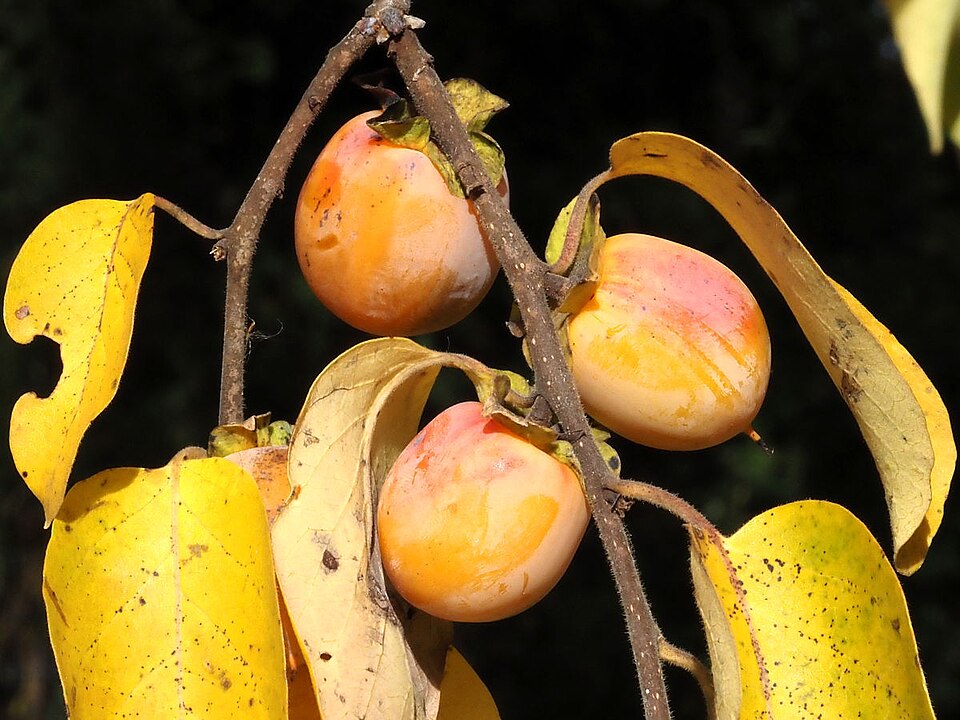
Photo: Wikimedia Commons
The American persimmon is our native fruit tree that almost nobody grows - and that is a shame. A mature tree drops hundreds of honey-sweet fruits with virtually no spraying, pruning, or fussing. It is slow to start but nearly indestructible, a legacy tree for patient gardeners.
Planting fruit is an investment in future harvests: a little patience up front buys years of berries or fruit that taste nothing like the shipped-in versions. This crop is well suited to home gardens because it is relatively low-maintenance once established. Work through the sections below - site, planting, yearly care, and picking - and you will know exactly what to expect in each season of the plant's life.
Plant young grafted trees of named varieties rather than seedlings for reliable, sweet fruit, and include a male pollinator nearby unless the variety sets fruit on its own. Persimmons grow deep taproots, so plant small container trees and avoid disturbing the roots. Give full sun, well-drained soil, and 20 feet of space. Stake and water in.
At a Glance
When it comes to how to grow american persimmons, getting the details right makes all the difference.

Many homeowners find that how to grow american persimmons is easier than they expected once they know the basics.
- Plant: American Persimmon (Diospyros virginiana)
- Type: Fruit
- Sun: Full sun
- Soil: Average, well-drained soil
- Water: Low to moderate
- Spacing: 240 inches
- Planting depth: Set at nursery depth
- Time to maturity: 2nd–3rd season
- USDA zones: 4–9
Getting Started: Picking the Right Variety
Many homeowners find that how to grow american persimmons is easier than they expected once they know the basics.
The key to how to grow american persimmons is choosing the right approach for your space and budget.
The variety you plant decides your harvest for a decade, so spend real thought here. Prioritize varieties known to perform in your climate zone over novelties bred for somewhere else. If space is tight, look for compact or self-fertile types that fruit alone. Buy from a nursery that sells plants suited to your region - bare-root stock from a reputable grower establishes faster than a tired potted plant that has sat on a shelf all season.
Botanically this is Diospyros virginiana, and how you start it shapes the whole season. Move transplants into the garden about one week after your last spring frost. Buy healthy, stocky starts - leggy, root-bound plants never fully recover. Gardenia.net offers clear, gardener-written growing guides for this plant.
When and How to Plant
The key to how to grow american persimmons is choosing the right approach for your space and budget.
With a little planning, how to grow american persimmons can fit even a busy schedule.
Get the timing right and half the battle is won. Everything below is tied to your last spring frost and first fall frost, so it works whether you garden in the North or the South. Move transplants into the garden about one week after your last spring frost.
Give each plant room: space about 20 feet apart. Think in years, not weeks: the first real crop usually arrives in the second or third season after planting. Firm the soil gently around seeds or roots and water everything in well - that first watering settles soil against the roots and starts growth off right.
To pin down the right week for your zip code, check your USDA zone planting dates on our planting calendar. It lists indoor sowing, transplanting, and direct sowing windows for hundreds of plants by zone, so you can plan the whole season in one sitting. The Old Farmer's Almanac offers practical, beginner-friendly growing advice for this crop.
Soil and Sun
With a little planning, how to grow american persimmons can fit even a busy schedule.
Before you start, it helps to understand how how to grow american persimmons works in real homes.
American Persimmon wants full sun. Aim for at least six hours of direct sun a day - more is better for flavor, bloom, and disease resistance.
For soil, give it average, well-drained soil. Take site preparation seriously, because you only get one chance. Clear perennial weeds before planting - they are ten times harder to remove around an established bush. Dig the hole twice as wide as the root spread but no deeper than the roots need. After planting, mulch deeply and water well; that first season of care decides how fast the plant takes off.
Zone-wise, it is at home in USDA zones 4 through 9. If you are at the warm edge of that range, afternoon shade and deep mulch help; at the cold edge, a sheltered microclimate near a south-facing wall can make the difference. Cross-check your frost dates against the Almanac's planting calendar before you sow.
Watering and Feeding
Before you start, it helps to understand how how to grow american persimmons works in real homes.
A good plan for how to grow american persimmons saves time, money, and frustration.
Plan your watering around this: low to moderate. Water deeply when the top couple of inches of soil dry out, and mulch to keep that moisture where the roots can use it.
Feed fruit with a light hand. A spring application of compost or balanced fertilizer is plenty; more grows wood instead of fruit. The critical waterings are the first season after planting and during dry spells while fruit is sizing up. A permanent mulch ring does quiet work all year - holding moisture, feeding soil life, and keeping the mower away from the trunk. The USDA National Agricultural Library holds deep reference material on this plant's cultivation and history.
Care Through the Season
A good plan for how to grow american persimmons saves time, money, and frustration.
For most people, how to grow american persimmons comes down to a few smart choices.
Water the first couple of seasons; mature trees are notably drought tough. Pruning needs are minimal: remove dead or crossing wood in winter. Pests are few, with only occasional scale or psyllid. Do not over-fertilize; rich feeding causes fruit drop. Trees are slow to establish, so judge progress in seasons, not weeks.
A few grower tips specific to american persimmon: Buy grafted female trees for fruit in 3-5 years; seedlings may be male or take 7+. Fruit is astringent until fully soft - wait for it to wrinkle. Fruit rewards the patient, observant gardener - a yearly pruning, steady mulch, and quick action on pests cover nearly everything.
Mark fruit chores on the calendar by season, not by date: dormant pruning in winter, feeding and mulching as growth starts, watering and pest watch through summer, harvest and clean-up in season. Remove fallen fruit promptly - it harbors disease and invites wasps. A little winter pruning each year keeps plants productive and picking easy; neglected plants turn into a tangle that fruits poorly. The University of Minnesota Extension publishes detailed, research-based growing guides for home gardeners. You can confirm the native range and growing conditions in the USDA PLANTS Database.
Harvest
For most people, how to grow american persimmons comes down to a few smart choices.
If you are new to how to grow american persimmons, start with the simplest option and build from there.
Harvest astringent types only when fully soft and jelly-like; eaten early they pucker the mouth unbearably. Non-astringent types can be eaten firm. Scoop the pulp for puddings and baking, or freeze it in bags. Pro tip: a mature grafted tree drops hundreds of fruits with almost no care, so plant it where fallen fruit will not stain paths or annoy neighbors.
Harvest fruit in the cool of the day and get it out of the sun fast - heat is the enemy of fresh-picked quality. Taste as you go; ripeness charts are no substitute for your own mouth. Freeze the surplus in recipe-ready amounts, and turn the rest into jam, jelly, juice, or dried fruit. A freezer full of summer fruit is one of gardening's great rewards. Clemson Cooperative Extension has solid fact sheets on planting and care. The Missouri Botanical Garden plant profiles are excellent for checking mature size and culture.
A Season With American Persimmon
If you are new to how to grow american persimmons, start with the simplest option and build from there.
When it comes to how to grow american persimmons, getting the details right makes all the difference.
Fruit follows the quietest, most patient rhythm in the garden. Prune in winter when you can see the structure. Plant, feed, and mulch in spring as growth starts. Water and watch through summer, thin crowded fruit so the rest sizes up, and harvest at full ripeness. In fall, clean up fallen fruit, take hardwood cuttings if you propagate, and let the plants harden off naturally - skip late fertilizing that pushes soft growth. Do these few things each year and the plants do the rest.
Troubleshooting
When it comes to how to grow american persimmons, getting the details right makes all the difference.
Many homeowners find that how to grow american persimmons is easier than they expected once they know the basics.
Not hardy below zone 4; in zones 10+ with no chill it leafs out but sets fruit erratically. In practical terms, match the plant to your climate before you buy - fighting a plant's nature is a losing game, while choosing one suited to your zone makes everything else easy.
Why small or sour fruit? Usually too much fruit for the plant to ripen (thin it), too little sun, or picking too early - taste before you judge. Why are birds getting it all? Netting is the only reliable answer; shiny tape and scare devices fail within days. Why dieback in winter? Plant fully hardy varieties for your zone and avoid late-season fertilizing that pushes soft growth.
Do not aim for perfection in the first season. Get the plant in the ground at the right time, keep up with water and weeds, and you will learn more in one summer than from a shelf of books. For pest and disease identification, Clemson's Home and Garden Information Center is one of the best free resources available.
Keep Exploring
If you enjoyed this guide, keep going with our guide to growing raspberry, our guide to growing grape, our guide to growing fig - and check your USDA zone planting dates on our planting calendar to plan what goes in next.
References
Missouri Botanical Garden. (n.d.). Plant finder. https://www.missouribotanicalgarden.org/
University of Minnesota Extension. (n.d.). Growing american persimmon in home gardens. https://extension.umn.edu/
Clemson University Cooperative Extension. (n.d.). Growing american persimmon in home gardens. https://clemson.edu/extension/
Clemson University Cooperative Extension. (n.d.). Home & garden information center. https://hgic.clemson.edu/
Was this guide helpful?

About My Garden US
The My Garden US editorial team writes practical, in-depth home and garden guides for American homeowners — tested advice, no fluff.
You May Also Like
Pothos Plants Bulk Deals Near Me: A Plain Guide to Buying Well
July 9, 2026 15 views
Tulip Bulbs Fall Buying Guide USA: How to Choose and Plant for Spring Color
July 24, 2026 19 views
How to Grow Mustard Greens: Spicy & Fast
November 19, 2026 0 views