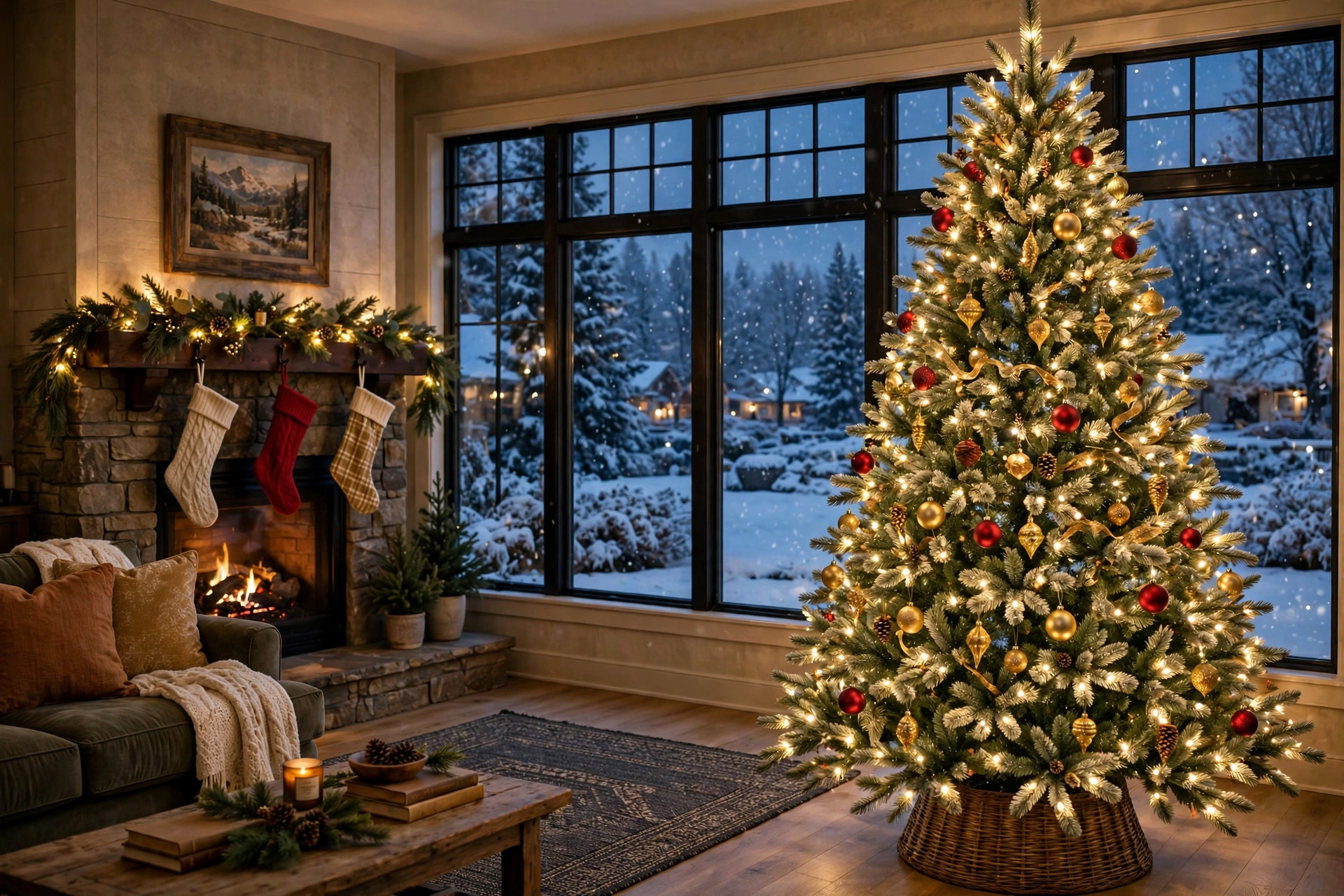
The search for the best christmas tree with lights pre lit 7ft begins each fall in millions of American homes. A seven-foot pre-lit tree is the most popular size in the country for good reason. It is tall enough to look grand in a living room, yet short enough to fit under a standard eight-foot ceiling with room for a tree topper. The built-in lights save hours of work. You lift the tree from its box, fluff the branches, plug it in, and the season begins.
This guide walks through everything a buyer should know. It covers why this size and style became the favorite, what to look for in the lights and branches, the main types on the market, what a fair price looks like, how to care for the tree year after year, and how to keep it safe. By the end, you will know exactly how to choose a tree that will serve your family for many Decembers to come.
Why a 7ft Pre-Lit Tree Is the Most Popular Choice
A seven-foot tree hits the sweet spot of American homes. Most ceilings in houses and apartments measure eight feet. A seven-foot tree leaves about a foot of space above for a star or angel. Taller trees need high ceilings and more storage room. Shorter trees can look small in a main living room. The seven-foot size photographs well, holds plenty of ornaments, and works in both large and modest rooms.
Pre-lit trees have changed the way families decorate. Stringing lights by hand takes an hour or more and often ends with tangled strands and dead bulbs. A pre-lit tree comes with the lights already woven through the branches. Manufacturers test each strand before the tree leaves the factory. The result is even light coverage from top to bottom. Many buyers say they would never go back to a tree they must light themselves.
The seven-foot pre-lit model also makes sense as a long-term purchase. A good artificial tree lasts seven to ten years or more. Spread over a decade, even a tree that costs two hundred dollars works out to twenty dollars a season. That is less than the price of a fresh-cut tree in many cities, and you avoid the falling needles and the yearly trip to the lot.
What to Look for in Lights and Branches: Best Christmas Tree with Lights Pre Lit 7ft
Two things matter most: the lights and the branches. Everything else is decoration.
Light Types
Most pre-lit trees now use LED lights. LEDs use very little power, stay cool to the touch, and last far longer than the old mini incandescent bulbs. A tree with LED lights can run for many seasons without a single bulb failing. Some trees still use incandescent lights, which give a soft warm glow that many people love. But incandescent bulbs burn out, run hot, and cost more to run. For most buyers, LED is the better choice.
Pay attention to the light count. A seven-foot tree should have at least 400 to 500 lights for a full look. Premium models carry 700 or more. More lights mean a brighter, richer glow. Count matters more than tree height when it comes to the final look.
Light color is a matter of taste. Warm white gives the classic Christmas feel. Multicolor brings back the look of childhood holidays. Some trees offer both, with a switch that changes the mode. Clear warm white suits traditional rooms. Multicolor suits families with young children.
Branch Quality
Branches come in two main styles. PVC branches are flat needles made of plastic film. They are full and inexpensive. PE branches are molded from real tree branches and look far more natural. Most quality trees today mix the two: PE tips on the outer branches for a real look, with PVC filler branches inside for fullness. This mix gives the best result for the money.
Check the tip count. More branch tips mean a fuller tree. A seven-foot tree with 1,000 to 1,400 tips looks lush. Trees with fewer tips can look thin, and ornaments will show the gaps.
Hinged branches are worth the extra cost. They fold out and fall into place when you assemble the tree. Hook-on branches must be attached one by one, which adds time. Hinged construction also makes the tree sturdier.
Types of Pre-Lit 7ft Trees
Realistic Evergreen Trees
The most common type copies the look of a fresh-cut fir or spruce. Balsam fir and Fraser fir styles are the favorites. These trees have layered branches, natural green coloring, and PE tips that mimic real needles. They suit buyers who want the look of a live tree without the mess.
Flocked Trees
Flocked trees are dusted with artificial snow. They bring a winter scene into the living room. The flocking looks best on a tree with dense branches. Note that flocking can shed a little each year, so keep the box and a hand vacuum nearby. A flocked tree is a good pick for a white Christmas theme.
Slim and Pencil Trees
A slim seven-foot tree has a narrower profile, often 36 to 44 inches across at the base instead of the usual 55 to 65 inches. These trees fit well in corners, small rooms, and apartments. You give up some fullness, but you gain floor space. Pencil trees are even narrower and suit modern rooms.
Trees With Extra Features
Some models add features beyond lights. Dual-color trees switch between warm white and multicolor. Trees with pinecones or berries built into the branches add a natural touch. A few models include a remote control for the lights. Decide which features you will actually use before you pay for them.
If you plan to use a live tree some years, a heavy duty stand for real trees keeps it steady and watered. For mantel displays, a christmas village church piece pairs nicely with the glow of the tree. And outdoor garland for railings can carry the theme from your living room to the front porch.
Cost and Price: What Should You Pay?
Prices for a seven-foot pre-lit tree range widely. Budget models sell for 100 to 150 dollars. These trees use PVC branches, fewer lights, and simpler construction. They look fine from a distance and serve well for a few seasons.
Mid-range trees cost 150 to 300 dollars. This is where most buyers find the best value. You get a mix of PE and PVC branches, LED lights, hinged construction, and a decent tip count. The tree looks good up close and lasts many years.
Premium trees run 300 to 500 dollars or more. They offer the most realistic branches, the highest light counts, and the finest details. The difference shows in close inspection and in photographs. Buyers who keep their tree up for a month or more often find the upgrade worth it.
Shop early for the best prices. Tree prices rise through November and peak in early December. The deepest discounts appear right after Christmas, when stores clear stock. Buying a tree in January for the next year can save forty percent or more. Keep an eye on large retailers such as Home Depot, Lowe’s, Wayfair, and Michaels for seasonal sales.
Remember to budget for the extras. A tree skirt, a topper, and a sturdy stand or storage bag add to the total. Most pre-lit trees include a basic metal stand, which is fine for a tree of this size.
Setup: From Box to Beautiful in Under an Hour
Setting up a hinged pre-lit tree is simple. Clear a space near an outlet. Lay out the tree sections from largest to smallest. Slide the bottom section into the stand and tighten the screws. Add the middle and top sections.
Plug in the lights before you fluff. This lets you spot any dark section while it is easy to reach. Then work from the bottom up, pulling each branch out and spreading the tips. Step back often to check the shape. The whole job takes thirty to sixty minutes the first time, and less each year after.
Safety comes first with any electrical decoration. The Consumer Product Safety Commission advises checking light strands for damage and never overloading outlets. For decorating ideas and how-to guides, The Spruce, HGTV, and Country Living all publish seasonal articles each year. Shoppers looking for one-stop holiday goods can browse Target as well.
Care and Upkeep Through the Years
A pre-lit tree needs little care, but a few habits will extend its life.
Dust the branches before you pack the tree away. A soft cloth or a cool hair dryer works well. Store the tree in a cool, dry place. The original box works, but a wheeled storage bag protects the branches better and is easier to move.
Keep the light strings in mind when you store the tree. Do not crush the sections or pile heavy boxes on top. Broken wires cause dark sections that are hard to fix. Many makers sell replacement bulbs and fuses for their models. Keep the manual so you know which type to buy.
If a section of lights goes out, check the fuse in the plug first. A blown fuse is the most common cause and the easiest fix. Next, look for a loose bulb. On many trees, one loose bulb can darken a whole section. Gently press each bulb in the dark section until the lights return.
Test the tree in October or early November, well before you plan to decorate. This gives you time to order parts or buy a replacement if something has failed in storage.
Safety Tips for Pre-Lit Trees
Artificial trees are safer than live trees in some ways. They do not dry out, and they carry no sap. But they still use electricity, so treat them with care.
Keep the tree away from heat sources such as fireplaces, radiators, and heating vents. Turn the lights off when you leave the house and before you go to sleep. A simple timer plug handles this without thought.
Check the cord each year for wear, cracks, or exposed wire. If the cord is damaged, do not use the tree until it is repaired or replaced. Use only one extension cord if you need extra reach, and never run cords under rugs or through doorways where they can be pinched.
If you have small children or pets, place breakable ornaments higher on the tree. Secure the tree so it cannot tip. A seven-foot tree is heavy, but an excited dog or a climbing toddler can still bring it down.
Frequently Asked Questions
How long do pre-lit LED Christmas trees last?
Most quality pre-lit trees last seven to ten years with normal use and careful storage. The LED bulbs often outlast the tree itself. The frame and branches wear out first. Storing the tree in a dry place and avoiding crushed sections adds years to its life.
Can I replace the lights if they fail?
Yes, in most cases. Many trees use standard mini LED or incandescent bulbs that you can buy at craft and hardware stores. Check your tree manual for the bulb type and voltage. Some makers sell exact replacement strands for their models. If the built-in lights fail beyond repair, you can string new lights over the tree and use it as a regular artificial tree.
Is a 7ft tree too tall for an 8ft ceiling?
No. A seven-foot tree fits well under an eight-foot ceiling. It leaves about twelve inches for a topper. Measure your ceiling before you buy, and remember to account for the height of the stand, which adds a few inches.
How many ornaments does a 7ft tree need?
A seven-foot tree typically holds 70 to 100 standard ornaments. Start with the lights, add garland if you use it, then hang larger ornaments deep in the branches and smaller ones near the tips. Step back often to check the balance.
Should I buy warm white or multicolor lights?
Warm white suits a classic, calm look and matches most decor styles. Multicolor lights feel playful and nostalgic. Trees with a dual-color switch give you both options. If you are unsure, warm white is the safer choice for resale value and long-term taste.
Do pre-lit trees use a lot of electricity?
No. A pre-lit tree with LED lights uses very little power, often less than a single old-style light bulb. Running it for six hours a day through December adds only a dollar or two to the electric bill. Incandescent pre-lit trees use more, but still far less than a room heater or an oven.
A Short Final Word
The best christmas tree with lights pre lit 7ft is the one that fits your room, your budget, and your taste. Look for LED lights, a good tip count, and hinged branches. Buy from a maker with a solid warranty. Set it up early, store it with care, and it will light your holidays for a decade. The right tree turns a living room into the heart of the season, year after year.
References
Country Living. (n.d.). Country home and lifestyle. https://www.countryliving.com HGTV. (n.d.). Home and garden ideas. https://www.hgtv.com Lowe’s. (n.d.). Home improvement products. https://www.lowes.com Michaels. (n.d.). Arts and crafts supplies. https://www.michaels.com Target. (n.d.). Retail store. https://www.target.com The Home Depot. (n.d.). Home improvement products. https://www.homedepot.com The Spruce. (n.d.). Home and garden advice. https://www.thespruce.com U.S. Consumer Product Safety Commission. (n.d.). Product safety information. https://www.cpsc.gov Wayfair. (n.d.). Furniture and home goods. https://www.wayfair.com
Was this guide helpful?

About Sarah Mitchell
The My Garden US editorial team writes practical, in-depth home and garden guides for American homeowners — tested advice, no fluff.